
Raleigh Man Kenneth Chung Sentenced to 27 Years in Federal Prison for Fatal Fentanyl Overdose
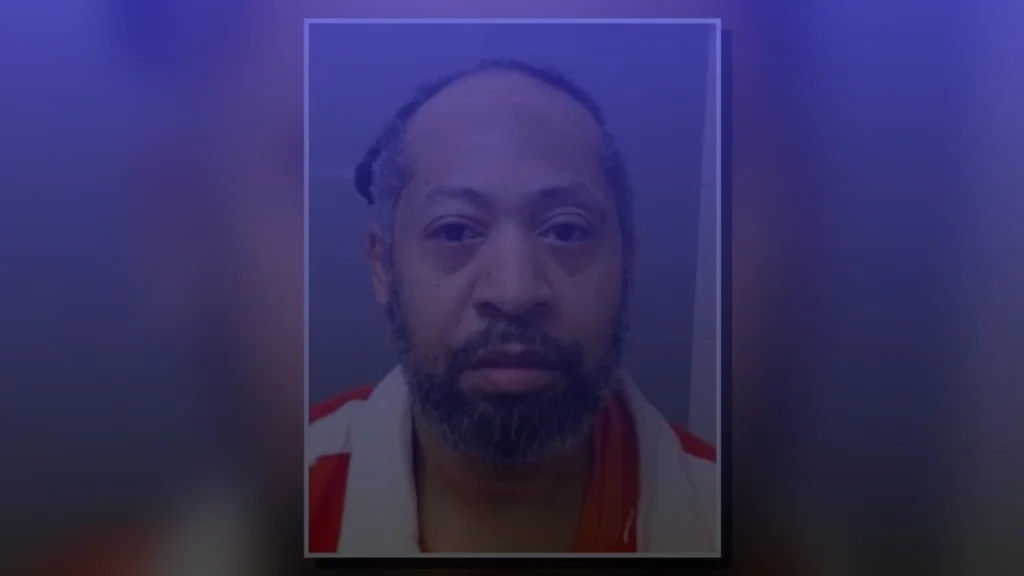
Kenneth Omar Roger Chung, also known as “Skully,” a 53-year-old Raleigh, North Carolina man, was sentenced to 27 years in federal prison for distributing fentanyl that led to the overdose death of a 26-year-old Raleigh man. He was also sentenced for conspiracy to possess with intent to sell fentanyl, methamphetamine and cocaine. U.S. District Judge James C. Dever III imposed the sentence, and the U.S. Attorney’s Office for the Eastern District of North Carolina announced it on October 7, 2026. Chung pleaded guilty on May 20, 2026.
This is a criminal sentence, not a civil settlement. There is no consumer claim form, recall or payout program connected to it.
Quick Facts: United States v. Kenneth Omar Roger Chung
| Detail | Verified information |
| Defendant | Kenneth Omar Roger Chung, also known as “Skully,” 53, of Raleigh, North Carolina |
| Court | U.S. District Court for the Eastern District of North Carolina |
| Case number | 5:25-CR-00124-D |
| Sentencing judge | U.S. District Judge James C. Dever III |
| Sentence | 27 years (324 months) in federal prison |
| Guilty plea | May 20, 2026 |
| Sentence announced | October 7, 2026 |
| Fatal overdose | March 28, 2023, a 26-year-old Raleigh man (not named by the DOJ) |
| Offenses identified by the DOJ | Distribution of fentanyl resulting in death; conspiracy to possess with intent to sell fentanyl, methamphetamine and cocaine |
| Co-defendant named by the DOJ | Jermaine Robinson (controlled buys were made from Chung and Robinson) |
| Investigating agencies | ATF, Raleigh Police Department, Cary Police Department |
| Announced by | U.S. Attorney W. Ellis Boyle |
| Restitution, release date, appeal | Not stated in the DOJ release |
| Civil lawsuit or claim form | None identified |
Primary source: U.S. Attorney’s Office, Eastern District of North Carolina: Raleigh Dealer Receives 27-Year Federal Prison Sentence for Fatal Fentanyl Overdose.
What Happened in the March 2023 Raleigh Fatal Fentanyl Overdose?
On March 28, 2023, Raleigh police responded to a 911 call and found a 26-year-old man dead from a drug overdose. Officers seized heroin, purple fentanyl powder and 11 Xanax pills from his backpack. An autopsy confirmed he died from a fentanyl overdose. Evidence on his cell phone showed that Chung had delivered the drugs the night before.
Soon afterward, law enforcement made several controlled purchases, including purple fentanyl, directly from Chung and his co-defendant, Jermaine Robinson.
What Other Overdoses Did Investigators Connect to Kenneth Chung?
- October 7, 2023: The DOJ says Chung delivered crack cocaine to a man in Cary, who later died from an overdose.
- October 23, 2023: Raleigh police found Chung’s roommate unresponsive at his apartment, and the roommate later died from an overdose.
The DOJ release describes these incidents as part of the investigation. It does not say Chung was separately convicted of causing either death. The sentence announced is for the March 2023 death and the drug conspiracy.
What Did Police Find in the October 25, 2023 Search of Chung’s Apartment?
Raleigh police executed a search warrant on October 25, 2023, and seized:
| Item | Quantity |
| Marijuana | 57 grams |
| Fentanyl | 29.06 grams |
| Cocaine | 5.09 grams |
| Heroin | 9.96 grams |
| Methamphetamine | 23.75 grams |
| Firearms | 4 |
Officers then arrested Chung and seized additional drugs and $5,541 during the arrest. The DOJ release does not say that any firearm charge was filed.
What Did U.S. Attorney W. Ellis Boyle Say About the Kenneth Chung Case?
Boyle said Chung kept selling drugs even after he knew someone had died and that the 27-year sentence delivers serious punishment. The release also states the case is part of the DOJ initiative “Operation Take Back America.”
What Federal Laws Apply to the Kenneth Chung Fentanyl Case?
What Does 21 U.S.C. § 841 Say About Distributing Fentanyl Resulting in Death?
Section 841(a)(1) of the Controlled Substances Act makes it unlawful to knowingly distribute a controlled substance. Fentanyl, cocaine and methamphetamine are Schedule II drugs (21 U.S.C. § 812). Under 21 U.S.C. § 841(b)(1), when death results from the use of the drug, the penalty is a mandatory minimum of 20 years and a maximum of life in prison. Higher drug quantities can trigger the same range under other subsections. The DOJ release does not list the exact subsection of Chung’s conviction, so check the plea agreement and judgment for that.
What Must Prosecutors Prove in a Death-Results Case Under Burrage v. United States?
In Burrage v. United States, 571 U.S. 204 (2014), the Supreme Court held that the death-results enhancement requires proof that the drug was a but-for cause of death, meaning the death would not have occurred without it. Because Chung pleaded guilty, he admitted the facts supporting that enhancement as part of the plea. The DOJ release does not describe the plea terms.
How Does 21 U.S.C. § 846 Treat the Drug Conspiracy Charge Against Chung?
Section 846 makes conspiracy to commit a drug offense punishable by the same penalties as the underlying offense. That is the basis for the conspiracy charge involving fentanyl, methamphetamine and cocaine.
How Do the U.S. Sentencing Guidelines and 18 U.S.C. § 3553(a) Set a Federal Sentence?
Federal judges calculate an advisory range under the U.S. Sentencing Guidelines. For drug trafficking, the guideline is U.S.S.G. § 2D1.1, which includes high base offense levels when death results from the offense. The judge then considers the factors in 18 U.S.C. § 3553(a), including the nature of the offense, the defendant’s history, deterrence and the need to protect the public. The DOJ release does not explain how Judge Dever reached 27 years, so attributing the term to any single factor would be speculation.
Can Kenneth Chung Get Parole, and How Much of the 27 Years Will He Serve?
No. The Sentencing Reform Act of 1984 abolished federal parole for offenses committed after November 1, 1987. Under 18 U.S.C. § 3624(b), federal inmates with good behavior can earn up to 54 days of credit per year of the sentence imposed, so a prisoner typically serves about 87% of the term, which for 324 months would be roughly 23 and a half years. The Bureau of Prisons calculates actual release dates, and other credits or custody time may change the result. Eligibility for First Step Act time credits (18 U.S.C. § 3632) depends on the offense of conviction. A term of supervised release under 18 U.S.C. § 3583 usually follows, though the DOJ release does not state one.
Can Kenneth Chung Appeal the 27-Year Federal Sentence?
A federal criminal defendant generally has 14 days after the entry of judgment to file a notice of appeal under Federal Rule of Appellate Procedure 4(b)(1)(A), and appellate rights are reviewed under 18 U.S.C. § 3742. Plea agreements often include an appeal waiver, but the DOJ release does not say whether Chung has one, or whether he has appealed.
Could North Carolina State Law Also Apply to Fatal Fentanyl Distribution?
Yes, in principle. North Carolina’s death-by-distribution statute, N.C. Gen. Stat. § 14-18.4, treats certain drug distribution that causes death as second-degree murder. Under the dual-sovereignty doctrine confirmed in Gamble v. United States, 587 U.S. 678 (2019), state and federal governments can separately prosecute the same conduct. The DOJ release describes a federal prosecution, and no state charge is mentioned.
Does the Federal Sentence Compensate the Family of the Victim?
Not automatically. A criminal sentence punishes the offender. The DOJ release names no restitution amount, civil lawsuit or settlement, though the absence of a figure in a press release does not mean none was ordered, so check the judgment.
- Restitution: Federal courts can order restitution under 18 U.S.C. §§ 3663 and 3663A, which can include funeral expenses, depending on the offense of conviction.
- Victim rights: The Crime Victims’ Rights Act, 18 U.S.C. § 3771, gives crime victims rights including reasonable notice of public proceedings, the right to be reasonably heard at sentencing, and fair treatment with respect for their dignity and privacy. Who qualifies as a victim depends on the statute.
- Civil wrongful death: In North Carolina, a wrongful death claim is brought by the personal representative of the estate under N.C. Gen. Stat. § 28A-18-2, and the general limit is two years from the date of death under N.C. Gen. Stat. § 1-53(4). Because the death occurred on March 28, 2023, any family considering a claim should speak to a North Carolina attorney immediately about whether a deadline has passed or an exception applies. No civil case has been identified.
For an example of how criminal and civil cases differ in a fentanyl death, see Kouri Richins Ordered To Pay $55,120,516, Eric Richins Case.
Key Dates in the Kenneth Chung Federal Drug Case
| Date | Event |
| March 28, 2023 | Raleigh police find a 26-year-old man dead from a fentanyl overdose |
| October 7, 2023 | Chung delivers crack cocaine to a man in Cary who later dies of an overdose, per the DOJ |
| October 23, 2023 | Chung’s roommate found unresponsive and later dies of an overdose |
| October 25, 2023 | Search warrant executed at Chung’s apartment; Chung arrested |
| May 20, 2026 | Chung pleads guilty |
| October 7, 2026 | Judge Dever sentences Chung to 27 years; DOJ announces the sentence |
Frequently Asked Questions About Kenneth Chung’s 27-Year Federal Sentence
How Long Was Kenneth Chung Sentenced to Federal Prison?
27 years, or 324 months, announced October 7, 2026.
What Is the Case Number in United States v. Kenneth Omar Roger Chung?
5:25-CR-00124-D in the U.S. District Court for the Eastern District of North Carolina.
Did Kenneth Chung Plead Guilty?
Yes. He pleaded guilty on May 20, 2026.
Was Kenneth Chung Convicted of Causing All Three Deaths?
The DOJ says his sentence is for distributing fentanyl that led to the death of a 26-year-old Raleigh man and for the drug conspiracy. It describes the other two deaths as part of the investigation but does not say they were separate convictions.
Can Kenneth Chung Be Released on Parole?
No. Federal parole was abolished, though good-conduct credit can shorten a sentence.
Will the Victim’s Family Receive Restitution or a Settlement?
The DOJ release does not list restitution or a settlement. Check the judgment and the court docket, and consult a North Carolina attorney about civil options.
Where Can I Find the Court Records?
Search PACER for case number 5:25-CR-00124-D, or visit the Eastern District of North Carolina court website.
Is There a Consumer Claim Form Tied to This Sentence?
No. It is a criminal case, not a class action or recall.
Sources and Official Records for the Kenneth Chung Sentencing
- U.S. Attorney’s Office, Eastern District of North Carolina, press release of October 7, 2026: defendant, sentence, plea date, investigation facts and case number.
- 21 U.S.C. § 841 and 21 U.S.C. §§ 812, 846.
- U.S. District Court, Eastern District of North Carolina and PACER, case number 5:25-CR-00124-D.
- 18 U.S.C. §§ 3553(a), 3583, 3624(b), 3663, 3663A, 3771; U.S.S.G. § 2D1.1; N.C. Gen. Stat. §§ 14-18.4, 28A-18-2, 1-53(4).
Researched and written by Israr Ahmad, legal content researcher and founder of AllAboutLawyer.com. All facts verified against the U.S. Attorney’s Office for the Eastern District of North Carolina press release (justice.gov) of October 7, 2026, as of October 19, 2026. Last Updated: October 19, 2026.
AllAboutLawyer.com provides general legal information, not legal advice. It is not a law firm and does not represent Kenneth Chung, the deceased man’s family or any other party to this case.
About the Author
Israr Ahmad is a legal content researcher with 4+ years of experience covering class action settlements and consumer rights cases. He has researched and published coverage of 2,500+ settlements using verified court records, settlement administrator filings, and government sources. Learn more about Israr.