
Passaic Valley Water Commission Uncovered Reservoirs Lawsuit, Were You Affected? — United States, et al. v. Passaic Valley Water Commission, No. 2:26-cv-10199
If your tap water comes from Paterson, Clifton, Passaic, Prospect Park, Lodi, North Arlington, or Woodland Park — you were not imagining the water advisories. The Department of Justice and the New Jersey Attorney General’s Office sued the Passaic Valley Water Commission on August 12, 2026, claiming it left three reservoirs open to the air for 17 years, in violation of the Safe Drinking Water Act. Here’s what that means for you.
Passaic Valley Water Commission Reservoir Lawsuit — Key Facts
| Lawsuit Filed | August 12, 2026 |
| Defendant | Passaic Valley Water Commission (PVWC) |
| Alleged Harm | Three drinking-water reservoirs left uncovered since early 2009, risking contamination |
| Law Alleged | Safe Drinking Water Act, Long Term 2 Enhanced Surface Water Treatment Rule (40 CFR 141.714) |
| Who Is Affected | ~800,000 customers plus 22 wholesale water systems in Passaic, Bergen, Essex, Hudson, and Morris counties |
| Court & Case Number | U.S. District Court, District of New Jersey — No. 2:26-cv-10199 |
| Current Stage | Proposed Consent Decree lodged same day as filing; open for public comment |
| Lead Plaintiff Deadline | Not applicable — this is a government enforcement action, not a class action |
| Settlement Status | No individual settlement or claim form exists |
| Last Updated | August 25, 2026 |
Who Is Passaic Valley Water Commission and Why Are They Being Sued for This?
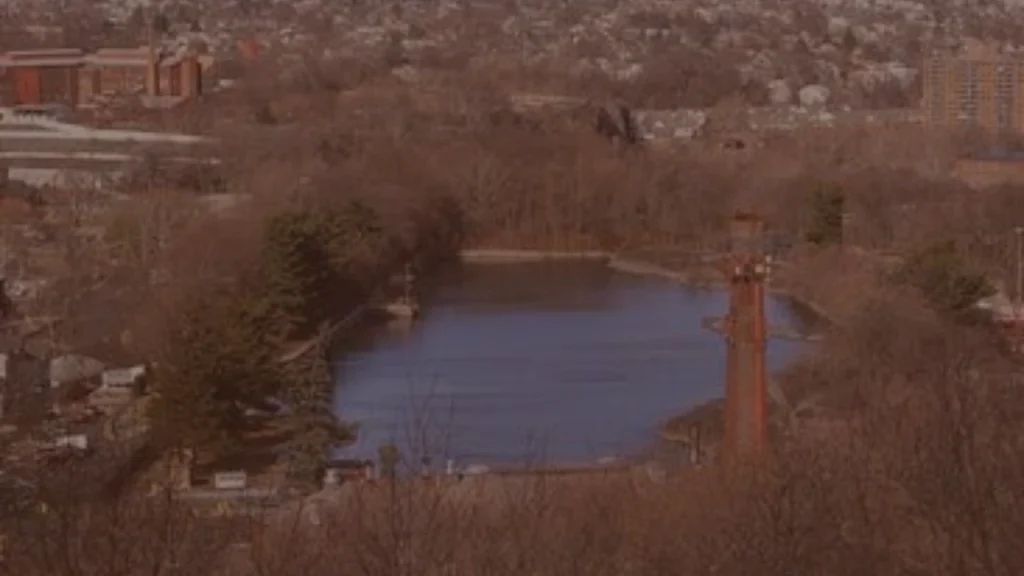
PVWC treats water at its Little Falls Water Treatment Plant, then holds that already-treated water in three open-air reservoirs — Great Notch, Levine, and New Street — before it reaches your tap. That storage step is the problem federal and state regulators are pointing to. Once water leaves the treatment plant, an uncovered reservoir gives stormwater, animal waste, and airborne debris a direct path back into supposedly finished drinking water.
What Did Passaic Valley Water Commission Do Between 2009 and 2026?
The lawsuit says PVWC has been out of compliance with federal reservoir-covering rules since at least early 2009 — that’s 17 years. Federal rules under the Safe Drinking Water Act’s Long Term 2 Rule require water systems to either cover finished-water reservoirs or add extra treatment to kill off pathogens that can get in through the open air. PVWC did neither, according to the complaint, despite already being under a consent order with New Jersey’s Department of Environmental Protection that laid out a phased fix.
That gap between “under a consent order” and “actually fixed” is where the health risk sat for nearly two decades. Uncovered reservoirs can pick up cryptosporidium and Giardia lamblia — parasites that cause diarrhea and other gut illness — along with stormwater runoff and animal waste. The complaint ties the exposed reservoirs to elevated lead readings and to a six-week water advisory after Hurricane Ida’s flooding hit the system in 2021.
If you were on a boil-water notice or a water advisory anywhere in PVWC’s service area over the past several years, this lawsuit is likely describing the reason why.
Related reading: Amazon’s $20.5 million nitrate water contamination settlement covers a similar pattern — a water system with a known contamination problem that regulators eventually forced into a fix.
Who Does This Case Cover?
This is not a class action you can join, and there’s no sign-up list. It’s a government enforcement case, so it automatically applies to the entire population PVWC serves.
- Residents of Paterson, Clifton, Passaic, Prospect Park, Lodi, North Arlington, and part of Woodland Park who get water directly from PVWC
- Customers of the 22 wholesale water systems in Passaic, Bergen, Essex, Hudson, and Morris counties that buy finished water from PVWC and resell it locally
- Anyone who experienced a boil-water advisory, discolored water, or elevated lead readings tied to the PVWC system since 2009
There’s no separate group who is excluded by geography here — if your provider’s water traces back to the Little Falls plant and these three reservoirs, this case is about your water.
Related article: Cirque du Soleil Acrobat Lawsuit, Aerial Hoop Performer Sues Over 15-Foot Fall That Broke 11 Bones — Konfektova v. Cirque du Soleil, No. 26CV44244
PVWC Customers Outside Direct City Limits — Are You Still Covered?
Yes. The lawsuit covers PVWC’s full service footprint, including the 22 wholesale customers — smaller municipalities and independent water companies — that buy treated water from PVWC and pipe it into their own systems. If your local utility purchases water from PVWC, the reservoirs named in this case are part of your supply chain even if you’ve never heard the commission’s name on your bill.
What Are Federal and State Officials Asking the Court to Order?
There’s no payout here, and there’s no claim form to fill out. This case doesn’t work like a product or securities class action.
Prosecutors filed a proposed Consent Decree the same day they filed the complaint. Under that proposal, the court would order PVWC to either cover the three reservoirs or add treatment strong enough to meet federal safety standards, notify the public about the ongoing risk, put unspecified public health protections in place, and pay a $132,500 civil penalty plus additional penalties for every day it stays out of compliance going forward. That penalty money goes to the federal government — not to individual customers.
PVWC has already started a $40 million, federally mandated project to shut down the 20-million-gallon Levine Reservoir and replace it with enclosed tanks, according to the commission’s own website. The consent decree, if approved, would set enforceable deadlines around finishing that kind of work across all three reservoirs.
Honestly, the penalty amount looks small next to a 17-year compliance gap. The real leverage here is the court-ordered deadline, not the fine.
What Should PVWC Customers Do Right Now?
- Check your own water quality reports. PVWC and each wholesale customer must publish annual Consumer Confidence Reports — request the most recent one from your provider or town if you haven’t seen it.
- Save records of any past water problems. Discoloration reports, boil-water notices you received, plumbing or appliance damage tied to sediment, and any medical visits for unexplained gastrointestinal illness during an advisory period.
- Read the proposed Consent Decree. The Department of Justice publishes lodged consent decrees for public review and accepts written comments before a judge signs off — this is your one direct way to weigh in on the case.
- Watch for the comment deadline. The Federal Register notice sets the window for public comment; missing it means missing your chance to raise concerns before the decree is finalized.
- Follow the docket. Case No. 2:26-cv-10199 in the District of New Jersey will show whether the consent decree is approved as written, modified, or contested.
- If you believe the water made you sick, that’s a separate track from this enforcement case — a personal injury or product liability claim would need its own evidence connecting a specific illness to a specific exposure date, and a private attorney would need to evaluate that separately from anything in this lawsuit.
Passaic Valley Water Commission Lawsuit — Full Timeline
| Milestone | Date |
| PVWC reservoir compliance gap begins | Early 2009 |
| Prior NJDEP consent order sets phased remedy | UNVERIFIED — exact date not specified in available sources |
| Hurricane Ida flooding triggers 6-week water advisory | September 2021 |
| PVWC begins $40M Levine Reservoir replacement project | UNVERIFIED — start date not specified in available sources |
| DOJ and NJ AG file lawsuit, No. 2:26-cv-10199 | August 12, 2026 |
| Proposed Consent Decree lodged with the court | August 12, 2026 |
| Federal Register notice opens public comment period | August 14, 2026 |
| Court decision on Consent Decree | UNVERIFIED — not yet scheduled in available sources |
Passaic Valley Water Commission Reservoir Lawsuit — Frequently Asked Questions, No. 2:26-cv-10199
Is there a class action lawsuit against Passaic Valley Water Commission right now?
No. This is a government enforcement lawsuit brought by the U.S. Department of Justice and the New Jersey Attorney General’s Office under the Safe Drinking Water Act — not a private class action, and there’s no group of plaintiffs to join.
Do I need to do anything right now to be covered by this case?
No action is required. The case automatically covers everyone PVWC and its 22 wholesale customers serve across Passaic, Bergen, Essex, Hudson, and Morris counties.
Will Passaic Valley Water Commission customers get any money from this lawsuit?
No. The proposed remedy is a $132,500 civil penalty paid to the government, plus daily penalties for continued noncompliance — not compensation to individual customers.
When will the Passaic Valley Water Commission case resolve?
A Consent Decree was already proposed on the filing date, August 12, 2026. It becomes final only after the public comment period closes and a federal judge signs off, which is not yet scheduled.
Can I sue Passaic Valley Water Commission on my own if I got sick from the water?
Potentially, but that would be a separate personal injury or product liability claim, built on your own medical records and exposure evidence. It’s a different legal track from this enforcement case, and it would need its own attorney and its own proof.
What specific law does Passaic Valley Water Commission allegedly violate?
The complaint cites the Long Term 2 Enhanced Surface Water Treatment Rule, 40 CFR 141.714, adopted under Section 1412 of the Safe Drinking Water Act, 42 U.S.C. § 300g-1 — the rule requiring covered storage or added treatment for finished drinking water.
How can I comment on the proposed Consent Decree?
The Department of Justice’s Federal Register notice, published August 14, 2026, sets out the window and method for filing public comments before the decree is finalized by the court.
Is Passaic Valley Water Commission still supplying water while this case is pending?
Yes. The lawsuit doesn’t shut off service — it seeks a court-enforced deadline for PVWC to cover the reservoirs or add treatment, on top of the utility’s existing $40 million reservoir replacement project.
Sources Used in This Passaic Valley Water Commission Article
- Federal Register — Notice of Lodging of Proposed Consent Decree Under the Safe Drinking Water Act, August 14, 2026: https://www.federalregister.gov/documents/2026/08/14/2026-16676/notice-of-lodging-of-proposed-consent-decree-under-the-safe-drinking-water-act
- New Jersey Monitor — “NJ, feds sue commission to protect drinking water from contamination,” August 2026: https://newjerseymonitor.com/briefs/nj-feds-sue-commission-to-protect-drinking-water-from-contamination/
Researched and written by Israr Ahmad, legal content researcher and founder of AllAboutLawyer.com. All facts verified against the Federal Register notice of the proposed Consent Decree and New Jersey Monitor’s reporting on August 25, 2026. Last Updated: August 25, 2026.
This article is for informational purposes only and does not constitute legal advice. Laws vary by state and individual circumstances differ. For advice about your specific situation, consult a qualified attorney.
About the Author
Israr Ahmad is a legal content researcher with 4+ years of experience covering class action settlements and consumer rights cases. He has researched and published coverage of 2,500+ settlements using verified court records, settlement administrator filings, and government sources. Learn more about Israr.