
University of Oregon Title IX Case, Where the Beach Volleyball and Rowing Lawsuit Actually Stands With the Ninth Circuit
Current and former University of Oregon beach volleyball players and club rowers are asking the U.S. Court of Appeals for the Ninth Circuit to take up their Title IX case after a federal judge refused to let it proceed as a class action. Here’s what’s actually been decided, what hasn’t, and why the distinction matters if you’re following this case.
Oregon Title IX Case — Key Facts
| Field | Detail |
| Case Name | Schroeder v. University of Oregon |
| Case Number | 6:23-cv-01806 (D. Or., Eugene Division) |
| Plaintiffs | Current and former women’s varsity beach volleyball players and women’s club rowing team members |
| Defendant | University of Oregon |
| Law Alleged | Title IX of the Education Amendments of 1972, 20 U.S.C. §§ 1681 et seq. |
| Filed | December 1, 2023 |
| Class Certification | Denied in part by Judge Michael J. McShane, May 28, 2026 |
| Current Stage | Rule 23(f) petition pending before the Ninth Circuit, filed mid-June 2026 |
| Ninth Circuit Ruling | UNVERIFIED — no order on the petition confirmed in available sources as of this update |
| Last Updated | August 26, 2026 |
What This Case Is Actually About
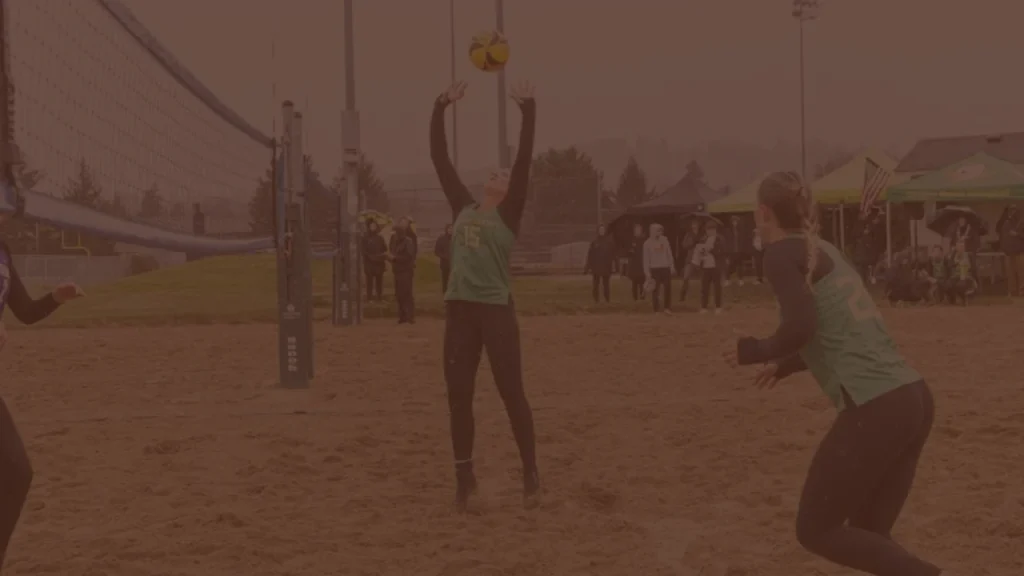
Thirty-two women — 26 on Oregon’s varsity beach volleyball team and six on its club rowing team — sued the university in December 2023, arguing Oregon systematically shortchanged them on scholarships, facilities, and access to athletic opportunities compared to male athletes. The complaint pointed to specifics: the beach volleyball team practicing at an off-campus public park with no locker room, and a rowing program the university has never elevated to varsity status despite what plaintiffs call decades of demonstrated interest and ability. In April 2025, Judge McShane rejected Oregon’s attempt to dismiss the case outright, letting the underlying discrimination claims move forward.
Why Class Certification Got Denied
Getting past a motion to dismiss and getting certified as a class action are two different fights, and Oregon won the second one — at least so far. On May 28, 2026, McShane denied certification for the treatment-and-benefits and effective-accommodation claims, ruling the named plaintiffs weren’t “typical” enough of the broader group of female athletes they wanted to represent. He pointed out that beach volleyball was the only varsity program relegated to an off-campus venue and treated as an “emerging” sport with its own unique history, which he said would force the litigation to focus on issues specific to that team rather than issues shared by female athletes university-wide. He also declined to include the rowing plaintiffs, saying they hadn’t shown the university had enough qualified athletes to field a varsity team. McShane left the door open to a narrower class on the financial-aid claim alone.
That’s a meaningful setback, but it doesn’t end the case — it just means the plaintiffs would have to prove their claims individually rather than on behalf of a certified class, unless the appeal changes that.
Related article: Vitruvias Therapeutics Recalls 30 mg Thyroid Tablets Over Superpotency, See If You Have the Affected Lot
What the Rule 23(f) Petition Actually Does
A week after McShane’s ruling, the plaintiffs’ attorneys — Arthur Bryant and Matthew Murray — filed a petition asking the Ninth Circuit for permission to appeal the certification denial, arguing the district court “manifestly erred.” That’s a specific, narrower ask than it might sound like. The Ninth Circuit doesn’t have to take the appeal at all; Rule 23(f) appeals are discretionary, and circuit courts summarily deny the large majority of them without even issuing a written opinion. If the court grants the petition, the case moves into full briefing on whether McShane’s certification ruling was correct. If it denies the petition, the certification denial stands, and the named plaintiffs’ individual claims continue in the district court regardless.
In plain terms: the Ninth Circuit hasn’t yet said whether it will hear this case, let alone ruled on the substance. Anyone telling you the appeals court has already sided with the athletes, or already shut the case down, is ahead of what the record shows.
What Happens Next
Oregon has had an opportunity to respond to the petition, and the Ninth Circuit’s timeline from here isn’t public in the sources available. Regardless of how the class-certification appeal resolves, the underlying lawsuit — Oregon’s alleged Title IX violations — remains active in the district court for the named plaintiffs. This case sits alongside a broader wave of Title IX litigation challenging how schools fund women’s sports, including a similar action filed by Quinnipiac women’s rugby players in June 2026 over that university’s decision to demote its program to club status.
We’ll update this article once the Ninth Circuit rules on the petition or the district court case reaches its next milestone.
Sources Used in This Article
- Sportico, “Oregon Beach Volleyball Title IX Suit Looks for 9th Circuit Save,” June 12, 2026: https://www.sportico.com/leagues/college-sports/2026/oregon-ducks-title-ix-appeal-class-certification-1234903173/
- KLCC, “Federal judge rejects UO beach volleyball, rowing Title IX Class Action Certification, athletes seek appeal,” June 12, 2026: https://www.klcc.org/sports/2026-06-12/university-of-oregon-title-ix-lawsuit-class-action-denied
- Duane Morris LLP, “Oregon Federal Court Denies Class Certification Due To The Impact Of Unique Defenses On The Named Plaintiffs,” June 2, 2026: https://blogs.duanemorris.com/classactiondefense/2026/06/02/oregon-federal-court-denies-class-certification-due-to-the-impact-of-unique-defenses-on-the-named-plaintiffs/
- Civil Rights Litigation Clearinghouse, case docket for Schroeder v. University of Oregon, 6:23-cv-01806: https://clearinghouse.net/case/45250/
- Benesch, Friedlander, Coplan & Aronoff LLP, on the April 4, 2025 motion-to-dismiss ruling: https://www.beneschlaw.com/resources/university-of-oregon-title-ix-suit-presses-forwardwomen-athletes-successfully-argue-for-case-to-continue-amid-photo-comparisons-to-football-team.html
Researched and written by Israr Ahmad, legal content researcher and founder of AllAboutLawyer.com. All facts verified against court-docket summaries and law firm reporting on Schroeder v. University of Oregon, No. 6:23-cv-01806, as of August 26, 2026. Last Updated: August 26, 2026.
This article is for informational purposes only and does not constitute legal advice. Laws vary by state and individual circumstances differ. For advice about your specific situation, consult a qualified attorney.
About the Author
Israr Ahmad is a legal content researcher with 4+ years of experience covering class action settlements and consumer rights cases. He has researched and published coverage of 2,500+ settlements using verified court records, settlement administrator filings, and government sources. Learn more about Israr.