
Idaho Generic Drug Settlement, $400 Million Sandoz Deal, Who Qualifies, March 8, 2027 Claim Deadline and How to File
Idaho residents who bought certain generic prescription drugs between May 1, 2009 and December 31, 2019 may qualify for compensation. The official state attorneys general claims program lists March 8, 2027 as the deadline to submit a claim. File at the official website: www.AGGenericDrugsClaims.com (also reachable through www.AGGenericDrugs.com).
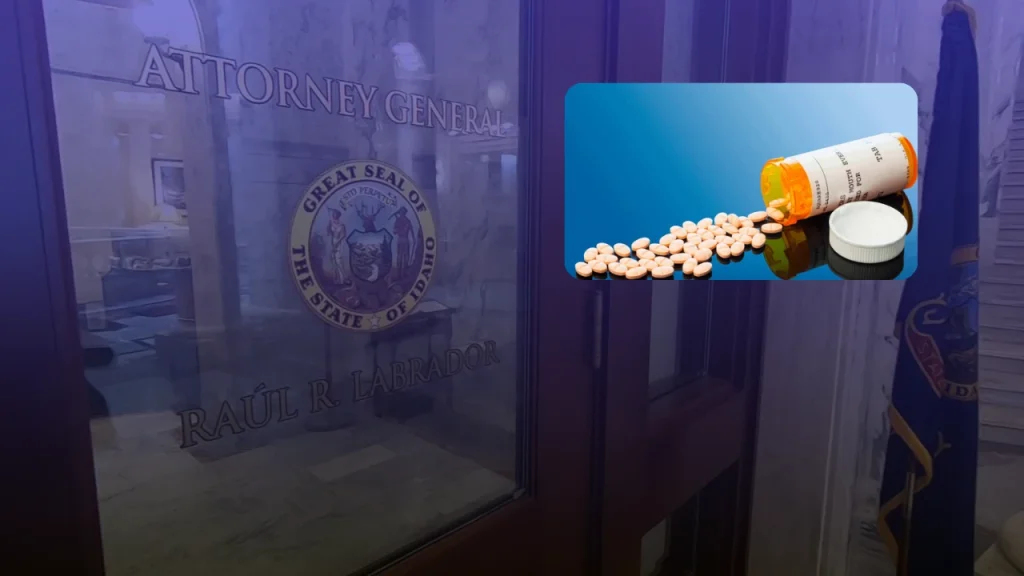
On October 20, 2026, Idaho Attorney General Raúl Labrador announced that Idaho joined other states and territories in a $400 million settlement with Sandoz Inc. and Fougera Pharmaceuticals Inc., along with smaller settlements with Ascend Laboratories (400,000),MaynePharma(650,000) and Citron Pharma (non-monetary terms). Idaho’s attorney general said the broader state settlements total just under $500 million. The companies deny wrongdoing.
Two separate deadlines exist. A separate federal end-payer class settlement program in the generic drug multidistrict litigation has a claim deadline of November 9, 2026, which is only days away. See the section below.
Idaho Generic Drug Settlements: Quick Facts
| Detail | Information |
| Official claims website (state attorneys general program) | www.AGGenericDrugsClaims.com and www.AGGenericDrugs.com |
| Claim form | Online at the official website under “File a Claim,” or by mail (address below) |
| Consumer claim deadline | March 8, 2027 (online by 11:59 p.m. Pacific Time; mailed forms postmarked by that date) |
| Phone | 1-866-290-0182 |
| [email protected] | |
| Mailing address | Generic Drugs Settlements 8769, P.O. Box 2599, Faribault, MN 55021-9599 |
| Eligible purchase period | May 1, 2009 – December 31, 2019 |
| Covered products | Specific generic prescription drugs on the official “List of Drugs at Issue” |
| New Sandoz/Fougera settlement | $400,000,000 (reported as paid over seven years starting in 2027) |
| Other new settlements | Ascend $400,000; Mayne $650,000; Citron non-monetary |
| Earlier state settlements | Glenmark, Lannett, Bausch, Apotex, Heritage (about $96.5 million combined, per state announcements) |
| Court | U.S. District Court, District of Connecticut |
| Federal cases | State of Connecticut et al. v. Aurobindo Pharma USA, Inc. et al., No. 3:16-cv-02056; State of Connecticut et al. v. Teva Pharmaceuticals USA, Inc. et al., No. 3:19-cv-00710; State of Connecticut et al. v. Sandoz, Inc. et al., No. 3:20-cv-00802 |
| Separate class action deadline | November 9, 2026 (end-payer class settlements in MDL No. 2724, E.D. Pa.) |
| Idaho businesses | Potentially eligible through a separate corporate-entities process |
| Status of the October 2026 agreements | Proposed; court approval steps remain. Verify with court records |
What Did Idaho Attorney General Labrador Announce?
Labrador announced that Idaho joined other states and territories seeking court approval for a $400 million settlement with Sandoz and Fougera, plus separate resolutions with Ascend, Citron and Mayne. The state cases allege that generic drug makers took part in long-running arrangements to manipulate prices, reduce competition and restrain trade for generic prescription drugs.
This matters because generic drugs are supposed to be the lower-cost alternative to brand-name medicines. If manufacturers coordinate prices or divide markets instead of competing, patients, health plans and businesses can pay more.
The allegations remain allegations. A settlement is not a finding that the companies broke the law.
How Much Are the Companies Paying?
| Company | Reported settlement terms |
| Sandoz Inc. and Fougera Pharmaceuticals Inc. | $400 million to the states, reported as payable over seven years starting in 2027 |
| Ascend Laboratories | $400,000 |
| Mayne Pharma | $650,000 |
| Citron Pharma | Non-monetary terms; the company has ceased business operations |
Sandoz has said it will also make an additional payment of about $50 million to states that settled earlier, for a total of approximately $450 million in state payments. Other state announcements describe a somewhat different total, so reported totals vary by source.
These are company-level settlement amounts. They are not a promise that every eligible person will receive a particular amount.
Does the Sandoz $400 Million Settlement Have a Consumer Claim?
Sources do not describe this identically, so read carefully.
- State attorney general announcements, including coverage of New York’s announcement, tell consumers they can check the covered-drug list and submit a claim at AGGenericDrugs.com by March 8, 2027, in connection with the Sandoz settlement.
- At least one consumer-claims publisher notes that the state program now open pays out about $96.5 million from five other companies and says the $400 million Sandoz settlement is handled on its own track.
Because the Sandoz agreement still requires court approval and the claims process may be administered in stages, the practical advice is the same: check eligibility now, and submit a claim through the official program before March 8, 2027. If you are unsure how your claim will be applied, call the administrator at 1-866-290-0182.
Who Qualifies for the State Generic Drug Claims Program?
Under the official claims website, an individual may qualify under the proposed allocation and distribution plan if they:
- bought one or more covered generic prescription drugs in the United States between May 1, 2009 and December 31, 2019;
- did not buy the drug directly from a defendant manufacturer;
- did not buy it for resale; and
- meet the program’s other eligibility and residency conditions.
The website says eligibility for the consumer plan is based on the claimant’s current state or territory of residence when the claim is submitted, not necessarily where the drug was bought.
The date range alone does not make you eligible. The product must be on the official list, identified by active ingredient (molecule), dosage form and strength. The list is meant to help consumers and may not be exhaustive, so the formal court notice controls if there is a conflict.
Special Rule for Alabama, Arkansas, Hawaii and Texas
Because these states were not litigants in the state actions, the claims website says eligible residents of those states can receive only a fixed payment from the Apotex settlement funds, rather than choosing between Options 1 and 2. This does not apply to Idaho residents.
Do Idaho Residents Have to Prove They Overpaid?
Most eligible consumers can choose between two options:
| Option | What you provide | How payment is calculated |
| Option 1 (simplified) | Certify that you bought qualifying drugs during the covered period | An equal share of the funds available for Option 1 claimants for each settlement you qualify for |
| Option 2 (purchase information) | Certify your purchases and estimate the total you paid out of pocket for covered drugs | Based on your estimated spending, subject to the plan and claim review |
Receipts are not required to submit a claim. However, the administrator may later ask for records to support an Option 2 estimate, and lacking documentation could affect your payment.
How to File an Idaho Generic Drug Settlement Claim
- Check the covered-drug list. Search the official List of Drugs at Issue for your medicine’s active ingredient, dosage form and strength. A brand name alone is not enough.
- Confirm the purchase period and residency. The qualifying purchase must have occurred between May 1, 2009 and December 31, 2019, in the United States.
- Choose Option 1 or Option 2. Option 1 is simpler. Option 2 asks for an out-of-pocket estimate and may require records later.
- Complete the official claim form online or by mail. Online claims must be submitted by 11:59 p.m. Pacific Time on March 8, 2027. Mailed claims must be postmarked by March 8, 2027, and sent to the address in the Quick Facts table.
- Keep your confirmation and any records. Save pharmacy records, insurance statements or prescription histories if you have them. These can help identify your medicine and support an Option 2 estimate.
- Watch for updates. Check the official website for notices and any changes.
An accepted claim does not guarantee a specific payment or date.
Beware of Scams
Do not pay anyone to file this claim, and do not give your bank password or full Social Security number to anyone who contacts you about the settlement. Use only the official website, phone number and mailing address listed above.
The Separate November 9, 2026 Class Action Deadline
A separate federal class action program in In re Generic Pharmaceuticals Pricing Antitrust Litigation, MDL No. 2724 (E.D. Pa.), covers consumers and health plans (end-payers). Reporting on that program says one combined end-payer claim covers the Sandoz/Fougera ($275 million), Sun/Taro and Apotex/Heritage class settlements, with a claim deadline of November 9, 2026, online or postmarked.
This program is different from the state attorneys general program. Consumers who may qualify under both should consider filing in both, and should not assume that one claim covers the other. Confirm the current deadline and rules at the official end-payer settlement website or with that administrator.
Can Idaho Businesses Claim Compensation?
Possibly. Idaho’s attorney general says Idaho is one of only two states in the coalition that secured restitution for businesses affected by the alleged conspiracies. Eligible businesses may include those that indirectly purchased covered generic drugs, paid for them, or reimbursed some or all of their purchase price during the covered period.
Businesses should use the separate Corporate Entities process listed on the official claims website, not the consumer form. No single business payment amount has been established.
How Much Money Could Consumers Receive?
There is no confirmed fixed payment per person. The $400 million figure is a company-level settlement with state enforcers, not a pool to be split equally among everyone who files.
An individual’s payment will depend on:
- whether the person qualifies for the relevant settlement funds;
- the number and validity of claims submitted;
- the amount allocated to consumer distribution;
- the claim option chosen; and
- the court-approved allocation plan.
The exact value cannot be calculated until the claim period closes and claims are reviewed.
When Will Payments Be Sent?
Payments will not begin merely because Idaho announced the settlements. The claims website says payments are expected only after the claim deadline passes, timely claims are reviewed, disputes are resolved and the court grants final approval of the allocation and distribution plan. Sandoz’s own payments to the states are reported to begin in 2027 and run over seven years.
The website’s FAQ lists a final approval hearing for the plan on September 8, 2027, at 10 a.m., at the federal courthouse in Hartford, Connecticut, subject to change. That hearing concerns the allocation and distribution plan and is not a guarantee that payments start on that date.
Opt-Out and Objection Deadlines
The claims website gives March 8, 2027 as the claim deadline. Its homepage lists August 14, 2027 for objections and opt-outs related to the proposed distribution plan, but some FAQ text refers to different dates. Because the official pages are not consistent, check the latest long-form notice and court filings before relying on any opt-out or objection date.
An opt-out request can affect your participation in a distribution, while an objection asks the court to consider a disagreement with the plan. They are different actions. Read the official notice before choosing either.
The Law Behind the Generic Drug Price-Fixing Cases
Sherman Act Section 1
Section 1 of the Sherman Act (15 U.S.C. § 1) prohibits agreements that unreasonably restrain trade. Price fixing, bid rigging and market allocation among competitors are treated as especially serious violations. The state complaints allege that generic drug manufacturers coordinated prices, allocated customers and avoided competing.
How States Can Recover for Consumers
Under Section 4C of the Clayton Act (15 U.S.C. § 15c), state attorneys general can sue as parens patriae on behalf of residents to recover damages for antitrust injuries. Under Section 16 (15 U.S.C. § 26), they can seek injunctive relief. States also use their own competition and consumer protection laws. In Idaho, those include the Idaho Competition Act (Idaho Code Title 48, Chapter 1) and the Idaho Consumer Protection Act (Idaho Code Title 48, Chapter 6).
Direct and Indirect Purchasers
Under Illinois Brick Co. v. Illinois, 431 U.S. 720 (1977), indirect purchasers generally cannot sue for federal antitrust damages. California v. ARC America Corp., 490 U.S. 93 (1989), confirmed that states may allow indirect purchasers to recover under state law. This is one reason consumers and health plans, which typically buy through pharmacies and intermediaries, often rely on state-law claims and state attorney general programs.
Multidistrict Litigation
The private federal cases were centralized as MDL No. 2724 in the Eastern District of Pennsylvania under 28 U.S.C. § 1407 for coordinated pretrial proceedings. The state attorney general cases are pending in the District of Connecticut.
Court Approval of Settlements
Class action settlements require court approval under Federal Rule of Civil Procedure 23(e), including notice to class members and a chance to object or opt out. The Class Action Fairness Act (28 U.S.C. § 1715) requires notice of proposed class settlements to federal and state officials. State enforcement settlements are generally entered as consent judgments, subject to court approval.
Statute of Limitations
Federal antitrust damages claims generally must be brought within four years (15 U.S.C. § 15b), subject to tolling doctrines such as fraudulent concealment. The long-running cases here began in 2016, and the alleged conduct covers 2009 through 2019.
Tax Treatment
Tax treatment depends on your situation. Consumer refunds for personal purchases may not be taxable income in many cases, but a payment can be taxable if you previously deducted the related costs (for example, as a medical expense) and received a tax benefit. A business recovering overcharges should generally expect to report the recovery as income or a reduction of costs. Consult a qualified tax professional.
Are These Settlements the Same as the $275 Million Sandoz Settlement or Other Generic Drug Settlements?
No. Several generic drug cases and claims programs are active, and their names and dates look similar.
- State attorneys general program (this article): deadline March 8, 2027, administered through AGGenericDrugs.com / AGGenericDrugsClaims.com.
- Federal end-payer class settlements (MDL No. 2724): deadline November 9, 2026, including the $275 million Sandoz/Fougera class settlement, Sun/Taro and Apotex/Heritage.
Eligibility rules, payment funds and deadlines are not interchangeable.
Frequently Asked Questions
What is the deadline to file an Idaho generic drug claim?
March 8, 2027 for the state attorneys general program. Online claims are due by 11:59 p.m. Pacific Time, and mailed claims must be postmarked by that date. A separate federal class program has a November 9, 2026 deadline.
Who qualifies?
Generally, someone who bought listed generic prescription drugs in the United States between May 1, 2009 and December 31, 2019, and who meets the other conditions. The drug list, residency rules and exclusions control.
Does the $400 million Sandoz settlement mean everyone gets money?
No. It is a company-level settlement. Individual payments depend on eligibility, the number of claims, the allocation option and the approved plan.
Is the Sandoz/Fougera agreement final?
It was announced as proposed, with court approval steps remaining. Check the court docket for the latest status.
Do I need receipts?
Not to submit the initial claim. The administrator may later request records to support an Option 2 estimate.
Does having insurance disqualify me?
Not automatically. The program’s requirements control. Option 2 asks about out-of-pocket spending, while Option 1 does not require an estimate.
Can an Idaho business claim?
Possibly, through the separate Corporate Entities process.
When will payments arrive?
No payment date is confirmed. Payments follow the claim deadline, claim review, dispute resolution and final court approval of the plan.
How do I check whether my drug is covered?
Use the official List of Drugs at Issue on the claims website and compare the active ingredient, dosage form and strength.
How do I contact the claims administrator?
Call 1-866-290-0182, email [email protected], or visit www.AGGenericDrugsClaims.com.
Did the companies admit wrongdoing?
No. Sandoz and the other companies deny the allegations, and the settlements resolve claims without a finding of liability.
Related Coverage on AllAboutLawyer.com
- Generic Drug $96M Settlement, Deadline March 8, 2027
- Sandoz $275 Million Generic Drugs Settlement, Deadline Nov. 9
- Sun/Taro $200M Pricing Antitrust Settlement, Claim by Nov. 9
These are related but separate programs and should not be confused with one another.
Disclaimer: This article is for general informational purposes only and is not legal, financial, tax or medical advice. AllAboutLawyer.com is a legal information website, not a law firm. Eligibility, payment amounts and deadlines are governed by the official settlement documents and court orders. The allegations against the manufacturers are allegations. A settlement does not by itself establish liability.
About the Author
Israr Ahmad is a legal content researcher who studies court records, settlement notices and official filings to explain legal developments in plain English. His work focuses on helping readers understand what a lawsuit or settlement means, who may be affected and where to find authoritative information.
Sources
- Idaho Office of the Attorney General, “AG Labrador Announces Over $400 Million in Settlements in Generic Drug Conspiracies,” October 20, 2026: ag.idaho.gov/newsroom/
- Official state attorneys general consumer claims website: aggenericdrugsclaims.com (including the List of Drugs at Issue, File a Claim and Documents pages) and aggenericdrugs.com (including the Corporate Entities page)
- Connecticut Attorney General press releases on the Sandoz settlement (October 1, 2026) and the Ascend, Citron and Mayne settlements (October 8, 2026): portal.ct.gov/ag/press-releases
- Sandoz Group AG, “Sandoz takes further steps to resolve legacy US generic medicine litigation,” August 3, 2026
- New York Attorney General announcement of the multistate Sandoz settlement, as reported by Finger Lakes 1, October 2, 2026
- Vermont Attorney General announcement of a settlement in principle with Sandoz, August 3, 2026: ago.vermont.gov
- U.S. District Court, District of Connecticut: State of Connecticut et al. v. Aurobindo Pharma USA, Inc. et al., No. 3:16-cv-02056; State of Connecticut et al. v. Teva Pharmaceuticals USA, Inc. et al., No. 3:19-cv-00710; State of Connecticut et al. v. Sandoz, Inc. et al., No. 3:20-cv-00802
- In re Generic Pharmaceuticals Pricing Antitrust Litigation, MDL No. 2724 (E.D. Pa.)
- 15 U.S.C. §§ 1, 15b, 15c, 26; 28 U.S.C. §§ 1407, 1715; Fed. R. Civ. P. 23(e); Idaho Code Title 48, Chapters 1 and 6
- Illinois Brick Co. v. Illinois, 431 U.S. 720 (1977); California v. ARC America Corp., 490 U.S. 93 (1989)
About the Author
Israr Ahmad is a legal content researcher with 4+ years of experience covering class action settlements and consumer rights cases. He has researched and published coverage of 2,500+ settlements using verified court records, settlement administrator filings, and government sources. Learn more about Israr.