
HOKA Class Action Lawsuit Claims: Investigation Ongoing, Real Story and What Shoe Owners Should Know
No active class action settlement exists for Hoka shoes in the United States as of December 2025. However, Peiffer Wolf law firm is actively investigating defective Hoka shoes, particularly the Clifton 9 model, due to reports of sole separation occurring within weeks of purchase and an allegedly ineffective warranty program that requires customers to pay return shipping costs. Affected consumers may qualify for future compensation if a lawsuit is filed.
Latest Updates: December 2025
Active Investigation (Not a Settlement)
Peiffer Wolf Carr Kane Conway & Strasburger announced in June 2024 that they are investigating potential legal claims against Hoka for product defects affecting certain shoe models. As of December 2025, this remains an investigation phase—not an established class action lawsuit with settlement terms.
The law firm continues gathering evidence from consumers who experienced premature shoe failure and problems with Hoka’s warranty process. Their investigation page was last updated in June 2025, indicating the investigation remains active.
What Models Are Affected?
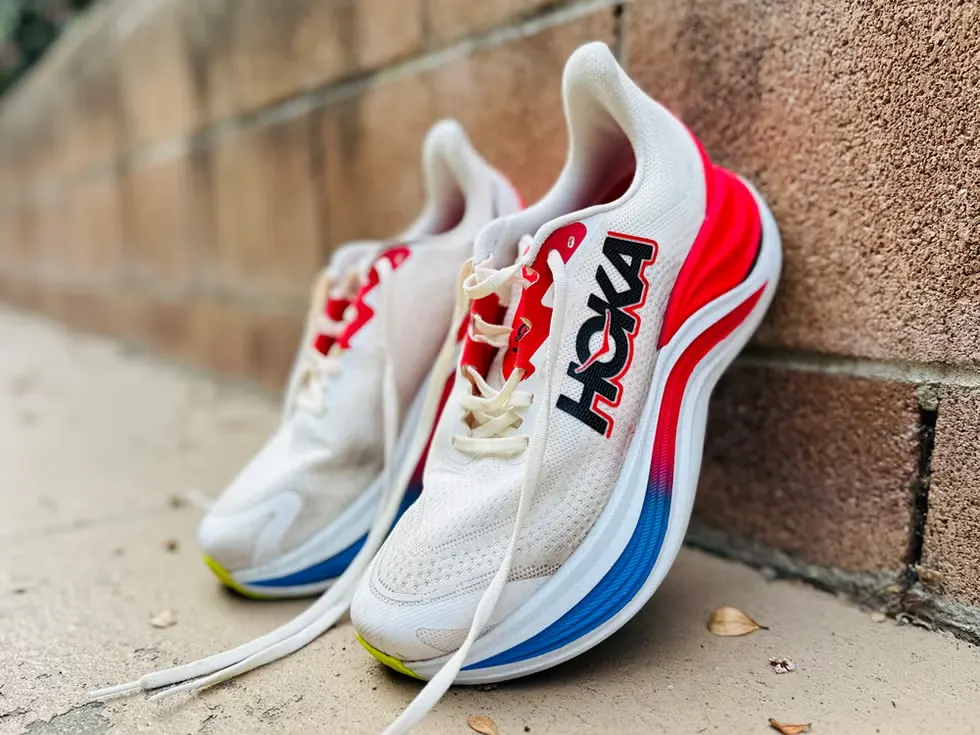
The primary focus is the Hoka Clifton 9, particularly the Gore-Tex (GTX) waterproof version. Reports indicate the soles become unglued and separate from the upper shoe after minimal use—sometimes just a few weeks.
Other Hoka models may also be affected, but the Clifton 9 has generated the most consumer complaints documented in the investigation.
Related article: Adriana Chechik TwitchCon Injury Update: No Lawsuit Filed Despite $1M+ Medical Costs
The Core Allegations Under Investigation
Product Defects: Consumers report that Hoka shoes, designed for durability and comfort, show significant wear such as sole separation after minimal use. Some users report defects appearing within weeks despite paying $150-$170 per pair.
Warranty Program Issues: Peiffer Wolf is investigating allegations that Hoka’s warranty program is ineffective because:
- Customers must pay return shipping to send defective shoes for inspection
- No reimbursement is provided for shipping costs
- Warranty claims are frequently denied even when defects appear shortly after purchase
- The warranty process takes excessive time
Consumer Legal Remedies Act (CLRA) Violations: The investigation explores potential violations of California’s Consumer Legal Remedies Act, which protects consumers from unfair or deceptive business practices.
No Current Settlement Available
It’s crucial to understand: There is no settlement, no claim form, no deadline, and no compensation currently available to Hoka shoe owners as of December 2025. The investigation has been ongoing for over 18 months but has not yet resulted in a filed lawsuit.
If Peiffer Wolf gathers sufficient evidence and files a class action lawsuit, and if that lawsuit eventually settles, only then would affected consumers have an opportunity to file claims for compensation.
High-Profile Warranty Complaints
The Viral TikTok Case (December 2024)
In December 2024, a TikTok video by Gary (@garytheernurse), an ER nurse, went viral after he documented his experience with defective Hoka Clifton 9 GTX shoes. His video received over 77,800 views and sparked widespread discussion about Hoka’s warranty practices.
Gary’s Experience:
- Purchased Hoka Clifton 9 GTX shoes for $160
- After four months, the rubber tread peeled away from the base on both shoes
- Submitted a warranty claim, which Hoka denied
- Only after his video gained traction did Hoka reverse its decision and honor the warranty
His comment section filled with similar complaints from other longtime Hoka customers reporting premature wear, denied warranty claims, and deteriorating product quality.
Consumer Reviews
Hoka maintains a 3.8 out of 5 rating on Trustpilot based on over 11,000 reviews. Many negative reviews focus specifically on durability issues and warranty disputes.
One Trustpilot reviewer described experiencing sole separation on Hoka shoes, writing: “By mid-November, the sole on the left foot shoe began tearing off. I have never had a shoe at this price point that fell apart so soon.”
What Is Hoka’s Official Warranty Policy?
United States Warranty (1 Year)
Hoka offers a one-year manufacturer’s limited warranty for products purchased from hoka.com or authorized retailers in the United States.
What the warranty covers:
- Defective materials and workmanship
- Products less than one year old from purchase date
What the warranty does NOT cover:
- Normal wear and tear
- Accidental damage (pet damage, heat exposure, weather damage, etc.)
- Items that have been washed, altered, or not properly cared for
- Excessive wear
The warranty process:
- Contact customer service with order number and photos showing damage
- Customer service reviews the claim
- If approved, customer must ship the shoes back at their own expense
- Hoka inspects the returned shoes
- If claim is approved after inspection, a refund or replacement is provided
The Shipping Cost Controversy
The requirement that customers pay return shipping costs is a key point in the investigation. For shoes that cost $150-$170, paying $10-$20 in shipping for a warranty claim that may ultimately be denied creates a financial barrier for consumers.
Critics argue this policy discourages legitimate warranty claims and shifts costs onto consumers who purchased defective products.
How to Participate in the Investigation
If you’ve experienced problems with Hoka shoes, you can contact Peiffer Wolf to potentially participate in their investigation.
Eligibility for Investigation Participation
You may qualify if:
- Your Hoka shoes developed defects shortly after purchase (sole separation, premature wear, etc.)
- You experienced problems with Hoka’s warranty process
- You were required to pay return shipping costs
- You can provide proof of purchase
What Documentation You’ll Need
Peiffer Wolf requires proof of purchase showing costs incurred. Acceptable documentation includes:
- Receipt from purchase
- Credit card statement showing the transaction
- Order confirmation email
- Photos of the defective shoes
How to Contact Peiffer Wolf
Visit the Peiffer Wolf website at peifferwolf.com/hoka-defective-shoe-investigation and fill out their online contact form for a free consultation.
Peiffer Wolf typically works on contingency fee arrangements, meaning you wouldn’t owe legal fees unless they recover money for you.
Understanding Your Consumer Rights
California Consumer Legal Remedies Act (CLRA)
The CLRA is a California law that protects consumers from unfair or deceptive business practices. It prohibits businesses from making false representations about products, including:
- Misrepresenting the quality or characteristics of goods
- Advertising goods with intent not to sell them as advertised
- Representing that goods have characteristics they do not have
If Hoka shoes consistently fail prematurely despite being marketed as durable running shoes, this could potentially violate the CLRA.
Implied Warranty of Merchantability
Under the Uniform Commercial Code, products sold in the United States come with an implied warranty of merchantability—meaning they must be fit for their ordinary purpose. Running shoes that fall apart within weeks may breach this warranty.
Breach of Express Warranty
If Hoka made specific promises about shoe durability in marketing materials or product descriptions, and the shoes fail to meet those promises, consumers may have breach of express warranty claims.
Similar Footwear Class Actions
Nike FuelBand Settlement (2015)
Nike agreed to pay $2.4 million to settle claims that its FuelBand fitness tracker didn’t accurately measure calories burned as advertised. Class members received approximately $15-$25 each.
Skechers Toning Shoes Settlement (2012)
Skechers paid $40 million to settle Federal Trade Commission charges that it made unfounded claims that its toning shoes would help people lose weight and strengthen muscles. Consumers received refunds.
New Balance “Made in USA” Settlement (2017)
New Balance paid $2.3 million after allegedly misleading consumers about which shoes were actually manufactured in the United States.
These cases demonstrate that footwear companies can face significant liability for product defects or misleading marketing.
What Should Hoka Owners Do Now?
Document Everything
If you’re experiencing problems with Hoka shoes:
- Take detailed photos of the defects, including close-ups and photos showing the overall condition
- Save your receipt or proof of purchase
- Note the purchase date and how long you’ve used the shoes
- Document your usage (approximate miles, activities, care provided)
- Save all correspondence with Hoka customer service
File a Warranty Claim
Even though many consumers report frustration with Hoka’s warranty process, filing a claim creates a record of your complaint.
Follow Hoka’s warranty process:
- Contact customer service through hoka.com
- Provide order number and photos
- Follow their instructions
Keep records of:
- When you filed the claim
- What information you provided
- Hoka’s response
- Whether the claim was approved or denied
- The reason given for denial
Report to Consumer Protection Agencies
Consider filing complaints with:
Federal Trade Commission (FTC)
- Visit ftc.gov/complaint
- Report deceptive business practices or product defects
Your State Attorney General
- Most state AG offices have consumer protection divisions
- Complaints create a record of problems and may trigger investigations
Better Business Bureau
- File a complaint at bbb.org
- Creates a public record of your experience
Consider Small Claims Court
For individual shoe purchases, small claims court may be an option if Hoka denies your warranty claim. Most states allow claims up to $5,000-$10,000 without requiring an attorney.
However, evaluate whether the time and effort are worth the potential recovery for a single pair of shoes.
What Happens If a Class Action Lawsuit Is Filed?
The Class Action Process
If Peiffer Wolf files a class action lawsuit, here’s what typically happens:
1. Filing and Certification
- Law firm files the lawsuit on behalf of named plaintiffs
- Court must certify the case as a class action
- Class definition is established (who qualifies as a class member)
2. Notice Period
- If certified, class members receive notice by mail or email
- You can opt in, opt out, or do nothing
- If you do nothing, you’re typically included automatically
3. Discovery and Litigation
- Both sides exchange evidence
- Expert witnesses may evaluate product defects
- Process can take 1-3 years or longer
4. Settlement or Trial
- Most class actions settle before trial
- Settlement must be approved by the court
- Class members receive notice of settlement terms
5. Claims Process
- If settlement is approved, a claims administrator manages the process
- Class members submit claims with proof of purchase
- Payments are distributed
Potential Compensation
If a settlement is reached, compensation typically depends on:
- Total settlement fund size
- Number of valid claims filed
- Whether you have proof of purchase
- Whether you filed a warranty claim
- The specific defect you experienced
Similar footwear settlements have resulted in payouts ranging from $15-$50 per pair of shoes, though amounts vary significantly.
UK Antitrust Case (Separate Legal Matter)
It’s important to note that Hoka’s parent company, Deckers, faced a separate legal issue in the United Kingdom. In October 2024, the UK Competition Appeal Tribunal ruled that Deckers engaged in resale price maintenance by restricting how retailers could sell Hoka shoes online.
This UK case involved pricing restrictions and antitrust law—it is completely separate from the US product defect investigation and does not affect US consumers’ rights regarding defective shoes.
Key Takeaways
- No active settlement exists as of December 2025—only an ongoing investigation by Peiffer Wolf law firm that began in June 2024.
- The Clifton 9 is the primary focus, but other models may be affected.
- Main issues under investigation: premature sole separation and an allegedly ineffective warranty program that requires customers to pay return shipping.
- Document everything if you’re experiencing problems with Hoka shoes.
- File a warranty claim with Hoka to create a record, even if you’re skeptical it will be honored.
- Contact Peiffer Wolf if you want to participate in the investigation.
- No compensation is currently available—any potential payout would only occur after a lawsuit is filed and either settles or wins at trial.
- Stay informed by checking Peiffer Wolf’s website and legal news sources for updates.
Frequently Asked Questions
Is there a Hoka class action lawsuit settlement right now?
No. As of December 2025, there is only an investigation that began in June 2024. No class action lawsuit has been filed, and no settlement exists.
How do I file a claim for the Hoka settlement?
You cannot file a claim because no settlement exists. If a lawsuit is filed and later settles, class members would be notified and provided with claim forms at that time.
What Hoka models are affected?
The Clifton 9 (especially the Gore-Tex version) is the primary focus, but the investigation may include other models experiencing similar defects.
How much money can I get from a Hoka settlement?
No settlement exists, so no compensation is available. If a future settlement occurs, payouts would depend on the settlement terms, total fund size, and number of claims filed.
Do I need proof of purchase to participate?
Yes. To participate in the investigation or any future lawsuit, you’ll need proof of purchase such as a receipt, credit card statement, or order confirmation.
What if I already threw away my defective Hoka shoes?
Having the physical shoes strengthens your claim, but documentation (photos, warranty claim records, proof of purchase) may still allow you to participate. Contact Peiffer Wolf to discuss your specific situation.
Will Hoka replace my defective shoes?
Hoka’s one-year warranty may provide a replacement or refund if they determine your shoes have defective materials or workmanship. However, many consumers report having warranty claims denied. You must file a claim through Hoka’s customer service and pay return shipping costs.
Can I still buy Hoka shoes?
Yes. Hoka shoes remain available for purchase. The investigation focuses on specific defects, not a recall. However, consumers should be aware of reported durability issues and warranty problems.
How long do I have to join the investigation?
There’s no specific deadline for contacting Peiffer Wolf about the investigation. However, if a lawsuit is eventually filed and certified as a class action, there will be deadlines for opting in or out and filing claims.
Where can I find official updates about the investigation?
Check Peiffer Wolf’s official website at peifferwolf.com for updates. You can also monitor legal news websites like Law360, Top Class Actions, and ClassAction.org.
How long has the investigation been going on?
Peiffer Wolf announced the investigation in June 2024. As of December 2025, the investigation has been ongoing for approximately 18 months without a filed lawsuit.
Disclaimer
This article provides general information about the ongoing Hoka shoe investigation and is not legal advice. The information reflects the status as of December 2025 and is subject to change. No class action lawsuit has been filed, and no settlement or compensation is currently available. If you have questions about your specific situation, consult with a qualified attorney. This article is not affiliated with Peiffer Wolf, Hoka, Deckers, or any other party involved in the investigation.
About the Author

Sarah Klein, JD, is a licensed attorney and legal content strategist with over 12 years of experience across civil, criminal, family, and regulatory law. At All About Lawyer, she covers a wide range of legal topics — from high-profile lawsuits and courtroom stories to state traffic laws and everyday legal questions — all with a focus on accuracy, clarity, and public understanding.
Her writing blends real legal insight with plain-English explanations, helping readers stay informed and legally aware.
Read more about Sarah