
Gatorade “Hydrates Better Than Water” Class Action Lawsuit, What Walsh v. PepsiCo Claims
A putative class action filed in New York federal court says Gatorade’s “hydrates better than water” label is false for most people who drink it. The lawsuit, Walsh v. PepsiCo, Inc. and The Gatorade Company, also says Gatorade’s “no artificial flavors” and “naturally flavored” labels are misleading because the drinks contain citric acid and sodium citrate.
These are allegations, not findings. No court has ruled on any of them, and there is no settlement, claim form or payout. This article explains what the complaint says, who it covers, and what to expect next.
Gatorade Class Action Lawsuit: Quick Facts
| Detail | Information |
| Case name | Walsh v. PepsiCo, Inc. and The Gatorade Company |
| Court and case number | U.S. District Court, Southern District of New York, No. 7:26-cv-05191 |
| Filed | June 18, 2026 |
| Plaintiff | Michael Walsh of Whittier, California |
| Defendants | PepsiCo, Inc. (Harrison, New York) and The Gatorade Company (Chicago, Illinois) |
| Plaintiff’s counsel | Kaplan Fox & Kilsheimer LLP: Aaron L. Schwartz, Laurence D. King, Matthew B. George, Blair E. Reed and Clarissa R. Olivares |
| Products named | Classic Gatorade, Gatorade Zero, Gatorade Zero Thirst Quencher Powder, and Lower Sugar Gatorade |
| Proposed class period | March 1, 2026 to the date of judgment |
| Status | Pending. No class has been certified, and no ruling or settlement has been reported. |
Update Log
| Date | Update |
| October 6, 2026 | Article published. Truth in Advertising’s tracker lists the case as pending. We found no ruling or settlement. |
What Does the Walsh v. PepsiCo Lawsuit Allege?
The complaint raises two main claims against the labels on four Gatorade products.
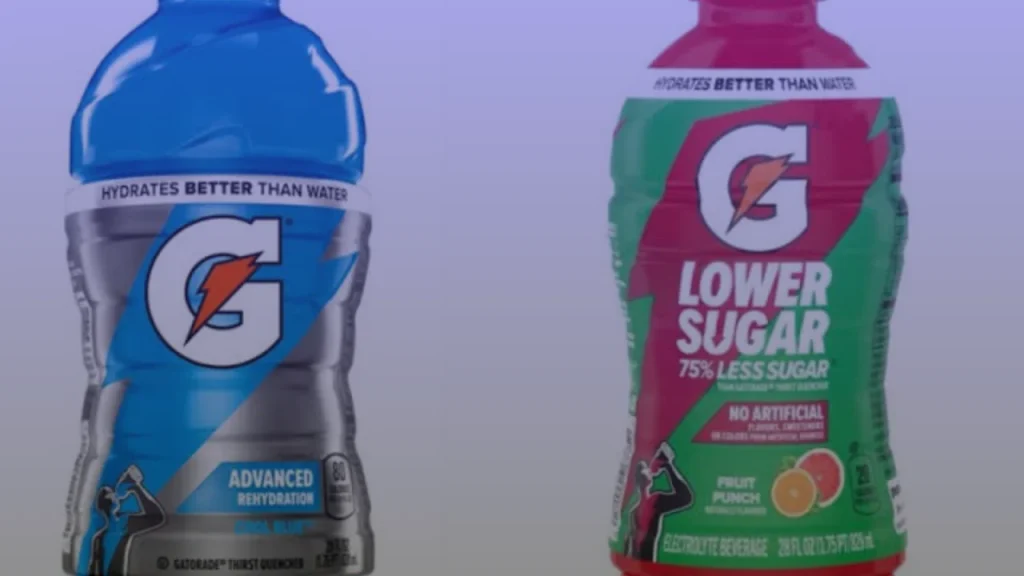
1. “Hydrates Better Than Water.” The complaint says all four products carry this claim on the front of the package. It argues the claim is false for most consumers because Gatorade’s advantage over water applies only when a person is sweating, since Gatorade replaces electrolytes, sodium and carbohydrates lost through sweat. For people who aren’t sweating, the complaint says the drinks provide no extra hydration and add sugar. It points to the added sugar in Classic Gatorade, which it puts at 69% of a person’s daily intake per bottle.
The complaint also relies on Gatorade’s own article titled “How Gatorade Works & Why It Can Hydrate Better Than Water.” The plaintiff says that article ties the benefit to exercise and states that the goal is not to replace water.
2. “No artificial flavors” and “naturally flavored.” The complaint says Lower Sugar Gatorade is marketed as having no artificial flavors, sweeteners or colors, and that the powder sticks claim no added colors or artificial flavors. Classic Gatorade and Gatorade Zero are labeled “naturally flavored with other natural flavors.” The plaintiff says each product contains citric acid and sodium citrate, which he calls artificial flavorings. According to the complaint, about 99% of the world’s citric acid is made through fermentation using the mold Aspergillus niger, and sodium citrate is made from citric acid.
The plaintiff says he bought Lower Sugar Gatorade several times. His most recent purchase, according to the complaint, was two bottles at a Target in Pico Rivera, California on June 3, 2026, at $1.69 each. He says he paid a price premium because of the labels and would not have bought the drinks, or would have paid less, had he known the alleged truth.
What Claims and Relief Does the Gatorade Lawsuit Seek?
The complaint brings five counts:
- New York General Business Law § 349 (deceptive acts and practices)
- New York General Business Law § 350 (false advertising)
- California’s Unfair Competition Law
- California’s False Advertising Law
- California’s Consumers Legal Remedies Act
The plaintiff asks the Court to certify the class and declare that the conduct is unlawful. He also seeks damages, an order stopping the challenged practices, restitution, interest, and attorneys’ fees and costs, and he demands a jury trial. On the California Consumers Legal Remedies Act claim, he says he sent a notice letter to the defendants and plans to amend the complaint after the 30-day notice period to add requests for restitution and disgorgement.
Related article: Florida AG Sues Pfizer Over COVID Vaccine Safety Claims, State Seeks $10,000 Per Violation and Return of Profits
Who Is in the Proposed Gatorade Class?
The complaint proposes two groups:
- Nationwide Class: All persons in the United States who purchased any of the four products from March 1, 2026 through the date of judgment or until the alleged conduct stops.
- California Subclass: All persons in California who purchased any of the products during that period.
Defendants, their agents and employees, the judge and the judge’s family, and resellers are excluded. These are only proposed definitions. A judge hasn’t certified any class, and you don’t have to do anything right now to be included if one is ever certified.
What Else Is Happening in the Gatorade “Hydrates Better Than Water” Litigation?
Walsh is not the only case. A second putative class action, Leam v. PepsiCo, Inc. and The Gatorade Company, No. 1:26-cv-04258, was filed in the same court on May 21, 2026. According to Courthouse News Service, the plaintiffs are from Illinois, North Carolina, Pennsylvania and California, and Yagman PLLC represents them. Its complaint focuses on Classic Gatorade and the reduced-sugar version. It likewise challenges the “hydrates better than water” and “no artificial” labeling. Courthouse News reported that PepsiCo did not respond to a request for comment.
Truth in Advertising’s tracker listed both cases as pending when we checked. We could not confirm whether the cases have been consolidated or whether the defendants have filed a response, so check the docket for current developments.
What Happens Next in the Walsh v. PepsiCo Case?
In a typical consumer class action, the defendants first respond to the complaint, often with a motion to dismiss. If any claims survive, the parties move into discovery, and the plaintiff later asks the Court to certify a class. Cases like this can end in dismissal, a settlement or a trial, and they can take years. A settlement would require court approval and a notice to class members, and that notice is where a claim form would first appear.
For context on how consumer class actions end, see our coverage of the AT&T Lawsuit 2025, $177M Settlement Deadline December 18 – Claim Up to $7.5K Now.
Gatorade Class Action Lawsuit FAQ
Can I join the Gatorade “hydrates better than water” class action?
There is nothing to sign up for right now. The case is at an early stage and no class has been certified. If a class is certified or the case settles, the Court would require notice to class members.
Is there a Gatorade class action settlement or claim form?
No. We found no settlement in Walsh v. PepsiCo or the related Leam case. Any website offering a claim form for these cases at this stage deserves caution.
Which Gatorade products does the Walsh lawsuit cover?
Classic Gatorade, Gatorade Zero, Gatorade Zero Thirst Quencher Powder, and Lower Sugar Gatorade, according to the complaint.
Does Gatorade really hydrate better than water?
That is the disputed question, and the Court has not decided it. The complaint argues the benefit applies mainly to people who are sweating. Gatorade’s own website article describes how its drinks replace what sweat takes out. If you have questions about hydration for your own health or activity level, speak with a healthcare provider.
Is Walsh v. PepsiCo the same as the Leam lawsuit?
No. They are separate lawsuits filed by different plaintiffs and different law firms, though both challenge similar claims on Gatorade labels.
Should I keep my Gatorade receipts?
It’s a reasonable step. If a settlement is reached, some settlements ask for proof of purchase for larger payments, though many accept a sworn statement instead. This case has no settlement, so no requirement exists today.
Sources
- Class Action Complaint, Walsh v. PepsiCo, Inc. and The Gatorade Company, No. 7:26-cv-05191 (S.D.N.Y. filed June 18, 2026), Dkt. 1
- Class Action Complaint, Leam v. PepsiCo, Inc. and The Gatorade Company, No. 1:26-cv-04258 (S.D.N.Y. filed May 21, 2026), Dkt. 1
- Courthouse News Service, “Gatorade’s thirst-quenching claims challenged in class action,” May 22, 2026
- Truth in Advertising (TINA.org), Class-Action Tracker entry for Various Gatorade Products, and “Does Gatorade ‘Hydrate Better than Water’?”, July 16, 2026
Researched and written by Israr Ahmad, legal content researcher and founder of AllAboutLawyer.com. All facts verified against the class action complaint in Walsh v. PepsiCo (Dkt. 1, filed June 18, 2026), the complaint in the related Leam v. PepsiCo case (filed May 21, 2026), Courthouse News Service’s May 22, 2026 report, and Truth in Advertising’s class action tracker (last updated September 29, 2026), as of October 6, 2026. Last Updated: October 6, 2026.
This article is for informational purposes only and does not constitute legal or medical advice. Laws vary by state and individual circumstances differ. For advice about your specific situation, consult a qualified attorney or healthcare provider.
About the Author
Israr Ahmad is a legal content researcher with 4+ years of experience covering class action settlements and consumer rights cases. He has researched and published coverage of 2,500+ settlements using verified court records, settlement administrator filings, and government sources. Learn more about Israr.