
Eli Lilly, Novo Nordisk and Optum RICO Lawsuit 2026, What the November 19 Case Involves
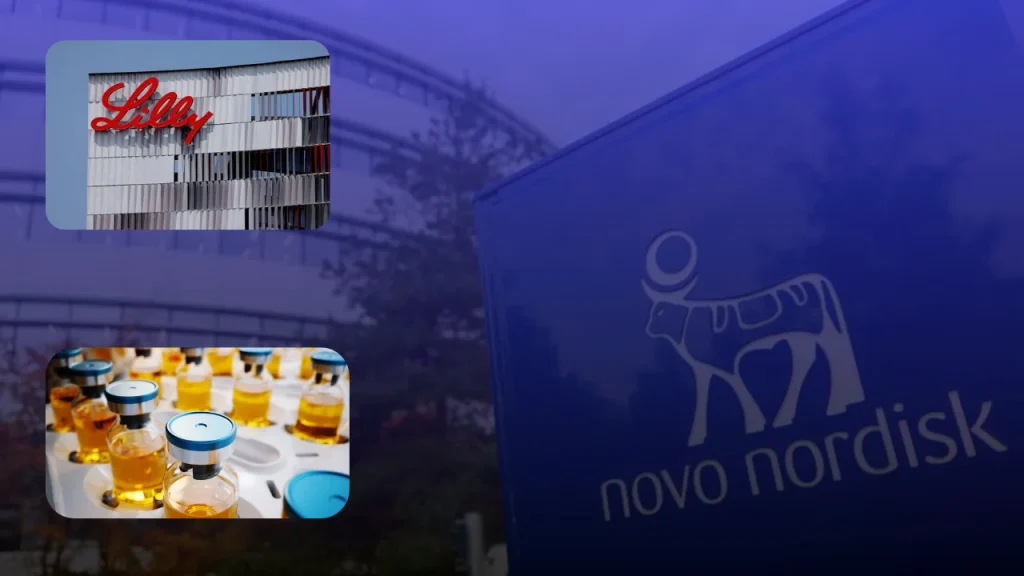
There is no settlement, claim form, patient payout or certified class in this case. On November 19, 2026, the Operating Engineers Local 139 Health Benefit Fund, a union health plan, filed Operating Engineers Local 139 Health Benefit Fund v. Eli Lilly and Company et al., Case No. 2:26-cv-14933, in the District of New Jersey. The defendants include drugmakers Eli Lilly, Novo Nordisk and Sanofi, plus OptumRx and other Optum and UnitedHealth Group entities. The docket classifies the case under the Racketeer Influenced and Corrupt Organizations Act (RICO).
This is a civil lawsuit. It is not a criminal prosecution, no court has found any defendant liable, and every allegation in it is unproven. The complaint itself was not retrievable for this article, so the specific accusations are not described here.
What the public record does show is the context. The District of New Jersey also oversees In re: Insulin Pricing Litigation, MDL No. 3080, which involves the same manufacturers and Optum-related entities. Below is what is confirmed, how civil RICO works, and what it means, and does not mean, for plan members and patients.
Eli Lilly, Novo Nordisk and Optum Lawsuit: Quick Facts
| Question | Verified information |
| Case | Operating Engineers Local 139 Health Benefit Fund v. Eli Lilly and Company et al. |
| Case number | 2:26-cv-14933 |
| Filed | November 19, 2026 |
| Court | U.S. District Court, District of New Jersey |
| Judges | District Judge Brian R. Martinotti; Magistrate Judge Leda D. Wettre |
| Plaintiff | Operating Engineers Local 139 Health Benefit Fund |
| Manufacturer defendants | Eli Lilly and Company, Novo Nordisk Inc., Sanofi-Aventis U.S. LLC |
| Other defendants | OptumRx entities, other Optum entities, Emisar Pharma Services LLC, UnitedHealth Group Inc. |
| Docket classification | Racketeer Influenced and Corrupt Organizations (RICO) |
| Type of case | Civil federal action |
| Related litigation | In re: Insulin Pricing Litigation, MDL No. 3080 (formal assignment to be confirmed) |
| Certified class | None |
| Settlement or claim form | None |
| Liability established | No |
Court record: Operating Engineers Local 139 Health Benefit Fund v. Eli Lilly and Company, No. 2:26-cv-14933
Who Are the Defendants in the Local 139 Lawsuit Against Eli Lilly, Novo Nordisk and Optum?
The public docket lists nine defendant entities.
| Defendant | Role |
| Eli Lilly and Company | Pharmaceutical manufacturer |
| Novo Nordisk Inc. | Pharmaceutical manufacturer |
| Sanofi-Aventis U.S. LLC | Pharmaceutical manufacturer |
| OptumRx Inc. | Pharmacy benefit manager (PBM) |
| OptumRx Holdings LLC | Optum corporate entity |
| Optum Inc. | UnitedHealth Group healthcare services business |
| OptumInsight Inc. | Optum technology and services entity |
| Emisar Pharma Services LLC | Rebate aggregation and purchasing-related entity |
| UnitedHealth Group Inc. | Parent company associated with Optum |
Each company is a separate legal entity with its own potential obligations. Naming affiliated companies together does not establish that all of them took part in the same conduct or owe the same damages.
Who Is Operating Engineers Local 139 Health Benefit Fund?
The plaintiff is a self-funded union health benefit plan. Self-funded means it pays covered medical and prescription costs from employer contributions and plan assets, rather than buying insurance that carries the risk for it. Prescription spending therefore hits the fund’s own finances directly.
One detail matters for accuracy. The fund’s published 2026 benefits guide lists CVS Caremark as a prescription benefits contact. OptumRx being a defendant does not establish that Local 139 contracted with OptumRx. How the fund relates to each defendant is a fact question for the complaint and the evidence. The fund’s participation in other, unrelated benefit litigation should also not be confused with this filing.
Related article: Claude Face Scan Lawsuit 2026 Why Anthropic Faces Illinois Biometric Privacy Allegations
Is the Local 139 Lawsuit Part of Insulin Pricing MDL No. 3080?
It shares the same court, subject-matter context and many of the same defendants, but the connection should be stated carefully.
The District of New Jersey is coordinating In re: Insulin Pricing Litigation, MDL No. 2:23-md-03080, over disputes involving insulin manufacturers, PBMs and alleged pricing practices. The court’s August 27, 2026 case management order names Eli Lilly, Novo Nordisk and Sanofi as manufacturer defendants and separately identifies OptumRx-related entities. The court’s filing instructions tell lawyers to use the RICO classification for directly filed member cases, and other cases filed on November 19 and 20 were docketed as new MDL 3080 member cases.
The retrieved Local 139 docket, however, does not display a specific MDL member-case designation. And a RICO docket code alone does not tell us which drugs, rebates or legal counts the fund pleaded. This article therefore does not say the complaint is about insulin.
What Is Multidistrict Litigation?
Under 28 U.S.C. § 1407, related federal cases can be coordinated before one court for pretrial work such as shared discovery. An MDL is not a class action. Plaintiffs keep their own claims and may seek different remedies, and many related cases do not mean the court has approved a national settlement.
Court resources: District of New Jersey, Insulin Pricing Litigation page.
How Does Civil RICO Work in Health Plan Lawsuits Like the Local 139 Case?
RICO is best known for organized crime prosecutions, but 18 U.S.C. § 1964(c) also lets a person injured in their business or property by a RICO violation sue in federal court.
A plaintiff generally has to plead and prove:
- An enterprise within RICO’s meaning.
- Conduct that violates a provision of 18 U.S.C. § 1962.
- A pattern of racketeering activity, often built on mail fraud (18 U.S.C. § 1341) or wire fraud (18 U.S.C. § 1343).
- A distinction between the defendant “person” and the “enterprise” where § 1962(c) is used.
- Injury to business or property, with proximate causation tying the alleged acts directly to that injury.
Fraud-based RICO claims must also meet the heightened pleading standard of Federal Rule of Civil Procedure 9(b). A fight over high prices, rebates or commercial contracts does not by itself establish a RICO violation.
Does RICO Allow Triple Damages?
Under § 1964(c), a plaintiff who proves a qualifying injury can recover three times its damages plus costs and reasonable attorney fees. For example, proven qualifying losses of $1 million could support a $3 million award. That is a legal illustration, not a loss or demand reported in the Local 139 complaint. Whether the fund asks for these remedies has to be confirmed from the pleading.
Has Anyone Been Criminally Charged?
No. A RICO label on a civil docket does not mean an indictment, conviction or racketeering finding against any defendant.
What Is the Broader Controversy Over Rebates, PBMs and Drug Prices?
Manufacturers set list prices. PBMs administer prescription coverage for insurers, employers and health plans, negotiate rebates, build formularies (the lists of covered drugs) and set pharmacy reimbursement. Rebates can lawfully lower a plan’s net costs. The Federal Trade Commission has alleged, though, that some rebate arrangements gave PBMs reasons to favor high-list-price, highly rebated insulin over cheaper alternatives.
How List Price and Net Price Can Affect What a Patient Pays
This is a simplified example, not figures from Local 139’s complaint.
| Pricing component | Hypothetical amount |
| Manufacturer list price | $300 |
| Rebate negotiated with the PBM | $150 |
| Net price after rebate | $150 |
| Patient 20% coinsurance on list price | $60 |
| Patient 20% coinsurance if based on net price | $30 |
When cost-sharing is calculated on the pre-rebate price, a patient can pay more even though the plan or PBM later receives a discount. Actual effects depend on each contract, formulary and benefit design, and the existence of this dispute does not mean every rebate agreement was illegal.
What Did the FTC Allege About Insulin Pricing?
In September 2024 the FTC filed an administrative complaint against the three largest PBMs and their rebate entities: CVS Caremark and Zinc Health Services, Express Scripts and Ascent Health Services, and OptumRx and Emisar Pharma Services. It alleged that they favored high-list-price insulin and disadvantaged lower-list-price options. The FTC also reported that Eli Lilly’s Humalog list price rose from about $21 in 1999 to more than $274 in 2017.
Those figures describe historical price trends. They are not damages in the Local 139 case, and the FTC proceeding is a separate matter in which the drugmakers were not respondents. Source: FTC, Prescription Drug Middlemen and Insulin Prices.
What Is Confirmed and What Is Still Unknown in the Eli Lilly and Optum Lawsuit?
| Status | Details |
| Confirmed from the docket | The fund filed a civil complaint on November 19, 2026; the nine defendants; the RICO classification; the judges; a jury demand |
| Established in other insulin-pricing proceedings | FTC and other plaintiffs have challenged rebate incentives, formulary practices and the gap between list and net prices |
| Not verified for Local 139’s complaint | Which drugs, rebates, agreements, time periods and defendants’ conduct are alleged; the exact legal counts; the damages sought; whether any class is proposed |
Allegations made by other plaintiffs or by the FTC should not be attributed to Local 139. The defendants can contest the claims and raise their own defenses, and no court has ruled on them.
Have Other Insulin Pricing Cases Settled?
Some regulatory proceedings have reached agreements, but they are legally separate from this civil case.
- Express Scripts, February 2026. On February 4, 2026, the FTC announced an agreement with Express Scripts and affiliates that includes changes aimed at pricing transparency and weaker incentives tied to high list prices. The FTC’s savings estimates are projections, not payments to every insulin user.
- CVS Caremark, July 2026. On July 14, 2026, the FTC announced a proposed consent agreement with Caremark and Zinc Health Services covering rebate practices, compensation and transparency. See CVS Caremark Settles FTC Insulin Lawsuit, CVS Got Paid More When Insulin Cost More. The FTC Is Forcing That to Stop..
- OptumRx, June 2026. The FTC withdrew its case against the Optum respondents from active adjudication to consider a proposed consent agreement. That is a procedural step, not a final settlement or a finding of wrongdoing.
A deal resolving federal regulatory charges does not automatically resolve private lawsuits by health plans.
Can Local 139 Members or Insulin Patients Get Money From This Lawsuit?
No payment program exists. The fund, not its members, is the plaintiff, and members do not become plaintiffs just because they receive benefits through it. Any recovery by a fund would depend on a judgment or settlement, the fund’s governing documents and the law, and it would not automatically be split into checks for individuals.
| Reader question | Current answer |
| Can patients file a settlement claim? | No claim process announced |
| Is there a payout amount? | No |
| Is a consumer class certified? | No |
| Are Local 139 members automatically owed money? | No |
| Will insulin or drug prices drop because of this filing? | No |
| Is there a claims deadline? | None |
Because the plaintiff is a benefit plan, ERISA rules governing plan administration may also come into play, but claims against outside manufacturers and vendors depend on the specific counts pleaded. Local 139 members with questions about their own benefits can call the fund at 800-242-7018. Do not pay any website promising an instant payout from this case.
For a separate union-fund case against a PBM, see CVS Caremark Promised to Lower Your Drug Costs. A New Lawsuit Says It Was Secretly Taking Kickbacks Instead. It involves different parties and potential class definitions.
What Can Patients Do if Prescription Costs Are Too High?
The filing does not change anyone’s current benefits. If drug costs are a problem, you can do the following:
- Check the formulary. Find out whether your drug is preferred, non-preferred or needs prior authorization.
- Identify how you are charged. Ask whether you owe a flat copayment, coinsurance or an amount applied to your deductible.
- Ask about lower-cost options. Ask the plan whether a cheaper covered version exists, and talk with your prescriber before switching anything.
- Appeal denials. If a prescribed drug is not covered, ask about the exception and appeal process.
- Keep records. Save receipts, explanations of benefits and written coverage decisions.
- Report suspected unfair practices to the FTC at ReportFraud.ftc.gov.
Do not stop or change any prescribed medication because of this litigation.
What Happens Next in Operating Engineers Local 139 v. Eli Lilly?
The defendants will respond under the court’s procedural rules, likely with motions to dismiss that test whether the RICO claims are pleaded adequately. Questions to watch include whether the complaint satisfies Rule 9(b), whether it identifies a distinct enterprise, whether the fund’s alleged losses are directly traceable to specific defendants’ conduct, and whether any time-bar defenses apply. If the case proceeds within MDL 3080, coordinated case management orders may govern discovery. No trial date, damages award or settlement has been set. If a class were ever proposed and certified, opt-out and objection rights would arise at that stage, and none exist now.
Eli Lilly, Novo Nordisk and Optum RICO Lawsuit FAQ
Why did Operating Engineers Local 139 sue Eli Lilly and Novo Nordisk?
The fund filed a civil complaint on November 19, 2026 naming them in a case classified under RICO. The specific claims and alleged losses need to be confirmed from the full complaint.
Is OptumRx being sued?
Yes. OptumRx and several other Optum and UnitedHealth-related entities are named as defendants.
Is Sanofi a defendant?
Yes. Sanofi-Aventis U.S. LLC is named alongside Eli Lilly and Novo Nordisk.
Is this lawsuit about insulin, Ozempic, Mounjaro or Zepbound?
The specific drugs in the complaint are not verified. The defendants and court connect it to the broader insulin-pricing litigation, but it should not be confused with lawsuits over GLP-1 injuries or weight-loss drug coverage.
Is this a criminal racketeering case?
No. It is a civil lawsuit, and the RICO classification does not mean anyone has been criminally charged or convicted.
Will patients receive a settlement check?
No settlement or patient payment process has been announced.
Where can I follow the case?
Search case number 2:26-cv-14933 on PACER or the District of New Jersey’s case index.
What the Eli Lilly, Novo Nordisk and Optum RICO Lawsuit Means Right Now
This filing adds a union health plan to the legal fights over how drugmakers, PBMs and health plans price and pay for prescriptions. What it has established so far is small: a complaint, nine defendants and a RICO classification. Liability, a class, damages and any patient payment program are all unestablished. The most useful thing for readers is to separate this case from the FTC proceedings and other insulin lawsuits, and to wait for the actual complaint before treating any accusation as part of it.
Researched and written by Israr Ahmad, legal content researcher and founder of AllAboutLawyer.com. All facts verified against the federal docket in No. 2:26-cv-14933, the District of New Jersey’s MDL 3080 materials, FTC press releases, the Local 139 Health Benefit Fund’s 2026 benefits guide, 18 U.S.C. §§ 1962 and 1964, and 28 U.S.C. § 1407, as of November 23, 2026. Last Updated: November 23, 2026.
This article is for informational purposes only and does not constitute legal advice or medical advice. Laws vary by state and individual circumstances differ. For advice about your specific situation, consult a qualified attorney or healthcare provider.
Primary Sources
- Operating Engineers Local 139 Health Benefit Fund v. Eli Lilly and Company, No. 2:26-cv-14933, federal docket
- District of New Jersey, Insulin Pricing Litigation, MDL No. 3080
- District of New Jersey, MDL 3080 case-opening instructions
- District of New Jersey, August 27, 2026 Amended Case Management Order
- Operating Engineers Local 139 Health Benefit Fund, 2026 Summary of Benefits
- FTC, September 2024 insulin pricing complaint announcement
- FTC, February 2026 Express Scripts settlement
- FTC, July 2026 Caremark settlement
- FTC, insulin PBM proceedings and documents
- 18 U.S.C. § 1962
- 18 U.S.C. § 1964
- 28 U.S.C. § 1407
About the Author
Israr Ahmad is a legal content researcher with 4+ years of experience covering class action settlements and consumer rights cases. He has researched and published coverage of 2,500+ settlements using verified court records, settlement administrator filings, and government sources. Learn more about Israr.