
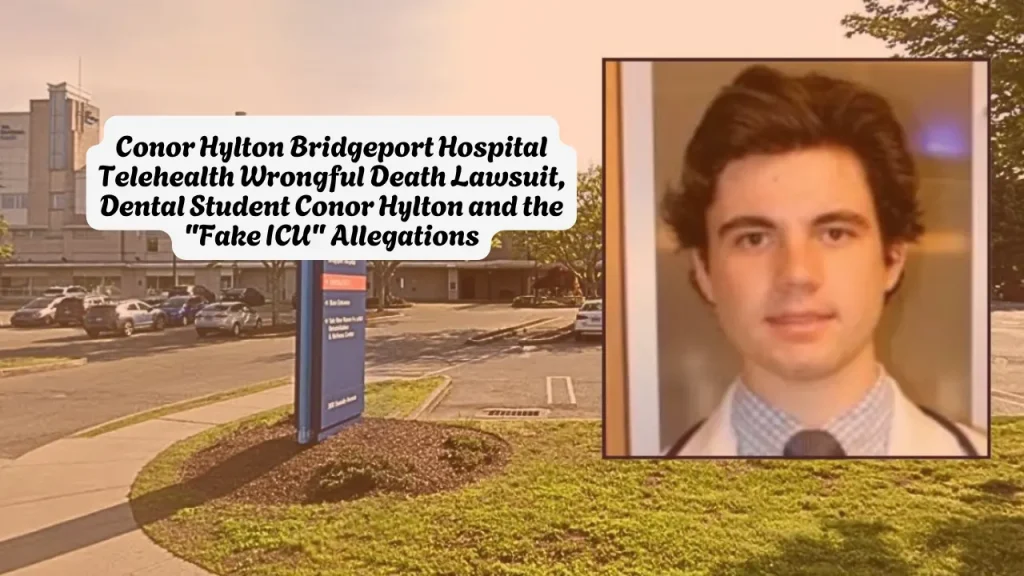
Conor Hylton Bridgeport Hospital Telehealth Wrongful Death Lawsuit, Dental Student Conor Hylton and the “Fake ICU” Allegations
A high-profile wrongful death lawsuit was filed in March 2026 by the parents of Conor Hylton, a 26-year-old University of Connecticut dental student who died while in the Intensive Care Unit (ICU) at Bridgeport Hospital in August 2024. The lawsuit against Yale New Haven Health and Northeast Medical Group alleges that the hospital operated what attorneys call a “fake ICU,” where no qualified physicians were physically present overnight. Instead, Hylton’s care was managed by a remote “tele-health” physician who reportedly declared him dead through a video screen after a series of critical bedside delays.
Quick Facts
| Field | Detail |
| Plaintiff | Drs. William and Betsy Hylton (Parents) |
| Defendants | Yale New Haven Health, Bridgeport Hospital, Northeast Medical Group |
| Victim | Conor Hylton, 26 (Dental Student) |
| Date of Death | August 15, 2024 |
| Lawsuit Filing | March 2026 |
| Core Allegation | Negligent “Tele-ICU” staffing and delayed emergency response |
| Primary Physician | Dr. Frances Demur (Remote/Offsite) |
Current Status & What Happens Next
- Litigation Phase: The lawsuit is currently active in the Connecticut court system as of April 2026. The Hylton family is seeking unspecified compensatory and punitive damages.
- Health Department Findings: A July 2025 investigation by the Connecticut Department of Public Health already confirmed several failures, including a 10-minute delay in intubation because the person summoned to the ICU could not find the unit.
- Hospital Response: Yale New Haven Health has expressed condolences to the family but has generally defended its use of telehealth technologies as a supplement to bedside nursing.
Timeline of the Tragedy
According to court filings and the 2025 state investigation:
- August 14, 2024: Conor Hylton was admitted to the Bridgeport Hospital Emergency Department with abdominal pain, later diagnosed as pancreatitis, dehydration, and metabolic acidosis.
- Transfer to ICU: As his condition became unstable, he was moved to the ICU. His parents allege they were never notified of this transfer or the severity of his decline.
- The Overnight Shift: Between midnight and 6:00 a.m. on August 15, Hylton became agitated and showed seizure-like activity. The attending physician, Dr. Frances Demur, was monitoring him via a video conference app from an offsite location.
- The Crisis: When Hylton’s heart rate slowed and he became unresponsive, bedside staff struggled to coordinate an emergency response.
- The Death: At 6:09 a.m., after a delayed intubation attempt, Hylton was pronounced dead by the remote physician via a video screen.
Related article: $525k Blackstone Valley Community Health Care Data Breach Settlement, Are You Eligible to Claim Before June 1, 2026?
The “Fake ICU” Allegations
The lawsuit centers on the claim that Bridgeport Hospital misrepresented the level of care provided in its ICU.
- Lack of Physical Presence: The Hyltons argue that a “Level 1” ICU should have an intensivist onsite 24/7. They claim that had they known the “attending physician” was actually miles away behind a computer screen, they would have transferred Conor to a different facility.
- Communication Breakdown: The suit alleges that the “tele-link” made it impossible for nurses to effectively communicate the visual urgency of Conor’s seizures and physical distress to the remote doctor.
- Policy Violation: Attorneys point to the hospital’s own internal policies, which reportedly require an onsite physician to be the one attending to patients in critical condition.
Key Milestones & 2026 Deadlines
| Milestone | Date |
| Death of Conor Hylton | August 15, 2024 |
| State DPH Investigation Released | July 2025 |
| Wrongful Death Lawsuit Filed | March 17, 2026 |
| Discovery/Deposition Phase | Ongoing (April 2026) |
| Expected Trial Window | 2027 |
Frequently Asked Questions
Who was Conor Hylton?
Conor was a promising third-year dental student at the University of Connecticut, following in the footsteps of his parents, who are both dentists. He is survived by his parents, two brothers, and his fiancé.
What is a “Tele-ICU”?
A Tele-ICU (or electronic ICU) uses cameras and high-speed data lines to allow a remote doctor to monitor multiple patients across different hospitals. While intended to provide an extra layer of expert oversight, this lawsuit argues it was used as a “replacement” for necessary onsite staffing.
Was the intubation really delayed?
Yes. The state investigation confirmed a 10-minute delay because the medical professional called to perform the emergency intubation was unfamiliar with the hospital’s layout and could not locate the ICU without assistance.
What are the parents’ main goals?
Beyond financial damages, the Hyltons have stated they want to expose a “culture of inattentiveness” and ensure that other families are informed when their “ICU care” is actually being handled by remote physicians.
“Missing Pillars” of Legal Reporting
- Discovery Insights: Early discovery suggests that bedside nurses may have expressed concern about the remote doctor’s inability to see “subtle physical cues” of Hylton’s neurological decline through the camera’s fixed angle.
- Bellwether Context: This case is considered a “bellwether” for the telehealth industry. It will determine the legal liability of hospitals that use remote doctors to “cover” shifts during physician shortages.
- Objector Status: Yale New Haven Health has objected to the term “Fake ICU,” arguing that the standard of care does not strictly require an intensivist to be physically at the bedside at all times if a qualified rapid response team is present.
- Tax Implications: Wrongful death settlements in Connecticut are generally not taxable as income, though any portion of the award designated for “punitive damages” may be subject to federal tax.
- Attorney Fee Breakdown: The Hyltons’ legal team is likely working on a 33–40% contingency fee, which is standard for complex medical malpractice litigation involving high-cost expert witnesses.
Last Updated: April 7, 2026
Disclaimer: This article is for informational purposes only and does not constitute legal advice. Legal claims and outcomes depend on specific facts and applicable law. For advice regarding a particular situation, consult a qualified attorney.
About the Author

Sarah Klein, JD, is a licensed attorney and legal content strategist with over 12 years of experience across civil, criminal, family, and regulatory law. At All About Lawyer, she covers a wide range of legal topics — from high-profile lawsuits and courtroom stories to state traffic laws and everyday legal questions — all with a focus on accuracy, clarity, and public understanding.
Her writing blends real legal insight with plain-English explanations, helping readers stay informed and legally aware.
Read more about Sarah