
Arm & Hammer and Native Deodorant Lawsuits, Were You Affected? — Glickman v. Church & Dwight, No. 2:26-cv-04936
If you bought a deodorant labeled “unscented” specifically because you didn’t want fragrance touching your skin — you weren’t being paranoid. Two new class action lawsuits, Glickman v. Church & Dwight Co. Inc., No. 2:26-cv-04936, and Chiaravalloti v. The Procter & Gamble Company, No. 1:26-cv-06902, claim Arm & Hammer and Native deodorants marketed as “unscented” actually contain fragrance chemicals nowhere on the front label. Here’s what that means for you.
Arm & Hammer / Native Unscented Deodorant — Key Facts
| Category | Details |
| Lawsuit Filed | Aug. 12, 2026 (both cases) |
| Defendants | Church & Dwight Co. Inc. (Arm & Hammer); The Procter & Gamble Company (Native) |
| Alleged Harm | “Unscented” deodorants allegedly contain undisclosed fragrance ingredients |
| Law Alleged | UNVERIFIED — full complaints not available on public docket search; suits allege false advertising / consumer protection violations, a claim type typically brought under statutes like New York General Business Law §§ 349 and 350 |
| Who Is Affected | Buyers of Arm & Hammer Essentials Unscented Deodorant, Arm & Hammer UltraMax Unscented Antiperspirant and Deodorant, and Native Unscented Deodorant |
| Court & Case Number | Glickman: E.D.N.Y., No. 2:26-cv-04936; Chiaravalloti: S.D.N.Y., No. 1:26-cv-06902 |
| Current Stage | Complaints filed, no rulings yet |
| Lead Plaintiff Deadline | UNVERIFIED — not stated in available reporting |
| Settlement Status | No settlement — active lawsuits only |
| Last Updated | September 7, 2026 |
Who Are Church & Dwight and Procter & Gamble, and Why Are They Being Sued for Mislabeling Deodorant?
Church & Dwight owns the Arm & Hammer brand and sells its Essentials and UltraMax lines as chemical-free alternatives for people with sensitive skin. Procter & Gamble owns Native, a brand built almost entirely on a “clean,” ingredient-transparency pitch. Both companies put “unscented” front and center on packaging aimed at the exact shoppers most likely to read an ingredient list — which is what makes the alleged omission land differently than a typical labeling dispute.
What Did Arm & Hammer and Native Do to Buyers?
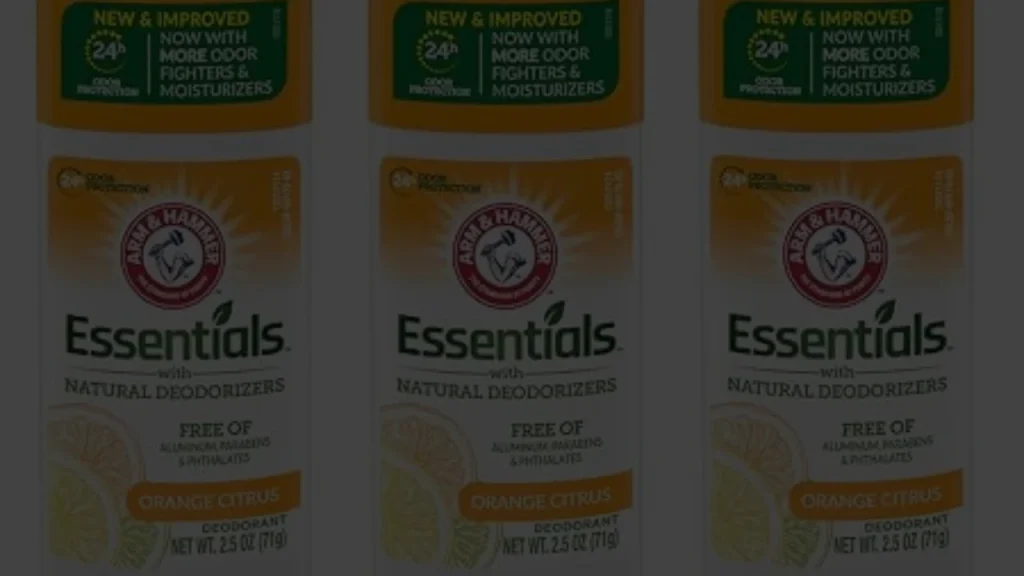
According to the Glickman lawsuit, Arm & Hammer Essentials Unscented Deodorant and Arm & Hammer UltraMax Unscented Antiperspirant and Deodorant contain Ethylene brassylate, a synthetic fragrance ingredient not disclosed on the front label. The Chiaravalloti lawsuit makes a similar claim against Native Unscented Deodorant, alleging it contains Zingiber officinale — ginger root extract — another fragrance-function ingredient the front label doesn’t mention.
This isn’t a new legal theory. AllAboutLawyer.com has already covered a similar case against Dove’s “alcohol-free” deodorant labeling, where a front-label claim allegedly didn’t match what the ingredient list actually said. A 2014 class action lawsuit against Church & Dwight, P&G, and other deodorant makers argued nearly the same thing about “unscented” labeling: that it led buyers to expect zero fragrance, not just zero detectable smell. What’s different here is the specificity. These two complaints don’t just say “there’s fragrance in there somewhere” — they name the exact compound in each product. That’s the kind of detail that turns a vague labeling gripe into something a judge can actually evaluate.
If a manufacturer’s own ingredient list contradicts its own front-label claim, that’s not a marketing opinion — it’s a factual question a jury can answer.
Are You Part of the Arm & Hammer or Native Deodorant Lawsuit?
Here’s exactly how to know if either case includes you.
- Anyone who bought Arm & Hammer Essentials Unscented Deodorant or Arm & Hammer UltraMax Unscented Antiperspirant and Deodorant
- Shoppers who purchased Native Unscented Deodorant specifically because it was marketed as fragrance-free
- People who avoided scented personal care products due to skin sensitivity and relied on the “unscented” label
- Buyers who never opened the product or checked the full ingredient panel before use likely still qualify — reliance on the front label is the point of the claim
You likely do not qualify if you bought a scented version of these products, or if you bought them from a third-party reseller outside the manufacturer’s own retail channels — that detail hasn’t been addressed in either complaint and remains unclear.
Related article: Mesothelioma Lawsuits in 2026, Verdicts, Settlements, and the J&J Talc Fight, What’s Changed
Arm & Hammer and Native Buyers Outside New York — Are You Still Covered?
Both lawsuits were filed in New York federal court, but the proposed classes aren’t limited to New York residents. Class action complaints like these often seek a nationwide class of buyers plus a narrower state subclass — so if you bought either product anywhere in the U.S., you may still be included once (and if) a class gets certified.
Not sure if you qualify for the Arm & Hammer or Native deodorant lawsuit? A free consultation with a consumer fraud attorney can help you figure out where you stand before any deadlines get set.
What Are Arm & Hammer and Native Buyers Asking the Court to Award?
Neither lawsuit has produced a settlement. There’s no claim form. There’s no payout yet — and there might not be one for a long time, if ever. Both complaints seek class certification, damages tied to the price premium buyers allegedly paid for “unscented” products, and an order forcing the companies to change their labeling going forward. That’s the ask. Whether a court grants any of it is a separate question entirely.
What Could Arm & Hammer and Native Buyers Receive If This Settles?
It’s genuinely impossible to predict a number this early. Payouts in labeling class actions depend on how many people file claims, what evidence survives discovery, and how settlement talks eventually shake out — if the case gets that far at all. Talk to a consumer fraud attorney if you want a read on your specific purchase history.
What Should Arm & Hammer and Native Buyers Do Right Now?
- Most people don’t need to do anything to preserve their rights at this stage. No panic, no forms to fill out yet.
- Save your receipts, the physical packaging, or photos of the ingredient list if you still have the product.
- Write down when and where you bought it, and why the “unscented” label mattered to your decision.
- Watch for a lead plaintiff deadline — courts set these to determine who runs the case, and neither complaint has a confirmed date yet.
- Monitor the docket. Glickman is in the Eastern District of New York under No. 2:26-cv-04936; Chiaravalloti is in the Southern District of New York under No. 1:26-cv-06902.
- If your losses are significant and unique, an individual claim outside the class may make more sense than waiting — a consumer fraud attorney can walk you through that trade-off.
Arm & Hammer and Native Deodorant — Frequently Asked Questions, No. 2:26-cv-04936 / No. 1:26-cv-06902
Is there a class action lawsuit against Arm & Hammer and Native right now?
Yes. Two separate suits — Glickman v. Church & Dwight, No. 2:26-cv-04936, and Chiaravalloti v. The Procter & Gamble Company, No. 1:26-cv-06902 — were both filed Aug. 12, 2026, alleging the companies’ “unscented” deodorants contain undisclosed fragrance ingredients.
Do I need to do anything right now to be part of the Arm & Hammer or Native lawsuit?
No. If a class gets certified later, buyers who fit the class definition are typically included automatically. There’s no claim form to file yet in either case.
When will the Arm & Hammer or Native deodorant case settle?
There’s no timeline. Both cases were just filed, and companies routinely move to dismiss before any settlement talks start.
Can I file my own lawsuit against Church & Dwight or P&G instead of joining the class?
Yes, that’s generally an option, especially if your losses are unusual or significant. A consumer fraud attorney can tell you whether an individual claim makes more sense than waiting on the class.
How will I find out if the Arm & Hammer or Native lawsuit settles?
Class counsel typically mails or emails notice to identifiable class members once a settlement is reached, and administrators post updates on official case websites. Watching the docket directly is the most reliable option right now.
What does “lead plaintiff” mean for these cases, and why does the deadline matter?
The lead plaintiff represents the entire class in court. Deadlines to apply for that role haven’t been set in either case yet — check back as the dockets develop.
What specific laws do Church & Dwight and P&G allegedly violate?
The exact statutory counts in each complaint are UNVERIFIED as of this writing. Labeling disputes like this are commonly brought under state consumer-protection statutes — in New York, that typically means General Business Law §§ 349 and 350, which prohibit deceptive acts and false advertising.
How much could Arm & Hammer and Native buyers get if these cases settle?
Nobody knows yet. No settlement exists, and any eventual payout would depend on class size, evidence, and negotiated terms — not on anything currently public.
Sources Used in This Arm & Hammer and Native Deodorant Article
- Law360 — “P&G, Arm & Hammer Sued Over Unscented Deodorant Claims,” Aug. 13, 2026: https://www.law360.com/consumerprotection/articles/2513082
- New York General Business Law § 349 (statutory text) — FindLaw: https://codes.findlaw.com/ny/general-business-law/gbs-sect-349/
Researched and written by Israr Ahmad, legal content researcher and founder of AllAboutLawyer.com. Facts verified against Law360’s Aug. 13, 2026 report and New York’s General Business Law text on September 7, 2026. Last Updated: September 7, 2026.
This article is for informational purposes only and does not constitute legal advice. Laws vary by state and individual circumstances differ. For advice about your specific situation, consult a qualified attorney.
About the Author
Israr Ahmad is a legal content researcher with 4+ years of experience covering class action settlements and consumer rights cases. He has researched and published coverage of 2,500+ settlements using verified court records, settlement administrator filings, and government sources. Learn more about Israr.