
Texas Man Fatally Shoots Daughter After Trump Argument, The Legal Questions
What Happened
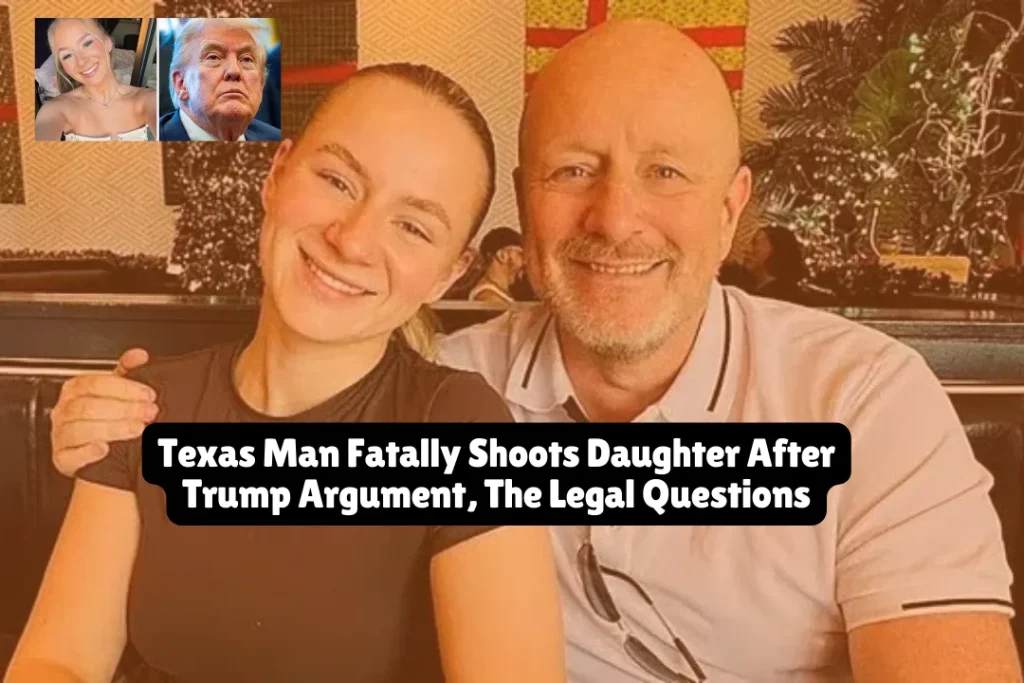
Lucy Harrison, 23, was fatally shot by her father Kris Harrison on January 10, 2025, at his home in Prosper, Texas. The shooting occurred shortly after the father and daughter argued about President Trump, with Lucy asking her father how he’d feel if she were sexually assaulted. A Texas grand jury declined to indict Kris Harrison. However, a UK coroner’s inquest in February 2026 ruled Lucy’s death “unlawful killing on grounds of gross negligence manslaughter.”
Why This Case Raises Critical Legal Questions
This case exposes tensions between state criminal proceedings, grand jury discretion, and international legal authority. It highlights questions about gun safety, alcohol impairment, and accountability when someone dies from gunshot wounds claimed to be accidental.
Here’s what makes this legally significant: A Texas grand jury found insufficient evidence for criminal charges, but UK authorities reached the opposite conclusion. Lucy was a British citizen visiting her American father. The shooting happened in Texas, but the victim’s home country conducted its own investigation.
For legal professionals, this case illustrates how grand jury proceedings work, the limits of international jurisdiction, and what “unlawful killing” means under UK law versus Texas criminal standards.
The Texas Grand Jury Decision
How Grand Juries Decide Whether to Indict
Texas grand juries consist of 12 citizens who review evidence presented by prosecutors. They don’t determine guilt—they decide whether probable cause exists to believe a crime occurred and the accused committed it.
Grand jury proceedings are secret. Defense attorneys cannot attend or present evidence unless invited. Prosecutors control what evidence the grand jury sees.
To indict, at least 9 of 12 grand jurors must vote yes. If they decline to indict, prosecutors cannot pursue criminal charges unless new evidence emerges.
Bottom line: The Collin County grand jury heard evidence about Lucy Harrison’s death and found insufficient probable cause to charge Kris Harrison with any crime.
Why Grand Juries Might Decline Indictment
Several factors could explain the decision not to indict:
Kris Harrison’s account: He claimed the gun accidentally discharged while he was showing it to his daughter. If grand jurors believed this was a tragic accident rather than reckless or intentional conduct, they might find insufficient evidence for criminal charges.
Texas manslaughter standards: Texas Penal Code defines manslaughter as recklessly causing death. Prosecutors must prove the defendant consciously disregarded a substantial and unjustifiable risk. Accidental discharge—even negligent—might not meet this standard in grand jurors’ view.
Lack of physical evidence contradicting his account: Police didn’t test Kris Harrison for blood alcohol content despite smelling alcohol on his breath. Without toxicology evidence, prosecutors couldn’t prove intoxication level at shooting time.
Witness limitations: Only two people were in the room—one is dead, the other is the accused. Lucy’s boyfriend heard the shot but didn’t witness what happened inside the bedroom.
PRO TIP: Grand jury proceedings are one-sided—prosecutors present their case without defense cross-examination or rebuttal evidence. If prosecutors present a case emphasizing accidental discharge rather than reckless conduct, grand jurors may not hear evidence supporting criminal charges. This matters for families seeking accountability: grand jury decisions don’t represent judicial determination of what happened, only whether prosecutors presented sufficient evidence for probable cause. Families can pursue civil lawsuits for wrongful death even when grand juries decline indictment.
Most sites won’t tell you this, but grand jury decisions don’t bind civil courts. Lucy’s family could pursue wrongful death claims against Kris Harrison in Texas civil court, where the burden of proof is lower (preponderance of evidence vs. beyond reasonable doubt).
What Texas Law Says About Gun Accidents
Texas doesn’t require licenses for firearms kept in homes. State law permits deadly force in self-defense but doesn’t address accidental discharges specifically.
Texas Penal Code criminalizes “deadly conduct” when someone recklessly engages in conduct that places another in imminent danger of serious bodily injury. However, prosecutors must prove recklessness—not mere negligence.
If grand jurors believed Kris Harrison acted negligently but not recklessly, they might find insufficient evidence for criminal prosecution under Texas standards.
The UK Coroner’s Ruling
What “Unlawful Killing” Means Under UK Law
UK coroner’s inquests investigate deaths to determine who died, when, where, and how. Coroners can conclude deaths were natural, accidental, suicide, unlawful killing, or undetermined.
“Unlawful killing” means death resulted from criminal conduct—murder, manslaughter, or infanticide. It doesn’t assign criminal guilt; that requires separate prosecution.
Senior Coroner Jacqueline Devonish ruled Lucy Harrison died from gross negligence manslaughter. Under UK law, this requires:
- A duty of care owed to the victim
- Breach of that duty
- The breach caused death
- The breach was so bad it constitutes a crime
Devonish found Kris Harrison pointed the gun directly at his daughter at chest height and pulled the trigger without checking for bullets—conduct she deemed “reckless” and grossly negligent.
Why UK and Texas Reached Different Conclusions
Different legal standards explain the divergent outcomes:
Evidence presentation: UK coroners hear from all parties—witnesses, family, and the accused (if they participate). Texas grand juries only hear prosecutor presentations.
Legal standards: UK gross negligence manslaughter focuses on whether conduct fell “far below” reasonable standards. Texas manslaughter requires proving conscious disregard of substantial risk.
Credibility determinations: The UK coroner explicitly rejected Kris Harrison’s “accidental discharge” claim, noting the physics of the wound. The Texas grand jury apparently found insufficient evidence to contradict his account.
Cultural differences: UK law takes a stricter view of gun possession and use than Texas, where firearms ownership is widespread and laws favor gun owners.
Can UK Authorities Prosecute Him?
Theoretically yes, practically unlikely. UK has jurisdiction over British citizens killed abroad. However, the U.S. would need to extradite Kris Harrison, an American citizen, for prosecution in UK courts.
Extradition treaties require dual criminality—the conduct must be criminal in both jurisdictions. While both Texas and UK have manslaughter laws, Texas authorities already declined prosecution. U.S. courts rarely extradite Americans for prosecution abroad when domestic authorities found insufficient evidence.
Bottom line: The UK coroner’s ruling creates a permanent official record that Lucy Harrison was unlawfully killed, but criminal prosecution of Kris Harrison in UK courts remains highly unlikely.
What This Case Reveals About Gun Safety Laws
Texas Has No Firearms Training Requirements
Kris Harrison admitted he had never fired a gun and received no training. Texas law doesn’t require firearms training for home defense weapons.
The coroner noted Harrison “had no experience of guns, had undertaken no training and had never fired a gun” when his actions killed his daughter.
Other states require safety training before gun purchases or concealed carry permits. Texas doesn’t mandate training for firearms kept in homes.
Alcohol and Firearms: A Deadly Combination
Kris Harrison admitted drinking wine before the shooting and acknowledged past alcohol rehabilitation. Police smelled alcohol on his breath but didn’t conduct sobriety tests.
Texas law prohibits carrying firearms while intoxicated but doesn’t criminalize possessing them at home while drinking. This legal gap allows gun owners to handle weapons while impaired in their residences.
Failure to Secure Firearms
Kris Harrison kept a loaded Glock 9mm in his bedside cabinet. Texas has no safe storage requirements for firearms in homes without children under 17.
The gun was accessible and loaded when he decided to show it to his daughter—a decision the UK coroner called reckless.
Frequently Asked Questions
Can families file civil lawsuits after grand juries decline indictment?
Yes. Civil wrongful death lawsuits have lower burden of proof than criminal cases. Families can pursue damages even when prosecutors don’t pursue criminal charges.
What is the difference between Texas manslaughter and UK gross negligence manslaughter?
Texas manslaughter requires proving the defendant recklessly caused death—consciously disregarding substantial risk. UK gross negligence manslaughter requires proving conduct fell far below reasonable standards and created obvious death risk. Standards differ significantly.
Why didn’t police test Kris Harrison for alcohol?
Police discretion. Texas law doesn’t require mandatory sobriety testing in all shooting incidents. This investigative failure prevented prosecutors from proving intoxication level.
Can UK authorities force extradition?
UK can request extradition, but U.S. courts would decide whether to grant it. Given Texas authorities declined prosecution, extradition is extremely unlikely.
Final Disclaimer: This article provides general information about criminal proceedings, grand jury decisions, and international jurisdiction for educational purposes only. Criminal law varies significantly by jurisdiction and case-specific facts matter enormously. AllAboutLawyer.com does not provide legal services and is not affiliated with any government agency. For specific legal questions about criminal cases, grand jury proceedings, or international legal issues, consult with qualified criminal defense attorneys or international law specialists familiar with relevant jurisdictions.
Stay informed, stay protected. — AllAboutLawyer.com
Last Updated: January 14, 2026 — We keep this current with the latest legal developments
Disclaimer: This article provides general legal information about criminal proceedings, grand jury decisions, and international jurisdiction, not legal advice—consult with a qualified attorney for specific legal questions.
About the Author

Sarah Klein, JD, is a licensed attorney and legal content strategist with over 12 years of experience across civil, criminal, family, and regulatory law. At All About Lawyer, she covers a wide range of legal topics — from high-profile lawsuits and courtroom stories to state traffic laws and everyday legal questions — all with a focus on accuracy, clarity, and public understanding.
Her writing blends real legal insight with plain-English explanations, helping readers stay informed and legally aware.
Read more about Sarah