
Tennessee Driver’s License Law 2026, Shocking Changes Hit Every Driver January 1 Noncitizen Licenses Get “X” Mark, Bicycle Test Required
What Changed in Tennessee’s Driver’s License Law in 2026?
Tennessee’s driver’s license law changed dramatically on January 1, 2026. Lawful permanent residents now receive temporary licenses with distinctive markings instead of standard licenses. Out-of-state licenses issued to undocumented immigrants are invalid in Tennessee—driving with one is a Class B misdemeanor. Driver’s license tests now include bicycle hand signals. First-time DUI test refusals trigger 18-month license suspensions, up from 12 months.
Here’s what hit Tennessee residents the moment the clock struck midnight on New Year’s Day: Over 100,000 lawful permanent residents woke up to find their driver’s license status had fundamentally changed overnight. Immigration attorney Renata Castro of USA4All told Nashville’s News 2 that her clients are already facing discrimination because of the new marked licenses. “I have even heard in the past, individuals who were treated differently by security guards in residential communities because their license said something like ‘Temporary,'” Castro explained.
The Four Major Driver’s License Changes That Took Effect January 1, 2026
Let’s break down exactly what changed and who it affects.
1. Noncitizen Temporary Driver’s Licenses (SB6002 & HB6001)
Starting January 1, 2026, Tennessee fundamentally restructured how it issues licenses to legal residents who aren’t U.S. citizens.
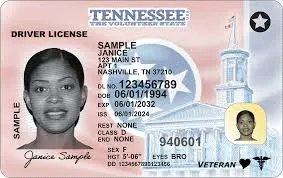
What actually changed: Lawful permanent residents renewing or reinstating licenses after January 1, 2026 must provide proof of U.S. citizenship to get a standard license. If they can’t provide citizenship proof, they receive a “temporary” driver’s license with a visually distinctive marker.
House Majority Leader William Lamberth (R-Portland) explained during legislative debate: “We anticipate it will be a small x on there, similar to the way the restrictions are now for contacts or something else, but that license would not be valid to register to vote or to actually vote.”
Who this affects: Every lawful permanent resident in Tennessee renewing their license after January 1, 2026. If you’re a green card holder, your next renewal won’t give you the same license U.S. citizens receive.
The practical impact: These temporary licenses provide the same driving privileges but cannot be used for voter registration. State officials explicitly say only permanent licenses are valid for voting identification.
Legislative background: This came from Senate Bill 6002, passed during a January 2025 special legislative session focused on immigration enforcement. The bill also created a centralized immigration enforcement division within the Department of Safety.
If you become a U.S. citizen: You can provide proof of citizenship at any time during renewal and receive a standard license like other citizens.
Related article: Ohio Cell Phone Ban, Primary Offense, $500 Fines, 15,400 Fewer Crashes
2. Out-of-State Licenses for Undocumented Immigrants Now Invalid (SB1086)
Tennessee took an even harder stance on licenses issued by other states to undocumented immigrants.
What the law says: Out-of-state driver’s licenses issued exclusively to people without lawful presence in the United States are considered invalid in Tennessee. Operating a vehicle with one of these licenses is a Class B misdemeanor.
The penalty breakdown: Class B misdemeanors in Tennessee carry up to six months in jail and fines. This applies even if you’re just driving through Tennessee to reach another destination.
State Senator Jack Johnson warned during debate: “You could be charged with a Class B misdemeanor.”
Which states this affects: As of January 1, 2026, the Tennessee Department of Safety website lists Connecticut and Delaware among states whose licenses won’t be accepted under this law. The Department was required to develop and publish a complete list by December 1, 2025.
For context, 19 states and Puerto Rico issue some form of driving privilege to undocumented immigrants, according to the National Conference of State Legislatures.
Why Tennessee passed this: Republican lawmakers said it protects election integrity and prevents undocumented immigrants from using licenses as identification. Critics, including Rep. Aftyn Behn (D-Nashville), called it discriminatory: “We are resurrecting dangerous ideas from the past, dressed up in the language of the administrative state.”
3. Bicycle Hand Signals Now Required on Driver’s License Tests
Every Tennessean applying for a driver’s license or intermediate license in 2026 must now demonstrate knowledge of bicycle hand signals.
What you need to know: The written driver’s license exam includes questions about hand signals cyclists use to communicate turning, slowing, and stopping.
This legislation was signed by the governor in May 2025 but took effect January 1, 2026.
Why this matters: Tennessee lawmakers said this addresses bicycle safety concerns and reduces bike-related crashes. Drivers must understand how cyclists communicate their intentions on the road.
For new drivers and renewals: If you’re taking the written test in 2026, study bicycle hand signals. The Tennessee Department of Safety offers practice tests online that include these questions.
4. Stricter DUI Implied Consent Law Changes
Tennessee’s implied consent law—the rule that says drivers automatically consent to chemical testing when pulled over for suspected DUI—got significantly tougher.
What changed with implied consent:
18-month suspension for refusing tests: First-time refusal of breath or blood tests during a DUI investigation now triggers an 18-month license suspension, increased from 12 months. This happens even if you’re never convicted of DUI.
Mike Dunavant, Deputy Executive Director for the Tennessee District Attorneys General Conference, told the Senate Judiciary Committee the change corrects an inequity where refusal carried the same penalty as a DUI conviction.
Refusal still counts even if blood is drawn later: The new law clarifies that refusing a test violates implied consent law even if police later obtain a blood sample through a search warrant. Previously, prosecutors struggled to pursue implied consent charges when blood was drawn by warrant.
Oral fluid (saliva) testing now admissible: Tennessee now allows roadside oral fluid tests as admissible court evidence. Dunavant explained: “We believe that the oral fluid testing—in combination with the other factors that indicate arrest for impairment—will be the ability to then go use that for probable cause to obtain a search warrant to obtain the driver’s blood, which is the most accurate [way] to determine drugs or alcohol.”
For repeat offenders: The penalties escalate dramatically. Multiple refusals carry even harsher penalties, with revocation periods for vehicular assault increasing from three to six years on a third offense and five to eight years on a fourth.
Ignition interlock device flexibility: One positive change: drivers required to use ignition interlock devices after DUI offenses now have a two-week window for required calibrations and inspections instead of a specific day. Courts can reinstate licenses if the only violation was missing an appointment and there are no other suspensions.
Who’s Affected by Tennessee’s 2026 Driver’s License Law Changes?
Let’s get specific about who these laws impact:
Lawful permanent residents (green card holders): Every legal resident who isn’t a U.S. citizen renewing their license after January 1, 2026 receives a temporary license with a distinctive marker.
Undocumented immigrants with out-of-state licenses: If you have a license from Connecticut, Delaware, or any other state that issues licenses to undocumented immigrants, you cannot legally drive in Tennessee. Doing so is a Class B misdemeanor.
New drivers and teenagers: Anyone taking the Tennessee driver’s license test must now answer questions about bicycle hand signals.
DUI suspects: Anyone pulled over for suspected DUI faces tougher consequences for refusing breath, blood, or oral fluid tests—18 months without a license instead of 12.
Legal immigrants on path to citizenship: Castro, the immigration attorney, expressed concern about discrimination: “Being a U.S. citizen is not a requirement to get a driver’s license, and most importantly, having a driver’s license does not give an individual the right to vote.”
How to Comply with Tennessee’s 2026 Driver’s License Requirements
Here’s your action plan based on your situation.
If You’re a Lawful Permanent Resident
Before your license renewal:
- Gather proof of U.S. citizenship if you’ve naturalized
- If you’re still a permanent resident, expect to receive a temporary license with a marking
- Bring your green card and other required identification documents
- Check the Tennessee Department of Safety website for current document requirements
After receiving your temporary license:
- Understand it provides full driving privileges but cannot be used for voter registration
- If you become a U.S. citizen, bring naturalization papers to your next renewal for a standard license
- The license is valid for all driving purposes under Tennessee law
Where to apply: Visit any Tennessee Driver Services Center. Find locations at tn.gov/safety/driver-services/locations
Contact information:
- Driver License Issuance: (615) 253-5221 or 1-866-903-7357 (toll-free)
- Tennessee Department of Safety and Homeland Security, Driver Services Division, PO BOX 945, Nashville, TN 37202
If You Have an Out-of-State License Issued to Undocumented Immigrants
Bottom line: You cannot legally drive in Tennessee with this license. Operating a vehicle with an invalid license is a Class B misdemeanor.
Your options are extremely limited: Tennessee law enforcement can charge you if they discover you’re driving with a license from the published list of invalid licenses.
Check the official list: The Tennessee Department of Safety published a list by December 1, 2025 of out-of-state licenses considered invalid. Visit tn.gov/safety for the current list.
If You’re Taking the Driver’s License Test in 2026
Study bicycle hand signals: Your written exam includes questions about how cyclists communicate turning, slowing, and stopping.
Practice online: The Tennessee Department of Safety offers free practice tests at tn.gov/safety/driver-services/online
What to study:
- Left turn signal (left arm extended straight out)
- Right turn signal (left arm bent upward at elbow)
- Stopping/slowing signal (left arm bent downward at elbow)
If You’re Facing DUI Charges or Implied Consent Violations
Understand the stakes: Refusing a breath, blood, or oral fluid test now triggers an 18-month license suspension for first-time refusal.
The refusal counts even if: Police obtain your blood through a search warrant later. The new law closes this loophole.
Ignition interlock users: You now have a two-week window for required device inspections instead of a specific appointment day.
Get legal representation: DUI defense attorneys like Brandon Fersten at Barnes and Fersten Law Firm in Knoxville emphasize the importance of experienced counsel: “These changes raise the stakes for anyone accused of DUI. An arrest does not mean you’re automatically guilty, and you have rights worth fighting for.”
License reinstatement help:
- Online: dl.safety.tn.gov
- Phone: 1-866-903-7357 (Monday-Friday, 8 a.m. – 4:30 p.m. Central)
- In person at designated reinstatement centers: tn.gov/safety/driver-services/reinstatements
What Documents Do You Need Under the 2026 Law?
Tennessee’s document requirements depend on your citizenship status and what you’re applying for.
For U.S. Citizens Applying for Standard Licenses
Proof of identity (one of these):
- Valid U.S. passport
- Certified U.S. birth certificate
- Certificate of Naturalization
- Certificate of Citizenship
Proof of Social Security Number:
- Social Security card
- W-2 form
- Pay stub showing full SSN
Proof of Tennessee residency (two documents):
- Utility bill
- Bank statement
- Rental agreement or mortgage documents
- Vehicle registration
REAL ID compliance: Tennessee issues REAL ID-compliant licenses. If you want to use your license for federal identification (boarding domestic flights, entering federal buildings), ensure you provide documents meeting REAL ID requirements.
For Lawful Permanent Residents Applying for Temporary Licenses
Required documents:
- Valid, unexpired green card (I-551)
- Proof of Social Security Number
- Two proofs of Tennessee residency
- If you cannot provide U.S. citizenship proof, you’ll receive a temporary license
Important: The temporary license provides the same driving privileges as standard licenses but looks different and cannot be used for voter registration.
For New or Returning Tennessee Residents
Motor Vehicle Record (MVR) requirement: If you currently have a license from California, Connecticut, Illinois, Kentucky, Nevada, Oklahoma, Vermont, or West Virginia, you must present a Motor Vehicle Record from your former state when applying for a Tennessee license.
This requirement is clearly posted on the Tennessee Department of Safety website and applies to both new and returning residents.
Cost and Fees for Tennessee Driver’s Licenses in 2026
Here’s what you’ll pay for various license transactions under the 2026 law.
New driver’s license: Varies by license type and term License renewal: Standard fees apply to both standard and temporary licenses Duplicate license: Required if you lose your license or need a replacement
For the most current fee schedule: Visit tn.gov/safety/driver-services or call the Driver Services Division at 1-866-903-7357.
DUI-related fees:
- Ignition interlock device installation and monitoring: Costs vary by provider
- License reinstatement after DUI: Reinstatement fees apply
- Implied consent violation reinstatement: Additional fees for license restoration
Domestic violence registry fee: Under “Savanna’s Law” (which took effect the same day), registrants pay a $100 fee that funds family violence prevention and intervention services,
Real-Life Impact: How Tennessee Residents Are Experiencing the 2026 Changes
Let’s look at concrete examples of how these laws are playing out.
Maria’s Story: Lawful Permanent Resident Facing New Reality
Maria (we’re using a first name only to protect privacy) is a green card holder who’s lived in Tennessee for 12 years. She renewed her license on January 2, 2026.
“I brought my green card, my Social Security card, and two utility bills,” Maria told immigration attorney Renata Castro. “They gave me a license that looks different from my husband’s—he’s a citizen. Mine has a marker on it.”
Castro explained to Nashville’s News 2: “Imagine now that you have a scarlet letter of sorts on driver’s licenses and just the broad range of discrimination this could give rise to.”
Maria worries about how the marked license affects her daily life: “When I show my license at the bank or when I’m carded at a restaurant, people look at it differently now. I’m here legally. I pay taxes. But my license tells everyone I’m not a citizen.”
DUI Enforcement Ramps Up for New Year’s
The Franklin Police Department announced increased DUI enforcement on New Year’s Eve into New Year’s Day, specifically citing the new implied consent changes.
Franklin Police Chief Deb Faulkner stated that driving impaired “will not be tolerated” and the department will take action to protect the public under the tougher 2026 penalties.
Law enforcement agencies across Tennessee increased patrols knowing that the 18-month suspension for test refusal took effect January 1.
Bicycle Safety Advocates Celebrate Hand Signal Requirement
The bicycle hand signal requirement on driver’s tests came after advocacy from cycling safety groups and families affected by bike-related crashes.
Tennessee legislators pointed to statistics showing drivers often don’t understand cyclist intentions, leading to accidents. By requiring all new drivers to learn hand signals, Tennessee aims to reduce these crashes.
Potential Legal Challenges Ahead
Immigration attorney Renata Castro told Nashville’s WKRN that she “wouldn’t be surprised” if lawsuits are filed by next week, with concerns about potential Equal Protection and Due Process violations.
As of publication, no lawsuits have been filed challenging Tennessee’s noncitizen licensing changes, but legal experts are watching closely.
Frequently Asked Questions About Tennessee’s 2026 Driver’s License Law
Q: Do I need to get a new license immediately if I’m a lawful permanent resident?
A: No. The temporary license requirement only applies when you renew or reinstate your license on or after January 1, 2026. If your current license doesn’t expire until 2027, you keep it until renewal.
Q: Can I still drive with my temporary Tennessee license?
A: Yes. Temporary licenses issued to lawful permanent residents provide full driving privileges. You can legally operate a vehicle anywhere in Tennessee and in other states that recognize Tennessee licenses.
Q: Can I use my temporary license for voter registration?
A: No. Tennessee law explicitly prohibits temporary licenses from being used for voter registration or voting. Only standard driver’s licenses and photo IDs qualify for voter identification.
Q: What happens if I’m caught driving in Tennessee with an out-of-state license issued to undocumented immigrants?
A: You’ll be charged with a Class B misdemeanor, which carries potential penalties of up to six months in jail and/or fines. This applies even if you’re just passing through Tennessee.
Q: Which out-of-state licenses are considered invalid in Tennessee?
A: The Tennessee Department of Safety published a list by December 1, 2025. As of January 2026, Connecticut and Delaware licenses issued to undocumented immigrants are confirmed invalid. Check tn.gov/safety for the complete updated list.
Q: Will bicycle hand signals be on every driver’s test?
A: Yes. Starting January 1, 2026, all written examinations for driver’s licenses and intermediate licenses include questions about bicycle hand signals for turning, slowing, and stopping.
Q: If I refuse a DUI test in 2026, what happens to my license?
A: Your license is suspended for 18 months on a first-time refusal, increased from 12 months under the old law. This suspension happens even if you’re never convicted of DUI. The implied consent violation is separate from any criminal DUI charges.
Q: Can police use saliva tests for DUI investigations now?
A: Yes. Tennessee’s 2026 law allows oral fluid (saliva) testing as admissible evidence in court. Law enforcement can use these results, combined with other impairment indicators, to establish probable cause for a search warrant to obtain blood samples.
Q: If police get my blood through a warrant, can I still be charged with refusing the test?
A: Yes. The new law specifically allows prosecutors to charge you with an implied consent violation even if your blood was drawn under a search warrant after you refused. This closes a loophole that existed under the old law.
Q: Do I get more flexibility for ignition interlock device inspections?
A: Yes. If you’re required to use an ignition interlock device, you now have a two-week window to appear for calibration, monitoring, or inspection instead of being penalized for missing a specific day. Courts can also reinstate your license if your only violation was missing an inspection appointment.
Q: Can I become a U.S. citizen and then get a standard license?
A: Absolutely. If you naturalize and become a U.S. citizen, bring your naturalization certificate to your next license renewal and you’ll receive a standard license identical to what other citizens receive.
Q: Will other states recognize my Tennessee temporary license?
A: Generally yes. Your temporary Tennessee license is a valid state-issued driver’s license that should be recognized by other states for driving purposes. However, it may not qualify for certain federal purposes like boarding domestic flights if it doesn’t meet REAL ID requirements.
Q: Are there any legal challenges to Tennessee’s 2026 driver’s license law?
A: As of early January 2026, no lawsuits have been filed. However, immigration attorneys have expressed concerns about potential Equal Protection and Due Process issues. Legal challenges could emerge in coming weeks or months.
Q: Who sponsored the legislation creating these changes?
A: Senate Bill 6002 and House Bill 6001 were sponsored by Republican legislators during a January 2025 special session. House Majority Leader William Lamberth (R-Portland) was a key supporter, along with State Senator Bo Watson (R-Hixson) and State Senator Jack Johnson.
Q: Why did Tennessee pass these driver’s license changes?
A: Republican lawmakers said the changes protect election integrity by making it easier to determine voter eligibility and preventing non-citizens from using licenses for voter registration. They also said the changes address public safety concerns.
Democratic lawmakers opposed the changes, with Rep. Aftyn Behn (D-Nashville) arguing they “unfairly stigmatize migrants” who are in the country legally.
What Happens If You Don’t Comply with Tennessee’s 2026 License Requirements?
Let’s be clear about the consequences of non-compliance.
Driving Without a Valid License in Tennessee
The charge: Operating a vehicle without a valid Tennessee license is illegal. Under the 2026 changes, driving with an invalid out-of-state license is specifically a Class B misdemeanor.
Potential penalties:
- Up to six months in jail
- Fines and court costs
- Points on your driving record
- Vehicle impoundment
- Increased insurance rates
Refusing to Take DUI Tests in 2026
Implied consent violation: Refusing breath, blood, or oral fluid testing during a DUI investigation triggers automatic consequences:
First refusal: 18-month license suspension (up from 12 months)
This happens automatically through the administrative implied consent process, separate from any criminal DUI charges.
Even if you’re found not guilty of DUI: The implied consent violation stands on its own. You can be acquitted of criminal DUI charges but still lose your license for 18 months for refusing the test.
Repeat refusals: Carry progressively harsher penalties, with years-long license revocations.
Using a Temporary License for Voter Registration
The law is clear: Temporary licenses cannot be used for voter registration or voting in Tennessee.
If you attempt to use a temporary license to register to vote: Election officials will reject your application. Only standard driver’s licenses and photo IDs qualify for voter identification under Tennessee law.
Failure to Update License Information
Address changes: Tennessee law requires you to notify the Department of Safety within 30 days of moving. You can update your address online at tn.gov/safety/driver-services/online
Name changes: Update your license within a reasonable time after legally changing your name.
Tennessee Legislative Background: How These Laws Came to Be
Understanding the legislative process helps you see where these changes came from.
The January 2025 Special Session
Tennessee lawmakers convened a special legislative session in January 2025 focused primarily on immigration enforcement and election security.
Senate Bill 6002 (SB6002) and House Bill 6001 (HB6001) were the main bills creating the noncitizen temporary license requirements. These companion bills passed with Republican support and were signed into law with various effective dates, including January 1, 2026 for the licensing changes.
Key provisions of SB6002:
- Creates centralized immigration enforcement division within Department of Safety
- Establishes grant program to promote federal immigration law enforcement
- Creates criminal penalties for officials adopting “sanctuary policies”
- Requires temporary driver’s licenses for lawful permanent residents
- Prohibits temporary licenses from being used for voter registration
Senate Bill 1086 (SB1086): Invalid Out-of-State Licenses
This bill specifically addressed out-of-state licenses issued to undocumented immigrants.
Sponsored by: Senator Jack Johnson (R) and other Republican legislators
Purpose: Declare certain out-of-state licenses invalid in Tennessee and create criminal penalties for operating vehicles with them
Implementation: Required Tennessee Department of Motor Vehicles to develop and publish a list of invalid out-of-state licenses by December 1, 2025
Effective date: January 1, 2026
House Bill 11 (HB0011): Visual Design Changes
This bill required Tennessee to redesign licenses for noncitizens with visually distinctive colored backgrounds or markers.
Key requirement: New licenses must be easily distinguished from licenses issued to U.S. citizens while providing the same driving privileges and serving as valid proof of identity.
Implementation deadline: No later than January 1, 2026
Citizenship pathway: If a noncitizen later becomes a U.S. citizen and provides documentation during renewal, they receive a standard license.
DUI Implied Consent Changes
The DUI-related changes came through separate legislation passed during the 2025 regular session and signed by the governor in May 2025.
Key changes:
- Increased license suspension for test refusal from 12 to 18 months
- Allowed implied consent charges even when blood is drawn by warrant
- Authorized oral fluid testing as admissible evidence
- Provided ignition interlock device flexibility
Why the increase: Legislators said the change corrects an inequity where refusing a test carried the same penalty as a DUI conviction, making refusal strategically advantageous for defendants.
Bicycle Hand Signal Requirement
This change came from legislation signed by the governor in May 2025 with a January 1, 2026 effective date.
Legislative purpose: Improve bicycle safety by ensuring all new drivers understand cyclist hand signals
Impact: Questions about bicycle hand signals are now mandatory on all written driver’s license exams
How Tennessee’s 2026 Law Compares to Other States
Tennessee isn’t alone in addressing noncitizen licensing, but its approach is more restrictive than most states.
States That Issue Licenses to Undocumented Immigrants
According to the National Conference of State Legislatures, 19 states and Puerto Rico issue some form of driving privilege to undocumented immigrants:
California, Colorado, Connecticut, Delaware, Hawaii, Illinois, Maryland, Massachusetts, Minnesota, Nevada, New Jersey, New Mexico, New York, Oregon, Rhode Island, Utah, Vermont, Virginia, Washington, and Puerto Rico.
Tennessee’s position: Explicitly rejects these licenses as invalid and makes driving with them a criminal offense.
States with Citizenship-Based License Distinctions
Several states distinguish between licenses issued to citizens versus noncitizens:
Arizona: Issues licenses to DACA recipients with “not for federal identification” notation
New Mexico: Previously had two-tier system; now issues licenses to undocumented immigrants but with federal purpose restrictions
Tennessee’s approach: Creates visually distinctive temporary licenses for lawful permanent residents specifically to aid in determining voter eligibility—a stated purpose that’s relatively unique.
REAL ID Compliance Across States
All states must comply with federal REAL ID requirements for identification that can be used for federal purposes like boarding domestic flights.
REAL ID deadline: May 7, 2025 was the federal deadline for full enforcement, though it has been extended multiple times.
Tennessee’s REAL ID: Tennessee issues REAL ID-compliant licenses to U.S. citizens. Temporary licenses for noncitizens may not meet REAL ID requirements—check with the Department of Safety when you receive yours.
DUI Implied Consent Laws Nationwide
Most states have implied consent laws, but penalties for refusal vary:
Average first-refusal suspension: 90 days to 1 year in most states
Tennessee’s 18-month suspension: Places Tennessee among the stricter states for implied consent violations
States with saliva testing: A growing number of states are adopting oral fluid testing for DUI investigations, but implementation varies widely
Resources for Tennessee Drivers in 2026
Here’s where to get help, information, and official guidance.
Official Tennessee Government Resources
Tennessee Department of Safety and Homeland Security
- Website: tn.gov/safety
- Driver Services: tn.gov/safety/driver-services
- Phone: (615) 253-5221 or 1-866-903-7357 (toll-free)
- Hours: Monday-Friday, 8 a.m. – 4:30 p.m. Central
Online Services (e-Services portal)
- URL: tn.gov/safety/driver-services/online
- Services: License renewals, address changes, practice tests, appointment scheduling, reinstatement document submission
Driver Services Center Locations
- Find locations: tn.gov/safety/driver-services/locations
- Full-service centers across Tennessee
- Appointment system available at select locations
- Self-service kiosks for renewals and duplicates
License Reinstatement Resources
- Online reinstatement: dl.safety.tn.gov
- Reinstatement locations: tn.gov/safety/driver-services/reinstatements
- Phone: 1-866-903-7357
MyTN Mobile App
- Download MyTN for live wait times at Driver Services Centers
- Access to various government services in one app
- Available for iOS and Android
Tennessee Legislative Resources
Tennessee General Assembly
- Website: wapp.capitol.tn.gov
- Bill tracking for SB6002, SB1086, HB6001, HB0011
- Full text of legislation and legislative history
- Contact information for your state representatives
Tennessee Code Annotated
- Title 55, Chapter 50: Driver licenses and permits
- View full statute text online
- Updates include 2026 law changes
Legal Assistance Resources
Tennessee Immigrant and Refugee Rights Coalition (TIRRC)
- Advocacy organization tracking Tennessee immigration policy
- Community resources for immigrants
Legal Aid Societies in Tennessee
- Legal Aid of East Tennessee: laet.org
- Memphis Area Legal Services: malsi.org
- Legal Aid Society of Middle Tennessee: las.org
DUI Defense Attorneys
- Tennessee Bar Association Lawyer Referral: tba.org
- Find attorneys experienced in DUI defense and implied consent violations
Immigration Attorneys
- American Immigration Lawyers Association: Find members in Tennessee
- USA4All (Renata Castro): Immigration law firm cited in news coverage
News and Updates
Track Tennessee law changes:
- Tennessee state news outlets: WSMV, WKRN, News Channel 5, WBIR
- Nashville Public Radio and Tennessee NPR stations
- Major Tennessee newspapers: Tennessean, Memphis Commercial Appeal, Knoxville News Sentinel
Follow Department of Safety announcements:
- Sign up for email updates at tn.gov
- Follow Tennessee Department of Safety on social media
- Check website regularly for implementation guidance
What Comes Next: Tennessee’s 2026 Legislative Session and Beyond
Tennessee’s driver’s license law will continue evolving as lawmakers meet in 2026.
Proposed 2026 Legislation to Watch
Self-driving vehicle regulations: A proposed bill would require human drivers behind the wheel of autonomous vehicles used for commercial purposes (like robotaxis). The driver would need to be able to take control if necessary.
Nonprofit car dealers: Proposed legislation would create special exceptions allowing certain nonprofit organizations to be licensed as car dealers.
Additional DUI enforcement: Watch for potential expansion of roadside testing procedures and penalties.
Potential Legal Challenges
Immigration attorneys and civil rights organizations are watching Tennessee’s noncitizen licensing changes closely.
Equal Protection concerns: Questions about whether marking noncitizen licenses violates Equal Protection guarantees under the 14th Amendment.
Due Process issues: Concerns that the law discriminates against legal immigrants without proper justification.
Preemption questions: Whether state immigration-related driver’s license rules conflict with federal immigration authority.
As of January 2026: No lawsuits have been filed, but immigration attorney Renata Castro told WKRN she expects legal challenges could emerge.
Implementation Monitoring
First renewal cycle: Watch how Tennessee implements the temporary license issuance process over the first few months of 2026.
Enforcement patterns: How aggressively Tennessee enforces the invalid out-of-state license prohibition.
Discrimination reports: Whether lawful permanent residents with temporary licenses experience the discrimination Castro and others warned about.
DUI enforcement: How the stricter implied consent penalties and oral fluid testing affect DUI cases.
Federal Developments to Watch
REAL ID enforcement: Federal deadlines for REAL ID compliance could affect Tennessee license requirements.
Immigration policy changes: Federal immigration law changes could impact Tennessee’s state-level licensing approach.
Supreme Court cases: Any federal court decisions on state immigration enforcement could affect Tennessee’s laws.
Final Takeaways: What Every Tennessee Driver Must Know About 2026 Changes
Let’s recap the essential information you need.
If you’re a U.S. citizen: Your licensing process hasn’t changed. Continue renewing your standard driver’s license as usual.
If you’re a lawful permanent resident: When you renew after January 1, 2026, you’ll receive a temporary license with a distinctive marker unless you provide U.S. citizenship proof. This license provides full driving privileges but cannot be used for voter registration.
If you have an out-of-state license issued to undocumented immigrants: You cannot legally drive in Tennessee. Operating a vehicle with one of these licenses is a Class B misdemeanor carrying potential jail time and fines.
If you’re taking the driver’s test: Study bicycle hand signals. They’re now required knowledge on Tennessee’s written exam.
If you’re facing DUI charges: Refusing breath, blood, or oral fluid tests triggers an 18-month license suspension—even if you’re never convicted of DUI. The refusal counts against you even if police later get your blood through a warrant.
Where to get help:
- Tennessee Department of Safety: tn.gov/safety or 1-866-903-7357
- Driver Services Centers: Find locations
- Legal assistance: Contact Tennessee Bar Association, Legal Aid, or immigration attorneys
Stay informed: Tennessee’s driver’s license law will continue evolving. Check the Department of Safety website regularly for updates, follow Tennessee news outlets covering these changes, and consult with legal professionals if you have specific questions about how the law affects you.
The bottom line: Tennessee’s January 1, 2026 driver’s license law changes represent the most significant shift in state licensing policy in decades. Whether you’re a lawful permanent resident, a new driver learning bicycle safety, or someone navigating DUI implications, understanding these changes isn’t optional—it’s essential for staying legal on Tennessee roads.
This article provides general information about Tennessee’s 2026 driver’s license law changes and should not be considered legal advice. For specific guidance on how these laws affect your situation, consult with a Tennessee-licensed attorney or contact the Tennessee Department of Safety and Homeland Security directly.
Last updated: January 2026
About the Author

Sarah Klein, JD, is a licensed attorney and legal content strategist with over 12 years of experience across civil, criminal, family, and regulatory law. At All About Lawyer, she covers a wide range of legal topics — from high-profile lawsuits and courtroom stories to state traffic laws and everyday legal questions — all with a focus on accuracy, clarity, and public understanding.
Her writing blends real legal insight with plain-English explanations, helping readers stay informed and legally aware.
Read more about Sarah