
Tara Woodcox Hotel Coffee Maker “Lawsuit”, What Actually Happened and What the Facts Show
A viral claim that travel influencer Tara Woodcox is facing a $1 million lawsuit over a hotel coffee maker video spread rapidly across social media in late February 2026 — but the lawsuit does not exist. Woodcox directly addressed the rumor herself, confirming in an Instagram Story that there is no lawsuit and that the video claiming otherwise was AI-generated. Here is a full breakdown of what actually happened, how the misinformation spread, and what the verified facts show.
What Actually Happened: The Original Video
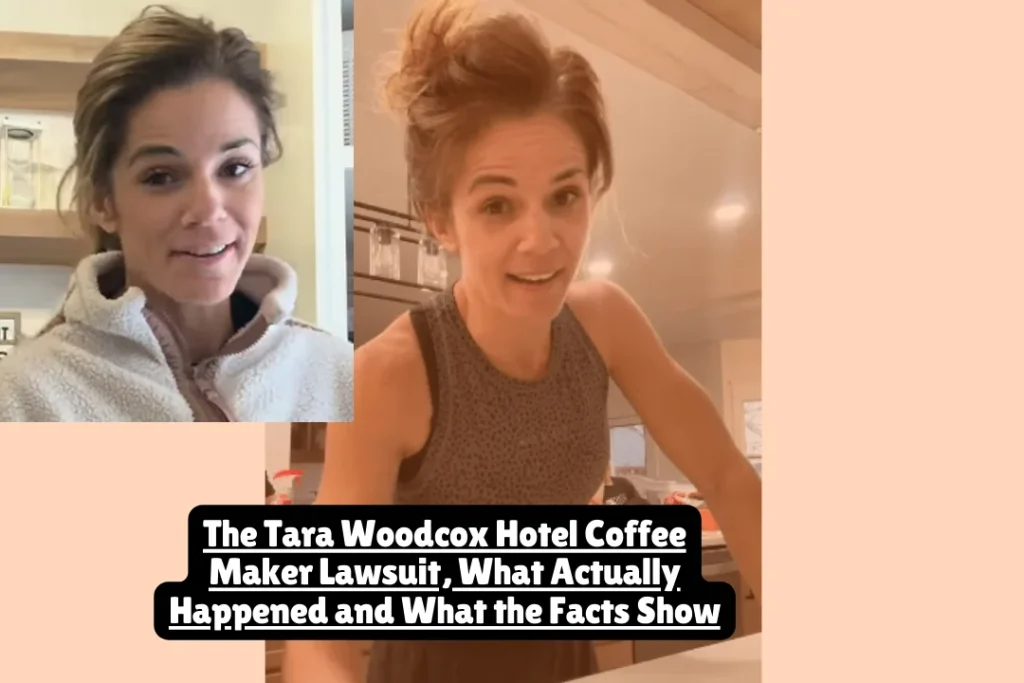
Woodcox originally posted the video in November 2025 under her TikTok handle @tarawoodcox11. In the clip, she enthusiastically described a method as a “cool trick” for travelers who run out of clean underwear, saying she learned it from a flight attendant years earlier.
In the clip, she revealed that a flight attendant friend shared the “hack.” First, you place your underwear where the grounds normally go in the machine. “You close it, you press brew, and it puts scorching hot water through it,” she said. “You got yourself a cleaner pair of underwear to wear!” She suggested using a bathroom hair dryer to finish the drying process.
The video sat relatively dormant until late February 2026, when it was reposted across X (formerly Twitter) and other platforms — this time without the original context — and quickly went viral.
How the Misinformation Spread
Step 1: The Video Goes Viral Without Context
The clip circulated without captions on X, which stripped away context, meaning many viewers treated the claim as real “advice” rather than a joke. The panic also tapped into older travel lore — in-room coffee pots had long carried a questionable reputation.
The clip triggered widespread backlash and online claims that she is being sued for $1 million. Coverage by outlets including Forbes focused on the hygiene implications of the practice rather than confirming any legal action.
Step 2: An AI-Generated “Lawsuit” Video Circulates
The lawsuit rumor did not begin with a real court filing. It originated from an AI-generated video that fabricated legal claims and spread them as fact. Woodcox took it upon herself to share on Instagram that she is not being sued, and that the video claiming she is facing a lawsuit is an AI video.
Several online accounts claimed that travelers who recognized the property from her video demanded compensation, leading to reports of a potential lawsuit. At this time, however, there is no confirmed public record showing that any hotel has formally filed a $1 million suit.
Step 3: Secondary Claims Pile On
Once the fake lawsuit video gained traction, a wave of additional unverified claims followed. At least one report described attorneys alleging the clip damaged guest trust, triggered refunds, and forced a wholesale replacement of coffeemakers. Despite viral claims of a $1 million lawsuit, no public court record or official statement confirms any filing, and the narrative appears to have spread via social media speculation.
No hotel chains have issued official statements confirming machine replacements tied to this incident, and no court filings or confirmed lawsuits have been reported. A recent IBTimes UK report described the lawsuit rumors as unsubstantiated social media speculation.
What Woodcox Actually Said
Woodcox responded on multiple fronts — both to the hygiene criticism and to the lawsuit rumor directly.
On the original video, she said in a TikTok video shared on February 23: “I’ve never actually done that, but it’s really funny you guys.” She clarified the video was meant to highlight questionable hotel hygiene practices rather than serve as genuine travel advice.
Although the clip appeared to lean into satire, it quickly spread without context. Viewers at first reacted with disbelief and disgust, and it did not help that hotel guests already distrusted those small machines.
On the lawsuit specifically, Woodcox addressed the rumor via Instagram Story, sharing a DM conversation with a concerned follower. “Can you confirm this is all just funny and you’re not actually getting sued? I’ve been worried about you,” the follower said. Woodcox responded: “No, there’s no lawsuit. That was an AI video. Thanks so much.”
A Notable Twist: Woodcox Warned Against This in 2023
Almost two years before she posted that video, in April 2023, Woodcox confessed that she “never” uses hotel coffee machines because she heard people use them to clean their underwear. This detail adds an ironic dimension to the controversy: the 2025 video that caused the uproar was, in her telling, a callback to advice she had previously used as a reason to avoid hotel coffee makers.
What the Verified Facts Show
| Claim | Verified Status |
| Tara Woodcox posted a hotel coffee maker video | ✅ Confirmed — posted November 2025 |
| The video went viral in February 2026 | ✅ Confirmed |
| A hotel filed a $1 million lawsuit against her | ❌ False — no court records exist |
| Woodcox actually washed underwear in the coffee maker | ❌ Unconfirmed — she says the video was satirical |
| Hotels replaced all their coffee makers because of the video | ❌ Unverified — no hotel chain has confirmed this |
| The “lawsuit video” was AI-generated | ✅ Confirmed by Woodcox directly |
| Woodcox received major media interview requests after the controversy | ✅ Confirmed — she publicly sought advice on which outlet to choose |
Why This Story Spread So Easily
Several factors combined to make this piece of misinformation unusually effective.
Emotional trigger: Many people wondered how often they had unknowingly brewed coffee through someone else’s laundry. Given that hotels rarely, if ever, dismantle or sanitize in-room coffee makers between guests, the feeling of distrust viewers felt in watching the video was understandable.
Pre-existing urban legend: According to a flight attendant writing for Bon Appétit, in-room coffee pots had long carried a questionable reputation. “Many senior mamas like to tell horror stories about in-room coffee pots being used to rinse pantyhose,” she wrote — though she admitted the story might be an urban legend.
AI-generated “evidence”: The fake lawsuit video mimicked the format of credible legal news content closely enough to be shared widely as fact. Its realistic appearance caused genuine concern among followers who were unfamiliar with how easily AI tools can fabricate convincing video content.
Decontextualized sharing: The clip circulated on X without captions, stripping away the satirical framing that might have otherwise communicated to viewers that Woodcox was not actually recommending the practice.
The Real Hygiene Question
While the lawsuit was fake, the underlying hygiene concern the video raised is legitimate. Health-focused commentators noted that some pathogens, including norovirus, can survive moderate water temperatures. They advised guests to inspect or avoid in-room brewing equipment if concerned about prior use.
At least a few hotels have reportedly added notes reminding guests that in-room coffee machines are for beverages only. Whether these notices were a direct response to the Woodcox video or part of broader hygiene initiatives is not confirmed.
The Broader Problem: AI-Generated Misinformation About Lawsuits
The Woodcox episode is a clear example of a growing trend: AI-generated videos fabricating legal claims about real people. These videos are particularly effective because legal stories carry an inherent air of authority — they reference official-sounding institutions, dollar amounts, and procedural language that audiences associate with credibility.
Key signals that a “lawsuit” story may be AI-generated or unverified include the absence of a case number, court name, or judge; no official statement from the named plaintiff (the hotel, in this case); no coverage in legal news outlets citing actual court filings; and the story spreading primarily through social media video rather than verified reporting.
When in doubt, the most reliable way to verify whether a lawsuit is real is to search public court records through PACER (the federal court system’s public access portal) or the relevant state court’s online docket system.
Frequently Asked Questions
Is Tara Woodcox actually being sued?
No. Woodcox confirmed directly on Instagram that there is no lawsuit and that the video claiming she is being sued is AI-generated. No court filings, case numbers, or official statements from any hotel confirm a lawsuit was ever filed.
Did Tara Woodcox actually wash underwear in a hotel coffee maker?
Woodcox says she has never actually done it. She described the original video as satirical — intended to highlight concerns about hotel hygiene rather than to recommend the practice. She says she learned the anecdote from a flight attendant friend years earlier.
Where did the $1 million lawsuit claim come from?
According to Woodcox, the lawsuit claim originated from an AI-generated video, not from any real legal filing or official statement. The claim spread rapidly on social media but was never supported by public court records.
Did hotels really replace their coffee makers because of this video?
No hotel chains have issued official statements confirming machine replacements tied to this incident. Claims that hotels issued mass refunds and replaced equipment remain unverified as of this writing.
Is there any real legal risk for someone who posts a video like this?
This is a question for a qualified attorney. Generally speaking, a viral social media video demonstrating or describing a hotel amenity being misused would face significant legal hurdles in establishing damages, causation, and liability — but whether a specific set of facts could give rise to legal liability depends on applicable law and specific circumstances. Consult a licensed attorney for legal advice on any particular situation.
How can I tell if a viral “lawsuit” story is real?
Look for a verifiable case number, named court, and judge. Check PACER or a state court’s public docket. Confirm that established legal news outlets have covered it with citations to actual filings. If none of these exist, treat the story as unverified.
Last Updated: March 4, 2026. This article is for informational purposes only and does not constitute legal advice. The absence of a verified lawsuit does not constitute a legal opinion on any party’s liability or rights. Always consult a qualified attorney for legal advice specific to your situation.
About the Author

Sarah Klein, JD, is a licensed attorney and legal content strategist with over 12 years of experience across civil, criminal, family, and regulatory law. At All About Lawyer, she covers a wide range of legal topics — from high-profile lawsuits and courtroom stories to state traffic laws and everyday legal questions — all with a focus on accuracy, clarity, and public understanding.
Her writing blends real legal insight with plain-English explanations, helping readers stay informed and legally aware.
Read more about Sarah