
South Carolina Measles Outbreak, 111 Cases Force Legal Action as Hundreds Face Quarantine
South Carolina’s measles outbreak has reached 111 confirmed cases concentrated in Spartanburg County since October 2025, with state epidemiologist Dr. Linda Bell warning the outbreak is “accelerating” and will continue for many more weeks. At least 105 of these cases involve people who never received a measles vaccine, while more than 250 people remain under mandatory three-week quarantine orders — raising critical questions about public health authority, vaccination exemption laws, individual rights, and potential government liability.
What Is the South Carolina Measles Outbreak?
The South Carolina Department of Public Health (DPH) confirmed the measles outbreak on October 2, 2025, after identifying three or more cases linked to common exposure in the Upstate region. Between Friday and Tuesday of the first week of December, health officials confirmed 27 new cases, with 16 stemming from exposure at Way of Truth Church in Inman.
Outbreak Timeline:
- July 9, 2025: First case reported
- October 2, 2025: Outbreak officially declared
- December 9, 2025: 111 total cases confirmed
- 27 new cases reported in just three days following Thanksgiving gatherings
Geographic Concentration: Most cases concentrate in Spartanburg County, where some exposures are travel-related or close contacts of known cases, while others have no identified source, suggesting measles is circulating in the community.
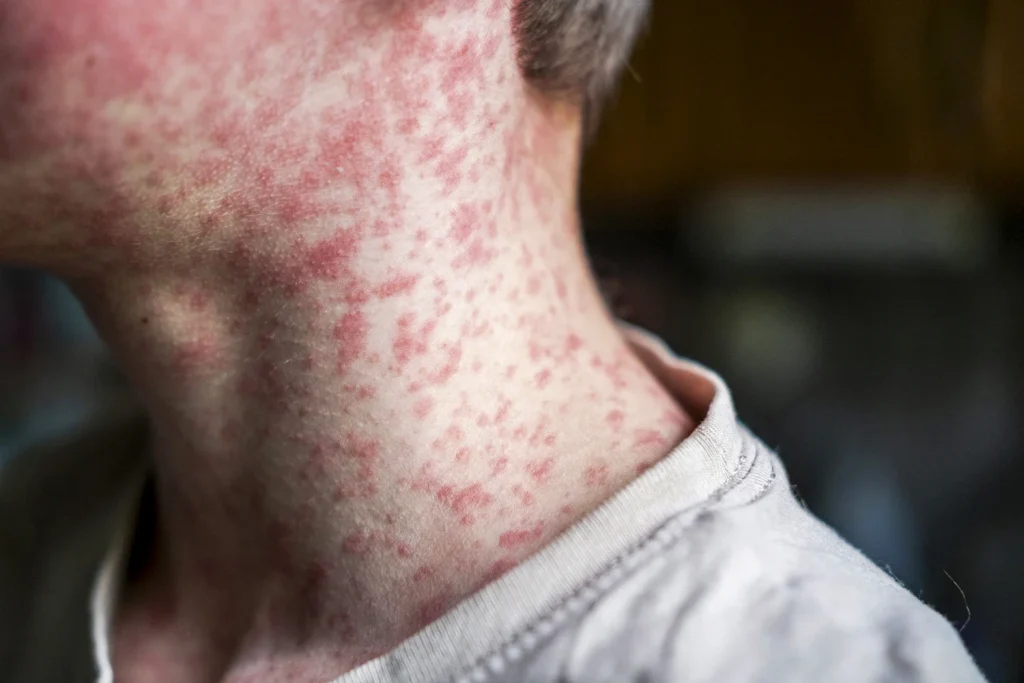
Transmission Pattern: A person is contagious four days before and after a rash begins, meaning someone can spread measles before they know they are infected. The virus can linger in the air for up to two hours after an infected person leaves.
Legal Authority for Government Health Responses
South Carolina law grants the Department of Public Health extensive emergency powers during disease outbreaks, but these powers come with specific legal constraints.
Quarantine and Isolation Authority
Under S.C. Code § 44-4-530, during a public health emergency, DHEC (now DPH) may isolate or quarantine individuals or groups, including those who have not been vaccinated. However, the statute mandates:
Constitutional Safeguards:
- Isolation and quarantine must use the least restrictive means necessary
- Infected individuals must be confined separately from asymptomatic quarantined individuals
- Health status must be monitored regularly
- Individuals must be released immediately when they pose no substantial risk
- Employers cannot fire, demote, or discriminate against employees complying with isolation orders
Related article: How Long After a Divorce Can You Remarry? State-by-State Waiting Period Guide
Due Process Requirements
S.C. Code § 44-4-540 establishes critical procedural protections:
Emergency Orders:
- DHEC may issue temporary emergency isolation/quarantine orders signed by the commissioner if delay would jeopardize disease control
- Within 10 days of issuing emergency orders, DHEC must file a court petition for continued isolation/quarantine
Court Review Process:
- Hearing must occur within five days of petition filing
- Court must appoint counsel for individuals facing isolation/quarantine who cannot afford representation
- Government must prove by preponderance of evidence that isolation/quarantine is reasonably necessary
- Court orders cannot exceed 30 days and must identify specific individuals or groups
Right to Challenge:
- Individuals may request court hearing within 24 hours for extraordinary circumstances
- Otherwise, hearing must occur within five days of request
- Challenging an order does not automatically stay or enjoin the isolation/quarantine requirement
Penalties for Non-Compliance
Under S.C. Code § 44-1-80, failure to comply with isolation or quarantine orders constitutes a felony punishable by:
- Fine up to $1,000
- Imprisonment up to 30 days
- Or both
Law enforcement may arrest individuals violating isolation or quarantine orders after providing written or verbal notice.
South Carolina Vaccination Laws and Exemptions
The outbreak exposes tensions between state vaccination mandates and widely available exemptions.
School Vaccination Requirements
S.C. Code § 44-29-180 and Regulation 61-8 require children attending public, private, or parochial schools to present a South Carolina Certificate of Immunization showing required vaccinations, including measles-mumps-rubella (MMR).
Available Exemptions:
- Medical Exemption: Licensed physician determines specific vaccines are medically inadvisable for the child
- Religious Exemption: Parent, guardian, or person in loco parentis signs and has notarized the South Carolina Certificate of Religious Exemption form, which may only be obtained at the health department
- Special Exemption: School principal may issue 30-day exemption for transfer students awaiting medical records
Critical Gap in Law: The religious exemption form must be notarized but does not require a doctor’s note or any disclosure about the family’s religious beliefs. The number of students in South Carolina who have been granted religious exemptions has increased dramatically over the past decade.
Vaccination Rates and Legal Thresholds
In Spartanburg County, the K-12 vaccination rate for MMR was 90% for the 2024-25 school year, below the 95% level doctors say is needed to protect against an outbreak. The overall percentage of students with required immunizations in Spartanburg fell from 95.1% to 90% between the 2020-21 and 2024-25 academic years.
School Exclusion During Outbreaks
If there is an outbreak of a vaccine-preventable disease in your child’s daycare or school, and your child has not been vaccinated against that disease, your child may have to be excluded from school for their protection until it is determined that it is safe for your child to return.
Current Impact: Some unvaccinated students are now experiencing a second 21-day quarantine since the outbreak began because they did not acquire additional protection through vaccination or natural immunity from infection after the first exposure.
Current Status and Recent Developments
No Litigation Filed
Critical Finding: Research reveals no current lawsuits filed against South Carolina health authorities, schools, churches, or individuals related to the measles outbreak. Unlike other public health crises, this outbreak has not yet generated legal challenges to government authority, vaccination policies, or quarantine orders.
Government Response Limitations
Governor Henry McMaster stated in October that measles “is a dangerous disease, but in terms of diseases, it’s not one that we should panic about,” and on a separate occasion said he does not support vaccine mandates: “We’re not going to have mandates, and I think we are responding properly.”
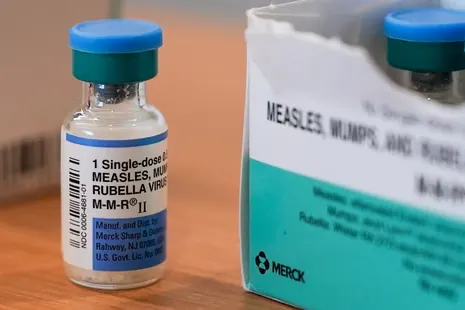
Quiet Public Health Approach: Even though the South Carolina Department of Public Health has repeatedly encouraged measles vaccines, the push has been notably quieter than the agency’s COVID-19 vaccine outreach efforts. In 2021, the agency partnered with breweries throughout the state for a campaign called “Shot and a Chaser,” which rewarded people who got a COVID vaccine with a free beer or soda.
Mobile Clinic Results: On a Monday afternoon in Boiling Springs, only one person showed up to a pop-up measles vaccine clinic. State epidemiologist Linda Bell said during a recent press briefing: “It’s progress. That progress is slow. We had hoped to see a more robust uptake than that in our mobile health units.”
Recent Legislative Context
South Carolina enacted Act No. 3126 in 2022, prohibiting state or political subdivisions from enacting COVID-19 vaccination mandates. The law declares that “the practice of discrimination against an individual because the individual has chosen not to receive a COVID-19 vaccination or booster is a matter of state concern.”
This legislation specifically targeted COVID-19 vaccines and does not affect existing school vaccination requirements for measles, though it reflects the state’s political climate around vaccine mandates.
National Context
There have been 47 outbreaks reported in the United States in 2025, and 88% of confirmed cases (1,673 of 1,912) are outbreak-associated. Three people — two of them Texas schoolchildren — have died from measles in the U.S. this year.
The U.S. risks losing its measles elimination status if outbreaks continue into January 2026. Canada lost that designation last month as did the larger health region of the Americas.
Legal Implications for Affected Parties
For Individuals Under Quarantine
Employment Protection: Employers cannot terminate employees complying with isolation or quarantine orders under S.C. Code § 44-4-530(E), though employers may require use of annual or sick leave.
Educational Disruption: The maximum incubation period for measles is 21 days, so for any student to go through that quarantine period twice, that’s a significant amount of time away from education.
Financial Burden: Individuals are responsible for all costs associated with isolation or self-quarantine, including any medical expenses, lost wages beyond available sick leave, and quarantine-related expenses.
For Schools and Educational Institutions
Reporting Requirements: Schools must submit immunization status reports to DPH within 45 days of the school year’s start, including numbers of students with medical exemptions, religious exemptions, and special exemptions.
Exclusion Authority: Schools must exclude unvaccinated students during outbreaks of vaccine-preventable diseases under S.C. Regulation 61-8.
Audit Exposure: Children without a valid certificate or exemption will not be allowed to attend childcare and/or school. Failure to comply with this law may result in audits and/or legal action.
For Religious Institutions
Way of Truth Church in Inman has been identified as a significant exposure site, with 16 cases linked to the church. However:
No Current Legal Action: No lawsuits have been filed against the church or other religious institutions despite being identified as outbreak centers.
Potential Liability Theories: While no cases exist yet, legal theories could include:
- Premises liability if the church knew of measles exposure and failed to warn attendees
- Negligence if the church encouraged non-vaccination contrary to public health guidance
- Nuisance claims if outbreak spread affects community members
Religious Freedom Defenses: Any potential claims would face First Amendment religious freedom protections and South Carolina’s Religious Freedom Act.
For Parents and Guardians
Custody Implications: Courts may consider vaccination decisions in custody disputes. Legal precedent from other states shows courts generally favor vaccination when parents disagree, based on medical consensus about vaccine safety and effectiveness.
Potential Negligence Claims: In theory, parents of unvaccinated children who spread measles could face negligence claims from affected parties, though such cases are extremely rare and face significant legal obstacles:
- Difficulty proving causation (identifying specific transmission source)
- First Amendment religious freedom protections
- Public policy concerns about chilling legitimate medical decisions
- State vaccination exemption laws providing implicit legal protection for exemption holders
Current Reality: No such claims have been filed in South Carolina related to this outbreak.
Public Health Authority Limits and Accountability
Sovereign Immunity Protections
South Carolina law provides broad sovereign immunity protection for state health officials acting within their authority during public health emergencies. However, exceptions exist for:
- Gross negligence or willful misconduct
- Actions outside statutory authority
- Constitutional violations
Federal Court Precedent
The U.S. Supreme Court’s 2022 decision in Biden v. Missouri upheld the Centers for Medicare and Medicaid Services (CMS) vaccine mandate for healthcare workers, ruling 5-4 that HHS has authority to adopt disease-control measures including vaccine mandates to protect patient safety.
Justice Kagan stated at oral arguments: “Basically the one thing you can’t do is to kill your patients. So you have to get vaccinated so that you’re not transmitting the disease.”
However, the same Court struck down OSHA’s vaccine-or-test mandate for large employers, ruling OSHA exceeded its statutory authority.
State Constitutional Limits
South Carolina’s emergency health powers must comply with:
- Due process requirements (notice, hearing, counsel)
- Equal protection (non-discriminatory application)
- Least restrictive means (minimal necessary restrictions)
- Time limitations (court orders limited to 30 days)
Accountability Mechanisms
Judicial Review: Individuals may challenge isolation/quarantine orders in court with appointed counsel if unable to afford representation.
Legislative Oversight: The General Assembly may amend or limit emergency health powers through legislation.
Political Accountability: Edward Simmer, interim director of the Department of Public Health, would not speak to KFF Health News about the measles outbreak. During a legislative hearing in April, Republican state lawmakers voted against his permanent confirmation because of his past support for COVID-19 vaccines and masking.
What This Reveals About Public Health Law
The Exemption Paradox
South Carolina law simultaneously requires vaccination for school attendance and provides easily accessible religious exemptions with minimal documentation requirements. This creates a legal framework where:
- Mandatory vaccination requirements exist on paper
- Exemptions are practically available to anyone through notarized religious objection
- Enforcement focuses on documentation rather than actual vaccination rates
- Public health officials lack authority to question the sincerity of religious beliefs
Political Constraints on Health Authority
The outbreak demonstrates how political considerations limit public health responses:
- Governor publicly opposes vaccine mandates despite outbreak
- Health director nomination failed over COVID vaccine support
- Mobile vaccination clinics operate discreetly without publicity
- Public health messaging remains muted compared to prior campaigns
Federal vs. State Tensions
While federal health authorities (CDC) recommend aggressive vaccination campaigns, state officials resist:
- No state-level emergency declaration despite 111 cases
- No enhanced vaccination requirements
- No mandatory vaccination for school attendance enforcement beyond existing exemption-riddled framework
Comparison to Other Public Health Litigation
COVID-19 Vaccine Mandate Cases
South Carolina aggressively challenged federal COVID-19 vaccine mandates, joining lawsuits that resulted in:
- Supreme Court stay of OSHA mandate for employers with 100+ employees
- Preliminary injunctions blocking CMS healthcare worker mandate in 14 states (later lifted for 24 states)
- State legislation prohibiting state/local COVID-19 vaccine mandates
Jacobson v. Massachusetts (1905)
The Supreme Court’s foundational public health decision upheld mandatory smallpox vaccination during an outbreak, establishing that states possess police powers to protect public health even when restricting individual liberty. However:
- Modern courts apply stricter scrutiny
- Religious freedom protections have strengthened
- Political climate has shifted significantly against vaccine mandates
Notable Measles Outbreak Cases
New York (2019): Following severe outbreak, New York eliminated religious exemptions. Legal challenges failed, with courts upholding the state’s authority to remove exemptions during public health emergencies.
California (2015-2016): After Disneyland outbreak, California eliminated personal belief and religious exemptions through SB277. Courts upheld the law against constitutional challenges.
South Carolina Distinction: Unlike New York and California, South Carolina has taken no action to restrict exemptions despite ongoing outbreak, reflecting different political and legal approaches to public health authority.
What Happens Next
Short-Term Outlook (Next 3-6 Months)
State epidemiologist Dr. Linda Bell stated: “We are faced with ongoing transmission that we anticipate will go on for many more weeks.” Expect:
- Continued case increases, especially following holiday gatherings
- Extended quarantine periods affecting hundreds of residents
- Ongoing school disruptions with repeated 21-day exclusions for unvaccinated students
- Possible expansion beyond Spartanburg County
Potential Legal Developments
Possible Scenarios:
- Individual Legal Challenges: Individuals under quarantine could challenge orders as overly restrictive or lacking due process
- School Litigation: Schools could face suits from parents over exclusion policies or failure to prevent exposure
- Legislative Action: General Assembly could strengthen or weaken vaccination requirements based on political pressure
- Federal Intervention: If outbreak threatens elimination status, federal authorities could implement emergency measures
Current Likelihood: Low. No lawsuits have been filed despite significant outbreak, suggesting political and legal consensus against litigation.
Long-Term Implications
For Public Health Authority: This outbreak tests whether South Carolina’s public health system can contain disease spread without:
- Mandatory vaccination enforcement
- Emergency declarations
- Aggressive public health campaigns
- Restriction of exemptions
For Individual Rights: The outbreak highlights tensions between:
- Religious freedom and public health protection
- Parental rights and child welfare
- Individual liberty and community safety
- Political preferences and scientific consensus
For Future Outbreaks: South Carolina’s response creates precedent suggesting:
- Limited government intervention even during active outbreaks
- Reliance on voluntary vaccination rather than mandates
- Minimal legal consequences for outbreak-related exposures
- Political constraints on public health messaging
Practical Guidance for Individuals
If You Receive a Quarantine Order
Immediate Actions:
- Document the order (date, time, issuing authority, specific requirements)
- Understand your employer protections under S.C. Code § 44-4-530(E)
- Request legal counsel if order will last beyond emergency 10-day period
- Comply with order to avoid criminal penalties ($1,000 fine and/or 30 days jail)
Your Rights:
- Court-appointed counsel if you cannot afford representation
- Hearing within 5 days of requesting challenge
- Regular health status monitoring
- Least restrictive means necessary
- Immediate release when you pose no substantial risk
If Your Child Is Excluded from School
Understanding Exclusion:
- Schools must exclude unvaccinated students during vaccine-preventable disease outbreaks
- Exclusion protects your child and other students
- Exclusion may last 21+ days depending on exposure timing
- Multiple exposures may result in repeated exclusions
Options:
- Vaccinate your child to allow return to school and prevent future exclusions
- Maintain exemption and accept educational disruption
- Arrange alternative education during exclusion period
- Consult with legal counsel about exemption status
If You Have Concerns About Public Health Response
Reporting Channels:
- South Carolina Department of Public Health: (855) 472-3432
- Local health department for your county
- School principal or district superintendent for school-related concerns
Political Action:
- Contact state legislators about vaccination policy concerns
- Attend school board meetings regarding immunization requirements
- Engage with public health officials through community forums
Frequently Asked Questions
Can the government force me to get vaccinated during a measles outbreak?
No. South Carolina law does not authorize forced vaccination. However:
- Schools can exclude unvaccinated children during outbreaks
- Employers may require vaccination as condition of employment (with exemptions for COVID-19)
- Health authorities may quarantine unvaccinated individuals exposed to measles
- Quarantine avoidance requires either vaccination or avoiding exposure to infected individuals
What if I have a religious objection to vaccination?
South Carolina grants religious exemptions through a notarized form obtained from the health department, which does not require a doctor’s note or disclosure about specific religious beliefs. However:
- Your child may be excluded from school during outbreaks
- You may face extended quarantine if exposed to measles
- You assume responsibility for medical costs if your child contracts measles
- Exemptions do not prevent school exclusion during active outbreaks
Can I sue if my unvaccinated child gets measles at school?
Potential legal theories exist but face significant obstacles:
- Schools are protected by sovereign immunity for public institutions
- Private schools may have liability protections
- Proving specific source of infection is extremely difficult
- South Carolina law permits religious exemptions, implying acceptance of outbreak risk
- No successful cases have been reported in similar circumstances
Can someone sue me if my unvaccinated child spreads measles?
Theoretically possible but extremely unlikely:
- No reported cases of successful negligence claims against parents in measles outbreaks
- Causation is nearly impossible to prove (identifying exact transmission source)
- Religious freedom protections provide strong defense
- State exemption laws provide implicit legal protection
- Public policy concerns about chilling legitimate medical decisions
What legal protections do I have if I’m quarantined and miss work?
Under S.C. Code § 44-4-530(E):
- Your employer cannot fire, demote, or discriminate against you for complying with quarantine orders
- However, employers may require you to use annual or sick leave
- You are responsible for costs associated with quarantine
- No additional wage protections or paid leave requirements exist beyond employer policies
Can I challenge a quarantine order in court?
Yes. S.C. Code § 44-4-540 provides:
- Right to request hearing within 24 hours for extraordinary circumstances
- Otherwise, hearing within 5 days of request
- Court must appoint counsel if you cannot afford representation
- Government must prove by preponderance of evidence that quarantine is reasonably necessary
- Challenging the order does not automatically stop it while challenge proceeds
Will South Carolina change its vaccination exemption laws?
Unknown. Political indicators suggest unlikely:
- Governor opposes vaccine mandates
- Legislature enacted COVID-19 anti-mandate legislation in 2022
- Health director nomination failed over vaccine support
- No current legislative proposals to restrict exemptions
However, if outbreak worsens significantly or spreads statewide, political pressure could shift.
Last Updated: December 12, 2025
About the Author

Sarah Klein, JD, is a licensed attorney and legal content strategist with over 12 years of experience across civil, criminal, family, and regulatory law. At All About Lawyer, she covers a wide range of legal topics — from high-profile lawsuits and courtroom stories to state traffic laws and everyday legal questions — all with a focus on accuracy, clarity, and public understanding.
Her writing blends real legal insight with plain-English explanations, helping readers stay informed and legally aware.
Read more about Sarah