
Ryan Coogler Arrest, Black Panther Director Handcuffed After $12,000 Withdrawal—No Lawsuit Filed, But Impact Still Resonates
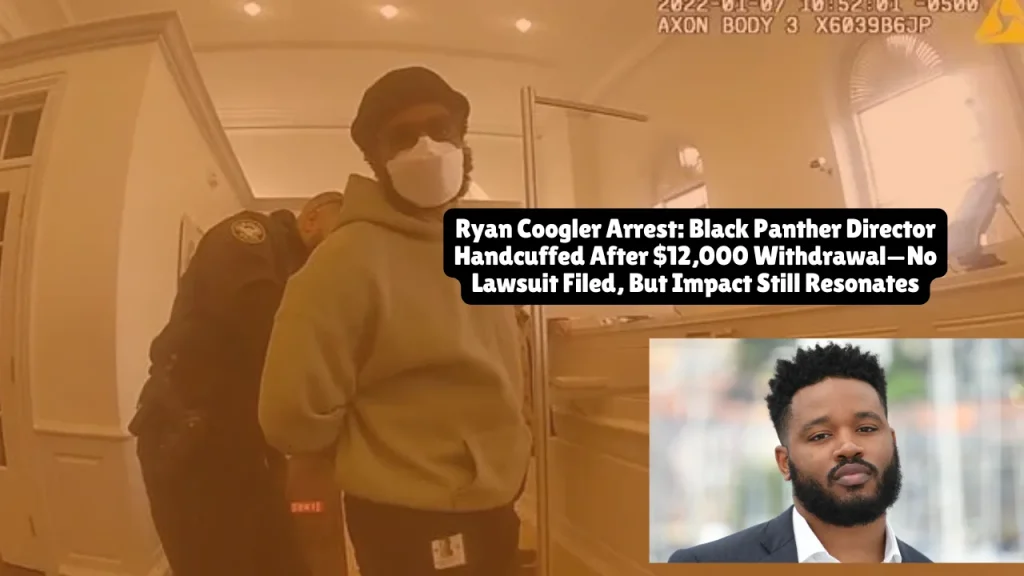
Ryan Coogler, director of Black Panther, was mistakenly arrested and handcuffed by Atlanta police on January 7, 2022, after attempting to withdraw $12,000 from his Bank of America account. A bank teller misinterpreted his discretion request as a robbery attempt, triggering a 911 call that led to his brief detention. Coogler never filed a lawsuit, instead accepting Bank of America’s apology and confidential resolution, but the incident sparked nationwide conversations about racial profiling in banking.
The “Black Panther” director was working on the sequel “Wakanda Forever” when a routine bank transaction turned into a humiliating ordeal that exposed persistent issues with implicit bias in financial institutions.
What Happened During the Arrest
Coogler entered a Bank of America branch in Atlanta’s Buckhead neighborhood to withdraw $12,000 in cash to pay a medical professional who works at his home and prefers cash payment. He handed the teller a withdrawal slip with a note requesting discretion: “I would like to withdraw $12,000 cash from my checking account. Please do the money count somewhere else. I’d like to be discreet.”
The teller received an automatic alert because the transaction exceeded $10,000. Combined with Coogler wearing a hat, sunglasses, and a face mask (during COVID-19), she became suspicious. Despite Coogler providing his valid California ID and bank debit card, the teller told her manager she believed he was attempting to rob the bank and called 911.
Atlanta police arrived and first detained two of Coogler’s colleagues waiting outside in an SUV with the engine running. Officers then approached Coogler inside the bank. Body camera footage shows one officer briefly drawing his gun before another handcuffed Coogler and escorted him outside.
How the Incident Was Resolved
Coogler remained calm throughout the detention, calmly explaining to officers that he was withdrawing money from his own account. “I stated to the officers that arrested me, that had their glocks out, that I was pulling money out of my own account,” Coogler said in body camera footage.
After verifying his identity and Bank of America account information, police released Coogler and his colleagues. The entire incident lasted less than 20 minutes, but the impact proved far more enduring.
Bank of America issued a public apology stating, “We deeply regret that this incident occurred. It never should have happened and we have apologized to Mr. Coogler.” The Atlanta Police Department released body camera footage to show transparency about what occurred.
Coogler responded with measured restraint: “This situation should never have happened. However, Bank of America worked with me and addressed it to my satisfaction and we have moved on.” No formal lawsuit was filed, though reports indicate Bank of America reached a confidential settlement with the director.
Related Article: What is the FACE Act Law? Federal Protection Against Violence and Intimidation—Criminal Penalties and Nationwide Enforcement Explained
Why No Lawsuit Was Filed
Many expected Coogler to file a high-profile civil rights lawsuit against Bank of America and potentially the Atlanta Police Department. The circumstances seemed to invite litigation: a prominent Black filmmaker, clear evidence of racial profiling, body camera footage, and corporate apologies admitting fault.
Instead, Coogler chose a different path. His decision not to pursue litigation doesn’t diminish the incident’s severity—it reflects his personal choice about how to respond to injustice. Some observers characterized it as exhaustion or generosity, but Coogler’s films consistently examine systems and aftermaths rather than reducing complex issues to simple narratives.
Without a lawsuit, the incident remained in public consciousness differently than a legal settlement would have allowed. The story became a reference point in discussions about “banking while Black”—the disproportionate scrutiny Black individuals face in financial settings.
Similar to the Jake Kidder lawsuit, which addressed wrongful arrest and Fourth Amendment violations, Coogler’s incident highlighted how racial bias influences law enforcement responses to routine activities.
What You Must Know
The teller who called police was also Black, sparking conversations about how implicit bias operates beyond simple racial lines. Some attributed her actions to inadequate training, while others saw professional judgment clouded by fear and automated alert systems.
Bank security protocols often flag large cash withdrawals as potential fraud or robbery attempts. Banks across the United States have implemented dress code policies asking customers to remove hoodies, helmets, and sunglasses—policies created to combat robberies but sometimes applied discriminatorily.
Related Article: Covenant Health Data Breach Lawsuit, 478,000 Patients Face Identity Theft Risk After Ransomware Attack—What You Need to Know
Coogler’s experience fits a disturbing pattern. In 2020, a Detroit bank refused to deposit a valid settlement check from a Black man who had just won a racial discrimination lawsuit, instead calling police to investigate him for fraud. A Black realtor in Wyoming, Michigan was handcuffed while showing a home after neighbors called police claiming he was breaking in.
The Warren Sapp lawsuit, which seeks $20 million for wrongful arrest and civil rights violations, demonstrates how such incidents can lead to substantial legal claims even when no criminal charges result.
Bank of America has faced multiple discrimination allegations over the years. The company was sued by five Black employees for racial discrimination in 2007 and fined $2 million in 2013 for race discrimination in hiring practices. In 2019, a Bank of America employee refused to open a joint account for an African-American woman and her son, claiming the social security number was fraudulent despite the son already having an account at the bank.
What Happened After
Coogler returned to work completing “Black Panther: Wakanda Forever,” which was released later in 2022 to critical and commercial acclaim. His post-incident silence was strategic rather than passive—he let the facts speak for themselves.
The incident prompted corporate America to examine its procedures. Banks reviewed protocols for discretionary cash withdrawals. Police departments referenced the body camera video during training about call verification and avoiding unnecessary escalation.
The cultural impact persisted even without litigation. The incident became shorthand in conversations about implicit bias, procedural failures, and who receives benefit of the doubt versus who gets police called on them.
Frequently Asked Questions
Did Ryan Coogler sue Bank of America?
No formal lawsuit was filed. Coogler issued a statement saying Bank of America addressed the incident to his satisfaction and he had moved on. Reports suggest the bank reached a confidential settlement with Coogler, but no public lawsuit or court case exists.
Were any charges filed against Ryan Coogler?
No charges were filed. Police verified Coogler’s identity and released him immediately once they confirmed he was withdrawing money from his own account. The arrest was based on the bank teller’s mistaken belief he was attempting robbery.
What happened to the bank teller who called police?
Bank of America has not publicly disclosed whether the teller faced disciplinary action. The bank’s statement acknowledged the incident should never have happened and apologized to Coogler, but personnel decisions remain confidential.
Could Coogler have successfully sued?
Legal experts suggest Coogler likely had viable claims for false arrest, emotional distress, and potentially discrimination. However, civil rights lawsuits require proving specific legal violations and often face qualified immunity defenses for law enforcement. His decision not to sue was personal rather than based on lack of legal merit.
Has Bank of America changed its policies since this incident?
Bank of America has not publicly announced specific policy changes resulting from the Coogler incident. However, the widespread attention likely prompted internal reviews of procedures for handling large cash withdrawals and training staff to avoid racial profiling.
Can I request discretion when withdrawing large amounts of cash?
Yes, customers can request privacy during transactions. However, banks have security protocols that may flag large cash withdrawals regardless of how you request them. Providing proper identification and being prepared to explain the withdrawal purpose helps avoid misunderstandings.
What should I do if I’m wrongfully detained by police?
Remain calm and avoid physically resisting. Clearly state your identity and that you believe the detention is a mistake. Ask if you’re free to leave. If arrested, invoke your right to remain silent and request an attorney immediately. Document everything afterward, including obtaining body camera footage through public records requests if available.
Last Updated: January 18, 2026
Disclaimer: This article provides information about the Ryan Coogler arrest incident for educational purposes only and does not constitute legal advice.
CTA: Understanding your rights during police encounters and banking transactions can help you navigate situations like Coogler faced—stay informed about civil rights protections and when to seek legal counsel.
Stay informed, stay protected. — AllAboutLawyer.com
About the Author

Sarah Klein, JD, is a licensed attorney and legal content strategist with over 12 years of experience across civil, criminal, family, and regulatory law. At All About Lawyer, she covers a wide range of legal topics — from high-profile lawsuits and courtroom stories to state traffic laws and everyday legal questions — all with a focus on accuracy, clarity, and public understanding.
Her writing blends real legal insight with plain-English explanations, helping readers stay informed and legally aware.
Read more about Sarah