
Porter Ranch Gas Leak Lawsuit, SoCalGas Pays $2 Billion+ What Settled, What Didn’t, and What Residents Say in 2026
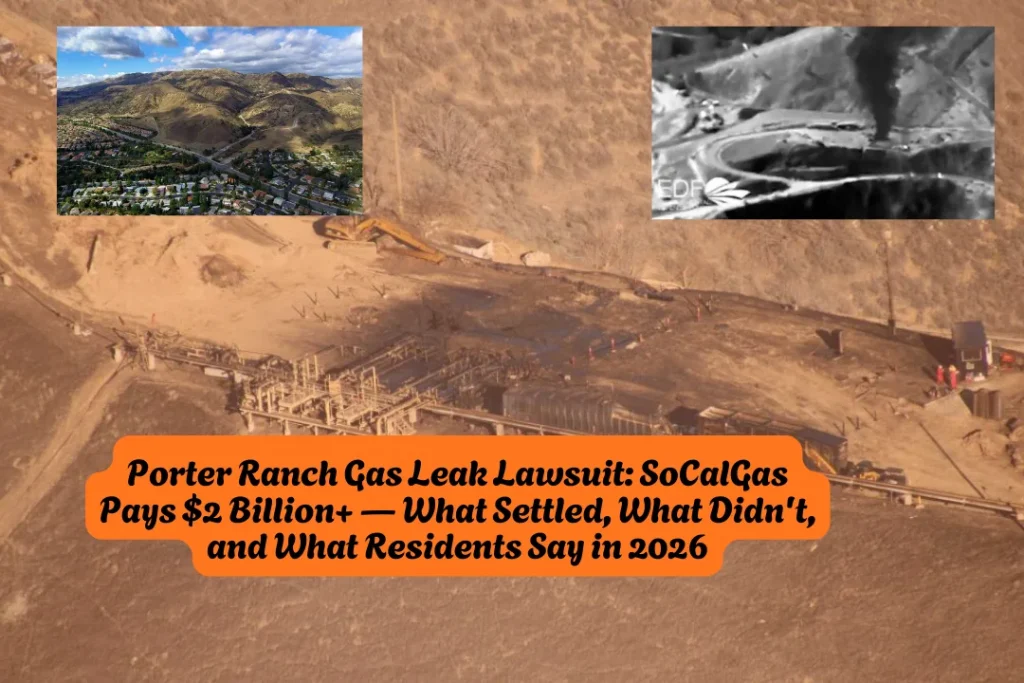
Southern California Gas Company’s Aliso Canyon blowout — the largest natural gas leak in U.S. history — forced the evacuation of 8,300 homes and exposed over 35,000 residents to 109,000 metric tons of methane over 118 days. The settlements and penalties from the disaster have cost SoCalGas and its parent company Sempra Energy more than $2 billion over the past decade. The main personal injury claim deadline has passed. However, long-term health studies are still ongoing, Aliso Canyon continues to operate, and residents and attorneys say the community is still paying the price.
Quick Facts
- Incident: Aliso Canyon natural gas well SS-25 blowout — October 23, 2015
- Defendant: Southern California Gas Company (SoCalGas) / Sempra Energy
- Duration of Leak: 118 days — sealed February 2016
- Chemicals Released: Methane, methyl mercaptan, benzene, hydrogen sulfide, aromatic hydrocarbons
- People Affected: 35,000+ residents; 8,300 homes evacuated; two schools relocated
- Total Paid in Settlements & Fines: $2 billion+
- Personal Injury Settlement: $1.8 billion — 35,000+ plaintiffs (claim deadline passed)
- LA County / State Settlement: $119.5 million
- CPUC Settlement: $105 million (including $34.1M in greenhouse gas mitigation)
- Community Infrastructure Settlement: $71 million
- Criminal Case: Single misdemeanor plea — no jail time
- Aliso Canyon Status: Still operating as of March 2026
- SoCalGas Position: Denied all wrongdoing across all settlements
What Happened: The Aliso Canyon Blowout
On October 23, 2015, SoCalGas employees discovered natural gas spewing from well SS-25 at the Aliso Canyon Gas Storage Facility. The unprecedented leak unleashed methane, methyl mercaptan, and aromatic hydrocarbons into the air around the facility, sickening residents of nearby Porter Ranch. Schools were closed, and thousands of families requested temporary relocation. The leak continued for 118 days before SoCalGas was able to plug the well.
The leak released hazardous chemicals including benzene and hydrogen sulfide, which posed serious long-term health risks. The environmental toll was equally severe, with contamination affecting local ecosystems, soil, and water sources.
A state investigation later found SoCalGas had failed to maintain the Aliso Canyon facility for more than 40 years — and had removed a critical safety valve that prolonged the leak.
Full Settlement Breakdown
$1.8 Billion — Personal Injury (Closed)
In 2021, SoCalGas paid $1.8 billion to settle consolidated personal injury lawsuits brought by more than 35,000 people whose lives, health, and homes were impacted by the blowout. During litigation, SoCalGas and its counsel were sanctioned over $5.7 million for wrongfully withholding more than 150,000 documents.
The personal injury claim deadline has passed. No new claims are being accepted.
$119.5 Million — Los Angeles County & State
The County of Los Angeles, the Los Angeles City Attorney, and the California Attorney General settled with SoCalGas for $119.5 million, which included mandated safety upgrades across SoCalGas’ underground storage facilities countywide.
$105 Million — California Public Utilities Commission
SoCalGas paid $105 million to the California Public Utilities Commission, including $34.1 million in greenhouse gas mitigation funds.
$71 Million — Community Infrastructure
A separate $71 million settlement was directed toward community infrastructure improvements, including $40 million for transitioning homes off natural gas, $14 million for resilience upgrades at senior centers, $15 million for greening schoolyards, and $2 million for community outreach and education.
Criminal Case — One Misdemeanor Plea
Despite the scale of the disaster, SoCalGas faced only a single misdemeanor criminal charge. Residents were unable to get restitution in the criminal case because of the plea deal. “The reality is that the government failed the people of Porter Ranch and they’re still failing them,” said attorney R. Rex Parris.
Ongoing Health Concerns — What Studies Show
The legal battles may be largely resolved, but the health story is not.
One study found that pregnant women within 6.2 miles of the blowout had a nearly 50% higher-than-expected chance of having a low-birth-weight baby — a condition that can lead to a lifetime of health issues for the child. The full impact of the disaster, which is believed to have also released benzene and heavy metals, is still being studied to this day.
Advocacy group Save Porter Ranch described “dreadful reports” in an ongoing health study out of UCLA, noting nine years of continuing suffering, ongoing contaminations, and emissions from the facility.
SoCalGas and Sempra have repeatedly maintained there is no long-term health risk from the blowout — a position that directly contradicts findings from independent researchers.
Aliso Canyon: Still Open in 2026
Perhaps the most contentious ongoing issue for Porter Ranch residents is that the facility that caused the disaster remains operational.
Aliso Canyon continues to operate today because state regulators say it is necessary to keep energy costs down. Residents, advocates, and attorneys believe the facility poses a health risk and should be shut down.
In 2019, Governor Newsom directed the CPUC to fast-track a permanent shutdown. In 2022, a state senator introduced a bill requiring the facility be closed by 2027. As of late 2024, the CPUC proposed reducing reliance on Aliso Canyon — but stopped short of setting a concrete closure date.
For residents still living near the facility, the legal chapter may be closed — but the underlying concern is not. This pattern of long-term community harm following corporate environmental negligence closely parallels the Camp Lejeune toxic water lawsuit — another case where residents lived with ongoing health consequences for years before securing any legal accountability.
For consumers dealing with toxic exposure from products rather than environmental disasters, the Roundup/Monsanto $11 billion litigation illustrates how long-tail health harm from corporate negligence can take decades and billions of dollars in litigation to address.
FAQs
Can I still file a claim for the Porter Ranch gas leak?
The $1.8 billion personal injury settlement claim deadline has passed. Major law firms involved in the case, including Weitz & Luxenberg, are no longer accepting new cases. If you believe you have an unresolved individual claim, consult an attorney immediately to determine if any legal options remain under your state’s statute of limitations.
What chemicals were released in the Aliso Canyon blowout?
The leak released methane, methyl mercaptan, benzene, and hydrogen sulfide — chemicals that pose serious long-term health risks including respiratory damage and increased cancer risk.
Why did SoCalGas only face a misdemeanor charge?
The criminal case resulted in a single misdemeanor plea deal, which prevented residents from obtaining restitution through the criminal process. Many attorneys and advocates have criticized this outcome as insufficient given the scale of the disaster.
How much did individual plaintiffs receive?
Individual payouts from the $1.8 billion settlement were allocated by neutral, independent allocators based on factors including length of exposure, severity of health impacts, and displacement. Specific individual amounts were not publicly disclosed under the settlement terms.
Is Aliso Canyon still operating?
Yes. State regulators have said the facility is necessary to maintain energy reliability and keep costs down. As of late 2024, the CPUC proposed reducing reliance on Aliso Canyon but has not set a firm closure date.
What are the long-term health risks for Porter Ranch residents?
Ongoing research has linked the blowout to elevated rates of low-birth-weight babies among pregnant women who lived near the facility. Benzene and heavy metals released during the leak are also under continued study for long-term cancer and respiratory risks. SoCalGas disputes these findings.
Last Updated: March 10, 2026
Disclaimer: This article is for informational purposes only and does not constitute legal advice. Legal claims and outcomes depend on specific facts and applicable law. For advice regarding a particular situation, consult a qualified attorney.
About the Author

Sarah Klein, JD, is a licensed attorney and legal content strategist with over 12 years of experience across civil, criminal, family, and regulatory law. At All About Lawyer, she covers a wide range of legal topics — from high-profile lawsuits and courtroom stories to state traffic laws and everyday legal questions — all with a focus on accuracy, clarity, and public understanding.
Her writing blends real legal insight with plain-English explanations, helping readers stay informed and legally aware.
Read more about Sarah