
OGX Shampoo Lawsuit, The Reality Behind Hair Loss Allegations That Shook Johnson & Johnson
Johnson & Johnson’s OGX shampoo line faces multiple class action lawsuits over DMDM hydantoin—a preservative that releases formaldehyde and allegedly caused severe hair loss, scalp irritation, and allergic reactions in thousands of consumers. Despite knowing about these risks since 2012, the company continued using this ingredient until September 2021. As of December 2025, litigation remains active with no final settlement announced.
What Is the OGX Shampoo Lawsuit About?
Back in 2021, consumers started noticing something alarming. Their hair wasn’t just thinning—it was falling out in clumps. The common thread? They’d all been using OGX shampoo.
Larissa Whipple was one of the first to take legal action. She’d trusted OGX Biotin + Collagen Shampoo to strengthen her hair. Instead, she watched it fall out after weeks of regular use. Her scalp became dry and irritated. The bottle promised “stronger, fuller hair” but never mentioned the risks lurking inside.
By June 2021, Whipple filed a class action lawsuit in Illinois federal court against Johnson & Johnson Consumer Inc. Her complaint opened the floodgates—thousands of similar reports followed.
The Chemical at the Center of Everything
DMDM hydantoin. That’s the ingredient causing all the trouble.
It’s a preservative that keeps mold and bacteria from growing in water-based products. Sounds harmless enough, right? Here’s the problem: DMDM hydantoin slowly releases formaldehyde when it contacts water. And formaldehyde is a known human carcinogen linked to allergic reactions, scalp irritation, and hair loss.
Scientists raised concerns about formaldehyde-releasing preservatives as early as 1987. A 2015 study showed that heat and time increase formaldehyde release—making it worse for people who use these products regularly.
The FDA lists DMDM hydantoin as one of the most common allergens in cosmetic products. It can trigger immune responses causing itching, rashes, and more severe reactions.
Johnson & Johnson Knew—But Kept Selling
Here’s where it gets frustrating.
Johnson & Johnson publicly announced in 2012 that it would remove formaldehyde and similar ingredients from all personal care products by 2015. They promised to eliminate it from baby products even sooner—by 2013.
They didn’t keep that promise.
When J&J acquired Vogue International (OGX’s parent company) for $3.3 billion in 2016, they inherited the entire OGX product line. Despite their earlier commitment, they continued manufacturing OGX products with DMDM hydantoin until September 2021.
Even after announcing they’d stop using DMDM in September 2021, bottles containing the ingredient remained on store shelves for months afterward. No recall was issued. No warning labels were added.
Consumers learned about the risks only after experiencing them firsthand—through their own hair loss, through online forums, through watching their scalp break out in sores.
Related article: Pretty Litter Lawsuit, What You’re Really Finding Online
Which Products Are Named in the Lawsuit?
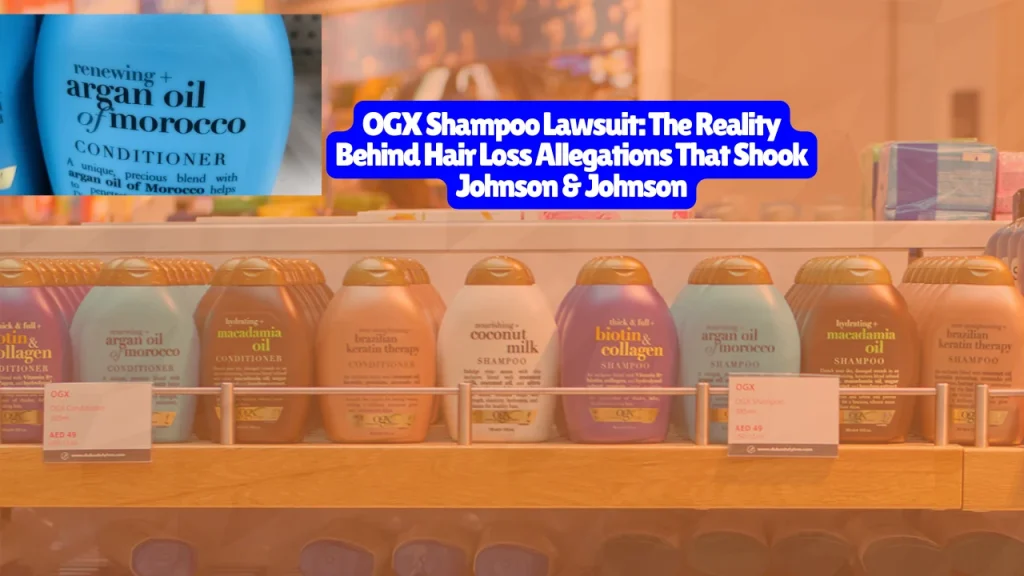
The lawsuit identifies multiple OGX product lines containing DMDM hydantoin:
- OGX Biotin + Collagen Shampoo and Conditioner
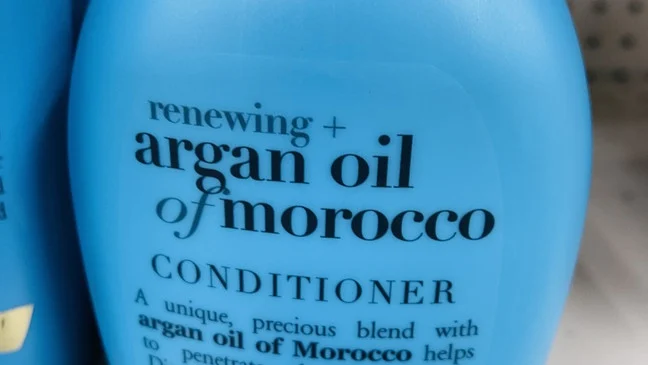
- OGX Renewing Argan Oil of Morocco Shampoo and Conditioner
- OGX Extra Strength Hydrate & Repair Argan Oil of Morocco
- OGX Ever Straightening Plus Brazilian Keratin Therapy
- OGX Quenching + Coconut Curls Shampoo and Conditioner
- OGX Tea Tree Mint Shampoo
- Various other OGX formulas sold before September 2021
If you check products manufactured before September 2021, you’ll see DMDM hydantoin listed in the ingredients.
What Consumers Actually Experienced
Online forums and complaint databases paint a troubling picture.
Users reported symptoms appearing weeks or even months into regular use. Some noticed gradual thinning. Others woke up to find clumps of hair on their pillow. Many developed scalp irritation—redness, itching, sores, flaking.
One user wrote: “I started using OGX Biotin & Collagen for thinning hair. Instead of improving, my hair started falling out more. Now I have major bald spots.”
Another shared: “I used OGX tea tree on my daughter for a couple years. She had lots of scalp issues, sores, flakes, shedding hair, itching. She needed medicated shampoo and prescriptions for skin infection. I stopped using OGX when I saw news about the lawsuit. Used medicated shampoo to heal her scalp and she’s been fine since.”
These aren’t isolated incidents. Thousands of similar reports emerged.
Dermatologists note that formaldehyde can cause inflammatory reactions in hair follicles of susceptible individuals, leading to hair shedding or breakage. Not everyone using OGX experienced problems—but for those who did, the damage was real.
The Legal Claims Against Johnson & Johnson
The lawsuits accuse Johnson & Johnson of several violations:
Failure to Warn: Despite knowing the risks, J&J failed to warn consumers that DMDM hydantoin could cause hair loss or scalp irritation. No warning labels appeared on bottles.
False Advertising: OGX products were marketed as nourishing, repairing, and strengthening hair. The reality contradicted these claims for many users.
Use of Dangerous Ingredients: Plaintiffs argue that safer alternatives exist—including glyoxylic acid, potassium sorbate, citric acid, rosemary oil extract, and other natural preservatives that don’t release carcinogens.
Misleading Marketing: Bottles showed natural ingredients like argan oil, biotin, and collagen. They promoted the products as gentle and safe. The presence of a formaldehyde-releasing preservative wasn’t prominently disclosed.
The lawsuits also argue this was “an entirely unnecessary risk” since safer alternatives were available and already being used by other brands.
Current Status of the OGX Lawsuits
Multiple cases were filed starting in 2021. Here’s where things stand as of December 2025:
Carr v. Johnson & Johnson (Eastern District of New York): Filed in 2022, this case remains active. Status conferences continued through September 2023. As of April 2024, this is one of the primary ongoing lawsuits in U.S. federal court. The deadline for motions on class certification, summary judgment, and Daubert motions was December 18, 2024.
Marina Scott Benzene Case (Northern District of Illinois): Filed December 15, 2022, this separate lawsuit alleges OGX dry shampoo products contain benzene—another carcinogen. Scott purchased OGX Extra Strength Dry Shampoo Coconut Miracle Oil from Walgreens. Independent laboratory testing by Valisure discovered high levels of benzene that weren’t listed on the label.
Earlier Cases: Some initial class action lawsuits reached confidential settlements in March 2022. Details of those settlements weren’t publicly disclosed.
Similar to other consumer protection cases like the Chime lawsuit, these OGX cases highlight how companies sometimes prioritize profits over consumer safety.
Is There a Settlement Yet?
Not yet. As of December 2025, litigation is active and ongoing.
While some early cases reached confidential settlements in 2022, the major class action lawsuits remain in court. No comprehensive settlement has been announced that would provide compensation to all affected consumers.
What About Similar Lawsuits?
OGX isn’t alone. Multiple hair care brands face similar legal challenges over formaldehyde-releasing preservatives:
TRESemmé: Class action lawsuits allege TRESemmé Keratin Smooth products containing DMDM hydantoin caused hair loss and scalp irritation. In 2012, Unilever (TRESemmé’s parent company) paid $10.2 million to settle claims over its Suave keratin range.
Mane ‘n Tail: Several products under investigation for DMDM hydantoin content.
Selsun Blue: A separate case involving scalp irritation allegations reached a quiet settlement.
Much like the ongoing Monsanto lawsuits over allegedly harmful products, these hair care cases demonstrate a pattern of manufacturers continuing to use controversial ingredients despite safety concerns.
Do You Qualify to File a Claim?
You may have grounds to join the lawsuit if:
- You purchased and used OGX products containing DMDM hydantoin (manufactured before September 2021)
- You experienced hair loss, scalp irritation, rashes, or allergic reactions after using these products
- You have documentation of your purchase (receipts, bank statements, Amazon orders, or photos of bottles)
- You sought medical treatment or dermatology visits related to hair or scalp issues
Even without receipts, bank statements, online order history, or photos of product bottles can support your case.
What Compensation Might Be Available?
Potential compensation could include:
- Refunds for products purchased
- Reimbursement for medical expenses (dermatology visits, medicated shampoos, prescriptions)
- Compensation for hair treatments or replacement products
- Damages for pain, suffering, and emotional distress
The exact amounts will depend on final settlement terms or court verdicts. Past similar cases provide some context—the 2012 Unilever Suave settlement paid $10.2 million across affected consumers.
How to Protect Yourself Moving Forward
If you’re still using OGX products, check the ingredient list. Products manufactured after September 2021 should be reformulated without DMDM hydantoin—though older bottles may still be in circulation.
Look for these red flags in any hair care products:
- DMDM hydantoin
- Quaternium-15
- Diazolidinyl urea
- Imidazolidinyl urea
- Sodium hydroxymethylglycinate
- 2-bromo-2-nitropropane-1,3-diol (Bronopol)
These are all formaldehyde-releasing preservatives.
Consider switching to products with safer alternatives like citric acid, potassium sorbate, or natural preservatives like rosemary oil extract.
What Legal Experts Say
Legal analysts note these cases highlight corporate accountability issues. Companies have a duty to warn consumers about known risks—especially when safer alternatives exist.
The fact that Johnson & Johnson publicly committed to removing formaldehyde-releasing ingredients in 2012 but continued using them for another nine years strengthens plaintiffs’ claims of negligence and false advertising.
These cases also demonstrate how long it can take for consumer harm to translate into corporate action. Many users experienced symptoms for months or years before connecting their hair loss to their shampoo.
What Happens Next?
Court proceedings continue through 2025 and into 2026. Key developments to watch:
- Class certification decisions
- Discovery revealing internal company documents
- Expert testimony on formaldehyde exposure and hair loss
- Potential settlement negotiations
If you experienced adverse effects from OGX products, consult with a consumer protection attorney. Most offer free consultations and work on contingency—meaning they only get paid if you win.
Document everything: take photos of remaining product bottles, gather purchase records, and get medical documentation of any scalp or hair issues.
The Bigger Picture
The OGX lawsuit represents a critical moment for consumer safety in the beauty industry. It raises important questions about ingredient transparency, corporate responsibility, and how consumers can protect themselves when products don’t deliver on their promises—or worse, cause harm.
Thousands trusted OGX’s marketing claims about nourishing and repairing hair. They believed products showing natural oils and fruits on the label would be gentle and safe. Instead, many experienced the opposite of what was promised.
Whether through settlement or verdict, these cases will likely influence how personal care products are formulated, labeled, and marketed going forward. They serve as a reminder that beautiful packaging and compelling promises don’t always reflect what’s actually inside the bottle.
FAQs
Q: Is OGX shampoo still being sold?
A: Yes, OGX products remain available. The company claims current formulations no longer contain DMDM hydantoin, but older bottles may still be in stores.
Q: How do I know if my OGX product contains DMDM hydantoin?
A: Check the ingredients list on the bottle. If it was manufactured before September 2021, it likely contains DMDM hydantoin.
Q: Can I still file a claim?
A: Possibly. Class action lawsuits remain active. Consult with an attorney to determine if you qualify and what deadlines apply.
Q: Did Johnson & Johnson recall OGX products?
A: No. Despite announcing they would stop using DMDM hydantoin in September 2021, no recall was issued to remove existing products from shelves.
Q: Are there other shampoos with similar problems?
A: Yes. TRESemmé, Mane ‘n Tail, and other brands face similar lawsuits over formaldehyde-releasing preservatives.
Q: What should I do if I experienced hair loss from OGX?
A: Stop using the product immediately. See a dermatologist to rule out other medical conditions. Document your symptoms with photos. Gather purchase records. Consider consulting with a consumer protection attorney.
Q: How long will these lawsuits take?
A: Class action lawsuits often take several years to resolve. Some OGX cases have been pending since 2021, with major decisions still ahead in 2025-2026.
About the Author

Sarah Klein, JD, is a licensed attorney and legal content strategist with over 12 years of experience across civil, criminal, family, and regulatory law. At All About Lawyer, she covers a wide range of legal topics — from high-profile lawsuits and courtroom stories to state traffic laws and everyday legal questions — all with a focus on accuracy, clarity, and public understanding.
Her writing blends real legal insight with plain-English explanations, helping readers stay informed and legally aware.
Read more about Sarah