
Nursing Home Abuse Lawsuit 2026, Average $400K Settlements As Families Fight Neglect, Bedsores, And Wrongful Death
Nursing home abuse lawsuits allow families to seek justice and compensation when residents suffer neglect, physical harm, or wrongful death in long-term care facilities. The average settlement is approximately $400,000, though some families have recovered over $1 million depending on injury severity. As of February 2026, nearly one in three nursing homes has been cited for violations causing serious harm to residents, and attorneys have secured over $318 million for abuse victims nationwide.
What Types Of Abuse Trigger Nursing Home Lawsuits?
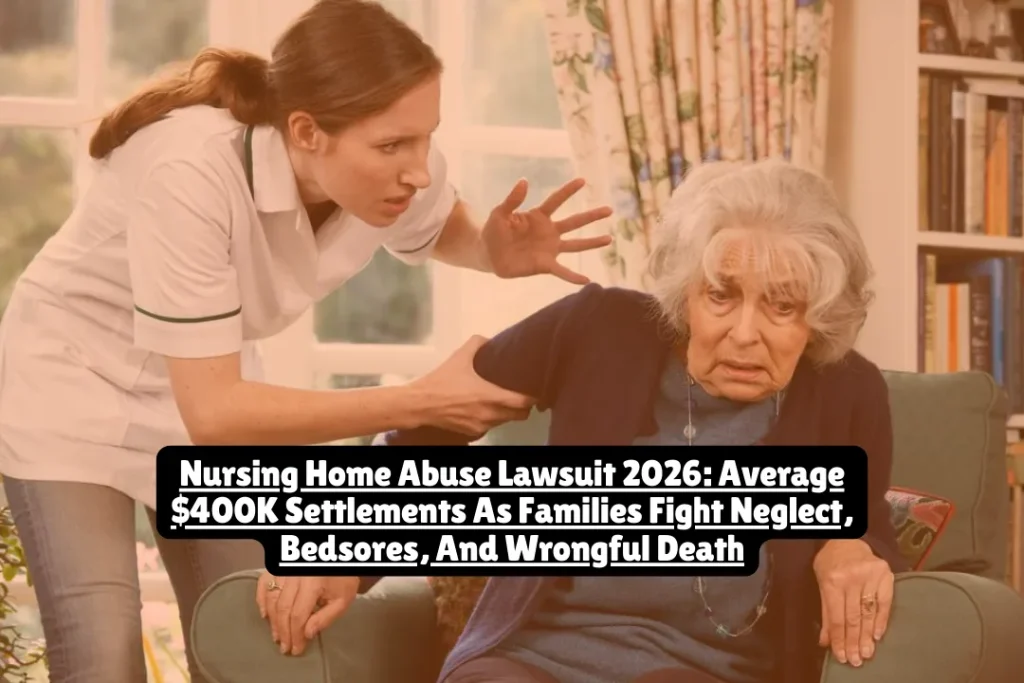
Nursing home lawsuits typically involve four categories of harm. Physical abuse occurs when staff members use force or violence against residents, including hitting, kicking, pushing, or slapping. Nearly 10 percent of nursing home staff admitted to physically harming residents in their care, according to the World Health Organization.
Neglect is the most common type of mistreatment. This happens when facilities fail to meet basic care standards, leading to physical or psychological injury. Common examples include failing to prevent bedsores, inadequate nutrition or hydration, medication errors, and leaving residents in soiled clothing for extended periods.
Sexual abuse involves any unwanted sexual contact with nursing home residents. In January 2026, the Oregon Department of Justice announced Michael Putman was sentenced to 15 years in prison for sexually abusing an 86-year-old resident at Churchill Estates memory care facility in Eugene over several months while employed as her evening caretaker.
Financial exploitation occurs when staff or others misuse a resident’s money or property. Approximately 94 percent of nursing homes are understaffed according to the American Health Care Association, which increases risks for all types of abuse.
Recent Major Settlements And Verdicts
New York led enforcement actions in 2025. The New York Attorney General secured a $12 million settlement and reforms involving a Syracuse-area nursing home after investigating serious neglect and abuse. Earlier, the office exposed widespread mistreatment at a Long Island facility, resulting in an $8.6 million settlement.
According to Health Affairs, the average nursing home neglect payout in the United States is about $400,000. However, individual case values vary dramatically based on injury severity and jurisdiction.
Notable settlements and verdicts secured by attorneys include an $18.2 million award to a Rhode Island woman who suffered a heart attack due to poor care, $2 million for a California woman with dementia who died after being denied treatment, and $1.75 million to the family of a Massachusetts man who died in a nursing home fire caused by neglect.
Other significant case results include $1.35 million for an Alabama resident who suffered a severe shoulder injury, $1.18 million to a nursing home patient in Indiana, $1.11 million for a Florida woman who had a heart attack while under care, and $1 million to a California man whose mother died in a facility.
Who Can File A Nursing Home Abuse Lawsuit?
The resident themselves can file if they’re mentally competent and able to participate in litigation. If the resident has dementia or is otherwise unable to speak for themselves, whoever has power of attorney may file on their behalf.
Family members including spouses, children, siblings, and other relatives can file wrongful death lawsuits if the resident died due to abuse or neglect. Estate representatives can also bring claims on behalf of deceased residents.
Most nursing home abuse cases are handled on contingency, meaning attorneys only get paid if they win a settlement or verdict. Typical contingency fees range from 33 to 40 percent of the recovery amount.
Statute Of Limitations Deadlines By State
Every state has strict deadlines called statutes of limitations for filing nursing home lawsuits. Most states allow 2 to 3 years from the date of injury or death to file claims.
In New York, families typically have 3 years to file negligence claims and 2 years for wrongful death cases. Missing these deadlines permanently bars legal action, which is why consulting an attorney immediately after discovering abuse is critical.
The countdown often starts when abuse is discovered or reasonably should have been discovered, especially in cases involving residents with cognitive impairments like dementia or Alzheimer’s disease who may be unable to report mistreatment.
How Nursing Home Lawsuits Work
Attorneys begin by investigating the claim, gathering medical records, facility inspection reports, witness statements, and expert medical opinions. They file the lawsuit against responsible parties, which can include the facility itself, parent companies, individual staff members, and physicians.
Most cases settle out of court. According to the Journal of Empirical Legal Studies, 61 percent of personal injury plaintiffs who rejected settlement offers and went to trial actually received less compensation than if they had settled.
Settlements offer several advantages: faster compensation (typically 18 to 24 months versus years for trial), guaranteed payment amounts agreed upon by both parties, privacy through confidentiality clauses, and reduced emotional stress for families.
If settlement negotiations fail, cases proceed to trial where both sides present evidence before a judge and jury. Either party can appeal verdicts they disagree with, potentially extending litigation for additional years.
Warning Signs Of Nursing Home Abuse
Families should watch for unexplained injuries including bruises, cuts, burns, or broken bones. Bedsores (pressure ulcers) are a red flag for neglect, as they develop when residents aren’t repositioned regularly.
Behavioral changes can signal abuse. Residents may become withdrawn, fearful, depressed, or anxious around certain staff members. Sudden weight loss suggests inadequate nutrition or hydration.
Poor hygiene including unwashed hair, body odor, or soiled clothing indicates neglect. Medication errors such as overmedication or undermedication may cause confusion, falls, or other complications.
Financial irregularities like unexplained withdrawals from bank accounts or missing personal belongings can indicate exploitation. Similar to other personal injury cases like the Janice Griffith lawsuit where negligence and unsafe conditions led to injury claims, nursing home residents and families have legal rights to pursue compensation when duty of care is breached.
Steps To Take If You Suspect Abuse
Document everything immediately. Photograph visible injuries, save medical records, and write down dates, times, and descriptions of incidents or concerning observations.
Report abuse to multiple authorities. Contact your state’s Adult Protective Services, the Long-Term Care Ombudsman Program, local law enforcement for criminal abuse, and the facility administrator.
Move your loved one to a safe environment if possible. Many families relocate residents to different facilities while pursuing legal claims.
Consult a nursing home abuse attorney as soon as possible to preserve evidence and meet statute of limitations deadlines. Most offer free case evaluations to determine if you have viable claims.
Compensation Available In Nursing Home Lawsuits
Damages typically include past and future medical expenses for treating abuse-related injuries, costs of relocating to a new facility, funeral and burial expenses in wrongful death cases, and pain and suffering compensation.
Families can also recover for emotional distress, loss of companionship in wrongful death claims, and punitive damages in cases involving particularly egregious conduct designed to punish defendants and deter future abuse.
The specific amount depends on injury severity, extent of medical treatment required, whether death occurred, the resident’s life expectancy, jurisdiction where the case is filed, and strength of evidence proving facility liability.
Frequently Asked Questions
What Is A Nursing Home Abuse Lawsuit?
A nursing home abuse lawsuit is a legal claim filed when a resident in a long-term care facility is harmed due to neglect, mistreatment, or abuse. The victim or their family may bring these lawsuits to seek justice and financial compensation.
How Much Compensation Can I Receive From A Nursing Home Lawsuit?
The average settlement is approximately $400,000, though amounts vary widely. Some families have received over $1 million for severe injuries or wrongful death. Compensation depends on injury severity, medical expenses, and other case-specific factors.
How Long Do I Have To File A Nursing Home Abuse Lawsuit?
Most states allow 2 to 3 years from the date of injury or discovery of abuse. Wrongful death claims may have different deadlines. Missing these deadlines permanently bars legal action, so consult an attorney immediately.
What Types Of Abuse Are Covered In Nursing Home Lawsuits?
Physical abuse, neglect (the most common), sexual abuse, emotional abuse, and financial exploitation are all grounds for lawsuits. Neglect includes bedsores, malnutrition, medication errors, and failure to provide basic care.
Who Can File A Nursing Home Abuse Lawsuit?
The resident themselves if mentally competent, anyone with power of attorney if the resident is incapacitated, family members including spouses and children, and estate representatives in wrongful death cases can file claims.
Do I Need To Pay Upfront For A Nursing Home Abuse Lawyer?
No. Most nursing home abuse attorneys work on contingency, meaning they only get paid if you win. Typical fees are 33 to 40 percent of the settlement or verdict amount.
How Long Does A Nursing Home Abuse Lawsuit Take?
Most cases take 18 to 24 months to resolve through settlement. Cases that go to trial may take longer, potentially several years including appeals. Settlement typically provides faster compensation than trial verdicts.
Last Updated: February 8, 2026
Disclaimer: This article provides information about nursing home abuse lawsuits based on publicly available court filings, regulatory reports, and legal resources. It is not legal advice. For specific questions about your situation, consult a qualified nursing home abuse attorney.
If you suspect your loved one is experiencing abuse or neglect in a nursing home, document all concerning incidents, report to authorities immediately, and consult an experienced attorney to protect your family’s rights.
Stay informed, stay protected. — AllAboutLawyer.com
About the Author

Sarah Klein, JD, is a licensed attorney and legal content strategist with over 12 years of experience across civil, criminal, family, and regulatory law. At All About Lawyer, she covers a wide range of legal topics — from high-profile lawsuits and courtroom stories to state traffic laws and everyday legal questions — all with a focus on accuracy, clarity, and public understanding.
Her writing blends real legal insight with plain-English explanations, helping readers stay informed and legally aware.
Read more about Sarah