
Nike Data Tracking Lawsuit, Company Ignores Privacy Settings, Shares Customer Data Without Consent
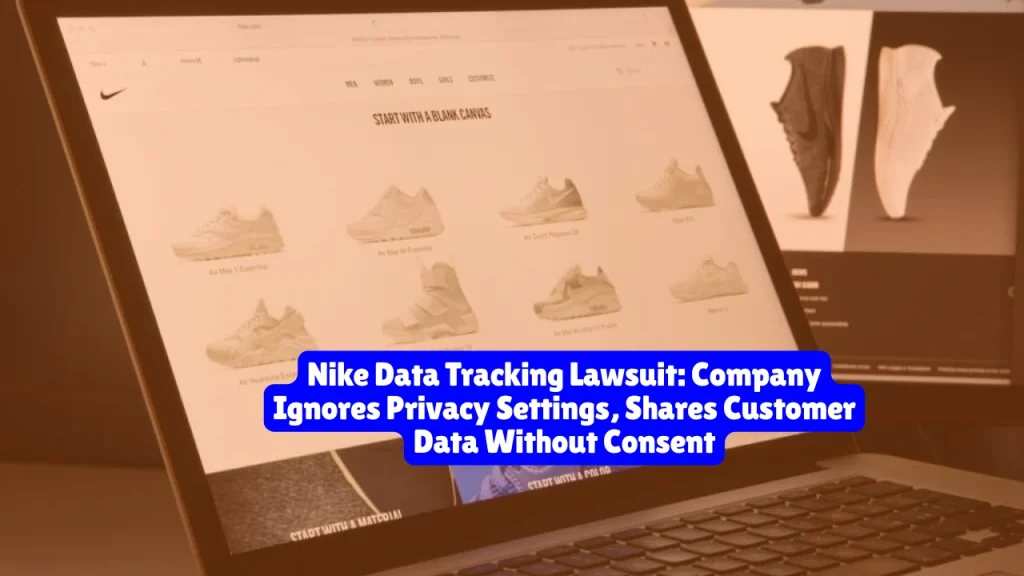
Nike faces multiple class action lawsuits alleging the company installs tracking software on website visitors’ browsers without consent, ignores Global Privacy Control signals requesting no tracking, and shares personal data with third parties including TikTok, Google, Meta, and The Trade Desk. The lawsuits claim Nike violates California’s Invasion of Privacy Act (CIPA), Florida privacy laws, and federal wiretapping statutes by collecting browsing behavior, keystrokes, location data, device information, and personally identifiable information—then selling it to data brokers and advertisers. Visitors to Nike.com in California (past two years) and Florida (past two years) may be eligible for statutory damages.
A billion-dollar “identity resolution” industry exists solely to maintain files on every American based on data secretly harvested from personal computers. Nike is accused of feeding this machine—without asking permission first.
What Nike Is Accused Of
Multiple lawsuits paint a disturbing picture of how Nike.com allegedly operates behind the scenes.
Tracking Software Installed Automatically
The moment you land on Nike.com, the website allegedly installs tracking software on your browser—even if you’ve explicitly opted out of data sharing.
According to the Florida lawsuit filed December 16, 2024, Nike’s website automatically deploys invasive tracking technologies on visitors’ browsers without asking consent first.
This happens even when users have:
- Enabled their browser’s Global Privacy Control (GPC) indicator
- Selected privacy settings requesting no tracking
- Clicked Nike’s “your privacy choices” link to opt out
The lawsuit alleges Nike’s privacy opt-out link is deliberately misleading—it creates the illusion of choice while continuing to track users regardless of their preferences.
Related article: Talbots Fake Sale Class Action Lawsuit, False 60% Off Discounts, Inflated Prices, and Prices That Never Existed
Data Shared With Third Parties
Once Nike collects your data, the lawsuits allege it’s shared with multiple third parties including:
TikTok: A September 2024 California lawsuit claims Nike uses TikTok-designed software that collects and transmits users’ phone numbers, device data, browser information, location, how they found Nike.com, and which pages they viewed.
Google and Meta (Facebook): Tracking pixels and analytics tools allegedly send Nike visitors’ behavior data to these advertising giants.
The Trade Desk: A real-time bidding platform where Nike allegedly auctions user profiles to advertisers behind the scenes.
FullStory: A 2021 California lawsuit claims Nike allowed this analytics company to “wiretap” website visitors by secretly recording keystrokes, mouse clicks, data entry, and personally identifiable information in real time.
The “Fingerprinting” Problem
Nike’s tracking software allegedly uses a technique called “fingerprinting” to identify anonymous website visitors.
The process works like this:
- Software collects as much data as possible about an “otherwise anonymous” visitor
- That data gets matched with existing information TikTok and other companies have accumulated about hundreds of millions of Americans
- Your anonymous visit becomes permanently tied to your identity
This creates detailed profiles of individuals based on their online activities—without their knowledge or consent.
Multiple Lawsuits, Same Pattern
Nike faces at least four separate class action lawsuits over unauthorized data tracking:
1. Florida Lawsuit (December 2024)
Plaintiffs: Neal Magenheim and Angela Neil
Court: U.S. District Court for the Southern District of Florida
Filed: December 16, 2024
Claims:
- Invasion of privacy
- Trespass upon chattels (unauthorized use of personal property—your computer)
- Conversion (taking your data without permission)
- Unjust enrichment
Class: All individuals who accessed Nike.com from Florida within the past two years
What They Want: Damages including punitive damages, plus disgorgement (Nike forced to give back) all profits generated from the alleged unlawful conduct
2. California TikTok Lawsuit (September 2024)
Plaintiff: Not specified in initial filing
Court: U.S. District Court for the Central District of California
Case No: 2:24-cv-08093
Filed: September 2024
Claims:
- Violation of California Invasion of Privacy Act (CIPA)
- Use of illegal “trap and trace devices” without court order
Class: Anyone in California whose information was sent to TikTok by Nike.com through TikTok tracking software during the applicable statute of limitations period
3. California CIPA Lawsuit (December 2024/January 2025)
Plaintiff: Saleha Abdullah
Court: U.S. District Court for the Northern District of California
Filed: Recent weeks (December 2024-January 2025)
Claims:
- Violation of CIPA
- Unlawful use of “pen registers” and “trap and trace devices”
Allegations: Nike deploys tracking from Google, Meta, and The Trade Desk without user consent, collecting browsing history, device information, and location data for targeted advertising and real-time bidding
4. FullStory “Wiretapping” Lawsuit (October 2021)
Plaintiff: Lisa Castro
Court: California federal court
Filed: October 2021
Claims:
- Violation of California Invasion of Privacy Act
- Illegal wiretapping of electronic communications
Allegations: Nike allowed FullStory to secretly observe and record website visitors’ keystrokes, mouse clicks, and entry of personally identifiable information through “session replay” technology
Class: All California residents who visited Nike.com and whose electronic communications were intercepted or recorded by FullStory
Status: Unknown—likely settled or dismissed, as no recent updates are available
What Is CIPA and Why Does It Matter?
The California Invasion of Privacy Act (CIPA) is one of the strictest privacy laws in the United States.
CIPA makes it illegal to use “pen registers” or “trap and trace devices” without either:
- Explicit user consent, OR
- A court order
What’s a pen register? A device that records outgoing information (like what you type or click).
What’s a trap and trace device? A device that records incoming information (like what websites send to your computer).
Under CIPA, tracking pixels, cookies, and analytics tools that record user behavior function as these surveillance devices—and require permission before deployment.
The penalties are significant: $5,000 per violation in statutory damages.
If Nike tracked 100,000 California residents without consent, the potential liability could reach $500 million in statutory damages alone.
The Global Privacy Control Problem
Here’s what makes Nike’s conduct particularly egregious, according to the lawsuits:
The Global Privacy Control (GPC) is a browser setting that sends a clear signal to websites: “Do not track me. Do not sell my data.”
Major browsers like Firefox, DuckDuckGo, and Brave support GPC. California law (under CCPA/CPRA) requires websites to honor GPC signals.
The Florida lawsuit alleges Nike completely ignores GPC indicators.
Even when your browser explicitly tells Nike “I do not consent to tracking,” the website allegedly proceeds to:
- Install tracking software anyway
- Collect your data anyway
- Share your data with third parties anyway
The “Your Privacy Choices” Deception
Nike.com includes a “your privacy choices” link—the kind required by California privacy laws.
When you click it, you can supposedly opt out of data sharing.
But according to the Florida lawsuit, it’s a fake opt-out.
Even after users explicitly withhold consent through this link, Nike’s website allegedly continues deploying tracking software, collecting data, and sharing it with third parties.
This creates a false sense of privacy control while doing the exact opposite behind the scenes.
Real Consumer Impact
The lawsuits include details from actual Nike.com visitors who discovered they were being tracked:
Lisa Castro visited Nike.com in October 2020. She says she never consented to being wiretapped by FullStory, yet her keystrokes and mouse movements were allegedly recorded in real time.
Neal Magenheim and Angela Neil (Florida plaintiffs) accessed Nike.com believing their privacy settings would be respected—only to discover tracking software was installed regardless of their preferences.
Online comments from Nike customers reveal widespread concern:
“I buy all my shoes from the Nike website. Please recompense me for the breach of trust with private sensitive information.”
“I use their website all the time for purchases since we have no local store.”
“I visit the website often.”
These aren’t just privacy violations—they’re betrayals of customer trust by a brand people interact with regularly.
What Data Nike Allegedly Collects
According to the various lawsuits, Nike’s tracking software collects:
✗ Browsing behavior: Which pages you visit, how long you stay, what you click
✗ Keystrokes and mouse movements: Every character typed, every click made
✗ Device information: Your device type, operating system, screen resolution
✗ Location data: Your geographic location based on IP address
✗ Personally identifiable information: Information you enter into forms
✗ Phone numbers: Collected and transmitted to TikTok
✗ Referral data: How you found Nike.com (Google search, social media, direct)
✗ Purchase behavior: Whether you made a purchase, what you bought, how much you spent
All of this allegedly happens in real time, with data immediately transmitted to third parties.
The Identity Resolution Industry
The Florida lawsuit describes a concerning reality: a billion-dollar “identity resolution” industry exists to maintain files on every American.
Companies in this industry:
- Buy data harvested from websites like Nike.com
- Combine it with data from other sources
- Create detailed profiles of individuals
- Sell those profiles to advertisers, marketers, and data brokers
Your single visit to Nike.com doesn’t stay on Nike.com. It allegedly becomes part of a permanent file that follows you across the internet—showing up as targeted ads on social media, streaming TV, and websites everywhere you go.
Similar Lawsuits Against Major Brands
Nike isn’t alone in facing CIPA lawsuits over website tracking.
Estée Lauder (December 2024): Sued for “secretly deploying” Google and Facebook tracking without consent
Luxottica/Ray-Ban (December 2024): Accused of tracking users via third-party cookies even after users requested no tracking
Converse (September 2024): Sued for using TikTok software to track website chat users without consent
Teladoc (September 2024): Faces class action over chat transcription and sharing with TikTok
This wave of CIPA lawsuits represents a broader trend: California’s strict privacy law is being used to challenge corporate surveillance practices that were previously unchecked.
What Nike Could Owe
If the lawsuits succeed, Nike faces substantial liability.
CIPA statutory damages: Up to $5,000 per violation (each tracked user potentially counts as a separate violation)
Actual damages: Compensation for harm caused by privacy violations
Punitive damages: Additional penalties to punish Nike and deter future misconduct
Disgorgement of profits: Nike forced to give back money it earned from unauthorized data collection
Injunctive relief: Court orders requiring Nike to stop tracking without consent
Based on similar privacy settlements:
- Google paid $391.5 million in 2022 for location tracking violations
- Meta paid $1.4 billion in 2023 for EU privacy violations
- Amazon paid $25 million in 2023 for Alexa privacy violations
Current Status of the Lawsuits
As of January 2026:
Florida lawsuit: Recently filed (December 16, 2024), in early stages. No motions to dismiss or settlement discussions yet.
California CIPA lawsuits: Filed in recent weeks (late 2024/early 2025), early litigation stages.
FullStory lawsuit (2021): Status unknown—likely settled or dismissed as no recent updates exist.
Typical class action timeline:
- Months 1-12: Class certification, initial motions
- Months 12-24: Discovery, motion practice
- Months 24-36: Settlement negotiations or trial
Most privacy class actions settle rather than go to trial—but it typically takes 2-3 years from filing to settlement approval.
Who Can Join the Class Actions
Florida Lawsuit:
- Anyone who accessed Nike.com from Florida within the past two years
- No proof of purchase required—just visiting the website is enough
California Lawsuits:
- Anyone in California who visited Nike.com during the applicable limitations period (typically 1-4 years depending on the specific claim)
- TikTok lawsuit specifically covers California residents whose data was sent to TikTok
What You Need:
- Evidence you visited Nike.com (browser history, purchase receipts, account records)
- Residency in the applicable state during the relevant time period
You typically don’t need to “sign up” when a class action is first filed. If the court certifies the class, eligible consumers receive notice with instructions on filing claims.
How to Protect Your Privacy Now
1. Use Global Privacy Control
Enable GPC in browsers that support it:
- Firefox
- DuckDuckGo
- Brave
- Safari (via Privacy Badger extension)
This sends a legally binding “do not track” signal to websites.
2. Use Privacy-Focused Browsers
Consider switching to:
- Brave (blocks trackers by default)
- Firefox (strong privacy settings)
- DuckDuckGo (mobile browser with built-in tracking protection)
3. Install Tracking Blockers
Browser extensions like:
- uBlock Origin
- Privacy Badger
- Ghostery
These block tracking scripts before they load.
4. Clear Cookies Regularly
Delete cookies and site data frequently to remove existing tracking identifiers.
5. Use Incognito/Private Browsing
While not perfect, private browsing modes prevent some tracking by not storing cookies between sessions.
6. Read Privacy Policies Carefully
Look for mentions of:
- Third-party data sharing
- Analytics providers
- Advertising partners
- “Session replay” or “user experience” tools
7. Exercise Your Privacy Rights
Under California law (CCPA/CPRA), you can:
- Request what data companies have about you
- Demand deletion of your data
- Opt out of data sales
- Sue for statutory damages if rights are violated
What Happens Next
The Nike data tracking lawsuits will likely proceed through:
Class Certification: Courts decide whether to certify cases as class actions representing all affected consumers
Discovery: Both sides exchange evidence, including Nike’s internal communications about tracking practices, contracts with third-party data companies, and technical documentation
Settlement Negotiations: Most privacy class actions settle. Nike may offer settlements to avoid costly litigation and negative publicity
Trial: If no settlement is reached, juries decide whether Nike violated privacy laws
Given the recent wave of CIPA lawsuits and federal judges expressing concerns about the law’s complexity, we may also see:
- Legislative amendments to clarify CIPA’s application to website tracking
- Court rulings that shape how tracking technologies are regulated
- Additional lawsuits against other major brands
Frequently Asked Questions
Q: Do I need to have purchased something from Nike to join the lawsuit?
No. The lawsuits cover anyone who visited Nike.com, whether or not they made a purchase. Simply loading the website allegedly triggered tracking.
Q: What if I live outside California and Florida?
Current lawsuits only cover California and Florida residents. However, additional class actions may be filed in other states, or the class definitions may expand.
Q: How much money could I receive?
CIPA provides statutory damages up to $5,000 per violation. However, actual payouts depend on settlement amounts, number of claimants, and court rulings. Many privacy settlements result in $50-$500 per person.
Q: How do I prove I visited Nike.com?
Check your browser history, email receipts from Nike purchases, account activity on Nike.com, or credit card statements showing Nike transactions.
Q: Can Nike face criminal charges?
These are civil lawsuits seeking monetary damages. CIPA violations are not criminal offenses, though repeated violations could trigger FTC enforcement or state attorney general investigations.
Q: What’s the difference between cookies and session replay?
Cookies store small pieces of data on your computer. Session replay records your entire browsing session—every keystroke, click, and page view—like someone literally watching over your shoulder.
Q: Is it illegal for websites to use tracking?
Not necessarily. Tracking becomes illegal when websites:
- Don’t disclose tracking in privacy policies
- Ignore user opt-out requests
- Deploy tracking that functions as “wiretapping” under state law
- Violate consent requirements under privacy statutes
Q: Why is TikTok specifically mentioned?
TikTok has faced intense scrutiny over data privacy and potential ties to the Chinese government. Companies using TikTok tracking software face heightened concerns about where user data ultimately goes.
Q: Can I still shop at Nike.com?
Yes. The lawsuits are about privacy violations, not product safety. However, be aware that visiting the site may result in data collection despite privacy settings.
Q: Has Nike responded to these lawsuits?
Nike has not issued public statements about the recent lawsuits as of January 2026. In past privacy lawsuits, major companies typically move to dismiss or enter settlement negotiations.
Legal Resources and Information
Florida Lawsuit:
Nike Complaint (PDF)
Case: Magenheim, et al. v. Nike Inc., U.S. District Court for the Southern District of Florida
California Lawsuits:
Case: Jurdi, et al. v. Nike Inc., Case No. 2:24-cv-08093, U.S. District Court for the Central District of California
Plaintiff Attorneys (Florida lawsuit):
James P. Gitkin, Salpeter Gitkin LLP
Joshua M. Entin, Entin Law Group P.A.
Nolan K. Klein, Law Offices of Nolan Klein P.A.
Your visit to Nike.com isn’t just about shopping for sneakers. It’s allegedly about feeding a massive data collection apparatus that tracks, profiles, and monetizes your every click—without asking permission first.
As these lawsuits progress, we’ll learn whether courts agree that Nike crossed the line from acceptable marketing to illegal surveillance. Either way, this case serves as a stark reminder: when something is free on the internet, you’re not the customer—you’re the product.
About the Author

Sarah Klein, JD, is a licensed attorney and legal content strategist with over 12 years of experience across civil, criminal, family, and regulatory law. At All About Lawyer, she covers a wide range of legal topics — from high-profile lawsuits and courtroom stories to state traffic laws and everyday legal questions — all with a focus on accuracy, clarity, and public understanding.
Her writing blends real legal insight with plain-English explanations, helping readers stay informed and legally aware.
Read more about Sarah