
Neighbor Dog Lawsuits, Neighbor’s Dog Mauled My Child, $400K Settlements and Jail Time for Owners
Neighbor dog lawsuits have escalated dramatically in late 2025, with recent cases resulting in $400,000 settlements, criminal charges against owners, and dogs being seized by authorities. Courts now hold owners strictly liable in most states, meaning victims can sue even if the dog never showed aggression before. Recent attacks in Texas, Oregon, and Massachusetts show families winning substantial damages for medical bills, emotional trauma, and permanent scarring.
What Recent Neighbor Dog Attack Cases Reveal
December 2025 saw multiple severe attacks making headlines. In Salem, Oregon, a one-year-old girl suffered five inches of skin removed from her skull, a skull fracture, and multiple bites after her neighbor’s dog mauled her on December 1. The owner, Melinda Walker, 53, faces criminal charges. Records show the same dog attacked a 5-year-old child Walker was babysitting in May 2025.
In Houston, three-year-old Santiago Capetillo lost both front teeth, suffered fractured facial bones, and sustained eye injuries when a neighbor’s dog lunged through his family’s front door on November 18, 2025. Harris County animal control seized the dog on December 3, 2025, though the owner denies his dog attacked the child.
A Sabine County, Texas case filed in August 2025 involves a 10-year-old boy who required five surgeries and over 500 stitches after three unleashed dogs crossed into his yard and mauled him. The lawsuit names neighbors Pennie and Thomas Maggard as defendants. First responders applied two tourniquets to prevent the child from bleeding to death.
What Are Dog Owners Legally Liable For?
Most states enforce strict liability for dog attacks. Owners are responsible for injuries their dogs cause regardless of the dog’s history or the owner’s knowledge of aggressive behavior. Massachusetts law exemplifies this approach—dog owners face automatic liability when their pet injures someone, even with no prior aggression.
In April 2025, a Massachusetts court awarded $400,000 to a 10-year-old girl attacked by a neighbor’s dog that escaped through a fence hole. The settlement covered both physical injuries and emotional trauma, despite the girl having only minor scarring. The court found the owner’s failure to repair the fence constituted clear negligence.
Strict liability means victims don’t need to prove the owner knew the dog was dangerous. The only common defense is provocation—if the victim antagonized or harmed the dog first. Children playing normally cannot be considered provoking a dog.
Related article: Tyra Banks Lawsuit | Tyra Banks Sued for $2.8M After Signing 10-Year Lease for “Hot Ice Cream” Shop Allegedly Abandoned
What Damages Can Victims Recover?
Neighbor dog attack lawsuits typically seek compensation for:
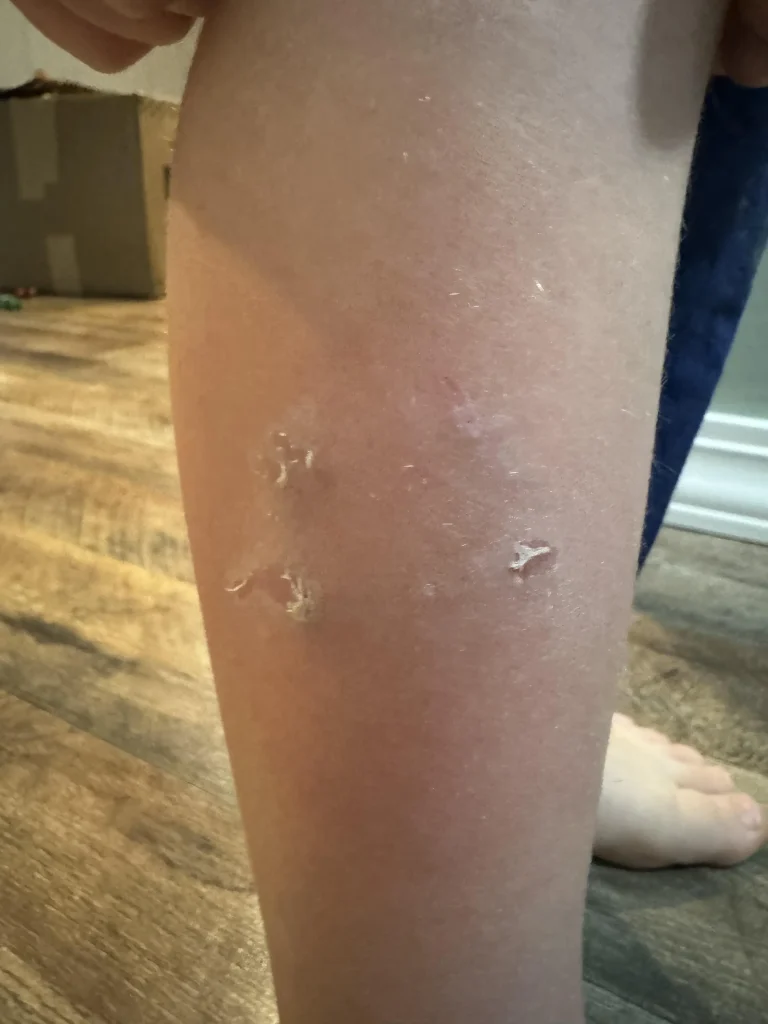
Medical Expenses: Emergency treatment, surgery, hospital stays, ongoing care, plastic surgery for scarring, rabies shots when vaccination status is unknown.
Emotional Distress: Therapy costs, PTSD treatment, anxiety medication. Courts increasingly recognize lasting psychological harm, especially in child victims who develop persistent fear of dogs.
Lost Income: Parents missing work to care for injured children, adult victims unable to work during recovery.
Pain and Suffering: Physical pain from injuries, emotional trauma from the attack, reduced quality of life.
Permanent Scarring: Compensation for disfigurement that affects appearance and self-esteem, particularly significant in child cases where scarring lasts a lifetime.
The $400,000 Massachusetts settlement demonstrates courts value emotional trauma even when physical scarring is minimal. The 10-year-old victim developed lasting fear of dogs and required ongoing psychological treatment.
What Criminal Charges Can Dog Owners Face?
Beyond civil lawsuits, owners can face criminal prosecution. Melinda Walker’s December 2025 case in Salem shows prosecutors filing criminal charges after her dog’s second attack on a child. Criminal charges typically apply when:
- The dog previously attacked someone and the owner failed to secure it
- The owner violated local leash laws or dangerous dog ordinances
- The owner knowingly kept a dangerous dog without proper restraints
- The attack causes severe injury requiring hospitalization
Criminal convictions can result in fines, jail time, and court-ordered euthanasia of the dog. Civil lawsuits proceed separately from criminal cases—victims can win damages regardless of criminal case outcomes.
What Happens to Dogs After Attacks?
Animal control typically investigates after dog attacks. Outcomes include:
Immediate Seizure: Authorities remove dogs deemed immediate threats. Harris County seized the dog that attacked Santiago Capetillo on December 3, 2025, after the family pressed safety concerns.
Dangerous Dog Designation: Courts can order dogs declared “dangerous,” requiring owners to:
- Carry liability insurance ($100,000-$500,000 policies common)
- Post warning signs on property
- Keep dog muzzled in public
- Maintain secure fencing
- Fit dog with special identification collar
Euthanasia: Courts may order dogs destroyed after attacks causing severe injury, especially if prior attacks occurred. In the Sabine County case, the owner shot one attacking dog immediately, and deputies killed another displaying continued aggression.
Quarantine for Rabies: Unvaccinated dogs are quarantined 10 days for rabies observation. Santiago Capetillo required rabies shots because the attacking dog’s vaccination status was unknown.
What Laws Govern Neighbor Dog Liability?
State laws vary significantly on dog owner liability:
Strict Liability States (Massachusetts, California, Washington, Illinois, Ohio): Owners automatically liable for dog bite injuries regardless of dog’s history or owner’s knowledge. No “one free bite” rule.
Negligence States: Victims must prove owner knew or should have known dog was dangerous, or owner failed to exercise reasonable care.
Mixed Approach States: Strict liability for dog bites specifically, but negligence standard for other injuries like property damage or knock-down injuries.
Local ordinances add additional requirements:
- Leash laws requiring dogs restrained in public
- Fencing requirements for dangerous breeds
- Maximum number of dogs per household
- Licensing and vaccination requirements
- Nuisance laws for excessive barking
Violations of these ordinances strengthen victim lawsuits by establishing owner negligence.
What Should Victims Do Immediately After an Attack?
Seek Medical Care: Dog bites carry high infection risk. Bacteria from dog mouths can penetrate deep into tissue. Urgent care or emergency room visits are essential, even for seemingly minor bites.
Document Everything: Photograph injuries immediately and throughout healing. Take photos of the attack location, the dog if possible, and any property damage. Keep all medical records and bills.
Report to Authorities: File reports with both police and animal control. This creates official records crucial for lawsuits. Even if you want to handle things neighborly, reports protect others from future attacks.
Identify Witnesses: Neighbors who saw the attack or have observed the dog’s aggressive behavior provide valuable testimony.
Preserve Evidence: Keep torn or bloodied clothing. Note the dog’s vaccination tag number if visible. Record the owner’s statements about the incident.
Contact Attorney Quickly: Evidence degrades over time. Witnesses move. Dog owners may relocate. Most states impose two-year statutes of limitations for personal injury lawsuits, but acting sooner protects your case.
Do Not Accept Quick Settlements: Insurance companies often offer low initial settlements hoping victims will accept without legal advice. These typically don’t cover long-term medical needs or emotional trauma.
What Defenses Do Dog Owners Have?
Homeowner’s insurance typically covers dog bite liability, with insurers providing legal defense and paying settlements up to policy limits. Standard policies include $100,000-$300,000 coverage, though some insurers exclude certain breeds.
Common owner defenses include:
Provocation: Victim hit, kicked, or tormented the dog before the attack. This rarely applies to young children playing normally.
Trespassing: Victim was illegally on owner’s property. This defense fails when dogs escape owner’s property and attack on public sidewalks or neighbor’s yards.
Assumption of Risk: Victim knew the dog was dangerous but voluntarily approached it anyway. Courts apply this narrowly and almost never to children.
Comparative Negligence: In some states, courts reduce damages if victim contributed to injuries, such as ignoring visible warning signs about a dangerous dog.
These defenses rarely succeed in cases involving young children attacked without warning. The Massachusetts $400,000 settlement shows courts reject defenses when attacks occur on public property where victims have every right to be.
How Long Do These Cases Take?
Small claims court handles property damage cases quickly—typically 2-6 months from filing to hearing. These cases involve straightforward property destruction claims under $10,000.
Serious injury cases take longer:
- Investigation Phase: 2-4 months gathering medical records, witness statements, and evidence
- Demand Letter: 30-60 days for insurance response
- Negotiation: 2-6 months settlement discussions
- Litigation: 12-24 months if case goes to trial
Most cases settle before trial. The $400,000 Massachusetts case settled without trial. Insurance companies typically settle when liability is clear and injuries are well-documented.
What About Repeated Attacks?
Victims can file multiple lawsuits for ongoing nuisances. If a neighbor’s dog repeatedly escapes, barks excessively, or threatens attacks, you can sue each time damages occur. Small claims courts allow repeated filings as long as each case involves new harm.
The Salem, Oregon case demonstrates escalating liability. After the May 2025 attack on a 5-year-old, authorities should have required stricter containment. The December 2025 attack on the one-year-old shows failure to prevent repeat incidents results in criminal charges.
What Are Recent Settlement and Verdict Amounts?
Recent cases show substantial awards:
- $400,000 Massachusetts settlement (April 2025): 10-year-old girl with minor scarring but significant emotional trauma
- $500,000+ potential damages (Sabine County, Texas, August 2025): 10-year-old requiring 500+ stitches and five surgeries
- Undisclosed amounts (Houston, Oregon cases): Cases proceeding through litigation in December 2025
Settlements depend on:
- Severity of injuries: Permanent scarring, broken bones, nerve damage increase value
- Age of victim: Children’s cases typically receive higher awards due to lifetime impact
- Medical expenses: Higher bills justify larger settlements
- Owner’s negligence: Prior attacks or violations increase liability
- Insurance coverage: Policy limits often cap settlements
What About Emotional Support Animals and Service Dogs?
Service dogs and emotional support animals receive different legal treatment. Legitimate service dogs trained for specific disability-related tasks are generally not considered dangerous even if they react defensively. However, owners remain liable if service dogs attack unprovoked.
Emotional support animals lack the same legal protections. If an emotional support dog attacks a neighbor, standard liability rules apply. The “support animal” designation doesn’t shield owners from responsibility.
Can You Sue If Your Dog Was Attacked?
Yes. Pet owners can sue neighbors whose dogs attack their animals. Lawsuits typically seek:
- Veterinary bills
- Medication and ongoing care costs
- Replacement value of the pet if killed
- Emotional distress damages (recognized in some states)
Courts traditionally treat pets as property, limiting recovery to economic losses. Some states now allow emotional distress damages, recognizing pets as family members.
Frequently Asked Questions
Can I sue my neighbor if their dog bit my child?
Yes. Most states enforce strict liability, making owners automatically responsible regardless of the dog’s history. You can sue for medical expenses, pain and suffering, emotional trauma, and permanent scarring. Contact a personal injury attorney immediately—most offer free consultations and work on contingency (no fee unless you win).
What if the dog never showed aggression before?
In strict liability states, prior behavior doesn’t matter. Massachusetts, California, Illinois, Washington, and Ohio hold owners liable even if the dog never previously acted aggressively. The “one free bite” rule no longer applies in most jurisdictions.
Will my neighbor’s homeowner’s insurance cover the damages?
Most homeowner’s policies include dog bite liability coverage ($100,000-$300,000 typical). Insurers provide legal defense and pay settlements up to policy limits. Some insurers exclude pit bulls, Rottweilers, and other breeds considered high-risk. If your neighbor lacks coverage or has insufficient limits, you may sue them personally.
What if my neighbor says I can’t prove their dog did it?
Documentation matters. Photos of your injuries, the dog, and the attack location help prove your case. Witness statements from people who saw the attack strengthen claims. DNA analysis of saliva or fur in wounds can definitively identify the attacking dog. The Houston case shows owners sometimes deny responsibility even when evidence is clear—courts decide based on evidence, not owner denials.
Can I get the dog put down after it attacks someone?
Courts can order euthanasia after severe attacks, especially with prior incidents. You typically cannot unilaterally have a neighbor’s dog destroyed—animal control and courts make these decisions. However, you can request a “dangerous dog” hearing where judges consider whether the dog poses ongoing threats. Repeat offenses greatly increase chances of court-ordered euthanasia.
How much can I sue for in small claims court?
Small claims limits vary by state: $5,000-$25,000 maximum depending on jurisdiction. These limits work for property damage claims but typically insufficient for serious injury cases. Severe attacks requiring hospitalization, surgery, or causing permanent scarring should be filed in regular civil court where no damage limits apply.
What if the attack happened on my property?
Owners are still liable when dogs trespass and attack on your property. The Salem and Houston December 2025 cases both involved dogs entering victims’ property or attacking at victims’ doorways. Trespassing strengthens your case—you had every right to be safe on your own property.
Can I sue if the dog just scared my child but didn’t bite?
Possibly. If the incident caused genuine emotional trauma requiring therapy, or if the dog knocked your child down causing injury, you may have a claim. Documentation of therapy sessions, medical treatment for anxiety, or physical injuries from being knocked down support these cases. Pure fright without injury or treatment typically doesn’t justify lawsuits.
Legal Disclaimer
This article provides general information about neighbor dog lawsuits and does not constitute legal advice. Laws vary significantly by state and local jurisdiction. Outcomes depend on specific case facts, applicable state laws, and individual circumstances.
If you or your child has been injured in a dog attack, consult with a licensed personal injury attorney in your state immediately. Most offer free initial consultations and work on contingency—you pay nothing unless they win your case. Acting quickly preserves evidence and protects your legal rights.
Time limits apply to filing lawsuits. Most states impose two-year statutes of limitations for personal injury claims, but some have shorter deadlines. Do not delay seeking legal advice.
Article current as of December 22, 2025. Laws and case outcomes subject to change.
About the Author

Sarah Klein, JD, is a licensed attorney and legal content strategist with over 12 years of experience across civil, criminal, family, and regulatory law. At All About Lawyer, she covers a wide range of legal topics — from high-profile lawsuits and courtroom stories to state traffic laws and everyday legal questions — all with a focus on accuracy, clarity, and public understanding.
Her writing blends real legal insight with plain-English explanations, helping readers stay informed and legally aware.
Read more about Sarah