
Native Shampoo Lawsuit Updates 2026, Investigation Closed Without Filing—But PFAS Hair Loss Complaints Spark Consumer Backlash Against P&G
As of October 20, 2025, no court filings against Native Shampoo exist. The investigation officially closed without a formal lawsuit being filed in federal or state court. However, thousands of consumers continue reporting hair loss, scalp irritation, and betrayal over allegations that this “clean beauty” brand—owned by Procter & Gamble since 2017—contains toxic PFAS “forever chemicals” despite marketing itself as “naturally derived” and “simple.”
Understanding why attorneys closed the investigation and what it means for your consumer rights matters if you trusted Native’s clean beauty claims.
What Happened To The Native Shampoo Lawsuit?
Attorneys working with ClassAction.org finished their investigation into this matter in May 2025. The most cited source is the ClassAction.org page, which shows the investigation is complete (and not an active filing).
As of April 26, 2024, the class action lawsuit against Native was still in the investigative stage. Attorneys joined forces with ClassAction.org to see if a suit could be filed against the company over false advertising concerns. The Native shampoo lawsuit alleges that the shampoo contains PFAs (Perfluoro alkoxy alkanes), a group of chemicals known as “forever chemicals” that have been used in consumer products since the 1950s.
The investigation examined whether Native products contain PFAS despite claims they’re made with “naturally derived” and “clean” ingredients. However, lawyers likely decided that they lacked documented injuries, insufficient lab evidence confirming PFAS presence, or no clear proof the label misled consumers into purchases.
Why Consumers Felt Betrayed By Native
In early 2025, a growing number of people started posting online about Native shampoo hair loss experiences. On platforms like TikTok, users shared videos showing thinning hair or scalp irritation they claimed occurred after using Native products.
TikTok user Hailey, who is recognized on the platform as @hmsmilezzz, has posted a video in April 2025 indicating that since switching to Native, her curly hair has begun to thin out. Reddit threads soon followed, filled with similar complaints ranging from mild dryness to severe hair fall. Some users even said they were considering legal action.
On social media, you’ll see plenty of posts about rashes, snapping hair, and a general “what the heck?” vibe. Over and over, you’ll read the same line: “I thought I could trust this brand.”
Similar consumer backlash emerged in the Balance Of Nature $9.95M False Advertisement Class Action Settlement, Who Qualifies, How To File By March 11, 2026 case, where supplements marketed as health products faced allegations of misleading claims.
The PFAS “Forever Chemicals” Allegations
One of the claims that really jumps out is about PFAS, sometimes called “forever chemicals” because they stick around in the body and the environment for ages. They’ve been tied in studies to cancer, problems with reproduction, and other serious health issues.
Per- and polyfluoroalkyl substances (PFAS) are a group of manufactured chemicals that have been linked to various environmental and health concerns, including cancer. PFAs are widely used in various industries due to their oil- and water-resistant properties. Some common applications include food packaging and non-stick cookware. These chemicals do not degrade easily in the environment.
Lab tests described in the Native Shampoo investigation indicated traces of PFAS in the shampoo. If that is the case, it will be at odds with Native’s branding as a clean beauty company. However, PFAS do occur naturally in water, soil, and packaging, and therefore, contamination might not necessarily be directly attributed. More tests will show if it’s just a single case or if it affects many batches.
Which Native Products Were Under Investigation?
The website lists a collection of products that the team is currently looking into, which includes but is not limited to the cucumber and mint shampoo and conditioner, the powder and cotton body wash, and the citrus and herbal musk deodorant.
The investigation wasn’t limited to shampoo. While the Native shampoo lawsuit has received the most attention due to hair loss concerns, other products are also being examined for potential safety and labeling issues.
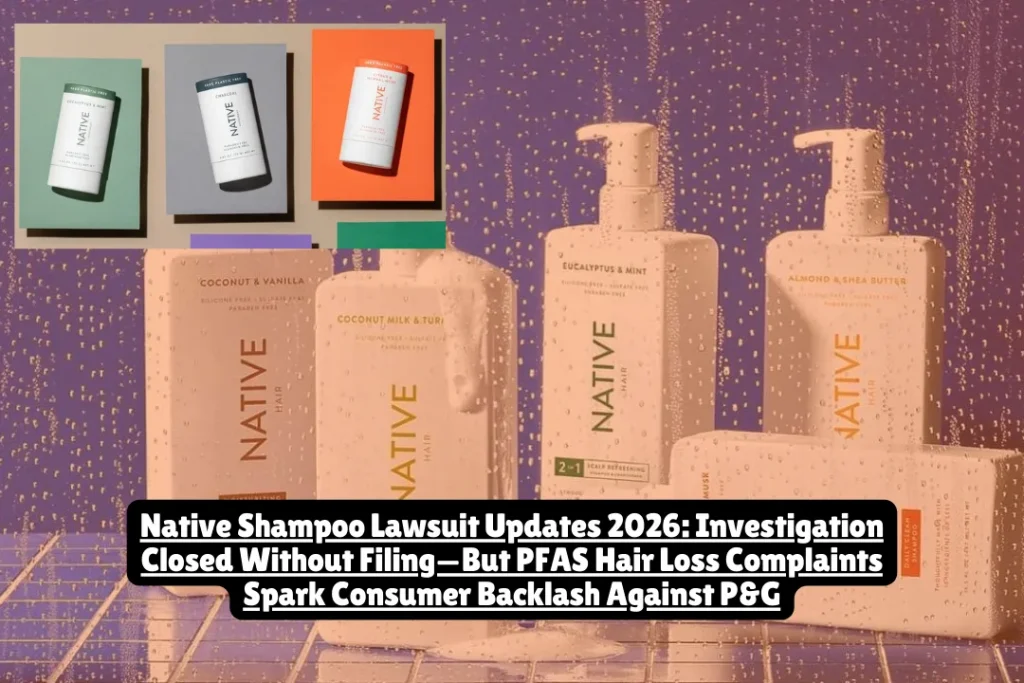
Native’s Response And P&G Ownership
Native has denied all claims of wrongdoing. The company stands by its commitment to consumer safety and transparency, stating that its products go through rigorous testing and comply with industry standards. The brand has emphasized that its formulations use naturally derived ingredients such as coconut oil, shea butter, and sodium cocoyl isethionate—a mild cleansing agent used instead of harsh sulfates.
However, Native has not directly addressed the PFAS investigation, which continues to raise eyebrows among customers who trusted the brand’s “clean beauty” image.
You may think Native is a small indie brand. But Native is actually owned by Procter & Gamble (P&G), a major multinational company. P&G acquired Native for $100 million in November 2017. This corporate ownership raised questions about whether Native maintained its original clean beauty standards after the acquisition.
Why The Investigation Closed Without A Lawsuit
Courts require proof of harm. Allegations are not enough. Judges look for documented injuries (e.g., doctor-confirmed hair loss). Plaintiffs must prove the label misled them. That means the words “clean,” “safe,” or “simple” must have directly influenced the purchase, and the product must contradict those claims materially. None of that happened in the Native case. The investigation stopped short of a legal filing.
The attorneys examining the case likely determined that:
- Insufficient medical documentation connected hair loss specifically to Native products
- Lab testing didn’t definitively prove PFAS contamination across product batches
- Legal standards for false advertising require stronger evidence than social media complaints
What Other “Natural” Beauty Lawsuits Teach Us
A federal judge in Illinois ruled that Dr. Squatch must face consumer fraud and unjust enrichment claims in a consumer class action lawsuit. A consumer said that the term “natural” should not be used on the Dr. Squatch shampoo label when synthetic ingredients are used in the shampoo.
U.S. District Judge LaShonda A. Hunt dismissed warranty claims, negligent misrepresentation, fraud and claims for injunctive relief, but allowed consumer fraud claims to proceed. This demonstrates that “natural” marketing claims face increasing legal scrutiny—but proving false advertising remains challenging.
Similar issues appear in the Tide Pods Class Action Lawsuit, Consumers Fight Back Against Defective Products And False Advertising case, where P&G faces allegations about product performance matching marketing claims.
Should You Stop Using Native Products?
Native does still have fewer potentially-toxic ingredients listed than a lot of their competition. With product labels that contains familiar ingredients like water, citric acid, and sodium chloride, it’s easy to see why naturally-minded organizations like Mamavation continue to recommend Native over other brands.
The Environmental Working Group (EWG) also has pretty favorable Skin Deep ratings for many Native products based on ingredient hazards and data availability—Native products’ scores range from 1 to 5 (1 is the second-best score, while 10 is the worst).
However, if you’re experiencing hair loss or scalp irritation, stop using the product immediately and switch to a mild, dermatologist-approved shampoo. Document your experience—take photos, keep receipts, and note the timeline of when symptoms began. Consult a dermatologist to rule out other causes and get medical confirmation of damage.
FAQs About The Native Shampoo Investigation
Was a Native Shampoo lawsuit actually filed?
No. As of October 2025, no formal lawsuit was filed in any court. The ClassAction.org investigation closed in May 2025 without legal action. Media reports discussing “lawsuits” refer to investigations, not actual court cases.
What were the allegations against Native Shampoo?
Consumers alleged Native products contained PFAS “forever chemicals” despite marketing as “clean” and “naturally derived.” Some users reported hair loss, scalp irritation, and dryness after using Native shampoo and conditioner products.
Who is eligible if a lawsuit is eventually filed?
Anyone who purchased Native shampoo, conditioner, body wash, or other personal care products based on “clean beauty” or “natural” marketing claims could potentially qualify. However, no active lawsuit or settlement currently exists.
Why did attorneys close the investigation?
Insufficient evidence existed to prove PFAS contamination, medical causation linking Native products to hair loss, or clear false advertising that misled reasonable consumers under legal standards.
Is Native Shampoo safe to use?
Native denies wrongdoing and states products meet safety standards. The Environmental Working Group rates many Native products favorably. However, individuals experiencing adverse reactions should discontinue use and consult dermatologists.
What products were investigated?
Cucumber & Mint Shampoo and Conditioner, Powder and Cotton Body Wash, Citrus and Herbal Musk Deodorant, and various other Native personal care products were examined during the investigation.
Where can I report problems with Native products?
Report adverse reactions to the FDA’s MedWatch program for cosmetics. Document your experience with photos, receipts, and medical records. Consider consulting a consumer protection attorney if you suffered significant harm.
The Bottom Line
The Native shampoo investigation closed without a lawsuit—but thousands of disappointed consumers feel betrayed by a brand they trusted. While attorneys found insufficient legal grounds to proceed, the controversy highlights ongoing questions about “clean beauty” marketing claims and whether P&G-owned brands maintain the standards consumers expect.
If you experienced hair loss or scalp problems after using Native products, document everything. Save receipts, take photos, and obtain medical confirmation of your condition. While no current lawsuit exists, future legal developments remain possible if stronger evidence emerges.
Last Updated: February 6, 2026
Disclaimer: This article provides legal information about the Native shampoo investigation and is not legal advice. Consumers experiencing adverse reactions should consult healthcare providers and consider speaking with consumer protection attorneys.
Experiencing product-related health issues? Document thoroughly and seek professional guidance immediately.
Stay informed, stay protected. — AllAboutLawyer.com
About the Author

Sarah Klein, JD, is a licensed attorney and legal content strategist with over 12 years of experience across civil, criminal, family, and regulatory law. At All About Lawyer, she covers a wide range of legal topics — from high-profile lawsuits and courtroom stories to state traffic laws and everyday legal questions — all with a focus on accuracy, clarity, and public understanding.
Her writing blends real legal insight with plain-English explanations, helping readers stay informed and legally aware.
Read more about Sarah