
Native Shampoo Lawsuit Update, Regulators Close Investigation With No Action Taken
No active lawsuit exists against Native shampoo. The PFAS investigation by ClassAction.org attorneys closed in May 2025 without filing legal claims. Native products underwent advertising scrutiny in June 2024 through a regulatory challenge—not a lawsuit—that focused on marketing language, not product safety or PFAS content.
What Was the Native Shampoo Investigation About?
Attorneys working with ClassAction.org investigated whether Native personal care products—including Cucumber & Mint Shampoo, Coconut & Vanilla Shampoo, and other haircare products—contained PFAS (per- and polyfluoroalkyl substances), commonly called “forever chemicals.”
The investigation examined whether Native misled consumers by advertising products as “naturally derived” and containing “simple ingredients” while allegedly containing toxic PFAS chemicals linked to cancer, reproductive issues, and organ damage.
Investigation Status: ClassAction.org marked the case “Investigation Complete” on May 14, 2025. Attorneys found insufficient evidence to proceed with litigation.
What Are PFAS Chemicals?
PFAS are synthetic chemicals used since the 1930s for their resistance to heat, water, oil, and stains. These substances persist in the environment and human body, earning the nickname “forever chemicals.”
Health concerns linked to PFAS exposure include:
- Increased cholesterol levels
- Changes in liver enzymes
- Increased risk of kidney or testicular cancer
- Decreased vaccine response in children
- High blood pressure or pre-eclampsia in pregnant women
- Decreased birth weight in infants
California banned intentionally added PFAS in cosmetics starting January 1, 2025.
Why Was No Lawsuit Filed?
Attorneys conducting the investigation could not substantiate claims needed for a viable class action:
- No lab testing confirmed high PFAS levels in Native products
- No plaintiffs demonstrated actionable harm from Native shampoo
- No evidence proved causation between product use and health issues
- Consumer complaints about hair loss and scalp irritation lacked medical documentation linking symptoms to specific ingredients
Legal teams require medical records, laboratory data, and expert testimony establishing causation—not social media reports—to file product liability claims.
Related article: Janice Griffith Lawsuit Update, Rooftop Stunt Injury Case Dismissed Following Settlement
What Was the June 2024 Advertising Challenge?
Native faced a separate regulatory review in June 2024—not a lawsuit. SC Johnson, maker of Method products, challenged Native’s advertising claims through the National Advertising Division (NAD), a self-regulatory body operated by BBB National Programs.
Claims Challenged:
- Use of “simple ingredients” to describe product formulations
- “Born in the USA” geographic origin claims
- Safety and ingredient marketing language
NAD’s June 27, 2024 Ruling:
Native could continue using:
- “Clean. Simple. Effective.” tagline
- “Safe & simple products made without harsh ingredients”
Native must modify or discontinue:
- “Simple ingredients” when describing deodorants, body washes, lotions, conditioners, and shampoos
- “Born in the USA” claims (products don’t meet “all or virtually all” domestic production standard)
Procter & Gamble, Native’s parent company since 2017, agreed to comply with NAD recommendations despite respectful disagreement with certain determinations.
Critical Distinction: NAD reviewed advertising accuracy—not product safety, PFAS content, or consumer harm. The advertising challenge addressed marketing language, not health risks.
What Claims Were Consumers Making?
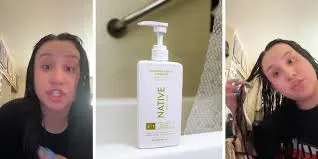
Social media users reported:
- Hair loss and thinning
- Scalp irritation and dryness
- Disappointment after purchasing products marketed as “clean” and “natural”
- Concerns about potential PFAS contamination
These consumer complaints did not translate into legal claims because:
- Reports lacked medical documentation
- No testing confirmed product contamination
- Causation between product use and alleged harm was not established
- Individual experiences don’t meet class action litigation thresholds
Current Status: No Legal Action
As of December 2025:
- No class action lawsuit has been filed
- No court proceedings are ongoing
- No settlement exists
- No regulatory enforcement action has occurred
The ClassAction.org investigation page remains online for reference only with the notice: “Attorneys working with ClassAction.org have finished their investigation into this matter.”
Applicable Legal Framework
Product Liability Claims require plaintiffs to prove:
- Defect in product design, manufacturing, or warning labels
- Causation between defect and injury
- Actual damages suffered
False Advertising Claims under state consumer protection statutes require:
- Material misrepresentation in advertising
- Reasonable consumer reliance on claims
- Economic injury resulting from reliance
PFAS Cosmetics Regulation:
- California AB 496 bans intentionally added PFAS in cosmetics sold in California (effective January 1, 2025)
- Federal Modernization of Cosmetics Regulation Act (MoCRA) requires FDA to assess PFAS in cosmetics and publish findings by December 2025
- No federal ban currently exists on PFAS in cosmetics
How This Differs From Other Beauty Industry Cases
Native’s situation differs from successful consumer protection lawsuits:
Dry Shampoo Benzene Cases: Laboratory testing confirmed benzene contamination above safety thresholds, leading to recalls and settlements.
Dr. Squatch Shampoo Lawsuit (2024): U.S. District Judge LaShonda A. Hunt ruled Dr. Squatch must face consumer fraud and unjust enrichment claims over “natural” labeling despite synthetic ingredients. Case proceeded to litigation because plaintiffs provided evidence supporting fraud claims.
Hair Relaxer Cancer Lawsuits: Plaintiffs linked specific chemical exposures to diagnosed medical conditions with expert testimony, meeting evidentiary standards for product liability claims.
Native’s investigation closed because attorneys could not assemble comparable evidence supporting legal claims.
What This Means for Consumers
No Recall Issued: Native products remain available for purchase. No regulatory agency has determined products are unsafe or ordered removal from market.
Advertising Changes: Native modified certain marketing claims following NAD’s June 2024 recommendations but continues selling haircare products.
PFAS Testing: No publicly available laboratory results confirm PFAS presence in Native shampoos at levels violating California’s ban or federal safety standards.
Consumer Rights: Consumers believing they suffered harm from Native products can:
- Consult personal injury attorneys about individual claims
- File complaints with state consumer protection agencies
- Monitor FDA’s December 2025 PFAS cosmetics report
Frequently Asked Questions
Is there a Native shampoo lawsuit I can join?
No. The investigation closed in May 2025 without filing a lawsuit. No class action exists for consumers to join.
Was Native found to contain PFAS?
No laboratory testing results have been publicly released confirming PFAS in Native shampoos. The investigation alleged potential PFAS presence but did not prove contamination.
Can I still file a claim against Native?
Individual claims are possible if you can prove causation between product use and documented harm. The statute of limitations for product liability claims varies by state (typically 2-4 years from injury discovery). Consult a personal injury attorney.
What was the outcome of the advertising challenge?
Native agreed to modify “simple ingredients” claims and discontinue “Born in the USA” statements but continues using “Clean. Simple. Effective.” tagline and “safe” claims. No fines or damages were imposed.
Is Native shampoo safe to use?
No regulatory agency has determined Native products are unsafe. Products remain FDA-compliant and continue selling nationwide. The closed investigation did not establish safety violations.
How much was the settlement?
No settlement exists. No lawsuit was filed, so no monetary compensation is available to consumers.
What should consumers do now?
Monitor FDA’s December 2025 PFAS cosmetics report. Read ingredient labels. Consider products certified by Environmental Working Group’s Skin Deep database if avoiding potential PFAS exposure is a priority.
Broader Implications for Clean Beauty Claims
The Native investigation highlights enforcement challenges in the clean beauty industry:
Marketing vs. Safety: Companies face scrutiny for advertising claims even when products meet regulatory safety standards. NAD polices comparative and absolute marketing claims but doesn’t conduct safety testing.
PFAS Detection Difficulties: Trace PFAS from manufacturing equipment or packaging migration doesn’t appear on ingredient labels. Only intentionally added PFAS must be disclosed under current regulations.
Consumer Expectations: Brands marketing “natural” or “clean” products attract heightened scrutiny when ingredient lists include synthetic compounds or when contamination concerns arise.
Self-Regulation Limits: NAD recommendations are voluntary. Advertisers can decline compliance, though NAD refers non-compliant companies to the Federal Trade Commission.
What Happens Next
FDA PFAS Report (December 2025): The Modernization of Cosmetics Regulation Act mandates FDA assessment of PFAS in cosmetics. This report may provide industry-wide testing results and recommendations.
State Regulations: Additional states may follow California in banning PFAS in cosmetics, creating a patchwork of compliance requirements.
Industry Response: Beauty brands may reformulate products or modify marketing to address consumer concerns about synthetic chemicals and contamination risks.
The Native investigation closure demonstrates the high evidentiary bar for consumer class actions. Social media complaints and consumer concerns don’t automatically translate into viable legal claims without laboratory confirmation, medical documentation, and expert testimony establishing product defects and causation.
Last Updated: December 2025 | Sources: ClassAction.org, BBB National Programs National Advertising Division, Federal Modernization of Cosmetics Regulation Act, California AB 496
About the Author

Sarah Klein, JD, is a licensed attorney and legal content strategist with over 12 years of experience across civil, criminal, family, and regulatory law. At All About Lawyer, she covers a wide range of legal topics — from high-profile lawsuits and courtroom stories to state traffic laws and everyday legal questions — all with a focus on accuracy, clarity, and public understanding.
Her writing blends real legal insight with plain-English explanations, helping readers stay informed and legally aware.
Read more about Sarah