
Mielle Hair Oil Lawsuit, Claims Consolidated After Alleged Hair Loss From Rosemary Mint Products — Case Remains Active
One year after three women consolidated their lawsuits against Mielle Organics, the class action remains active in federal court with no settlement announced. The ongoing litigation alleges Mielle’s Rosemary Mint Hair Oil causes hair loss, scalp irritation, and damage—claims that Mielle Organics LLC and parent company Procter & Gamble continue to deny as the case progresses through discovery as of December 2025.
What Is the Mielle Hair Oil Lawsuit About?
The consolidated class action centers on allegations that Mielle’s Rosemary Mint hair care line contains undisclosed ingredients causing hair loss and scalp damage. Plaintiffs Stephanie Williams, Krista Gillette, and Georgina Gomes filed a multi-plaintiff complaint in the U.S. District Court for the Northern District of Illinois on December 12, 2024.
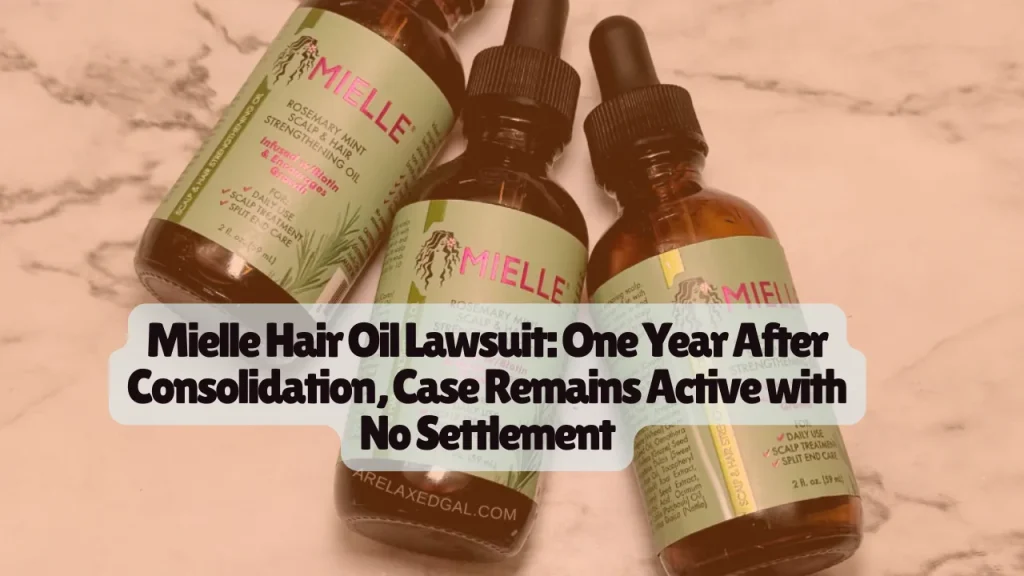
The lawsuit claims Mielle and P&G marketed the Rosemary Mint Scalp & Strengthening Hair Oil as safe without warning consumers of potential risks. According to the complaint, defendants misrepresented the product’s safety and failed to disclose it may cause hair loss.
Core allegations:
- Hair oil contains ingredients causing significant hair loss and scalp damage
- Products marketed as safe despite alleged risks
- Inadequate testing before market distribution
- Failure to disclose risks on product labeling
- Violations of state consumer fraud laws
Timeline: From Filing to Present Day
November 21, 2024: Georgina Gomes filed original class action lawsuit in Illinois federal court (Case No. 1:24-cv-12019) alleging her hair oil purchase caused hair loss.
December 12, 2024: Three separate lawsuits consolidated into multi-plaintiff complaint (Case No. 1:24-cv-12763) strengthening plaintiffs’ position by combining claims, evidence, and legal resources.
February 21, 2025: Sharon Allen filed separate lawsuit in California federal court (Case No. 8:25-cv-00342) alleging false “Made in USA” and “natural” claims. This case was later voluntarily dismissed.
December 2025: Consolidated case continues in active litigation phase with discovery ongoing. No settlement has been announced, no class certification granted yet, and no trial date set.
What Are the Specific Allegations?
Product Safety Claims:
The complaint alleges P&G, which acquired Mielle in 2023, continued distributing and marketing the hair oil without proper testing. Plaintiffs claim the companies made no reasonable effort to test for ingredients causing hair loss.
Fraudulent Misrepresentation:
The lawsuit claims Mielle and P&G made express and implied warranties regarding product safety that were misleading, stating the product was safe and effective for its intended use and of merchantable quality.
Legal claims filed:
- Fraud
- Unjust enrichment
- Violation of state consumer fraud laws
- Breach of express and implied warranties
- Negligence
- Deceptive trade practices
The consolidated complaint argues no reasonable consumer would pay for cosmetic products containing ingredients causing hair loss or carrying a high risk of causing hair loss.
Who Are the Plaintiffs?
Georgina Gomes (Massachusetts): Filed the original complaint November 21, 2024. Gomes purchased the hair oil trusting marketing claims it would strengthen her hair, but discovered it caused hair loss instead.
Stephanie Williams: Joined the consolidated complaint claiming similar injuries from Mielle’s rosemary mint products.
Krista Gillette: Third plaintiff in the consolidated action reporting hair loss and scalp issues after product use.
All three women experienced hair loss after using the products but seek class action status to pursue damages on behalf of all consumers who paid premium prices for hair oil that may cause them to lose hair.
What Damages Are Being Sought?
Plaintiffs seek full refunds for consumers who purchased the product, damages for alleged harm caused by misleading marketing, and injunctive relief to prevent further sales without appropriate risk disclosures.
Specific relief requested:
- Compensatory damages for economic losses
- Statutory damages under consumer protection laws
- Punitive damages for alleged “willful and malicious conduct”
- Full refunds and restitution
- Injunctive relief halting sales without proper warnings
- Attorney fees and costs
- Class action certification
The plaintiff claims the product is effectively worthless due to its alleged risks.
The Dismissed “Made in USA” Case
Sharon Allen filed a separate lawsuit February 21, 2025, in California federal court alleging Mielle falsely marketed products as “Made in USA” and “natural” despite containing synthetic ingredients and foreign-sourced components.
The Allen case was voluntarily dismissed by the plaintiff, though allegations of false labeling could resurface in other pending cases.
What Is Mielle Organics’ Response?
Mielle founder and CEO Monique Rodriguez has publicly defended the products. In September 2024, Rodriguez stated no formula changes occurred after Procter & Gamble’s 2023 acquisition and products undergo rigorous testing.
Mielle’s official statement noted internal and third-party labs conduct testing, with Rosemary Mint Hair Oil and shampoo dermatologically tested for scalp health without signs of irritation.
In December 2024, Rodriguez addressed social media claims, accusing a competitor of paying TikTok creators to spread misinformation about the products. She encouraged users experiencing hair loss to consult dermatologists, citing the American Academy of Dermatology’s note that losing 50–100 strands daily is normal.
Neither Mielle nor P&G has issued a product recall. Both companies deny wrongdoing, and the case remains in active litigation as of December 2025.
Current Case Status as of December 2025
The consolidated lawsuit is now in its second year of litigation with no resolution in sight. As of December 2025, the case status is:
Discovery phase: Parties are exchanging information, documents, and evidence about product formulation, testing procedures, consumer complaints, and company communications.
Class certification pending: The court has not yet certified the class action. This critical decision determines whether the case proceeds as a class action representing thousands of consumers or remains limited to the three named plaintiffs.
No settlement announced: Despite being in litigation for over a year, no settlement discussions have been publicly disclosed.
No trial date set: The case has not advanced to trial scheduling.
Active litigation ongoing: Both sides continue building their cases through discovery while the court considers procedural motions.
Legal experts note these cases typically take 2-4 years to resolve, meaning a resolution may not occur until 2026 or 2027.
Consumer Reports Continue in December 2025
Despite Mielle’s denials, consumer complaints continue appearing on legal news websites through December 2025. Recent reports include:
“Add me please” (December 3, 2025)
“I used the Mielle leave in conditioner” (November 16, 2025)
“I started using Mielle products 2 years ago…I started noticing large clumps of hair loss from my scalp” (November 17, 2025)
These ongoing reports suggest consumer concerns persist more than a year after the lawsuit was filed.
Who Is Affected by This Lawsuit?
The proposed class includes anyone in the United States who purchased Mielle Organics Rosemary Mint Scalp & Strengthening Hair Oil for personal or household use within the applicable statute of limitations period.
Potentially affected consumers:
- Anyone who purchased Mielle Rosemary Mint Scalp & Strengthening Hair Oil
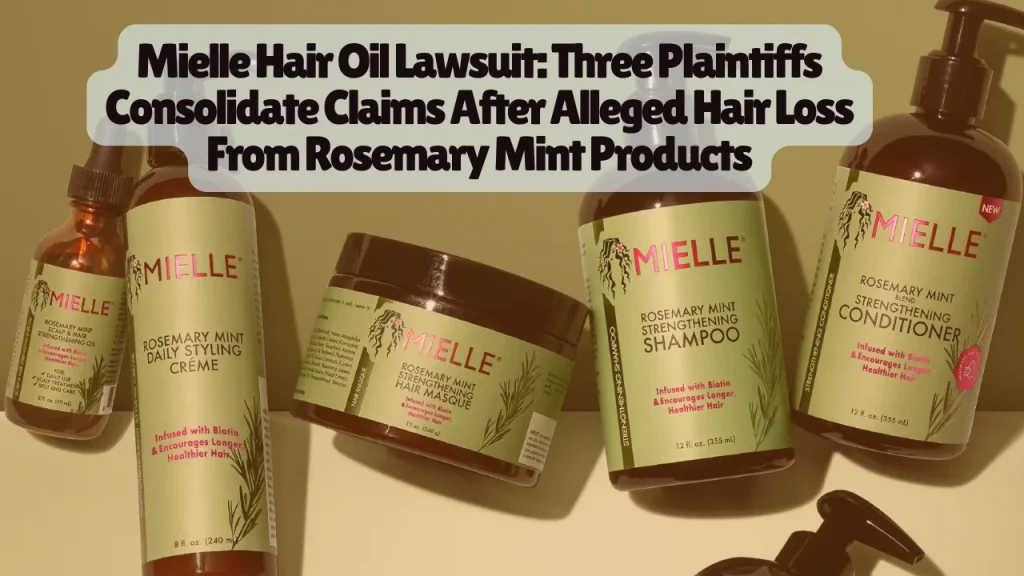
- Consumers who bought Rosemary Mint Strengthening Shampoo
- Users of Rosemary Mint Conditioner
- Purchasers of related rosemary mint hair care products
- Consumers who experienced hair loss, scalp irritation, or breakage after use
- Consumers who purchased products even without experiencing adverse effects (economic damages claim)
What Are the Potential Outcomes?
Settlement (most likely): Mielle and P&G could agree to a settlement providing compensation to affected consumers, product reformulation, updated labeling, or discontinuation of certain products. Most class actions settle before trial.
Class certification denial: If the court denies class certification, individual plaintiffs could pursue separate claims, but the case would lose much of its impact.
Trial verdict: If the case proceeds to trial (unlikely until 2026 or later), a jury could award damages to plaintiffs or find in favor of defendants.
Dismissal: Defendants could successfully move to dismiss claims if they demonstrate products are safe or plaintiffs cannot prove causation.
What This Case Means for the Beauty Industry
Kelly Bonner, associate attorney at Duane Morris LLP, noted this case is part of a trend over the past 2-3 years where plaintiffs bring consumer fraud allegations against personal care companies for alleged misrepresentations that products are safe, clean, or non-toxic.
The Mielle lawsuits could establish precedents for:
- Product testing requirements before market release
- Disclosure obligations for potential side effects
- “Natural” and “safe” marketing claim standards
- Parent company liability for acquired brands
- Increased scrutiny of beauty product marketing
The case mirrors similar lawsuits against hair care brands including WEN, DevaCurl, and Olaplex where hair loss claims damaged brand reputations.
What Should Affected Consumers Do?
If you purchased Mielle Rosemary Mint products or experienced adverse effects:
Preserve evidence immediately:
- Keep receipts, order confirmations, or credit card statements
- Save product packaging with batch numbers and expiration dates
- Photograph any remaining product
- Document purchase date and location
Document health effects:
- Take photos showing hair loss, scalp irritation, or bald patches
- Keep dated photos tracking progression
- Maintain a written timeline of product use and symptoms
- Note when you started using products and when symptoms began
Seek medical attention:
- See a dermatologist or healthcare provider
- Request documentation of scalp condition and hair loss
- Ask for medical records linking symptoms to product use
- Consider scalp biopsy if recommended
Monitor the lawsuit:
- Follow updates on ClassAction.org and AboutLawsuits.com
- Watch for class certification notices
- You typically do not need to take action until certification occurs
Consider legal consultation:
Contact attorneys handling the case if you experienced significant injury. The lead attorneys are James M. Dore and Daniel I. Schlade of Dore Law Offices LLC.
Stop using products if experiencing adverse effects and switch to alternative hair care products.
Similar Hair Care Product Lawsuits
The Mielle litigation follows a pattern of consumer protection cases against beauty brands:
- L’Oreal CeraVe: Class action alleging benzoyl peroxide cleanser contains dangerous benzene levels
- Dr. Squatch: Claims hair care products falsely advertised as natural
- RevitaLash: Allegations products falsely advertised as serums
- Neutrogena: Makeup remover towelettes allegedly falsely marketed as plant-based
- WEN, DevaCurl, Olaplex: Previous hair care lawsuits alleging hair loss
Frequently Asked Questions
Q: Do I automatically become part of the class action if I bought Mielle products?
A: No. You do not need to take action until the court certifies the class action. If certified, you will receive notice with instructions on how to participate or opt out. As of December 2025, class certification has not been granted.
Q: Can I still file a claim if I didn’t experience hair loss?
A: The consolidated lawsuit seeks damages on behalf of all individuals who purchased the product, regardless of whether they suffered hair loss, based on economic damages from allegedly misleading marketing.
Q: Has Mielle recalled any products?
A: As of December 2025, neither Mielle nor P&G has issued a product recall. Both companies continue denying the allegations and maintaining products are safe.
Q: What if I threw away my product or receipt?
A: Preserve any evidence you have. Some class action settlements accept credit card statements, photos of products, or sworn statements. Consult with an attorney about your specific situation.
Q: How long will this lawsuit take?
A: Class action lawsuits typically take 2-4 years to resolve. The case was filed in late 2024 and is currently in discovery phase, suggesting a resolution may not occur until 2026 or 2027.
Q: Are other Mielle products affected?
A: The lawsuit primarily focuses on Rosemary Mint Scalp & Strengthening Hair Oil, Rosemary Mint Strengthening Shampoo, and Rosemary Mint Conditioner. Other products in the line may be included as the case develops.
Q: What should I do if I’m currently experiencing hair loss from Mielle products?
A: Stop using the products immediately, see a dermatologist, document your condition with photos and medical records, and preserve all product packaging and purchase receipts.
Q: Has the class been certified yet?
A: No. As of December 2025, the court has not certified the class action. This is a critical decision that will determine whether the case proceeds as a class action or remains limited to the three named plaintiffs.
Disclaimer: This article provides general information about ongoing litigation and is not legal advice. Consult with a qualified attorney regarding your specific situation. The case discussed is pending, and no court has made findings regarding the allegations.
Sources: Court documents from U.S. District Court for the Northern District of Illinois (Case No. 1:24-cv-12763), U.S. District Court for the Central District of California (Case No. 8:25-cv-00342), AboutLawsuits.com, ClassAction.org, TopClassActions.com, CosmeticsDesign.com, The Fashion Law, and public statements from parties involved.
About the Author

Sarah Klein, JD, is a licensed attorney and legal content strategist with over 12 years of experience across civil, criminal, family, and regulatory law. At All About Lawyer, she covers a wide range of legal topics — from high-profile lawsuits and courtroom stories to state traffic laws and everyday legal questions — all with a focus on accuracy, clarity, and public understanding.
Her writing blends real legal insight with plain-English explanations, helping readers stay informed and legally aware.
Read more about Sarah