
Menards Rebate Lawsuit Alert, $4.25M Settlement Reached—What Shoppers Need to Know Now
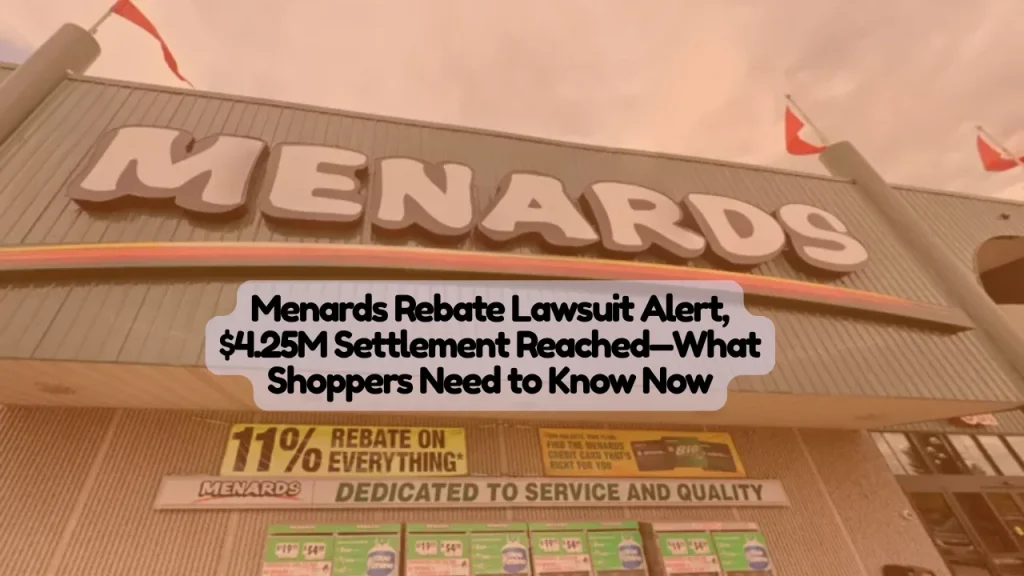
Menards reached a $4.25 million multistate settlement on December 17, 2025, resolving allegations that its “11% OFF” rebate program deceived customers through false advertising and COVID-19 price gouging. The settlement involves 10 states and requires Menards to clearly disclose that rebates are store credits, not point-of-purchase discounts. Individual customers do not receive direct compensation—settlement funds go to state governments.
What Is the Menards Rebate Lawsuit About?
Wisconsin, Minnesota, Illinois, and Iowa co-led a multistate investigation into Menards’ popular “11% OFF EVERYTHING” promotion. Attorneys general from Arizona, Kansas, Michigan, Nebraska, Ohio, and South Dakota joined the action.
State regulators alleged Menards falsely advertised its rebate program as an immediate discount when customers actually received only store credit redeemable on future purchases. The investigation also uncovered alleged price gouging during the COVID-19 pandemic at two Wisconsin locations.
According to settlement documents, investigators alleged Menards’ advertising falsely suggested customers would receive an immediate discount at the register, when the promotion actually provided only a merchandise credit for future purchases.
The December 2025 settlement resolves these claims without Menards admitting wrongdoing.
What Specific Allegations Were Made Against Menards?
State investigators documented multiple deceptive practices in Menards’ rebate program administration and advertising.
False Advertising Claims:
- Menards’ “11% OFF” and “11% OFF EVERYTHING” advertising falsely implied point-of-purchase discounts
- Advertised prices reflected 11% reductions, wrongly suggesting immediate savings
- Material limitations appeared in small print removed from discount representations
- Customers believed they received instant discounts when checking out
Related article: Brian Walshe Sentenced to Life Without Parole for Murdering and Dismembering Wife Ana, Three Years After Her New Year’s Day Disappearance

Rebates International Deception:
- Menards told customers “Rebates International” was a separate entity
- Investigation revealed Rebates International is part of Menard Inc.
- This misrepresentation obscured Menards’ control over rebate processing
- Customers had no independent recourse when rebates were denied
COVID-19 Price Gouging:
- Menards raised prices on four-gallon purified water bottles during the pandemic
- Price increases occurred at Onalaska and Johnson Creek, Wisconsin locations
- Items affected included rubbing alcohol, dish soap, garbage bags, and neoprene gloves
- Violations occurred during declared periods of abnormal economic disruption
Customer Problems with Menards’ Rebate Program
Consumers reported systematic issues with receiving promised rebates through Menards’ mail-in program.
Common complaints documented by state investigators included:
- Rebate denials after customers followed all submission requirements
- Claims that purchased items didn’t qualify despite being advertised in promotions
- Six-to-eight week processing delays with no rebate received
- Inability to track rebate status through Menards’ systems
- Contact limited to online forms and P.O. boxes with no direct customer service
- Missing rebates with no explanation or recourse
The 2020 Childers class action lawsuit filed in Wisconsin federal court detailed specific consumer experiences. Plaintiff Amy Childers purchased fence panels during an “11% Off Everything” promotion, submitted her rebate form, and waited the required processing period. In December 2018, she was told her purchase did not qualify for the 11 percent off rebate because the items she purchased were on sale and therefore did not qualify. This exclusion was never disclosed before purchase.
The Childers Class Action Lawsuit
Separate from the recent settlement, Amy Childers filed a federal class action lawsuit in February 2020 in the U.S. District Court for the Western District of Wisconsin (Case No. 3:20-cv-00107).
Childers alleged breach of contract, consumer fraud, and unjust enrichment. The lawsuit claimed Menards’ rebate process is designed to deny rebates that customers earned by the terms of its rebate program after purchasing items during the rebate promotions and timely submitting the required paperwork.
The court issued orders in September 2020 granting Menards’ motion to compel arbitration and partially granting its motion to dismiss. Plaintiffs had until September 17, 2020, to file amended complaints. The current status of this case remains unclear as of December 2025.
This private class action proceeded separately from the multistate attorney general investigation that resulted in the December 2025 settlement.
December 2025 Multistate Settlement Details
The $4.25 million settlement announced December 17, 2025, distributes funds among participating states based on investigation costs and impact.
State-by-State Breakdown:
- Wisconsin: $750,000+ ($712,251 to DOJ, $43,200 to DATCP)
- Illinois: $947,000
- Minnesota: $632,167
- Iowa: $446,832
- Arizona, Kansas, Michigan, Nebraska, Ohio, South Dakota: Remaining amounts
Settlement funds go to state governments, not individual consumers. States will use funds for consumer protection enforcement and related governmental purposes.
What Changes Must Menards Make?
The settlement requires Menards to implement specific reforms to its advertising and rebate program administration.
Advertising Requirements:
- Stop representing store-credit programs as point-of-purchase discounts
- Clearly and conspicuously disclose that rebates provide store credit, not immediate discounts
- Prominently display all material limitations and terms of rebate programs
- Remove misleading language suggesting instant savings at checkout
Rebate Program Improvements:
- Allow customers at least one year from purchase date to submit rebate claims
- Update online rebate tracker within 48 hours of claim entry into system
- Provide ongoing tracker updates including return impacts on rebates
- Investigate offering secure online submission options for rebate forms and receipts
- Evaluate secure online redemption processes for rebates on online purchases
Transparency Measures:
- Clearly disclose that Menards operates as “Rebates International”
- Make rebate terms and conditions readily available to customers
- Provide accessible information about rebate limitations before purchase
Price Gouging Prohibition:
- Refrain from price gouging during periods of abnormal economic disruption
- Maintain reasonable pricing during emergencies and declared disasters
How Has Menards Responded?
Menards denied wrongdoing while agreeing to settlement terms. The company did not admit to deceptive advertising or price gouging as part of the agreement.
Menards did not admit wrongdoing as part of the agreement.
A 2021 federal case (Rikkers v. Menard) resulted in victory for Menards when Judge Brett Ludwig of the U.S. District Court for the Eastern District of Wisconsin dismissed claims that the rebate program cheated consumers by not considering time and postage costs. Judge Ludwig said the term “rebate” incorporates the consumers’ costs associated with a mail-in program, and plaintiff Timothy Rikkers suffered no monetary loss.
Menards has not issued public statements regarding the December 2025 settlement as of December 18, 2025.
Who Is Eligible for the Class Action?
The December 2025 multistate settlement does not include a claims process for individual customers. Settlement funds compensate state governments for investigation costs and consumer protection enforcement.
The separate 2020 Childers class action (Case No. 3:20-cv-00107) may have different eligibility requirements, but its current status and any potential claims process remain unclear.
Customers who experienced rebate problems should document their experiences for potential future legal actions or consumer complaints.
Will Individual Customers Receive Compensation?
No. The $4.25 million settlement goes entirely to participating state governments. Individual consumers do not receive direct payments, refunds, or rebate credits from this settlement.
State attorneys general negotiated the settlement to change Menards’ business practices and fund consumer protection enforcement. No claims administrator was appointed, and no customer claim forms are available.
Customers with unresolved rebate disputes must address them directly with Menards through improved processes required by the settlement. The one-year submission window and 48-hour tracker updates may help customers resolve future rebate issues.
How Menards’ Rebate Program Works
Understanding Menards’ rebate system helps customers maximize benefits and avoid common pitfalls.
Current Process:
- Shop during promotions advertising “11% OFF EVERYTHING” or similar offers
- Purchase qualifying items at full advertised price
- Download rebate forms from Menards Rebate Center website or obtain in-store
- Complete forms with purchase details and attach original receipts
- Mail forms to Rebates International address within allowed timeframe
- Wait 6-8 weeks for processing
- Receive merchandise credit check (store credit) redeemable at Menards
Key Limitations:
- Rebates provide store credit, not cash or immediate discounts
- Certain sale items may be excluded from rebate promotions
- Original receipts must accompany rebate submissions
- Processing takes 6-8 weeks minimum
- Merchandise credit checks expire and cannot be converted to cash
Post-settlement improvements should include clearer disclosure of these limitations at point of purchase and during advertising.
What Menards Customers Should Know Now
The settlement fundamentally changes how Menards must communicate its rebate program to shoppers.
Before Making Purchases:
- Read all rebate disclosures carefully before buying
- Understand that “11% OFF” means store credit, not checkout discount
- Verify whether sale items qualify for current rebate promotions
- Check rebate expiration dates and submission deadlines
- Budget for full advertised price at checkout
After Making Purchases:
- Submit rebate forms within one year of purchase date (new requirement)
- Keep copies of all receipts and submitted forms
- Check online rebate tracker 48 hours after submission
- Monitor tracker for processing updates
- Contact Menards if tracker shows discrepancies
- Keep merchandise credit checks and use before expiration
If Problems Arise:
- Document all communications with Menards
- Screenshot rebate tracker information
- Retain receipts, forms, and correspondence
- File complaints with state attorney general consumer protection divisions
- Consider consulting consumer protection attorneys for significant losses
Similar Rebate Lawsuits Against Retailers
Menards joins other major retailers facing legal challenges over rebate programs.
Several companies have faced scrutiny for mail-in rebate practices that consumers perceive as deliberately difficult or misleading. Common allegations include excessive processing delays, undisclosed exclusions, burdensome submission requirements, and rebates issued as store credit rather than cash refunds.
The Menards settlement establishes precedent for state enforcement actions against potentially deceptive rebate advertising. Other retailers advertising similar “percentage off” promotions through mail-in rebates may face increased regulatory scrutiny.
Consumer protection attorneys note that rebate programs often reduce actual redemption rates through complex requirements, creating “breakage” where companies retain revenue from unredeemed rebates.
Legal Claims in Rebate Lawsuits
The Childers class action and multistate investigation invoked multiple legal theories against Menards.
Breach of Contract: Menards allegedly failed to honor contractual obligations to provide rebates after customers met all program requirements. Purchasing items during promotions and submitting proper documentation created enforceable contracts.
Consumer Fraud: State consumer protection statutes prohibit deceptive trade practices. Allegations included false advertising about discount timing and nature, failure to disclose material limitations, and misrepresenting Rebates International as independent.
Unjust Enrichment: Menards allegedly retained customer money through rebate denials while advertising discounts that attracted purchases. The company benefited from full-price sales while systematically failing to provide promised rebates.
Price Gouging: Wisconsin law prohibits excessive price increases during declared emergencies. Allegations focused on pandemic-era pricing of essential goods like water and cleaning supplies.
State Consumer Protection Laws Involved
The multistate settlement enforces consumer protection statutes from each participating state.
Wisconsin’s deceptive trade practices law prohibits false advertising and unfair business practices. The state’s price gouging statute specifically addresses pricing during abnormal economic disruption periods.
Minnesota, Illinois, and Iowa consumer fraud acts similarly prohibit deceptive advertising and require clear disclosure of material terms. Each state maintains attorney general enforcement authority for consumer protection violations.
The settlement demonstrates coordinated state enforcement power against national retailers engaged in potentially deceptive practices affecting consumers across multiple jurisdictions.
Attorney General Statements
State officials emphasized consumer protection principles when announcing the settlement.
“Figuring out how much you’ll have to pay to buy something should be straightforward,” Wisconsin Attorney General Josh Kaul said during an online press conference announcing the settlement. “It shouldn’t be an adventure.”
Minnesota Attorney General Keith Ellison stated: “An ad that says ‘11% OFF EVERYTHING’ clearly implies that you can buy goods at an 11% discount, not that you can participate in a limited rebate program or get in-store credit for future purchases.”
Illinois Attorney General Kwame Raoul added: “Menards’ deceptive marketing left many customers believing they were getting a discount, when, in fact, the store was only offering an in-store credit for future purchases. Customers deserve to know what they will be charged when they make a purchase, without deceptive deals and fine print.”
Impact on Future Menards Shopping
The settlement creates more transparent rebate practices benefiting future customers.
Clear disclosure requirements mean shoppers will better understand rebate terms before purchasing. Knowing rebates provide store credit rather than immediate discounts allows informed buying decisions.
The one-year submission window significantly expands opportunity to claim rebates compared to previous shorter deadlines. Customers who lose forms or forget submissions have more time to complete the process.
Improved online tracking within 48 hours provides visibility into rebate status, reducing anxiety about whether submissions were received and processed. Updates about returns affecting rebates help customers understand why rebate amounts may change.
Online submission options under investigation could eliminate mailing costs and delays if implemented. Secure digital processes would modernize the rebate program and increase redemption rates.
What to Do If You Had Rebate Problems
Customers who experienced past rebate issues have limited recourse under the December 2025 settlement.
The settlement does not provide compensation for previous rebate denials or delays. Customers cannot file claims for past problems through this settlement.
Options for Past Issues:
- File consumer complaints with state attorney general offices
- Document problems for potential future legal actions
- Monitor the Childers class action case status for claims opportunities
- Pursue small claims court for individual losses if within filing deadlines
- Contact consumer protection attorneys about potential claims
For Current Issues:
- Use improved tracking systems to monitor pending rebates
- Contact Menards directly with documentation
- File complaints with state consumer protection offices if unresolved
- Utilize extended one-year submission window for recent purchases
- Keep detailed records of all rebate interactions
Frequently Asked Questions
Will I get money from the Menards rebate settlement?
No. The $4.25 million settlement compensates state governments, not individual customers. No claims process exists for consumers to receive direct payments or rebate credits from this settlement.
How do I file a claim for denied rebates?
The December 2025 settlement does not include a customer claims process. Contact Menards directly about unresolved rebates using improved tracking systems required by the settlement. File consumer complaints with your state attorney general if problems persist.
What is the deadline to submit Menards rebates now?
The settlement requires Menards to allow at least one year from purchase date to submit rebate claims. This significantly extends previous deadlines and gives customers more time to complete submissions.
Are Menards rebates cash or store credit?
Menards rebates are merchandise credit checks (store credit) redeemable only at Menards stores, not cash. The settlement requires Menards to clearly disclose this limitation in advertising and at point of purchase.
Can I still participate in the Childers class action lawsuit?
The status of the Childers class action (Case No. 3:20-cv-00107) filed in 2020 remains unclear as of December 2025. Contact class action attorneys or monitor court records for updates on potential claims opportunities.
How will I know if my rebate is being processed?
The settlement requires Menards to update its online rebate tracker within 48 hours of claim entry. Check the tracker at Menards.com regularly for processing status and updates.
What states are included in the settlement?
Ten states participated: Wisconsin, Minnesota, Illinois, Iowa, Arizona, Kansas, Michigan, Nebraska, Ohio, and South Dakota. The settlement terms apply to Menards’ operations nationwide, benefiting customers in all states where Menards operates.Menards reached a $4.25 million multistate settlement on December 17, 2025, resolving allegations that its “11% OFF” rebate program deceived customers through false advertising and COVID-19 price gouging. The settlement involves 10 states and requires Menards to clearly disclose that rebates are store credits, not point-of-purchase discounts. Individual customers do not receive direct compensation—settlement funds go to state governments.
What Is the Menards Rebate Lawsuit About?
Wisconsin, Minnesota, Illinois, and Iowa co-led a multistate investigation into Menards’ popular “11% OFF EVERYTHING” promotion. Attorneys general from Arizona, Kansas, Michigan, Nebraska, Ohio, and South Dakota joined the action.
State regulators alleged Menards falsely advertised its rebate program as an immediate discount when customers actually received only store credit redeemable on future purchases. The investigation also uncovered alleged price gouging during the COVID-19 pandemic at two Wisconsin locations.
According to settlement documents, investigators alleged Menards’ advertising falsely suggested customers would receive an immediate discount at the register, when the promotion actually provided only a merchandise credit for future purchases.
The December 2025 settlement resolves these claims without Menards admitting wrongdoing.
What Specific Allegations Were Made Against Menards?
State investigators documented multiple deceptive practices in Menards’ rebate program administration and advertising.
False Advertising Claims:
- Menards’ “11% OFF” and “11% OFF EVERYTHING” advertising falsely implied point-of-purchase discounts
- Advertised prices reflected 11% reductions, wrongly suggesting immediate savings
- Material limitations appeared in small print removed from discount representations
- Customers believed they received instant discounts when checking out
Rebates International Deception:
- Menards told customers “Rebates International” was a separate entity
- Investigation revealed Rebates International is part of Menard Inc.
- This misrepresentation obscured Menards’ control over rebate processing
- Customers had no independent recourse when rebates were denied
COVID-19 Price Gouging:
- Menards raised prices on four-gallon purified water bottles during the pandemic
- Price increases occurred at Onalaska and Johnson Creek, Wisconsin locations
- Items affected included rubbing alcohol, dish soap, garbage bags, and neoprene gloves
- Violations occurred during declared periods of abnormal economic disruption
Customer Problems with Menards’ Rebate Program
Consumers reported systematic issues with receiving promised rebates through Menards’ mail-in program.
Common complaints documented by state investigators included:
- Rebate denials after customers followed all submission requirements
- Claims that purchased items didn’t qualify despite being advertised in promotions
- Six-to-eight week processing delays with no rebate received
- Inability to track rebate status through Menards’ systems
- Contact limited to online forms and P.O. boxes with no direct customer service
- Missing rebates with no explanation or recourse
The 2020 Childers class action lawsuit filed in Wisconsin federal court detailed specific consumer experiences. Plaintiff Amy Childers purchased fence panels during an “11% Off Everything” promotion, submitted her rebate form, and waited the required processing period. In December 2018, she was told her purchase did not qualify for the 11 percent off rebate because the items she purchased were on sale and therefore did not qualify. This exclusion was never disclosed before purchase.
The Childers Class Action Lawsuit
Separate from the recent settlement, Amy Childers filed a federal class action lawsuit in February 2020 in the U.S. District Court for the Western District of Wisconsin (Case No. 3:20-cv-00107).
Childers alleged breach of contract, consumer fraud, and unjust enrichment. The lawsuit claimed Menards’ rebate process is designed to deny rebates that customers earned by the terms of its rebate program after purchasing items during the rebate promotions and timely submitting the required paperwork.
The court issued orders in September 2020 granting Menards’ motion to compel arbitration and partially granting its motion to dismiss. Plaintiffs had until September 17, 2020, to file amended complaints. The current status of this case remains unclear as of December 2025.
This private class action proceeded separately from the multistate attorney general investigation that resulted in the December 2025 settlement.
December 2025 Multistate Settlement Details
The $4.25 million settlement announced December 17, 2025, distributes funds among participating states based on investigation costs and impact.
State-by-State Breakdown:
- Wisconsin: $750,000+ ($712,251 to DOJ, $43,200 to DATCP)
- Illinois: $947,000
- Minnesota: $632,167
- Iowa: $446,832
- Arizona, Kansas, Michigan, Nebraska, Ohio, South Dakota: Remaining amounts
Settlement funds go to state governments, not individual consumers. States will use funds for consumer protection enforcement and related governmental purposes.
What Changes Must Menards Make?
The settlement requires Menards to implement specific reforms to its advertising and rebate program administration.
Advertising Requirements:
- Stop representing store-credit programs as point-of-purchase discounts
- Clearly and conspicuously disclose that rebates provide store credit, not immediate discounts
- Prominently display all material limitations and terms of rebate programs
- Remove misleading language suggesting instant savings at checkout
Rebate Program Improvements:
- Allow customers at least one year from purchase date to submit rebate claims
- Update online rebate tracker within 48 hours of claim entry into system
- Provide ongoing tracker updates including return impacts on rebates
- Investigate offering secure online submission options for rebate forms and receipts
- Evaluate secure online redemption processes for rebates on online purchases
Transparency Measures:
- Clearly disclose that Menards operates as “Rebates International”
- Make rebate terms and conditions readily available to customers
- Provide accessible information about rebate limitations before purchase
Price Gouging Prohibition:
- Refrain from price gouging during periods of abnormal economic disruption
- Maintain reasonable pricing during emergencies and declared disasters
How Has Menards Responded?
Menards denied wrongdoing while agreeing to settlement terms. The company did not admit to deceptive advertising or price gouging as part of the agreement.
Menards did not admit wrongdoing as part of the agreement.
A 2021 federal case (Rikkers v. Menard) resulted in victory for Menards when Judge Brett Ludwig of the U.S. District Court for the Eastern District of Wisconsin dismissed claims that the rebate program cheated consumers by not considering time and postage costs. Judge Ludwig said the term “rebate” incorporates the consumers’ costs associated with a mail-in program, and plaintiff Timothy Rikkers suffered no monetary loss.
Menards has not issued public statements regarding the December 2025 settlement as of December 18, 2025.
Who Is Eligible for the Class Action?
The December 2025 multistate settlement does not include a claims process for individual customers. Settlement funds compensate state governments for investigation costs and consumer protection enforcement.
The separate 2020 Childers class action (Case No. 3:20-cv-00107) may have different eligibility requirements, but its current status and any potential claims process remain unclear.
Customers who experienced rebate problems should document their experiences for potential future legal actions or consumer complaints.
Will Individual Customers Receive Compensation?
No. The $4.25 million settlement goes entirely to participating state governments. Individual consumers do not receive direct payments, refunds, or rebate credits from this settlement.
State attorneys general negotiated the settlement to change Menards’ business practices and fund consumer protection enforcement. No claims administrator was appointed, and no customer claim forms are available.
Customers with unresolved rebate disputes must address them directly with Menards through improved processes required by the settlement. The one-year submission window and 48-hour tracker updates may help customers resolve future rebate issues.
How Menards’ Rebate Program Works
Understanding Menards’ rebate system helps customers maximize benefits and avoid common pitfalls.
Current Process:
- Shop during promotions advertising “11% OFF EVERYTHING” or similar offers
- Purchase qualifying items at full advertised price
- Download rebate forms from Menards Rebate Center website or obtain in-store
- Complete forms with purchase details and attach original receipts
- Mail forms to Rebates International address within allowed timeframe
- Wait 6-8 weeks for processing
- Receive merchandise credit check (store credit) redeemable at Menards
Key Limitations:
- Rebates provide store credit, not cash or immediate discounts
- Certain sale items may be excluded from rebate promotions
- Original receipts must accompany rebate submissions
- Processing takes 6-8 weeks minimum
- Merchandise credit checks expire and cannot be converted to cash
Post-settlement improvements should include clearer disclosure of these limitations at point of purchase and during advertising.
What Menards Customers Should Know Now
The settlement fundamentally changes how Menards must communicate its rebate program to shoppers.
Before Making Purchases:
- Read all rebate disclosures carefully before buying
- Understand that “11% OFF” means store credit, not checkout discount
- Verify whether sale items qualify for current rebate promotions
- Check rebate expiration dates and submission deadlines
- Budget for full advertised price at checkout
After Making Purchases:
- Submit rebate forms within one year of purchase date (new requirement)
- Keep copies of all receipts and submitted forms
- Check online rebate tracker 48 hours after submission
- Monitor tracker for processing updates
- Contact Menards if tracker shows discrepancies
- Keep merchandise credit checks and use before expiration
If Problems Arise:
- Document all communications with Menards
- Screenshot rebate tracker information
- Retain receipts, forms, and correspondence
- File complaints with state attorney general consumer protection divisions
- Consider consulting consumer protection attorneys for significant losses
Similar Rebate Lawsuits Against Retailers
Menards joins other major retailers facing legal challenges over rebate programs.
Several companies have faced scrutiny for mail-in rebate practices that consumers perceive as deliberately difficult or misleading. Common allegations include excessive processing delays, undisclosed exclusions, burdensome submission requirements, and rebates issued as store credit rather than cash refunds.
The Menards settlement establishes precedent for state enforcement actions against potentially deceptive rebate advertising. Other retailers advertising similar “percentage off” promotions through mail-in rebates may face increased regulatory scrutiny.
Consumer protection attorneys note that rebate programs often reduce actual redemption rates through complex requirements, creating “breakage” where companies retain revenue from unredeemed rebates.
Legal Claims in Rebate Lawsuits
The Childers class action and multistate investigation invoked multiple legal theories against Menards.
Breach of Contract: Menards allegedly failed to honor contractual obligations to provide rebates after customers met all program requirements. Purchasing items during promotions and submitting proper documentation created enforceable contracts.
Consumer Fraud: State consumer protection statutes prohibit deceptive trade practices. Allegations included false advertising about discount timing and nature, failure to disclose material limitations, and misrepresenting Rebates International as independent.
Unjust Enrichment: Menards allegedly retained customer money through rebate denials while advertising discounts that attracted purchases. The company benefited from full-price sales while systematically failing to provide promised rebates.
Price Gouging: Wisconsin law prohibits excessive price increases during declared emergencies. Allegations focused on pandemic-era pricing of essential goods like water and cleaning supplies.
State Consumer Protection Laws Involved
The multistate settlement enforces consumer protection statutes from each participating state.
Wisconsin’s deceptive trade practices law prohibits false advertising and unfair business practices. The state’s price gouging statute specifically addresses pricing during abnormal economic disruption periods.
Minnesota, Illinois, and Iowa consumer fraud acts similarly prohibit deceptive advertising and require clear disclosure of material terms. Each state maintains attorney general enforcement authority for consumer protection violations.
The settlement demonstrates coordinated state enforcement power against national retailers engaged in potentially deceptive practices affecting consumers across multiple jurisdictions.
Attorney General Statements
State officials emphasized consumer protection principles when announcing the settlement.
“Figuring out how much you’ll have to pay to buy something should be straightforward,” Wisconsin Attorney General Josh Kaul said during an online press conference announcing the settlement. “It shouldn’t be an adventure.”
Minnesota Attorney General Keith Ellison stated: “An ad that says ‘11% OFF EVERYTHING’ clearly implies that you can buy goods at an 11% discount, not that you can participate in a limited rebate program or get in-store credit for future purchases.”
Illinois Attorney General Kwame Raoul added: “Menards’ deceptive marketing left many customers believing they were getting a discount, when, in fact, the store was only offering an in-store credit for future purchases. Customers deserve to know what they will be charged when they make a purchase, without deceptive deals and fine print.”
Impact on Future Menards Shopping
The settlement creates more transparent rebate practices benefiting future customers.
Clear disclosure requirements mean shoppers will better understand rebate terms before purchasing. Knowing rebates provide store credit rather than immediate discounts allows informed buying decisions.
The one-year submission window significantly expands opportunity to claim rebates compared to previous shorter deadlines. Customers who lose forms or forget submissions have more time to complete the process.
Improved online tracking within 48 hours provides visibility into rebate status, reducing anxiety about whether submissions were received and processed. Updates about returns affecting rebates help customers understand why rebate amounts may change.
Online submission options under investigation could eliminate mailing costs and delays if implemented. Secure digital processes would modernize the rebate program and increase redemption rates.
What to Do If You Had Rebate Problems
Customers who experienced past rebate issues have limited recourse under the December 2025 settlement.
The settlement does not provide compensation for previous rebate denials or delays. Customers cannot file claims for past problems through this settlement.
Options for Past Issues:
- File consumer complaints with state attorney general offices
- Document problems for potential future legal actions
- Monitor the Childers class action case status for claims opportunities
- Pursue small claims court for individual losses if within filing deadlines
- Contact consumer protection attorneys about potential claims
For Current Issues:
- Use improved tracking systems to monitor pending rebates
- Contact Menards directly with documentation
- File complaints with state consumer protection offices if unresolved
- Utilize extended one-year submission window for recent purchases
- Keep detailed records of all rebate interactions
Frequently Asked Questions
Will I get money from the Menards rebate settlement?
No. The $4.25 million settlement compensates state governments, not individual customers. No claims process exists for consumers to receive direct payments or rebate credits from this settlement.
How do I file a claim for denied rebates?
The December 2025 settlement does not include a customer claims process. Contact Menards directly about unresolved rebates using improved tracking systems required by the settlement. File consumer complaints with your state attorney general if problems persist.
What is the deadline to submit Menards rebates now?
The settlement requires Menards to allow at least one year from purchase date to submit rebate claims. This significantly extends previous deadlines and gives customers more time to complete submissions.
Are Menards rebates cash or store credit?
Menards rebates are merchandise credit checks (store credit) redeemable only at Menards stores, not cash. The settlement requires Menards to clearly disclose this limitation in advertising and at point of purchase.
Can I still participate in the Childers class action lawsuit?
The status of the Childers class action (Case No. 3:20-cv-00107) filed in 2020 remains unclear as of December 2025. Contact class action attorneys or monitor court records for updates on potential claims opportunities.
How will I know if my rebate is being processed?
The settlement requires Menards to update its online rebate tracker within 48 hours of claim entry. Check the tracker at Menards.com regularly for processing status and updates.
What states are included in the settlement?
Ten states participated: Wisconsin, Minnesota, Illinois, Iowa, Arizona, Kansas, Michigan, Nebraska, Ohio, and South Dakota. The settlement terms apply to Menards’ operations nationwide, benefiting customers in all states where Menards operates.
About the Author

Sarah Klein, JD, is a licensed attorney and legal content strategist with over 12 years of experience across civil, criminal, family, and regulatory law. At All About Lawyer, she covers a wide range of legal topics — from high-profile lawsuits and courtroom stories to state traffic laws and everyday legal questions — all with a focus on accuracy, clarity, and public understanding.
Her writing blends real legal insight with plain-English explanations, helping readers stay informed and legally aware.
Read more about Sarah
HOW far back does the rebate claim back up, we average around $200.00 a month purchase, I just purchased a new dishwasher over $700.00, is this worth the time and trouble, because over period of 10 years I remodeled a rental home, and also my home we live in.
With the purchases cost of material, and equipment it might be worth taking time to do it, depending on what has to be done.