
Matt Barnes AI Lawsuit, Ex-NBA Star Loses $61K to Deepfake Extortion, Plans Defamation Case
Former NBA champion Matt Barnes paid $61,000 to an extortionist who used AI-generated deepfakes to threaten him, and now plans to sue gossip blogger Tasha K for spreading the fabricated content without fact-checking—a case highlighting the growing legal crisis around AI-assisted extortion and celebrity rights.
What Is the Matt Barnes AI Case?
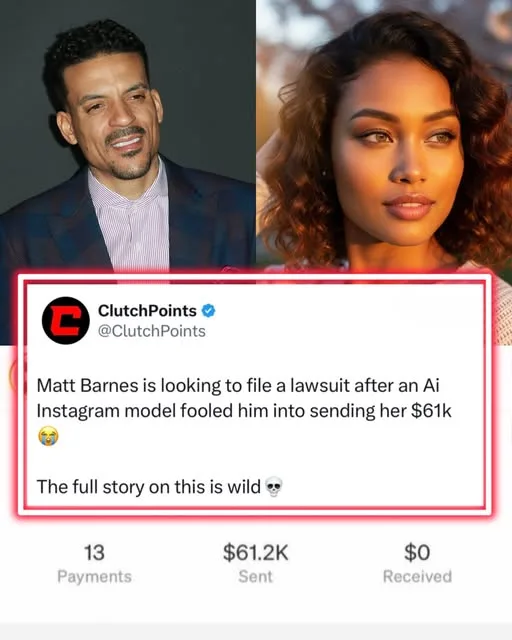
The case involves Barnes being targeted by an AI-assisted extortion scheme beginning July 2023. An unidentified woman used artificial intelligence to create deepfake audio, videos, and text messages depicting Barnes as unfaithful to his then-pregnant fiancée Anansa Sims. Barnes paid $61,000 over 14 months to prevent the AI-generated content from going public.
When the extortionist sent the fabricated material to gossip blogger Tasha K (Latasha Kebe), who published it without verification, Barnes announced in November 2025 his intention to sue her for defamation. As of December 2025, Barnes has not yet filed the lawsuit in court.
Timeline of the AI Extortion Scheme
July 2023: Barnes and Anansa Sims separated for approximately one month
July-August 2023: Barnes began communicating with a woman who contacted him via Instagram DM, though he never met her in person
Late 2023: Barnes and Sims reconciled; Barnes stopped communication with the woman
Early 2024: After Barnes and Sims announced their pregnancy during filming of their reality show “The Barnes Bunch” on WeTV, threatening messages from multiple phone numbers began
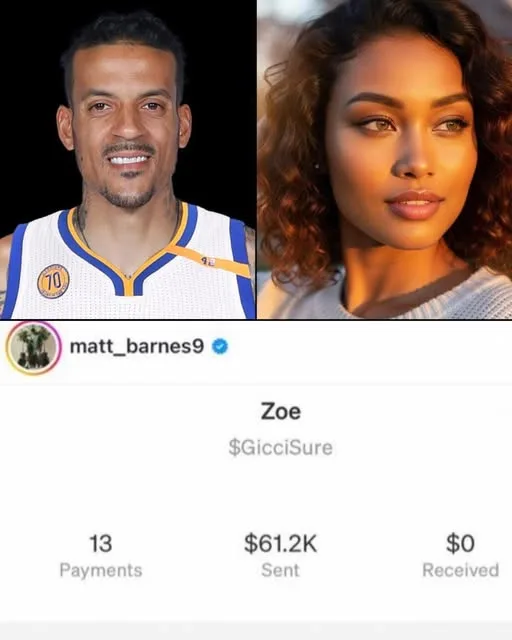
January 2024 – September 2024: Barnes made monthly payments totaling $61,000 to someone identified as “Zoe” to prevent release of the allegedly fabricated content
September 2024: Barnes stopped making payments
January 2025: The woman escalated threats, demanding more money and threatening exposure
November 12, 2025: Barnes publicly revealed the extortion scheme via Instagram, posting receipts showing the payment history and threatening messages
November 13, 2025: Barnes announced plans to sue Tasha K for spreading the false narratives
Related article: Marciano Brunette Lawsuit 2025, Reality TV Star Sues Demi Engemann for Sexual Assault Defamation Claims
How the AI Deepfake Scheme Worked
The woman identified as “Zany” or “Jesse” allegedly used AI technology to manipulate Barnes’ voice messages and create synthetic audio and video content. The deepfakes were designed to make it appear Barnes was cheating on Sims.
Barnes stated the woman used AI to manipulate his voice messages to her. The technology created what Barnes described as convincing but entirely fabricated evidence of infidelity.
Barnes explained he had no idea what leverage the extortionist actually held because he never met her physically. Yet the AI-generated content was convincing enough that he paid to keep it private while Sims was pregnant.
Why Barnes Paid the Extortionist
Barnes stated he decided to pay the person to keep his then-pregnant fiancée from getting stressed. The payments continued from early 2024 through September 2024, with Barnes making payments on the 5th or 6th of each month.
The total amount paid reached $61,200 according to receipts Barnes provided publicly. Messages from the extortionist showed escalating demands, with one message stating “you low key Did play in my face with the little 5k”, suggesting Barnes had previously paid $5,000 on top of regular payments.
Tasha K’s Role and the Defamation Claims
After Barnes stopped paying in September 2024, the extortionist sent what he described as fake audio and other materials to gossip blogger Tasha K. Tasha K, whose real name is Latasha Kebe, runs the YouTube show “UNWINEWITHTASHAK” focusing on celebrity gossip and controversies.
Barnes accused Tasha K of not fact-checking her sources before publishing stories about his sexuality, allegedly pressuring someone to get an abortion, and other fabricated claims.
Barnes stated: “This isn’t just gossip — this is someone weaponizing technology to destroy people’s lives”, emphasizing the need to address AI-assisted manipulation and blackmail.
Tasha K has faced previous high-profile defamation cases. Cardi B successfully sued her and was awarded multi-million-dollar damages. Kevin Hart also engaged in legal battles with the blogger.
Current Status: Lawsuit Not Yet Filed
As of December 2025, Barnes has not filed his lawsuit against Tasha K, though he has publicly announced his intention to do so.
Barnes stated he would sue both Tasha K and the woman who extorted him. However, no court filings have been publicly confirmed.
Impact on Barnes’ Personal Life
The situation contributed to costing Barnes his relationship with Anansa Sims. The couple, who had been engaged since 2022, separated in January 2025.
Shortly before the extortion story went public, Sims had alleged that Barnes cheated on her with eight different women in January alone. The AI-generated content and subsequent public revelations appeared to further damage their relationship.
Legal Framework: AI Deepfakes and Extortion Laws
The Matt Barnes case intersects with multiple areas of emerging AI law:
Extortion and Blackmail
Using deepfakes to extort money constitutes fraud, and manipulated videos used to blackmail someone provide evidence of extortion. Both federal and state laws criminalize extortion, with penalties including substantial fines and imprisonment.
Barnes’ case involves classic extortion elements: threats to release damaging (though fabricated) material unless payment is made, continued escalation of demands, and use of multiple phone numbers to maintain pressure.
Defamation Claims
Defamation laws apply to deepfakes and AI-generated images that falsely depict an individual in a damaging way. For successful defamation claims, plaintiffs must prove:
- The content was false
- It harmed their reputation
- It was published to third parties
- The publisher acted with negligence or actual malice
Barnes’ potential defamation case against Tasha K would need to demonstrate she published false AI-generated content that damaged his reputation without proper fact-checking.
Right of Publicity Violations
The right of publicity protects an individual’s name, likeness, and personal attributes from unauthorized commercial exploitation. When deepfakes use someone’s likeness, voice, or image without consent, they may violate publicity rights.
Courts have recognized right of publicity claims for virtual recreations and drawings of public figures, suggesting deepfakes need not be perfect recreations to trigger liability.
Federal Legislation: The TAKE IT DOWN Act
The Take It Down Act, which became federal law in May 2025, makes non-consensual publication of deepfakes a felony. The law specifically addresses “digital forgeries” and requires online platforms to establish takedown processes.
Any person who shares deepfakes or threatens to share them faces fines and imprisonment ranging from 18 months to three years, with harsher penalties when minors are involved.
State Laws Vary Widely
Nearly 30 states have laws directly addressing deepfake nonconsensual content, with varying criminal classifications and penalties. Some states require proof of intent to harass or harm, while others impose strict liability.
What This Means for Celebrity Rights Protection
The Barnes case highlights critical vulnerabilities for public figures in the AI age:
Anonymity Advantages Extortionists: Many deepfakes are uploaded anonymously, making the victim’s only remedy against website owners if creators cannot be located. This creates jurisdictional and enforcement challenges.
AI Lowers Technical Barriers: Anyone with basic AI software can now create convincing deepfakes. The technology that once required specialized expertise is now accessible to average users.
Verification Becomes Critical: Media outlets and bloggers who publish AI-generated content without verification face potential defamation liability. Tasha K’s history of losing defamation cases suggests courts will hold publishers accountable.
Emotional Leverage Matters: Barnes paid despite never meeting the extortionist because his fiancée was pregnant. Sophisticated extortionists target vulnerable moments when victims prioritize protecting loved ones over financial concerns.
Gilbert Arenas’ Reaction and Public Response
Former NBA player Gilbert Arenas expressed shock on his podcast, stating: “Matt Barnes got finessed out of $61,000? By an AI snow bunny? No, y’all playing. What?! No, I don’t believe it”.
Arenas questioned why anyone would pay extortionists, suggesting most NBA players wouldn’t send money regardless of threats. His skepticism reflected broader public debate about whether Barnes’ explanation was credible.
Social media reactions divided between:
- Those sympathizing with Barnes as an AI scam victim
- Those questioning why he paid if the content was fabricated
- Concerns about how easily AI deepfakes can target anyone
The case sparked massive online conversation about AI scams and deepfake extortion schemes becoming a modern reality.
Implications for AI Technology Users and Victims
Anyone Can Be Targeted: Barnes isn’t the only person vulnerable to AI catfishing and deepfake schemes—he’s just the first high-profile case. The technology enables targeting of ordinary individuals, not just celebrities.
Document Everything: Victims should gather evidence of deepfakes including screenshots, URLs, and communications showing harm caused. Barnes’ decision to publish receipts strengthened his public narrative.
Act Quickly: Cease-and-desist letters from attorneys can effectively stop distribution and demand content removal from platforms. Delays allow wider spread of fabricated content.
Report to Authorities: Extortion is a serious crime. Victims should report threats to law enforcement rather than paying, as payment often encourages escalating demands.
Platform Responsibilities: Research shows platforms remove copyright complaints quickly but often ignore privacy violations. Legal threats motivate faster action than policy complaints.
What Happens Next in the Barnes Case
The case remains in a pre-litigation phase. Key developments to watch:
Lawsuit Filing: Whether Barnes will formally file defamation claims against Tasha K in court. Given Tasha K’s history losing to Cardi B, she faces significant financial risk if sued.
Criminal Investigation: Whether law enforcement will investigate the extortionist who created the AI deepfakes and demanded payment. Tracking anonymous perpetrators poses challenges.
Identity of Extortionist: Whether the woman behind “Zoe,” “Zany,” or “Jesse” will be identified. Anonymous extortionists often operate across state lines, complicating prosecution.
Precedent Setting: If Barnes proceeds to trial, the case could establish important precedents for how courts handle AI-generated defamation and extortion claims against both perpetrators and publishers.
Platform Accountability: Whether Instagram or other platforms where the extortion occurred will face scrutiny for enabling AI-assisted scams.
Broader Legal Implications for AI-Generated Content
This case signals several emerging legal trends:
Publisher Liability Increasing: Media outlets and bloggers who amplify AI-generated content without verification face growing legal exposure. The “just reporting what someone told us” defense weakens when sophisticated deepfakes are involved.
Proof Challenges: Distinguishing authentic from AI-generated content requires technical analysis. Courts will need expert witnesses to authenticate or debunk alleged deepfakes.
First Amendment Limits: While deepfake falsehoods receive some First Amendment protection, free speech doesn’t provide blanket immunity for content that damages reputations, invades privacy, or causes harm.
Federal vs. State Authority: The Take It Down Act doesn’t preempt state laws, giving victims multiple avenues for protection. However, Congress is debating a 10-year moratorium on state AI regulation.
Proposed NO FAKES Act: The proposed NO FAKES Act would protect performers and public figures from unauthorized deepfakes, though current proposals don’t extend to all individuals.
What Victims Should Know
If you’re targeted by AI deepfakes or extortion:
Don’t Pay: Payment rarely stops extortion and often encourages more demands. Barnes paid for 14 months but the threats continued.
Contact Attorneys Immediately: Lawyers specializing in internet law and content removal can assess your case and pursue cease-and-desist orders or lawsuits.
Report to Platforms: Use platform reporting mechanisms for non-consensual content. Under the Take It Down Act, major platforms must establish takedown processes.
File Police Reports: Extortion is a crime. Create official records even if prosecution seems unlikely.
Preserve Evidence: Screenshot threats, save payment records, and document how the deepfakes spread. This evidence becomes critical in civil and criminal proceedings.
Seek Support: Organizations like Take It Down, the Cyber Civil Rights Initiative Safety Center, and the National Center on Sexual Exploitation provide resources for victims.
Frequently Asked Questions
Has Matt Barnes actually filed a lawsuit yet?
No. As of December 2025, Barnes announced his intention to sue Tasha K for defamation but has not filed court documents. He publicly revealed the extortion scheme in November 2025 and stated he would pursue legal action against both Tasha K and the woman who extorted him.
How much money did Matt Barnes lose to the AI extortion scheme?
Barnes paid $61,000 over approximately 14 months, from early 2024 through September 2024. He made monthly payments on the 5th or 6th of each month, with receipts showing payments to someone named “Zoe.” Additional smaller payments may have been made separately.
What laws apply to AI deepfake extortion?
Multiple laws address this conduct: federal and state extortion/blackmail statutes (fraud using technology to demand payment), the Take It Down Act (May 2025 federal law criminalizing non-consensual deepfake publication), defamation laws (false content damaging reputation), and right of publicity laws (unauthorized use of likeness). Penalties range from civil damages to felony imprisonment.
Why did Matt Barnes pay if the content was fake?
Barnes stated his fiancée Anansa Sims was pregnant at the time, and he wanted to avoid causing her stress. The AI-generated content was convincing enough that he feared its public release would damage his relationship and reputation, even though he never met the extortionist in person.
Can Tasha K be held liable for publishing AI-generated content?
Potentially yes. Publishers who spread false, defamatory content can be held liable even if they didn’t create it. Tasha K lost a previous defamation case brought by Cardi B and was ordered to pay multi-million-dollar damages. If Barnes proves Tasha K published false AI-generated content without adequate fact-checking that damaged his reputation, she could face similar liability.
Who was the woman who extorted Matt Barnes?
The extortionist’s identity remains unknown. Barnes referred to her using names including “Zoe” (name on payment receipts), “Zany,” and “Jesse.” She allegedly contacted Barnes via Instagram DM and used multiple phone numbers for threats. Anonymous perpetrators are common in AI extortion schemes.
What is the Take It Down Act and how does it help victims?
The Take It Down Act became federal law in May 2025, making non-consensual publication of authentic or deepfake sexual images a felony. It requires online platforms to establish notice and takedown processes for victims to report such content. Penalties include fines and imprisonment ranging from 18 months to three years, with harsher penalties when minors are involved.
Legal Disclaimer: This article provides information about an ongoing legal matter and emerging AI legislation. It should not be construed as legal advice. If you’re a victim of deepfake content, AI-assisted extortion, or defamation, consult with a qualified attorney specializing in internet law, privacy violations, and content removal to understand your specific rights and legal options.
Sources: News reports from Complex, Sportskeeda, The Shadow League, Basketball Network, Cassius Life, Baller Alert, Total Pro Sports, El-Balad; legal framework from National Security Law Firm, Free Speech Center, Washington Law Center, Honigman LLP, Skadden Arps, Halock Security, Criminal Defense Lawyer, Scientific American; Matt Barnes’ Instagram statements November 2025; Gilbert Arenas’ podcast “Gil’s Arena” November-December 2025.
About the Author

Sarah Klein, JD, is a licensed attorney and legal content strategist with over 12 years of experience across civil, criminal, family, and regulatory law. At All About Lawyer, she covers a wide range of legal topics — from high-profile lawsuits and courtroom stories to state traffic laws and everyday legal questions — all with a focus on accuracy, clarity, and public understanding.
Her writing blends real legal insight with plain-English explanations, helping readers stay informed and legally aware.
Read more about Sarah