
Lunazul Class Action Lawsuit, Tequila Allegedly Not Made From 100% Blue Weber Agave 2026
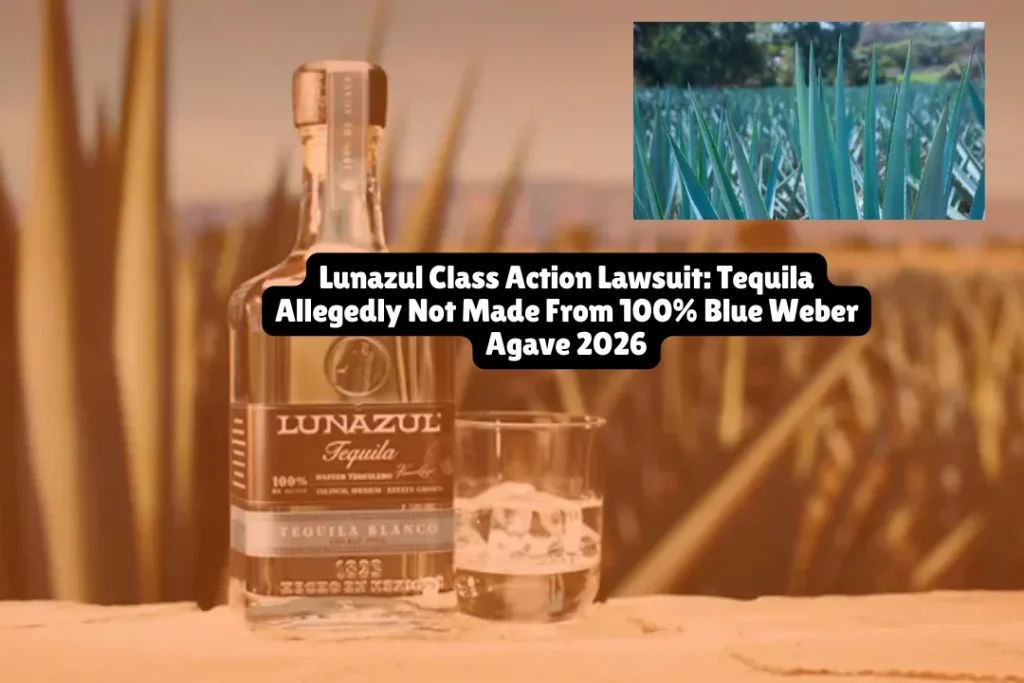
Heaven Hill Distilleries faces a class action lawsuit alleging its Lunazul tequila products are falsely advertised as “100% Blue Weber agave” when they allegedly contain significant amounts of ethanol from non-agave sources. Filed in November 2025 in Florida federal court, the lawsuit claims specialized laboratory testing revealed the tequila contains cane alcohol despite marketing claims of purity.
What the Lunazul Lawsuit Alleges
Plaintiff Joel Sylvain filed the class action on November 10, 2025, accusing Heaven Hill of deceiving consumers who pay premium prices for authentic tequila. The lawsuit centers on Lunazul’s entire product line, which includes Blanco, Reposado, Añejo, Cristalino, and Humoso varieties priced between $23.98 and $43.99 per bottle.
According to court documents, Sylvain commissioned specialized testing that allegedly found significant concentrations of ethanol not derived from agave plants. This contradicts both U.S. and Mexican regulations, which require tequila labeled “100% agave” to be produced exclusively from Blue Weber agave grown in designated Mexican regions.
The lawsuit follows a pattern of similar cases targeting premium tequila brands. The Don Julio and Casamigos lawsuit raised identical allegations against Diageo-owned products, claiming laboratory testing showed the tequilas contained substantial non-agave alcohols.
Why 100% Blue Weber Agave Matters
Blue Weber agave takes five to 10 years to mature and must be grown in specific Mexican states including Jalisco, Tamaulipas, Nayarit, Michoacán, and Guanajuato. This lengthy cultivation process makes it significantly more expensive than cane sugar or other fermentable materials used to produce cheaper spirits.
Consumers pay premium prices for 100% agave tequila because of its authenticity and quality. The lawsuit alleges Heaven Hill capitalized on this by marketing Lunazul as premium tequila while allegedly using cheaper non-agave alcohol to reduce production costs.
Current Lawsuit Status
The case, Sylvain v. Heaven Hill Distilleries Inc. (Case No. 1:25-cv-25229), is pending in the U.S. District Court for the Southern District of Florida. Sylvain is represented by attorneys from Rennert Vogel Mandler & Rodriguez P.A.
The plaintiff seeks to represent anyone in the United States who purchased Lunazul tequila during the applicable statute of limitations period. Claims include negligence, negligent misrepresentation, unjust enrichment, and violations of Florida consumer protection laws.
As of February 2026, no settlement has been announced. The lawsuit remains in early stages, and the court has not yet ruled on class certification.
Who May Be Eligible
Anyone who purchased any variety of Lunazul tequila in the United States may potentially qualify as a class member. This includes purchases of Lunazul Blanco, Reposado, Añejo, Cristalino, or Humoso products labeled as “100% Blue Weber agave.”
The lawsuit does not require proof that the product caused harm—only that consumers relied on Heaven Hill’s labeling when making their purchase decisions and paid premium prices based on those representations.
What to Do If You Purchased Lunazul
Save your receipts and product packaging if you purchased Lunazul tequila. While many class actions don’t require proof of purchase, having documentation strengthens potential claims.
Monitor legal news sources for updates about class certification and potential settlement negotiations. When the case progresses, eligible class members will receive official notice with instructions on how to participate or opt out.
Consider consulting a consumer protection attorney if you made substantial purchases of Lunazul products or experienced significant financial losses based on the alleged misrepresentation.
Broader Industry Implications
The Lunazul lawsuit is part of a wave of litigation targeting premium tequila brands over “100% agave” claims. Costco’s Kirkland Signature tequila, Kendall Jenner’s 818, Michael Jordan’s Cincoro, and several other brands face similar allegations.
Industry observers note these cases could reshape tequila labeling standards and enforcement if plaintiffs prevail. The litigation raises fundamental questions about corporate accountability in the spirits industry and whether premium pricing claims match product reality.
Last Updated: February 11, 2026
Disclaimer: This article provides information about ongoing litigation and is not legal advice. No settlement has been reached, and class membership has not been finalized.
Take Action: If you purchased Lunazul tequila, preserve your receipts and monitor this case for developments about class certification and potential compensation.
Stay informed, stay protected. — AllAboutLawyer.com
About the Author

Sarah Klein, JD, is a licensed attorney and legal content strategist with over 12 years of experience across civil, criminal, family, and regulatory law. At All About Lawyer, she covers a wide range of legal topics — from high-profile lawsuits and courtroom stories to state traffic laws and everyday legal questions — all with a focus on accuracy, clarity, and public understanding.
Her writing blends real legal insight with plain-English explanations, helping readers stay informed and legally aware.
Read more about Sarah