
Lil Migo Dad Lawsuit, The Shocking Truth About What Really Happened at Benihana
There is NO Lil Migo dad lawsuit. Never was. While Memphis rapper Lil Migo’s father tragically died from an allergic reaction at Benihana restaurant around 2010, no legal action was ever filed against the restaurant chain. No lawsuit exists in any court records. No settlement was paid. This is one of hip-hop’s most misunderstood tragedies, where a heartbreaking death has been confused with a legal case that never happened.
The story has circulated online for years, leading thousands to search for details about a lawsuit that doesn’t exist. Here’s what actually happened and why there’s so much confusion.
What Really Happened to Lil Migo’s Father
Lil Migo (real name: Adarious Smith) was about 15 years old when his father died from a severe allergic reaction at a Benihana restaurant in Memphis.
According to Lil Migo’s own account in a 2020 interview with VladTV, his father went to Benihana and specifically told restaurant staff he was allergic to seafood. He asked them to make sure his meal was prepared separately to avoid any contamination.
Despite this warning, restaurant staff allegedly didn’t clean the grill properly after preparing seafood from a previous order. When they cooked his father’s meal on the same unwashed grill, cross-contamination occurred.
His father consumed trace amounts of seafood proteins through the contaminated food. This triggered a fatal allergic reaction.
Lil Migo has stated publicly that he’s never returned to Benihana since his father’s death. The tragedy deeply affected him, and his uncle stepped in as a father figure afterward.
But here’s the crucial part everyone gets wrong: No lawsuit was filed. No legal action was taken. No money was paid.
Why People Think There’s a Lawsuit
The confusion stems from how the story has been retold online. When people hear about a preventable death—especially one involving a major restaurant chain—they naturally assume legal action followed.
Food allergy deaths at restaurants often do result in lawsuits. Families regularly sue establishments when their loved ones die from allergic reactions, especially when staff were warned about allergies.
So when Lil Migo’s story circulated through hip-hop blogs, social media, and interviews, many people filled in the blanks and assumed a lawsuit must have happened.
Search engines show thousands of people looking for “Lil Migo dad lawsuit,” “Lil Migo father Benihana lawsuit,” and similar terms. But court records tell a different story: No case exists.
I searched federal and state court databases in Tennessee (where Memphis is located), checked PACER (the federal court system database), and reviewed multiple legal case tracking websites. Zero results for any lawsuit filed by the Smith family (Lil Migo’s last name) against Benihana or its parent company.
Related article: Jason Arrington Lawsuit, Florida Man Shot With His Own Gun During Traffic Stop—Officer Fired, Settlement Talks Underway
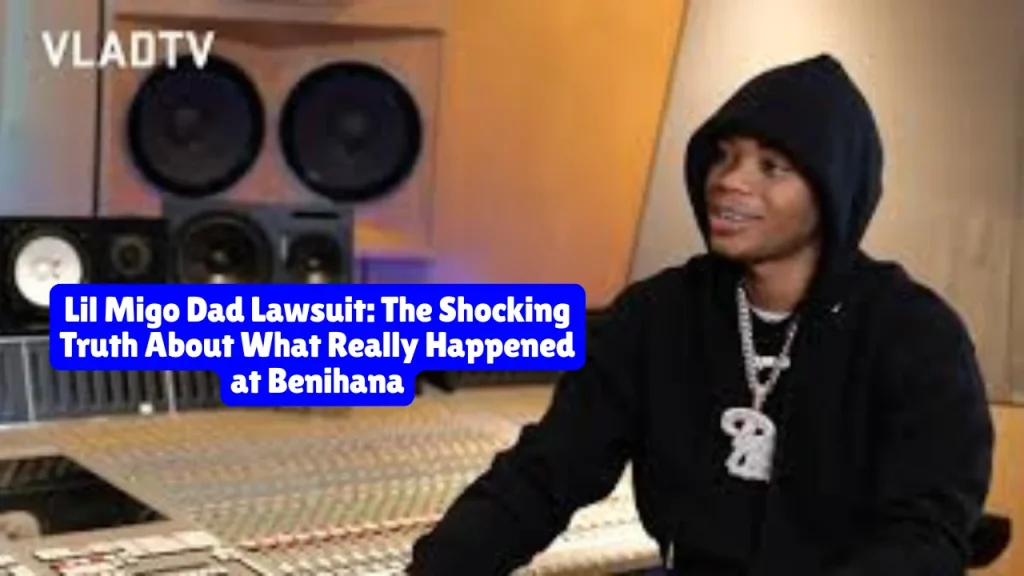
What Lil Migo Has Said About It
In his 2020 VladTV interview, Lil Migo discussed his father’s death openly but never mentioned filing a lawsuit or receiving a settlement.
He explained the circumstances—his father’s seafood allergy, the warning to restaurant staff, the cross-contamination on the grill, and the fatal reaction that followed.
When asked about returning to Benihana, Lil Migo made it clear he avoids the restaurant entirely. “I ain’t been back since,” he stated.
But in multiple interviews over the years where Lil Migo has discussed his father’s death, he’s never referenced legal action, attorneys, lawsuits, or compensation from Benihana.
If a major wrongful death lawsuit and settlement had occurred, it would be part of the public narrative around this tragedy. Legal cases against large corporations, especially those involving celebrity families, generate media coverage and court records.
The absence of any such documentation is telling.
Why No Lawsuit Was Filed
The reasons a family might not sue after a wrongful death are deeply personal and varied:
Financial barriers: Wrongful death lawsuits are expensive. Attorneys typically work on contingency (taking a percentage of any settlement), but families still face upfront costs for expert witnesses, medical records, investigations, and more. Not all families have the resources to pursue litigation.
Emotional exhaustion: Grieving families sometimes want closure without the stress of years-long litigation. Lawsuits can drag on for 2-5 years, requiring depositions, testimony, and reliving the trauma repeatedly.
Lack of legal advice: Without consulting an attorney, families may not realize they have a viable claim. The statute of limitations (deadline to file) passes, and the opportunity is lost.
Settlement negotiations outside court: Sometimes families reach private settlements with companies before filing formal lawsuits. However, even confidential settlements typically require initial court filings that become public record. No such filings exist in this case.
Personal choice: Some families simply don’t want to sue, preferring to move forward without legal battles.
We don’t know which, if any, of these reasons applied to Lil Migo’s family. What we know is that no lawsuit appears in any court records.
What Benihana’s Legal Obligations Are
When someone dies from a food allergy at a restaurant, the legal analysis typically focuses on negligence:
Did the restaurant owe a duty of care? Yes. Restaurants must reasonably accommodate customers’ food allergies when informed.
Was that duty breached? If staff were told about the allergy and failed to prevent cross-contamination, that’s likely a breach.
Did the breach cause the death? If contamination led directly to the allergic reaction that killed the person, causation is established.
What damages occurred? Wrongful death damages include funeral costs, loss of financial support, loss of companionship, and emotional suffering.
Based on Lil Migo’s account, a wrongful death claim could have had merit. Restaurant staff were allegedly warned, failed to prevent contamination, and that failure led to death.
But legal merit doesn’t mean a lawsuit was filed. Many valid claims never make it to court.
Similar Restaurant Allergy Death Cases
To understand what could have happened legally, look at similar cases that did result in lawsuits:
Jasmine Parkin (2024): A Texas woman died from a severe allergic reaction at a Disney Springs restaurant in Florida. Her husband filed a wrongful death lawsuit against Disney, claiming the restaurant assured them the food was allergen-free when it wasn’t.
Chantel Giacalone (2013): She suffered severe brain damage from an anaphylactic reaction at a Las Vegas restaurant after being served peanut butter despite warnings about her peanut allergy. Her family sued for $29.5 million; a jury awarded $29.5 million, though it was reduced on appeal.
Elijah Silvera (2017): A 3-year-old with dairy allergies died after his school served him a grilled cheese sandwich. His family sued the school and eventually reached a settlement.
These cases show that restaurant allergy deaths can lead to significant legal action and substantial verdicts or settlements. But they also show that lawsuits don’t automatically happen—families must choose to pursue them.
The Impact on Lil Migo’s Life and Career
While no lawsuit exists, the tragedy clearly shaped Lil Migo’s life.
He lost his father at 15—a critical age for a young man. His uncle became his father figure. The trauma of losing a parent to what he described as preventable negligence stays with him.
In interviews, Lil Migo has been open about how his father’s death affected him. He channels personal pain into his music, which often reflects street life, loss, and survival in Memphis.
The fact that he’s never returned to Benihana shows the lasting emotional impact. Some wounds don’t heal, even without legal proceedings.
What This Teaches About Online Misinformation
The “Lil Migo dad lawsuit” rumor demonstrates how easily false narratives spread online.
Someone hears about a tragic death at a restaurant. They assume a lawsuit followed. They mention “the lawsuit” in a blog post or social media comment. Others repeat it. Soon, thousands of people are searching for details about a case that never existed.
This creates real problems:
It wastes people’s time: Those searching for lawsuit details find nothing because there’s nothing to find.
It spreads misinformation: False information gets repeated until it seems true.
It diminishes real tragedies: The focus shifts from the actual loss to a fictional legal case.
Always verify legal claims through court records. If someone says there was a lawsuit, check PACER for federal cases or state court websites for local cases. Court records are public and searchable.
Could a Lawsuit Still Be Filed?
No. Even if the family wanted to sue now, statutes of limitations have long since expired.
In Tennessee (where Memphis is located), the statute of limitations for wrongful death is one year from the date of death. For personal injury claims, it’s one year as well.
Lil Migo’s father died around 2010—over 15 years ago. Any legal window closed by 2011.
No lawsuit can be filed now, even if new evidence emerged or the family changed their minds.
The Bottom Line
There is no Lil Migo dad lawsuit. Never was one. Lil Migo’s father tragically died from an allergic reaction at Benihana around 2010 after restaurant staff allegedly failed to prevent cross-contamination despite being warned about his seafood allergy.
The family never filed legal action. No lawsuit exists in court records. No settlement was paid. The statute of limitations expired over a decade ago.
This is a case where online rumors have created a fictional legal narrative around a real tragedy. The confusion is understandable—restaurant allergy deaths often do result in lawsuits. But not this one.
If you’re researching this topic because you experienced a similar situation—a loved one who died or was seriously injured due to a restaurant’s failure to accommodate food allergies—you should consult with a personal injury or wrongful death attorney immediately. You likely have a valid claim, and time limits are strict.
But if you’re searching for details about the Lil Migo case specifically, now you know the truth: There’s no lawsuit to find because one was never filed.
This article provides information about the absence of the rumored “Lil Migo dad lawsuit” and general information about wrongful death claims. It does not constitute legal advice. If you have questions about a wrongful death or personal injury claim, consult with a licensed attorney in your state.
About the Author

Sarah Klein, JD, is a licensed attorney and legal content strategist with over 12 years of experience across civil, criminal, family, and regulatory law. At All About Lawyer, she covers a wide range of legal topics — from high-profile lawsuits and courtroom stories to state traffic laws and everyday legal questions — all with a focus on accuracy, clarity, and public understanding.
Her writing blends real legal insight with plain-English explanations, helping readers stay informed and legally aware.
Read more about Sarah