
Kidde and First Alert Smoke Alarm Class Action Lawsuit, What You Need to Know About the Smoldering Fire Detection Failure Claims
Kidde and First Alert face a class action lawsuit claiming their ionization-only smoke alarms fail to detect smoldering fires—the most common and deadliest type of home fire. Plaintiffs Michael Stapelman and Tammie Hays filed the lawsuit in U.S. District Court for the Western District of Washington, alleging decades of deceptive marketing despite companies knowing about the technology’s limitations since the 1970s.
What Is the Kidde and First Alert Smoke Alarm Class Action?
The class action lawsuit was filed against Walter Kidde Portable Equipment LLC and BRK Brands Inc., which do business as Kidde Safety Equipment and First Alert. The suit challenges how these manufacturers marketed ionization-only devices as comprehensive “smoke alarms” when the technology cannot reliably detect smoldering fires.
The lawsuit states the ionization-only models at issue cannot pass updated safety standards and have since been discontinued, which plaintiffs argue proves the companies knew about longstanding safety gaps they never disclosed to consumers.
What Products Are Affected?
The lawsuit targets ionization-only smoke alarms sold by both companies, including:
- Ionization-only smoke detectors labeled as “smoke alarms”
- Combination carbon monoxide and ionization smoke alarm devices
- Products purchased both in retail stores and online
- Devices manufactured and sold over multiple decades
The plaintiffs want to represent a nationwide class and Washington subclass of consumers who purchased a product with ionization technology as its only means of detecting smoke or fire.
Related article: Los Angeles Jury Orders Johnson & Johnson to Pay $40 Million Over Talc Cancer Claims
What Is the Alleged Defect?
The core allegation centers on how ionization technology works—and what it cannot detect.
How Ionization Alarms Work
Ionization smoke alarms use radioactive material to ionize air between two electrically charged plates, creating a current. When smoke disrupts this current, the alarm sounds.
The Critical Limitation
Photoelectric smoke alarms respond 15 to 50 minutes faster to smoldering fires than ionization alarms. Ionization-only devices do not sound or sound too late, often when a smoldering fire has already progressed to a hot, flaming fire.
By that point, it is often too late for a person to safely evacuate due to the buildup of smoke, toxic gases, and flame.
What Are Smoldering Fires?
Smoldering fires move slowly but produce the most smoke—the element of residential fires most responsible for fatalities. These fires can develop over 45 minutes to several hours before producing visible flames.
Common sources include:
- Cigarettes burning in furniture
- Electrical wiring issues
- Bedding catching fire slowly
Who Are the Parties Involved?
Plaintiffs:
- Michael Stapelman of Bellevue, Washington, who purchased Kidde alarms online
- Tammie Hays of Centralia, Washington, who purchased a First Alert device at a Walmart in Chehalis
Defendants:
- Walter Kidde Portable Equipment LLC d/b/a Kidde Safety Equipment (Delaware corporation, principal place of business in Mebane, North Carolina)
- BRK Brands Inc. d/b/a First Alert (Delaware corporation, principal place of business in Aurora, Illinois)
What Are the Specific Allegations?
The complaint alleges both companies were aware of performance failures dating back to the 1970s but continued to mass-produce the products because they were inexpensive to manufacture.
Deceptive Marketing Claims
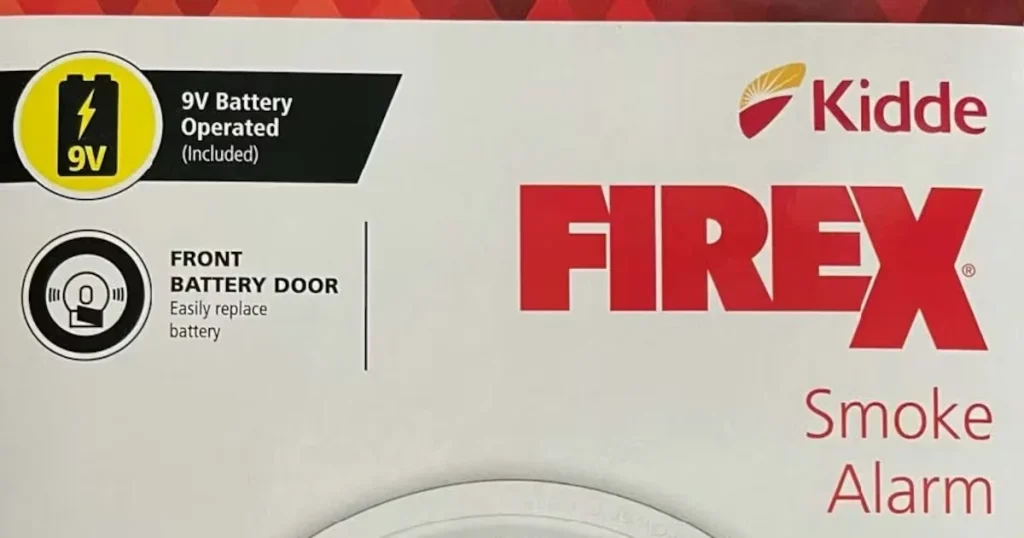
The complaint details product boxes describing ionization alarms as “smoke alarms” in large, prominent wording, while any mention of ionization technology or its limitations appears in much smaller text on the underside or back of the package.
False Alarm Issues
Ionization-only devices are notorious for sounding false alarms when placed too close to ovens, showers or other household items that produce heat rapidly. False alarms may prompt residents to disarm those devices, subjecting them to even greater risk from future fires.
Ionization alarms are responsible for 97% of nuisance alarms and are thus much more likely to be disabled than other types of smoke alarms.
Legal Basis for the Claims
Stapelman and Hays claim Kidde and First Alert are guilty of breach of express warranty, negligent misrepresentation, intentional misrepresentation and unjust enrichment and of violating the Washington Consumer Protection Act.
Product Liability Theory
The lawsuit relies on established product liability principles that manufacturers must:
- Provide products that perform as advertised
- Warn consumers of known dangers
- Not misrepresent product capabilities
Consumer Protection Violations
Washington Consumer Protection Act prohibits:
- Unfair or deceptive acts in commerce
- False advertising
- Material omissions about product limitations
What Court Is Handling the Case?
The Kidde and First Alert smoke alarm class action lawsuit is Stapelman, et al. v. Walter Kidde Portable Equipment LLC, et al., Case No. 2:25-cv-02413, in the U.S. District Court for the Western District of Washington.
Timeline of Court Proceedings
December 2025: The complaint was filed in the US District Court for the Western District of Washington
The case is in early stages. No court rulings on motions to dismiss or class certification have been issued yet.
Related California Lawsuit
A separate but similar lawsuit exists:
Plaintiffs Stephen Pons, Caroline Coleman and Stanley Wolken filed a class action lawsuit in U.S. District Court for the Northern District of California, Case No. 4:23-cv-03436, making similar allegations about ionization-only devices failing to detect smoke properly.
What Has Happened in Court?
As of December 2025, the Washington lawsuit is in initial filing stages. The case will likely proceed through:
- Defendants’ Response: Kidde and First Alert must file answers or motions to dismiss
- Discovery: Exchange of evidence and documents
- Class Certification: Court must decide if case can proceed as class action
- Motion Practice: Legal arguments on key issues
- Settlement or Trial: Resolution through agreement or jury verdict
The California case filed in 2023 provides insight into how similar litigation may progress.
Current Status of the Case
The lawsuit was filed in December 2025 and is in preliminary stages. No settlement has been announced. The companies have not yet filed formal responses in court.
The ionization-only models at issue have since been discontinued, though millions remain in homes across America.
What Court Cases Have Ruled on Similar Product Liability Claims?
While this specific case is ongoing, established product liability precedents include:
Failure to Warn Claims
Courts have consistently held manufacturers liable when they:
- Know of product dangers but fail to warn consumers
- Market products with misleading safety claims
- Conceal material limitations in fine print
Consumer Protection Act Violations
Washington courts interpret the Consumer Protection Act broadly to protect consumers from:
- Deceptive advertising practices
- Material omissions about product capabilities
- Unfair business practices
Express Warranty Breaches
When manufacturers make specific claims about product performance, courts hold them accountable if products fail to meet those representations.
Legal Theories and Defenses
Plaintiff Legal Theories
Breach of Express Warranty: Both plaintiffs believed they were buying alarms capable of alerting them to common home fires. Neither would have bought the devices had they known about the alleged limitations.
Negligent Misrepresentation: Companies allegedly knew ionization technology failed to detect smoldering fires but marketed devices as complete smoke alarms.
Intentional Misrepresentation: The case charges that the companies callously continued to market ionization-only devices to an unsuspecting public despite fire safety officials’ warnings.
Unjust Enrichment: Defendants profited by selling inferior products consumers would not have purchased with full disclosure.
Potential Defenses
Defendants may argue:
- Products met applicable safety standards when sold
- Warnings were adequate under law
- Consumers could have researched product specifications
- Regulatory compliance provides shield from liability
- Statutes of limitations bar older claims
Potential Compensation and Relief
Plaintiffs seek:
- Monetary damages for consumers who purchased affected devices
- Injunctive relief to stop misleading labeling practices
- Restitution of purchase prices
- Attorneys’ fees and costs
The plaintiffs seek damages on behalf of consumers nationwide and want the court to stop Kidde and First Alert from labeling ionization-only products as “smoke alarms” without clearer disclosure of their limits.
What Do Fire Safety Experts Say?
The NFPA acknowledges that a well-designed photoelectric alarm will usually outperform ionization alarms in all fire situations, regardless of type and material.
During smoldering fires, ionization alarms failed to give sufficient egress time more frequently than photoelectric alarms failed to do so.
Many fire safety organizations now recommend:
- Photoelectric smoke alarms for most residential applications
- Dual-sensor alarms combining both technologies
- Ionization alarms only as supplements, not primary protection
Recent Developments in 2025-2026
December 2025: New Washington lawsuit filed by Stapelman and Hays
Discontinuation of Products: The ionization-only models at issue cannot pass updated safety standards and have since been discontinued
The timing of product discontinuation after decades of sales strengthens plaintiffs’ arguments that companies knew about safety deficiencies but prioritized profits over consumer safety.
How to Participate in the Class Action
If you purchased Kidde or First Alert ionization-only smoke alarms:
- Preserve evidence: Keep receipts, product packaging, or photos showing model numbers
- Monitor case developments: Check class action lawsuit websites for updates
- Wait for class certification: No action required until court certifies class and provides notice
- Respond to official notices: If class is certified, eligible consumers will receive notification with instructions
Important: Do not remove smoke alarms from your home. Continue using existing alarms while considering upgrades to photoelectric or dual-sensor models.
What You Need to Know
Check Your Smoke Alarms
To determine if you have ionization-only alarms:
- Check the back of the device for model information
- Look for mentions of “ionization technology”
- Find references to radioactive material or Americium-241
- Contact manufacturer with model number
Consider Upgrading
Fire safety experts recommend:
- For maximum detection, install both types of smoke alarms on each level and in every bedroom of your home
- Dual-sensor alarms that combine ionization and photoelectric technologies
- Photoelectric alarms in bedrooms where smoldering fires pose greatest risk at night
- Regular testing and battery replacement every six months
- Complete alarm replacement every 10 years
Understand the Difference
Photoelectric smoke alarms are generally more sensitive to detecting smoke from smoldering fires, while ionization smoke alarms are generally more sensitive to smoke from fast, flaming fires.
Safety Recommendations
- Never disable smoke alarms due to false alarms
- Install smoke alarms on every level of your home
- Place alarms inside and outside sleeping areas
- Test alarms monthly
- Replace batteries at least annually
What Are the Latest Updates?
The lawsuit was filed in December 2025 and is in early stages. Key developments to watch:
- Defendants’ response deadlines: Companies must respond to complaint within 21 days of service
- Motion to dismiss: Defendants likely to challenge legal sufficiency of claims
- Class certification briefing: Critical phase determining if case proceeds as class action
- Discovery disputes: Evidence exchange battles over internal company documents
- Settlement discussions: Parties may negotiate resolution before trial
Frequently Asked Questions
Q: Do I need to throw away my Kidde or First Alert smoke alarm?
No. Continue using your existing alarms while considering upgrades. Having some protection is better than none. However, consider adding photoelectric alarms for comprehensive coverage.
Q: Will I automatically receive compensation?
Not yet. The court must first certify the class action. If certified and if plaintiffs win or reach settlement, eligible class members will receive notice with claim instructions.
Q: Are ionization smoke alarms illegal?
No. They remain legal but face increasing scrutiny. The ionization-only models at issue cannot pass updated safety standards and have since been discontinued.
Q: What’s the difference between ionization and photoelectric alarms?
Photoelectric smoke alarms respond 15 to 50 minutes faster to smoldering fires, which produce the most smoke responsible for fatalities. Ionization alarms respond slightly faster (30-90 seconds) to fast flame fires.
Q: Should I buy dual-sensor alarms?
Fire safety organizations recommend dual-sensor alarms or installing both types throughout your home for maximum protection against all fire types.
Q: How long will this lawsuit take?
Class action lawsuits typically take 2-5 years from filing to resolution. The Washington case filed in December 2025 is in very early stages.
Q: Can I join the lawsuit?
If the court certifies the class and you purchased qualifying products within the applicable timeframe, you’ll automatically be included unless you opt out. Watch for official court notices.
Q: What if I bought my alarm years ago?
Statutes of limitations vary by state. The class period and eligibility requirements will be defined if the court certifies the class action.
Q: Will this affect smoke alarm availability?
The ionization-only models have already been discontinued. Consumers now have better access to photoelectric and dual-sensor options that provide superior protection.
Conclusion
The Kidde and First Alert smoke alarm class action highlights critical consumer safety issues about smoke detection technology. Companies allegedly placed profits over people by selling millions of ionization-only alarms that could not reliably detect smoldering fires despite knowing about limitations since the 1970s.
While the lawsuit is in early stages, the allegations underscore the importance of understanding which type of smoke alarm protects your home. Fire safety experts increasingly recommend photoelectric or dual-sensor alarms for comprehensive protection against the deadliest types of residential fires.
Whether you participate in the class action or not, reviewing your home’s smoke alarm system and considering upgrades could save lives.
This article provides general information about pending litigation and should not be construed as legal advice. Consult a qualified attorney for advice about your specific situation.
About the Author

Sarah Klein, JD, is a licensed attorney and legal content strategist with over 12 years of experience across civil, criminal, family, and regulatory law. At All About Lawyer, she covers a wide range of legal topics — from high-profile lawsuits and courtroom stories to state traffic laws and everyday legal questions — all with a focus on accuracy, clarity, and public understanding.
Her writing blends real legal insight with plain-English explanations, helping readers stay informed and legally aware.
Read more about Sarah