
Kat Von D Lawsuit, Tattoo Artist Wins Copyright Case After Ninth Circuit Upholds Verdict
Photographer Jeffrey Sedlik sued Kat Von D in 2021 for copyright infringement after she tattooed his Miles Davis photograph onto a friend’s arm. On January 2, 2026, the Ninth Circuit Court of Appeals upheld a jury’s 2024 verdict clearing Kat Von D, ending a case she called the most difficult experience of her career.
What Was the Kat Von D Lawsuit About?
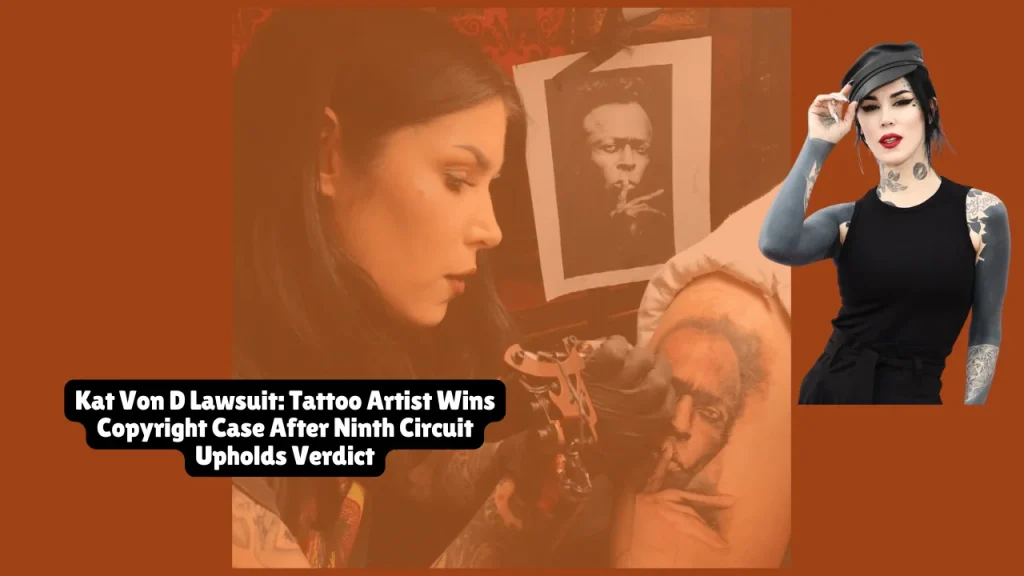
The lawsuit centered on a tattoo Kat Von D created in 2017 for her friend Blake Farmer. She used photographer Jeffrey Sedlik’s iconic 1989 photograph of jazz musician Miles Davis—showing him with his finger to his lips in a “shushing” gesture—as reference material for the tattoo design.
Sedlik owns a registered copyright for the photograph, which was named one of Life Magazine’s “Pictures of the Year” and featured on the cover of JAZZIZ Magazine. In 2021, he filed a copyright infringement lawsuit in U.S. District Court for the Central District of California against Katherine Von Drachenberg (Kat Von D’s legal name), her company Kat Von D Inc., and High Voltage Tattoo Inc.
The complaint alleged copyright infringement—unauthorized copying of protected creative work—and sought either $45,000 in compensatory damages or $150,000 in statutory damages. Sedlik argued the tattoo constituted illegal copying of his photograph’s protected elements.
The Parties Involved
Plaintiff: Jeffrey Sedlik is a professional photographer and intellectual property advocate who runs the PLUS Coalition, a nonprofit promoting licensing of visual works. He has served as an expert on copyright law before Congress and in numerous court cases.
Defendants: Katherine Von Drachenberg, professionally known as Kat Von D, is a celebrity tattoo artist who gained fame on reality TV shows Miami Ink and LA Ink. Her business entities included Kat Von D Inc. and High Voltage Tattoo Inc., her Los Angeles tattoo parlor.
The case was first heard in U.S. District Court for the Central District of California under Judge Dale S. Fischer, then appealed to the Ninth Circuit Court of Appeals.
What Triggered the Lawsuit
In 2017, Kat Von D tattooed the Miles Davis portrait on Blake Farmer’s shoulder. She performed the work free of charge as a favor for her friend.
Kat Von D posted images on social media showing her sketching and tattooing the design, including photos of her tracing Sedlik’s photograph. These posts remained visible online.
Sedlik discovered the tattoo and social media posts. In 2021, he filed what legal experts described as a “first-of-its-kind” lawsuit challenging whether tattoo artists can use copyrighted photographs as reference material without permission.
The case presented questions the tattoo industry had never formally addressed in court: Does creating permanent body art based on a photograph constitute copyright infringement? Can tattoo artists claim fair use when adapting existing images?
Related Article: Love Is Blind Stacy Lawsuit, She Won $8K in Class Action—Here’s What Really Happened
The 2024 Trial Verdict
In January 2024, a Los Angeles jury deliberated for only a couple hours before unanimously ruling in Kat Von D’s favor. The jury found the tattoo was not substantially similar to Sedlik’s photograph—meaning the two works didn’t share enough protected creative elements to constitute infringement.
This determination meant the jury never reached the fair use question, which would have examined whether Kat Von D’s transformative work qualified for copyright protection despite using Sedlik’s image.
However, the jury did rule separately that Kat Von D’s social media posts showing the tattoo process constituted fair use—legal use of copyrighted material for purposes like commentary or education.
After the verdict, Kat Von D’s attorney Allen B. Grodsky stated: “We’ve said all along that this case never should have been brought.”
The 2026 Appeal Decision
Sedlik wasn’t satisfied. He appealed to the Ninth Circuit Court of Appeals, arguing the verdict should have been decided by a judge rather than what he called a “poorly-instructed jury.”
On January 2, 2026, the Ninth Circuit issued a precedential opinion affirming the lower court’s judgment. The three-judge panel refused to overturn the jury’s findings, explaining that doing so “would be tantamount to supplanting the jury’s subjective interpretation with our own.”
The decision became final, ending Kat Von D’s legal battle after nearly five years.
Questions About Copyright Law in Tattoos
While Kat Von D won, the case raised concerns among legal experts about how courts determine copyright infringement.
Two judges issued concurring opinions questioning the Ninth Circuit’s “intrinsic test”—a legal standard that asks whether an ordinary observer would find two works substantially similar based on their “total concept and feel.”
Judge Kim McLane Wardlaw wrote that this test “distorts copyright law” because it relies on spontaneous impressions rather than careful analysis of protected versus unprotected elements. She argued that “theft” can occur even when ordinary observers don’t immediately notice similarities.
Judge Anthony D. Johnstone echoed these concerns, noting the test focuses on vague concepts like “feel” rather than specific copyrightable expression.
Their opinions suggest this legal test may face future challenges, potentially affecting how courts decide copyright cases.
The Emotional and Physical Toll
Kat Von D has been candid about how the lawsuit affected her. She said the stress caused her to lose weight, lose hair, and suffer many sleepless nights.
“I have a feeling setting precedence like that will only help tattooers and other artists in the future,” she said after the 2024 verdict. “As much as I knew this person didn’t deserve a penny from me, there were times that I wanted to settle just to make it stop.”
The experience influenced her decision to stop tattooing professionally. Von D has since covered approximately 80% of her tattoos with solid black ink, leaving only a few meaningful pieces like a portrait of her father.
What This Means for the Tattoo Industry
The case left many questions unanswered because the jury found no substantial similarity rather than ruling on fair use.
Courts still haven’t addressed whether tattoo art is inherently transformative, whether industry norms similar to “fan art” affect copyright analysis, or whether artists who charge for tattoos face different liability than those working for free.
Legal experts note that with tattoo-related lawsuits increasing in recent years, other courts will likely face these questions soon.
For now, tattoo artists should understand that using copyrighted photographs as reference material carries legal risk, even if the final tattoo differs significantly from the source image.
How to Follow Future Developments
Case documents are available through PACER (Public Access to Court Electronic Records) using case number 2:21-cv-01102-DSF-MRW for the district court case and 24-3367 for the Ninth Circuit appeal.
The full Ninth Circuit opinion was filed January 2, 2026, and is publicly accessible through the court’s website or legal databases.
For similar cases involving copyright and tattoos, monitor intellectual property law publications and legal news sources covering the Ninth Circuit.
When You Might Need Legal Help
If you’re a tattoo artist using photographs or other copyrighted images as reference material, consult an intellectual property attorney before posting work online or taking commissions.
Photographers who discover their work has been used without permission should speak with a copyright lawyer before filing suit. This case shows that even strong copyright claims can fail if courts find insufficient similarity between works.
Business owners should review copyright compliance policies, especially for creative industries where using reference material is common practice.
What to Watch For
While Kat Von D’s case is resolved, copyright law continues evolving around visual art and tattoos. Watch for courts addressing the fair use questions this case avoided, particularly whether transformative tattoo art qualifies for protection.
The judges’ criticism of the Ninth Circuit’s substantial similarity test may signal future changes in how courts analyze copyright infringement.
Tattoo artists should also monitor whether Congress or courts establish clearer guidelines for when using reference photographs crosses into infringement.
Frequently Asked Questions
What was the Kat Von D lawsuit about?
Photographer Jeffrey Sedlik sued Kat Von D in 2021 for copyright infringement after she tattooed his Miles Davis photograph onto a friend’s arm without permission. The case questioned whether tattoo artists can legally use copyrighted photos as reference material.
Who won the Kat Von D lawsuit?
Kat Von D won. A jury ruled in January 2024 that her tattoo wasn’t substantially similar to Sedlik’s photograph, and the Ninth Circuit Court of Appeals upheld that verdict on January 2, 2026.
What was Kat Von D accused of?
Sedlik accused Kat Von D of copyright infringement—illegally copying protected creative elements from his 1989 Miles Davis photograph when creating a tattoo in 2017. He sought up to $150,000 in damages.
Did Kat Von D stop tattooing because of the lawsuit?
Yes, partially. Kat Von D said the lawsuit’s emotional and physical toll contributed to her decision to stop tattooing professionally. She has since blacked out approximately 80% of her own tattoos.
What does this case mean for tattoo artists?
The case provides limited guidance because the jury found no infringement based on lack of similarity rather than ruling on fair use. Tattoo artists should still exercise caution when using copyrighted photographs as reference material.
Can photographers sue over tattoos based on their photos?
Yes, photographers can file copyright infringement lawsuits if they believe tattoos illegally copy their protected work. However, this case shows such claims can fail if courts find the final tattoo sufficiently different from the original photograph.
Will there be more tattoo copyright lawsuits?
Legal experts expect more cases as tattoo popularity grows. Courts will likely address unresolved questions about fair use, transformative work, and industry practices that this case didn’t answer.
Last Updated: January 18, 2026
Disclaimer: This article is for informational purposes only and does not constitute legal advice.
What to Do Next: Understand how copyright law applies to creative work and seek legal guidance for intellectual property questions.
Stay informed, stay protected. — AllAboutLawyer.com
About the Author

Sarah Klein, JD, is a licensed attorney and legal content strategist with over 12 years of experience across civil, criminal, family, and regulatory law. At All About Lawyer, she covers a wide range of legal topics — from high-profile lawsuits and courtroom stories to state traffic laws and everyday legal questions — all with a focus on accuracy, clarity, and public understanding.
Her writing blends real legal insight with plain-English explanations, helping readers stay informed and legally aware.
Read more about Sarah