
Jawbreaker Girl Lawsuit, No Real Case Exists—What You Need To Know About This Viral Social Media Hoax
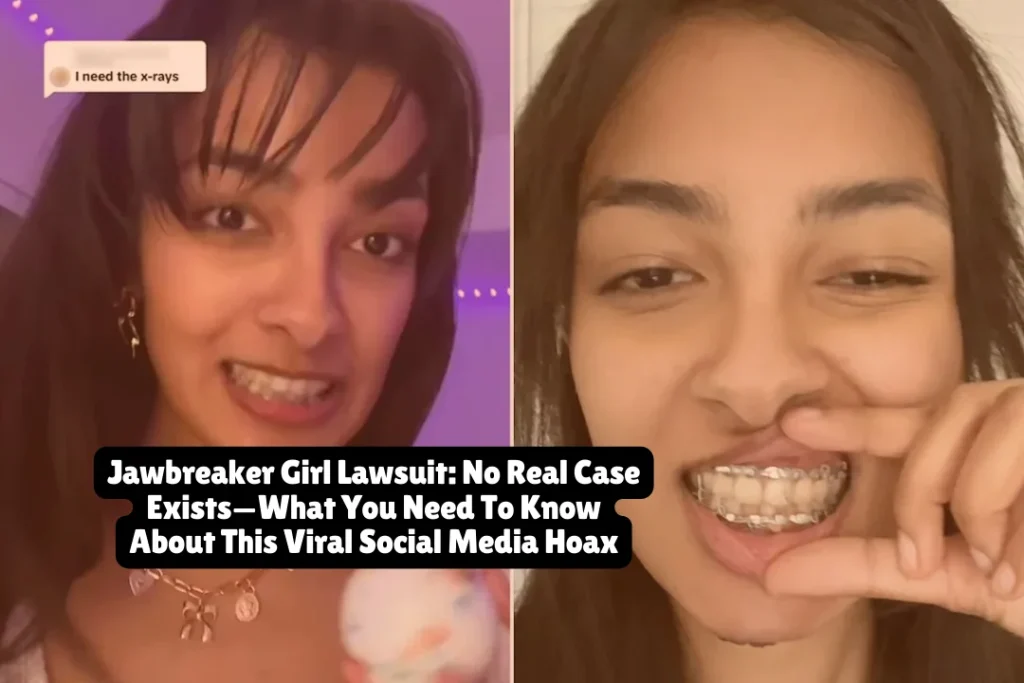
The viral “Jawbreaker Girl lawsuit” flooding TikTok isn’t real. College student Javeria Wasim broke her jaw biting into a jawbreaker candy in December 2024, and later claimed she was suing Ferrara Candy Company for $8 million—but she confirmed to The Daily Dot via Instagram that the lawsuit claims were “just a joke.” If you’ve been searching for details about this supposed $8 million settlement, here’s what actually happened and how to spot fake lawsuit claims online.
What Happened To Jawbreaker Girl?
Javeria Wasim, a 19-year-old business student, actually did break her jaw in December 2024 after biting into a giant jawbreaker candy, resulting in two fractures that required her jaw to be wired shut for six weeks. The injury was real and severe—she couldn’t eat solid food, lost seven pounds in two weeks, and suffered significant pain.
But here’s where reality and social media diverged. After her injury went viral on social media, Wasim began posting videos claiming she sued Ferrara Candy Company for $8 million and won, becoming a “multimillionaire at 19.” However, there is no public record of any lawsuit between Wasim and the Ferrara Candy Company.
The Truth About The “$8 Million Lawsuit”
When confronted about the lawsuit claims, Wasim told The Daily Dot directly: “It was just a joke I’m not actually suing.” No court filings exist. No case number was ever issued. No legal proceedings occurred.
Wasim’s TikTok account (@jawbreakergirl) continued making satirical content, including false claims about suing Buldak Ramen for $15 million and even posting videos claiming she faced criminal charges for “forgery and fraud” related to fake lawsuits. These too were part of her social media persona and comedy content.
What You Must Know About Viral Lawsuit Claims
How Product Liability Lawsuits Actually Work
Real product liability lawsuits require documented evidence, actual legal filings, and court proceedings. In legitimate class action lawsuits like the Walgreens $100 million settlement, consumers receive official notices, case numbers are public record, and settlement websites are verified through court documents.
Legitimate lawsuits have:
- Public court records with case numbers
- Official settlement websites (ending in .com, managed by court-approved administrators)
- Verified legal documentation
- Confirmation from company defendants or their attorneys
Warning Signs Of Fake Lawsuit Claims
The Jawbreaker Girl situation shows classic red flags:
- No case number or court information provided
- Claims of massive settlements with zero documentation
- Social media as the only “source” of lawsuit information
- Creator admits it’s satire when pressed
- No official company response or legal filings
Why This Matters For Consumer Rights
False lawsuit claims damage legitimate consumer protection efforts. Real victims of defective products—like those in verified false advertising settlements such as the Balance of Nature $9.95 million case where consumers were actually misled about supplement ingredients—face skepticism when fake viral claims muddy the waters.
What To Do Next
How To Verify Lawsuit Claims
Before believing viral lawsuit content:
Check PACER (Public Access to Court Electronic Records) at pacer.gov for federal cases. Real lawsuits appear in searchable databases with case numbers, filing dates, and party names.
Search state court databases for your jurisdiction. Most states maintain online dockets for civil litigation.
Look for official settlement websites managed by court-approved claims administrators, not personal social media accounts.
Where To Find Real Consumer Protection Information
If you’ve been harmed by a defective product:
Federal Trade Commission (FTC): Visit ftc.gov to report false advertising or file consumer complaints about deceptive business practices.
State Attorney General: Your state AG handles consumer protection violations and can investigate product liability claims.
Consumer Product Safety Commission: Report dangerous products at cpsc.gov to trigger recalls and safety investigations.
Related Article: Ashes of Creation Lawsuit, Game Studio Shuts Down After $850K Breach of Contract Claim, Mass Layoffs Hit in February 2026
When To Seek Legal Advice
Consult a product liability attorney if you suffered actual injury from a defective product. Real cases involving consumer harm—like the Inova Health $3.1 million tracking pixel settlement where patients’ medical data was improperly shared—require documented damages, medical records, and verified product defects.
Frequently Asked Questions
Did Jawbreaker Girl actually sue the candy company?
No. Javeria Wasim confirmed to The Daily Dot that her lawsuit claims were “just a joke” and no legal action was ever filed against Ferrara Candy Company. No court records exist for any such case.
Was her jaw injury real?
Yes. Wasim genuinely broke her jaw in two places biting into a jawbreaker candy in December 2024, requiring six weeks with her jaw wired shut and a liquid-only diet. The injury was documented by legitimate news outlets including People Magazine.
Can you actually sue a candy company for breaking your jaw on their product?
Potentially yes, under product liability law—but you’d need to prove the product was defectively designed, lacked adequate warnings, or was unreasonably dangerous. Biting into an extremely hard candy called a “jawbreaker” would face major assumption of risk defenses. Real lawsuits require actual legal filings, not just social media posts.
How do I know if a class action lawsuit is real?
Check court records through PACER or state databases, verify settlement websites through court documents, and look for official notices mailed to affected consumers. Legitimate class actions like the Gmail $425 million verdict include publicly accessible case numbers, verified court filings, and official settlement administrator contact information.
What happened with the Buldak Ramen lawsuit she claimed?
That was also fake. Wasim posted content claiming she sued Buldak for $15 million and even fabricated videos about being arrested for fraud—all part of her satirical content creation. No legal proceedings ever occurred.
Why do people create fake lawsuit claims?
Viral content drives social media engagement, followers, and potential monetization. Sensational legal claims attract attention, even when completely fabricated. Some creators use satire or comedy, but it becomes problematic when viewers believe false information.
Where can I report false advertising or dangerous products?
File complaints with the FTC at reportfraud.ftc.gov for false advertising, contact your state Attorney General for consumer protection violations, or report dangerous products to the Consumer Product Safety Commission at saferproducts.gov for genuine safety concerns.
Bottom Line: The Jawbreaker Girl lawsuit never existed. While Javeria Wasim’s jaw injury was real and serious, her claims about suing for $8 million were admittedly satirical social media content. Always verify lawsuit information through official court records before believing viral claims, and consult legitimate consumer protection resources if you’ve genuinely been harmed by a defective product.
Last Updated: January 29, 2026
Disclaimer: This article provides factual information about viral social media claims and is not legal advice. For specific legal questions, consult a licensed attorney.
Take Action: If you’ve been misled by false product claims or need to verify a real lawsuit, visit the FTC at ftc.gov or your state Attorney General’s consumer protection division.
Stay informed, stay protected. — AllAboutLawyer.com
About the Author

Sarah Klein, JD, is a licensed attorney and legal content strategist with over 12 years of experience across civil, criminal, family, and regulatory law. At All About Lawyer, she covers a wide range of legal topics — from high-profile lawsuits and courtroom stories to state traffic laws and everyday legal questions — all with a focus on accuracy, clarity, and public understanding.
Her writing blends real legal insight with plain-English explanations, helping readers stay informed and legally aware.
Read more about Sarah