
Janice Griffith Lawsuit Update, Rooftop Stunt Injury Case Dismissed Following Settlement
Adult performer Janice Griffith sued Dan Bilzerian and Hustler Magazine for negligence after Bilzerian threw her off a roof during an April 23, 2014 photo shoot, causing her to miss the pool and break her foot. The case was filed December 16, 2014 in Los Angeles County Superior Court seeking $85,000 in damages and was dismissed in 2016 following a confidential settlement, avoiding trial.
What Is the Janice Griffith Lawsuit About?
Griffith filed a negligence lawsuit against LFP Internet Group dba Hustler Magazine and social media personality Dan Bilzerian after being injured during a photo shoot at Bilzerian’s Hollywood Hills home. The shoot was organized to showcase Bilzerian’s “extravagant lifestyle” for Hustler promotional content.
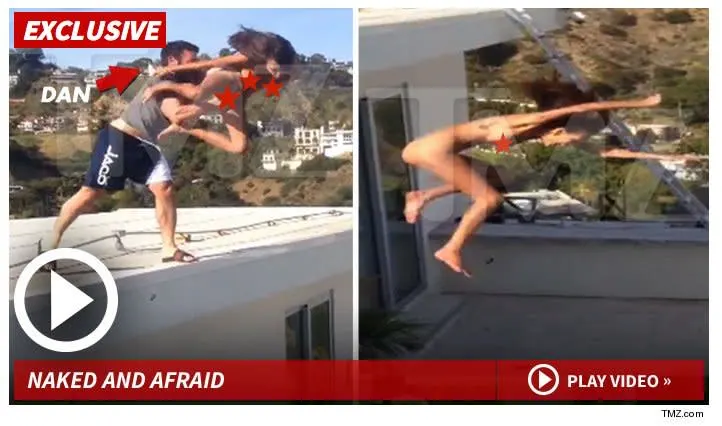
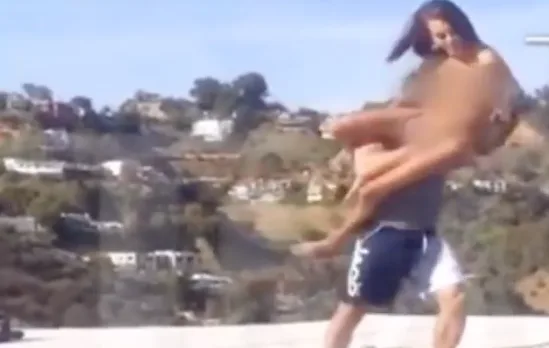
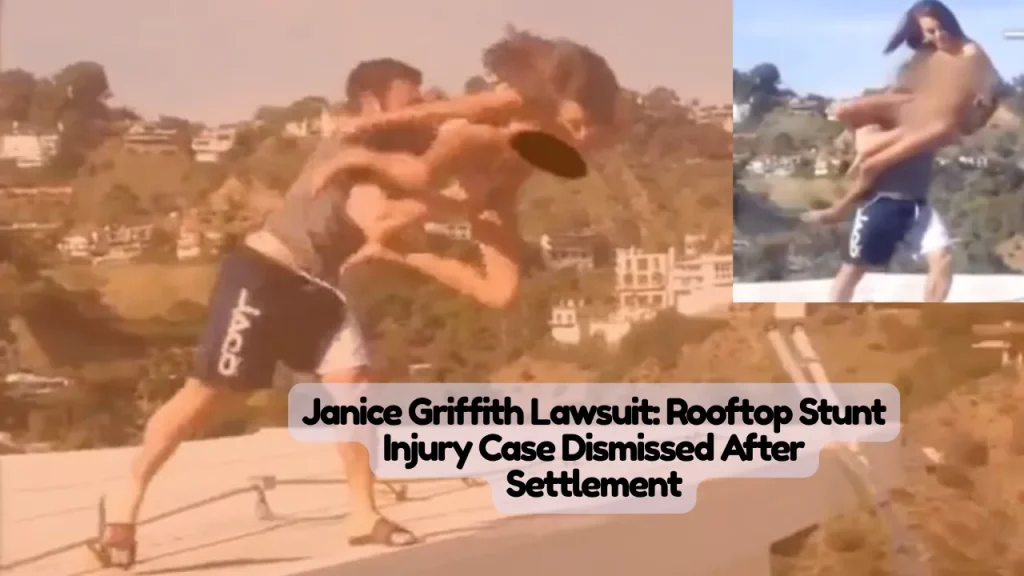
During the stunt, Bilzerian threw Griffith, who was naked, off the roof toward a pool below. She grabbed his shirt mid-throw, shortening her trajectory and causing her to strike the pool edge, breaking her foot. Griffith was 18 years old at the time of the incident.
Video footage of the failed stunt went viral immediately, generating widespread media attention and public debate about liability, consent, and safety in influencer content creation.
What Legal Claims Were Filed?
Griffith’s December 16, 2014 complaint alleged:
Negligence: Bilzerian and Hustler failed to provide a safe environment for the stunt and breached their duty of care to protect her from foreseeable harm.
Unsafe Working Conditions: Defendants did not implement adequate safety precautions despite the inherently dangerous nature of throwing a person from a roof.
Breach of Duty of Care: Producers and participants owed Griffith professional responsibility to ensure reasonable safety measures were in place.
Griffith sought approximately $85,000 in damages covering medical expenses, lost wages, and compensation for physical injury.
Related article: Rusty Moore DWI Lawsuit Update, Minnesota Trucker Loses Appeal After 0.00 BAC Arrest
Defense Arguments: Assumption of Risk
Bilzerian’s attorney, Tom Goldstein of Goldstein & Russell, responded with a pre-litigation cease-and-desist letter arguing that video evidence showed Griffith and Bilzerian practicing the stunt under Hustler’s direction, and that Griffith “expressly agreed to go ahead” with the throw, assuming the risk in “legal lingo.”
Defense arguments centered on three legal theories:
Voluntary Participation: Griffith was a willing, informed participant who understood the stunt’s risks before agreeing.
Assumption of Risk: Goldstein argued there was no established “standard of reasonable care for one who throws a porn actor off a roof into a pool during a photo shoot for an adult magazine,” suggesting the activity’s inherent danger was obvious.
Contributory Negligence: Defense claimed Griffith caused the injury herself by grabbing Bilzerian’s shirt during the throw, altering her intended trajectory.
Hustler’s attorneys additionally argued the production team did not directly supervise the stunt and sought to limit corporate liability.
Cross-Complaint and Indemnity Claims
Court records from Los Angeles County Superior Courts show Dan Bilzerian filed a cross-complaint on February 3, 2015 against LFP Publishing Group (Hustler’s parent company) seeking complete indemnity. This legal maneuver attempted to shift financial responsibility to Hustler if Griffith prevailed, arguing the magazine organized the photo shoot and hired both participants.
LFP Publishing Group filed a partial answer to the original complaint on January 16, 2015, and responded to Bilzerian’s cross-complaint on March 9, 2015.
Case Progression and Settlement
December 16, 2014: Griffith filed negligence complaint in Los Angeles County Superior Court (Case overseers: Judges Michael J. Raphael and Gail Feuer).
February 3, 2015: Bilzerian filed demurrer challenging legal sufficiency of Griffith’s complaint and cross-complaint for indemnity against Hustler.
March 27, 2015: Out-of-state attorney Kimberly P. Stein filed pro hac vice application to appear for one of the defendants.
2015-2016: Court docket entries show notices of continuance “FOR OSC RE: SETTLEMENT/DISMISSAL” indicating ongoing settlement negotiations.
April 4, 2016: Case status changed to “Closed Dismissed” according to Los Angeles County Superior Courts records, with the last update on April 4, 2016.
What Was the Settlement Amount?
Court records do not disclose the final ruling or settlement terms. Most reports indicate the case was settled out of court, a common outcome in high-profile injury cases to avoid prolonged media exposure. Settlement agreements in personal injury cases typically include confidentiality clauses prohibiting parties from disclosing financial terms.
Neither Griffith, Bilzerian, nor Hustler publicly confirmed settlement details. The case dismissal without published court opinion suggests the parties reached a private resolution before trial.
Applicable Legal Framework
Negligence Standard in California: Plaintiffs must prove: (1) defendant owed a duty of care, (2) defendant breached that duty, (3) breach caused plaintiff’s injury, and (4) plaintiff suffered damages.
Assumption of Risk Defense (California Civil Code): When a participant voluntarily engages in a risky activity with full knowledge of potential dangers, courts may find they are not entitled to recover for resulting injuries. However, this defense fails if defendants acted with gross negligence or created dangers beyond what was reasonably expected.
Duty of Care in Entertainment Production: Producers, brands, and performers have professional obligations to maintain reasonably safe working conditions. This includes:
- Providing safety equipment
- Hiring trained personnel for dangerous stunts
- Conducting rehearsals and safety briefings
- Obtaining informed consent with clear risk disclosure
Premises Liability: Property owners hosting commercial activities owe invitees a duty to maintain safe premises and warn of known hazards.
Evidence Presented
Video Footage: The viral video showing Bilzerian throwing Griffith off the roof became central evidence. Plaintiff’s side used it to prove unsafe setup while defense used it to show voluntary participation.
Pre-Stunt Rehearsal: Defense claimed video showed practice attempts demonstrating Griffith’s awareness of the activity.
Medical Records: Griffith presented documentation of her broken foot requiring medical treatment.
Attorney Communications: Goldstein’s pre-litigation letter became public, revealing defense strategy and assumption of risk arguments.
Photo Shoot Context: Evidence established this was a commercial Hustler Magazine promotion, not a private social gathering.
What This Means for Influencer Content Creation
The Griffith case established important precedents for digital content liability:
Written Consent Is Not Absolute Protection: Even when participants agree to stunts, producers can still face liability if safety measures are inadequate or risks are misrepresented.
Viral Content Carries Legal Risks: Social media amplification doesn’t shield creators from negligence claims when content production injures participants.
Duty of Care Applies to Influencer Stunts: Commercial content creators and brand sponsors have professional obligations to implement safety protocols, regardless of informal production settings.
Settlement Over Trial Preference: High-profile entertainment injury cases typically settle confidentially to avoid extended media scrutiny and unpredictable jury verdicts.
How This Compares to Similar Cases
Jackass Stunt Injuries: MTV’s Jackass productions faced multiple injury lawsuits from cast members and participants. These cases established that entertainment companies cannot rely solely on waivers when stunts result in serious injuries.
YouTube Creator Liability (2018-2024): Content creators have faced lawsuits after pranks and stunts injured participants, with courts generally finding that viral video production doesn’t exempt creators from negligence standards.
Reality TV Participant Injuries: Production companies have been held liable for injuries sustained during physically demanding challenges when adequate safety measures weren’t implemented.
Griffith’s case differs because it involved an independent social media personality (Bilzerian) rather than a traditional production company, raising questions about duty of care in informal influencer collaborations.
The Snarky Legal Letter That Went Viral
Bilzerian’s attorney Tom Goldstein wrote a pre-litigation response letter that gained notoriety for its sarcastic tone, stating that Griffith’s claim wouldn’t “quite, fly” like she did, and predicting she would “obviously lose.”
The letter also stated the complaint would be “sanctionably frivolous” and suggested Griffith should “box up almost every last bit of her property (please exclude all videos and photographs, as well as the seemingly inevitable small yappy dog) and drop it off” for safekeeping after Bilzerian would sue her back.
This aggressive pre-litigation posturing contrasts with the case’s eventual settlement, suggesting the defense may have reassessed liability risks once formal litigation commenced.
Broader Implications for Content Creator Law
Informed Consent Requirements: Participants in dangerous stunts must receive clear disclosure of specific risks, not just general acknowledgment of potential harm.
Production Safety Standards: Courts expect commercial content producers to implement industry-standard safety measures even in informal social media productions.
Corporate Liability: Brand sponsors can face joint liability for injuries during promotional content, even when they don’t directly supervise stunts.
Age and Vulnerability Factors: Griffith was 18 at the time—barely an adult—raising questions about power dynamics and whether younger performers can truly provide informed consent in high-pressure entertainment environments.
Insurance and Risk Management: Professional content creators and influencers should maintain liability insurance and implement documented safety protocols for any physically risky content.
Current Status: Case Closed
The lawsuit is officially closed with dismissal status as of April 4, 2016 in Los Angeles County Superior Courts. No court opinions were published, indicating the parties settled before trial or summary judgment ruling.
Neither party has made public statements about the settlement since the case closed. Griffith continued her entertainment career, while Bilzerian maintained his social media presence, though he has faced other legal controversies including a separate lawsuit filed in December 2014 by a woman who claimed he kicked her at a Miami nightclub.
Frequently Asked Questions
What was the Janice Griffith lawsuit about?
Griffith sued Dan Bilzerian and Hustler Magazine for negligence after Bilzerian threw her off a roof during an April 23, 2014 photo shoot, causing her to miss the pool and break her foot.
How much money was involved in the lawsuit?
Griffith initially sought approximately $85,000 in damages. The final settlement amount remains confidential under the parties’ agreement.
Was Dan Bilzerian found guilty?
The case was civil, not criminal, so there was no guilty verdict. The case settled confidentially and was dismissed in 2016 without a court ruling on liability.
What happened to the video of the incident?
The video went viral and remains publicly available online. Both sides used the footage as evidence—Griffith’s attorneys to demonstrate unsafe conditions, and Bilzerian’s defense to show voluntary participation.
Did Hustler Magazine face any consequences?
Hustler was named as a defendant and participated in settlement negotiations. The company faced potential corporate liability as the entity that organized and sponsored the photo shoot. Settlement terms remain confidential.
What is assumption of risk?
Assumption of risk is a legal defense arguing that plaintiffs who voluntarily participate in dangerous activities cannot recover damages for resulting injuries. However, this defense fails if defendants acted with gross negligence or created unreasonable dangers.
Can influencers be sued for dangerous stunts?
Yes. Content creators owe participants a duty of care to implement reasonable safety measures. Viral video production and informal settings don’t exempt creators from negligence liability when stunts cause injuries.
What should content creators learn from this case?
Always implement documented safety protocols for dangerous content, obtain written informed consent with specific risk disclosure, maintain liability insurance, avoid relying solely on assumption of risk waivers, and consider whether participants—especially young or inexperienced individuals—can truly provide informed consent.
Legal Lessons for the Creator Economy
The Griffith lawsuit highlights critical liability issues in the digital content creation industry:
Professional Standards Apply: Courts treat commercial content creation with the same duty of care standards as traditional entertainment production, regardless of informal settings or social media platforms.
Consent Requires Specificity: General agreements to participate in stunts don’t shield creators from liability. Informed consent requires clear communication of specific risks and safety measures.
Viral Success Doesn’t Equal Legal Immunity: Content that generates millions of views and significant engagement still subjects creators to personal injury liability when participants are harmed.
Brand Partnerships Create Shared Liability: Companies sponsoring influencer content face potential joint liability for injuries, making risk assessment and safety requirements essential in partnership agreements.
Youth and Experience Matter: Courts consider participants’ age, experience, and sophistication when evaluating whether consent was truly informed and voluntary.
The case serves as a cautionary tale for the creator economy: pursuing viral moments and dramatic content carries real legal and financial risks when safety is compromised. Content creators, influencers, and brand partners must balance creative ambitions with professional safety standards and legal duty of care obligations.
Case: Griffith v. LFP Internet Group LLC, et al., Los Angeles County Superior Court (Filed December 16, 2014; Dismissed April 4, 2016) | Sources: Los Angeles County Superior Courts, Courthouse News Service, ABA Journal, TMZ
About the Author

Sarah Klein, JD, is a licensed attorney and legal content strategist with over 12 years of experience across civil, criminal, family, and regulatory law. At All About Lawyer, she covers a wide range of legal topics — from high-profile lawsuits and courtroom stories to state traffic laws and everyday legal questions — all with a focus on accuracy, clarity, and public understanding.
Her writing blends real legal insight with plain-English explanations, helping readers stay informed and legally aware.
Read more about Sarah