
Huggies Class Action, Parents Say “Hypoallergenic” Diapers Caused Skin Reactions
A proposed class action lawsuit filed in late 2025 alleges Kimberly-Clark Corporation, maker of Huggies diapers, falsely marketed certain products as “hypoallergenic.” Plaintiffs claim a formula change caused skin reactions in infants. The case is ongoing with no settlement.
Quick Facts Table
| Field | Detail |
| Case Name | Burns v. Kimberly-Clark Corporation |
| Court | U.S. District Court for the Northern District of New York |
| Date Filed | November 25, 2025 |
| Defendant | Kimberly-Clark Corporation |
| Lead Plaintiff | Burns (first name TBD) |
| Alleged Violation | False advertising; deceptive business practices |
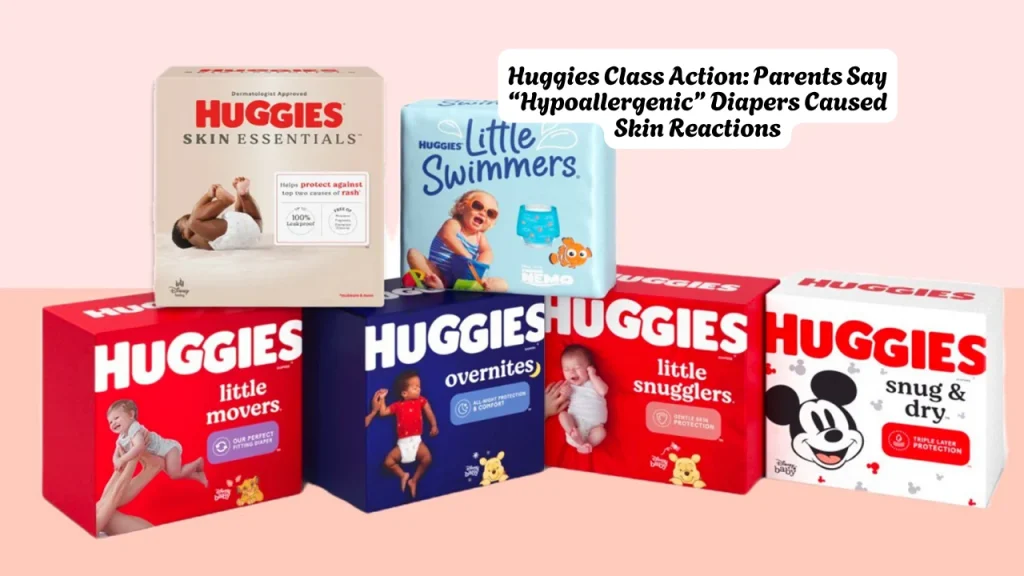
| Products / Services Affected | Huggies “Little Movers” hypoallergenic diapers |
| Geographic Scope | Nationwide with New York subclass |
| Settlement | None — litigation phase only |
| Claim Form Available | No |
| Plaintiffs’ Attorneys | TBD |
What Happened in the Huggies Diaper Lawsuit?
Huggies diapers are marketed as gentle, safe, and suitable for sensitive skin. Many products also carry “hypoallergenic” labeling, which signals reduced risk of irritation.
According to the complaint, Kimberly-Clark allegedly changed the formulation or materials used in certain diapers without clearly informing consumers.
The lawsuit claims parents began reporting skin irritation and adverse reactions in infants after using the updated products.
What Does the Huggies Hypoallergenic Diaper Lawsuit Allege?
The complaint alleges Kimberly-Clark falsely marketed its diapers as “hypoallergenic” despite reports of skin irritation. Plaintiffs claim this labeling misled consumers into believing the product would not cause reactions.
According to the complaint, the company allegedly made undisclosed changes to the diaper’s composition. These changes allegedly led to “scores” of reported skin reactions among infants.
The lawsuit claims parents relied on the hypoallergenic label when purchasing the diapers. Plaintiffs allege they would not have bought the product, or would have paid less, if they had known about the risks.
What Laws Were Allegedly Violated in the Huggies Lawsuit?
- False advertising laws (New York General Business Law §§ 349–350)
These laws prohibit misleading marketing that could deceive reasonable consumers. - Unfair and deceptive trade practices laws
These laws protect consumers from business conduct that causes financial harm. - Breach of implied warranty (Uniform Commercial Code)
This requires products to perform as expected based on how they are marketed.
Related article: Ford Recalls 1.74 Million Vehicles Over Rearview Camera Failure Risk
Who Is Affected by the Huggies Diaper Lawsuit?
You may be affected if…
- You purchased Huggies “Little Movers” diapers labeled as hypoallergenic
- You relied on claims that the diapers were safe for sensitive skin
- Your child experienced skin irritation, rash, or similar reactions
- You live in the United States
No action is required right now. Save any purchase records, receipts, or confirmation emails — these may matter if a settlement is reached.
What Is Kimberly-Clark Saying About the Lawsuit?
Kimberly-Clark Corporation has not issued a specific public statement responding to this lawsuit as of March 27, 2026.
In similar past situations, the company has stated its products are safe and meet quality standards, while investigating consumer complaints.
AllAboutLawyer.com will update this article if an official response becomes available.
What Happens Next in the Huggies Class Action?
- Kimberly-Clark may file a motion to dismiss the complaint
- Both sides may exchange evidence during discovery
- The court may decide whether to certify a class of consumers
- The parties may enter settlement negotiations
- If unresolved, the case may proceed to trial
This page will be updated as the case develops.
Important Case Dates
| Milestone | Date |
| Lawsuit Filed | November 25, 2025 |
| Defendant Answer Due | TBD |
| Discovery Period | TBD |
| Class Certification Hearing | TBD |
| Trial Date (if set) | TBD |
| Settlement (if reached) | TBD |
Frequently Asked Questions
Is the Huggies diaper lawsuit real or legitimate?
Yes. A class action lawsuit has been filed alleging misleading “hypoallergenic” claims. These are allegations only, and the court has not yet ruled on the case.
Can I file a claim against Huggies right now?
No. The case is still in early stages. No settlement exists, and no claim form is available.
Do I need a lawyer to join the Huggies class action?
No. If the court certifies the class, eligible consumers will automatically be included unless they opt out.
What happens if the Huggies lawsuit settles?
If a settlement occurs, consumers may receive compensation or refunds. The court must approve any settlement before payments are distributed.
Will I get notified if there is a settlement?
Yes. Notices are typically sent via email, mail, or public announcements if a settlement is approved.
Why are Huggies diapers being challenged in this lawsuit?
The complaint alleges the diapers were marketed as hypoallergenic despite causing skin reactions after a formulation change.
Should I stop using Huggies diapers?
The lawsuit does not require consumers to stop using the product. Parents may consult pediatricians if concerns about skin irritation arise.
Last Updated: March 27, 2026
Disclaimer: This article is for informational purposes only and does not constitute legal advice. Legal claims and outcomes depend on specific facts and applicable law. For advice regarding a particular situation, consult a qualified attorney.
About the Author

Sarah Klein, JD, is a licensed attorney and legal content strategist with over 12 years of experience across civil, criminal, family, and regulatory law. At All About Lawyer, she covers a wide range of legal topics — from high-profile lawsuits and courtroom stories to state traffic laws and everyday legal questions — all with a focus on accuracy, clarity, and public understanding.
Her writing blends real legal insight with plain-English explanations, helping readers stay informed and legally aware.
Read more about Sarah