
Honeypot Pads Lawsuit: Allegations Over “Plant-Derived” Claims Head to Federal Court
The Honey Pot Company faces a federal class action lawsuit alleging its feminine care products—including pads, liners, and washes—are falsely marketed as “plant-derived” when they contain synthetic ingredients. Filed November 12, 2024, in California’s Northern District Court, plaintiffs Sheri Tucker and Jana Rabinowitz claim the company’s labeling violates consumer protection laws by misleading buyers about product ingredients.
What Is the Honeypot Pads Lawsuit?
Tucker v. The Honey Pot Company, LLC (Case No. 4:2024cv07911) challenges the manufacturer’s “plant-derived” marketing across its entire feminine care product line. The complaint alleges products labeled as natural actually contain chemically processed synthetic ingredients, deceiving consumers who paid premium prices expecting genuinely plant-based products.
The case targets products including organic cotton pads, panty liners, feminine washes, wipes, and lubricants. Plaintiffs argue The Honey Pot Company’s packaging and marketing materials create a false impression that all ingredients derive from plants or naturally occurring minerals when many have undergone significant chemical modification.
Who Filed the Lawsuit and What Are They Seeking?
Lead plaintiff Sheri Tucker, an Alameda County, California resident, purchased multiple Honey Pot products—including organic pads and lubricant—relying on “plant-derived” claims on labels and packaging. Tucker states she wouldn’t have purchased the products, or would have paid less, had she known they contained synthetic ingredients.
Co-plaintiff Jana Rabinowitz joins Tucker in seeking to represent a nationwide class of consumers who purchased mislabeled Honey Pot products. Their attorneys from Crosner Legal, P.C., Craig W. Straub and Jennifer L. MacPherson, are pursuing:
– Injunction prohibiting continued misleading labeling
– Restitution and damages for financial losses
– Corrective advertising to inform consumers about true product composition
– Attorneys’ fees and costs
Related article: Balance of Nature Lawsuit December 2025 Update: Federal Class Action Dismissed, California Settlement Closed
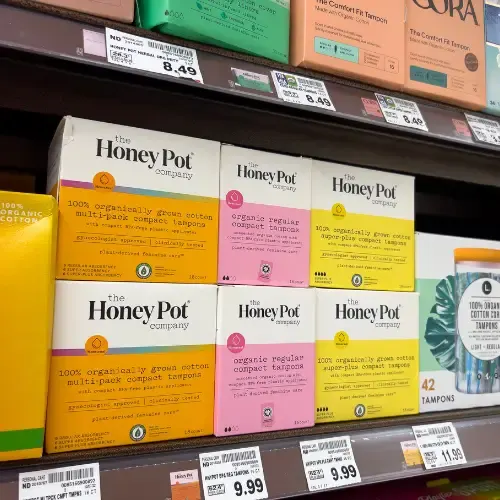
What Specific Product Claims Are Being Challenged?
The lawsuit attacks The Honey Pot Company’s core marketing message that products are “plant-derived.” Plaintiffs allege this term misleads consumers into believing all ingredients come from plants or naturally occurring minerals, when products actually contain:
– Entirely synthetic ingredients
– Plant-derived ingredients that underwent extensive chemical processing
– Modified substances no longer resembling original plant sources
The complaint emphasizes The Honey Pot Company’s website and blog reinforce these misleading impressions through marketing materials emphasizing natural, plant-based formulations. Consumers choosing these products for perceived health and environmental benefits allegedly paid price premiums based on false representations.
What Consumer Protection Laws Apply?
The California lawsuit invokes multiple consumer protection statutes:
California Consumer Protection Laws:
– Unfair Competition Law (Business and Professions Code § 17200)
– False Advertising Law (Business and Professions Code § 17500)
– Consumers Legal Remedies Act (Civil Code § 1750)
New York Consumer Protection Laws:
– New York General Business Law § 349 (deceptive acts and practices)
– New York General Business Law § 350 (false advertising)
Plaintiffs also assert common law claims including fraud, breach of express warranty, breach of implied warranty, and unjust enrichment. The case highlights ongoing debate about what constitutes “natural” or “plant-derived” in product marketing—areas lacking clear federal regulatory guidance.
What Is The Honey Pot Company’s Defense?
The Honey Pot Company is represented by Venable LLP attorneys including Antonia I. Stabile and Caitlin C. Blanche. While the company has not filed a formal response yet, the litigation comes after The Honey Pot Company successfully defended against a previous lawsuit.
In March 2024, McAuley v. The Honey Pot Company, LLC—filed in New York’s Southern District Court—alleged feminine care foaming washes were unsafe for vulvar use. Judge Analisa Torres dismissed that case on March 1, 2024, finding plaintiffs failed to demonstrate claims likely to deceive reasonable consumers or that products were harmful.
The 2024 dismissal may inform The Honey Pot Company’s defense strategy in the current plant-derived claims case, though the legal theories differ substantially.
Previous Litigation: The McAuley Safety Case
Nicole McAuley filed a class action on March 8, 2023, alleging The Honey Pot Company’s feminine care foaming washes violated consumer protection laws by marketing products as suitable for vulvar use when the medical community recommends only water for cleaning intimate areas.
McAuley’s complaint argued:
– Gynecologists advise against using any soap on the vulva
– Feminine washes can disrupt natural pH balance
– Products containing fragrance ingredients pose additional irritation risks
– The vagina and vulva are self-cleaning and don’t require soap
The court dismissed McAuley’s claims, ruling insufficient evidence supported allegations that reasonable consumers would be deceived or that products caused harm. This dismissal demonstrates courts scrutinize whether product claims genuinely mislead reasonable consumers under applicable standards.
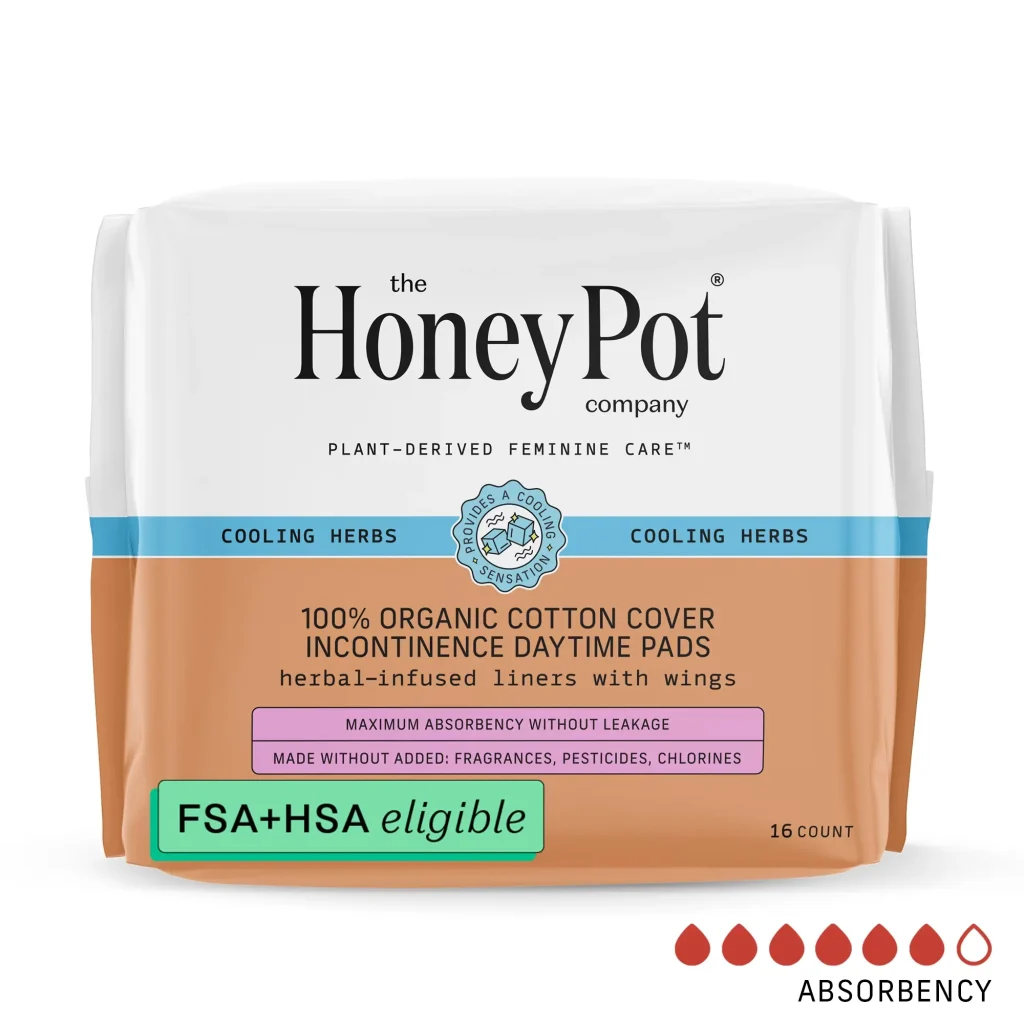
What Does This Case Reveal About Menstrual Product Safety Standards?
The Honey Pot lawsuits expose significant gaps in menstrual product regulation and marketing oversight:
Regulatory Framework:
Menstrual products including pads and liners are regulated by the FDA as medical devices. However, FDA oversight focuses primarily on safety rather than marketing claims about “natural” or “plant-derived” ingredients.
Marketing Claims Enforcement:
Federal Trade Commission (FTC) has authority over advertising claims but provides limited specific guidance on terms like “natural,” “plant-based,” or “plant-derived.” This regulatory gray area allows manufacturers broad latitude in marketing language while exposing them to consumer protection lawsuits when claims appear misleading.
Consumer Expectations:
Growing consumer demand for natural and organic products in the feminine care market creates incentives for manufacturers to emphasize plant-based ingredients. When products don’t match marketing representations, consumers may pursue legal remedies under state consumer protection statutes.
How Does This Compare to Other Feminine Hygiene Product Litigation?
The Honey Pot cases join broader litigation trends targeting feminine care product manufacturers:
PFAS Litigation:
In November 2024, Ecological Alliance sued Edgewell over Carefree panty liners allegedly containing PFOA (perfluorooctanoic acid)—a “forever chemical” linked to reproductive health issues. That California lawsuit invokes Proposition 65, requiring warnings about toxic chemicals. The EPA states no safe level of PFOA exposure exists.
Natural and Organic Claims:
Multiple feminine care brands face scrutiny over “natural,” “organic,” and “chemical-free” marketing claims. Courts increasingly evaluate whether reasonable consumers would be misled by these representations given actual product formulations.
Health and Safety Allegations:
While McAuley’s safety claims were dismissed, other litigation continues examining whether feminine care products pose health risks from ingredients like fragrances, preservatives, or chemical additives.
What Should Consumers Know?
Consumer Rights:
Under state consumer protection laws, consumers have the right to accurate product information. When manufacturers make specific claims about ingredients or product characteristics, those representations must be truthful and not misleading.
Product Selection:
Consumers concerned about synthetic ingredients should:
– Read ingredient lists carefully rather than relying solely on front-label marketing
– Research specific ingredients to understand their sources
– Contact manufacturers directly with questions about product composition
– Report concerns to state consumer protection agencies
Legal Options:
Consumers who purchased Honey Pot products labeled “plant-derived” may be eligible to join the Tucker class action. Those with questions should contact the plaintiffs’ attorneys at Crosner Legal, P.C.
Current Case Status and Timeline
Tucker v. The Honey Pot Company, LLC was filed November 12, 2024, in the U.S. District Court for the Northern District of California, Eastern Division. Judge Yvonne Gonzalez Rogers is assigned to the case.
As of December 2024, the case remains in early stages. Key upcoming milestones will include:
– The Honey Pot Company’s response to the complaint
– Class certification motions
– Discovery regarding product formulations and marketing materials
– Potential settlement discussions
The case docket was last updated January 6, 2025. Court filings and orders are available through PACER (Public Access to Court Electronic Records).
What Legal Precedents May Influence This Case?
Courts evaluating “natural” and “plant-derived” claims examine:
Reasonable Consumer Standard:
Whether representations would mislead reasonable consumers acting reasonably under the circumstances. This objective standard considers the overall impression created by packaging and marketing, not just literal accuracy of individual statements.
Materiality:
Whether alleged misrepresentations affected consumer purchasing decisions. Plaintiffs must show they relied on challenged claims and wouldn’t have purchased products (or would have paid less) absent the misrepresentations.
Plausibility:
Following the McAuley dismissal, plaintiffs must present plausible allegations that claims deceive reasonable consumers. Courts may dismiss complaints that rely on implausible theories of consumer deception.
Industry Implications and Future Developments
The Honey Pot litigation signals increased scrutiny of natural and plant-based marketing claims across the feminine care industry. Manufacturers should:
Review Marketing Claims:
Ensure all packaging, labeling, and promotional materials accurately reflect product formulations. “Plant-derived” claims should be substantiated with evidence that ingredients genuinely derive from plants without extensive synthetic modification.
Update Labeling:
Consider more precise language describing ingredient sources and processing. Terms like “contains plant-derived ingredients” or “made with natural and synthetic ingredients” may provide clearer disclosures.
Document Substantiation:
Maintain records supporting all marketing claims about ingredients, safety, and product characteristics. This documentation proves critical in defending consumer protection lawsuits.
Frequently Asked Questions
What products does the lawsuit cover?
The Tucker lawsuit targets The Honey Pot Company’s entire feminine care product line marketed as “plant-derived,” including organic cotton pads, panty liners, feminine washes, wipes, and lubricants.
Can I join the class action lawsuit?
Consumers who purchased Honey Pot products labeled “plant-derived” may be eligible for the nationwide class. Contact the plaintiffs’ attorneys at Crosner Legal, P.C., or monitor the case docket for class certification notices.
Is The Honey Pot Company admitting the allegations?
No. The company has not filed a formal response to the Tucker complaint as of December 2024. The Honey Pot Company successfully defended against the previous McAuley safety lawsuit, which was dismissed in March 2024.
Are Honey Pot products unsafe?
The current Tucker lawsuit challenges marketing claims about “plant-derived” ingredients, not product safety. The previous McAuley safety lawsuit was dismissed, with the court finding insufficient evidence that products were unsafe or harmful.
What does “plant-derived” mean legally?
No federal regulation defines “plant-derived” for cosmetic or personal care products. This legal gray area creates disputes when consumers interpret the term to mean all ingredients come from plants, while manufacturers may use it even when products contain synthetic or heavily processed ingredients.
What damages can plaintiffs recover?
Plaintiffs seek restitution of money paid for products, actual damages representing financial losses, injunctive relief stopping allegedly misleading practices, and corrective advertising. State consumer protection statutes also authorize attorney’s fees and costs.
How long will this lawsuit take?
Class action litigation typically spans 1-3 years or longer, depending on case complexity, discovery disputes, and whether parties reach settlement. Key milestones include class certification (often 6-12 months after filing), discovery (6-18 months), and potential trial or settlement.
What should I do if I purchased these products?
Save receipts and product packaging as potential evidence. Monitor the case for class certification notices, which will explain how to join the lawsuit or opt out. File complaints with state consumer protection agencies if you believe you were misled.
Has the FDA taken action?
The FDA regulates menstrual products as medical devices but hasn’t publicly announced enforcement action regarding The Honey Pot Company’s marketing claims. The FDA’s MAUDE database contains some adverse event reports for Honey Pot products, but these don’t constitute regulatory findings.
What makes this case different from the dismissed McAuley lawsuit?
McAuley challenged product safety claims and suitability for vulvar use. Tucker challenges false advertising regarding “plant-derived” ingredient claims. The legal theories and evidence requirements differ substantially, making the McAuley dismissal less predictive of Tucker’s.
Resources:
– PACER Court Records: www.pacer.gov
– FDA Device Adverse Event Reports: www.accessdata.fda.gov/scripts/cdrh/cfdocs/cfmaude/search.cfm
– FTC Consumer Protection: www.ftc.gov/consumer
– California Attorney General Consumer Protection: www.oag.ca.gov/consumers
This article is for informational purposes only and does not constitute legal advice. Readers should consult attorneys regarding specific legal questions about consumer rights or product liability claims.*
Last Updated: December 20, 2024
About the Author

Sarah Klein, JD, is a licensed attorney and legal content strategist with over 12 years of experience across civil, criminal, family, and regulatory law. At All About Lawyer, she covers a wide range of legal topics — from high-profile lawsuits and courtroom stories to state traffic laws and everyday legal questions — all with a focus on accuracy, clarity, and public understanding.
Her writing blends real legal insight with plain-English explanations, helping readers stay informed and legally aware.
Read more about Sarah