
HGTV’s No Demo Reno Lawsuit: Homeowners Allege $1.5M in Dangerous Renovation Defects
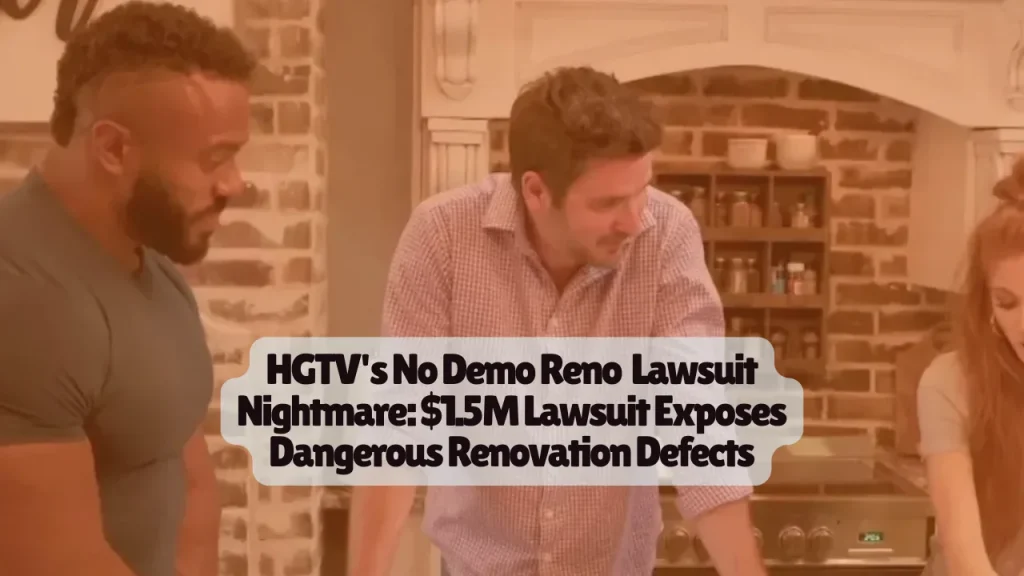
Texas homeowners Joe and Mandy Smith filed a $1.477 million lawsuit in 2022 against HGTV’s “No Demo Reno,” alleging over 90 defects including unsafe electrical wiring, improper gas line installation, and substandard workmanship. The couple claims their featured renovation created life-threatening hazards rather than the dream transformation promised. If you’ve received a renovation contract from any TV show or contractor, verify licensing, insurance, and demand detailed written specifications before signing—this case shows how glossy TV reveals can hide dangerous construction failures.
What the No Demo Reno Lawsuit Actually Involves
The Smiths’ complaint alleges RTR Media, HGTV’s production company, and contractors delivered renovations with structural defects, safety violations, and incomplete work. Their home required extensive repairs to fix hazardous conditions.
Key allegations include that only $58,000 of the couple’s $1.477 million budget was used for actual renovations, with the rest allegedly going to the production company. The Smiths also paid $11,000 in additional “change fees” for modifications they requested.
The core legal claims involve:
- Breach of contract for failing to deliver promised renovation quality
- Negligence in construction practices creating safety hazards
- Consumer fraud through misrepresentation of services
- Building code violations requiring costly corrections
- Financial mismanagement of renovation funds
As of January 2025, the lawsuit remains in the discovery phase with no major rulings. Legal experts speculate settlement is likely, but the couple maintains their position that they were misled from the start.
The Dangerous Defects That Triggered Legal Action
The Smiths identified more than 90 separate issues, with electrical and gas safety problems as the most critical concerns.
Electrical hazards included:
Improperly installed wiring that increased fire risk. Work done without proper permits. Code violations requiring complete rewiring in affected areas.
Gas line problems posed explosion risks:
Incorrectly installed gas lines for the stove created potential leak hazards. Experts described these installations as life-threatening.
Plumbing code violations:
The dishwasher was installed without a required air gap, creating contamination risk from dirty water backup. This health code violation alone required costly correction.
Construction quality failures:
Damaged floorboards throughout the home. Open holes in walls left unfinished. Low-grade materials substituted for those specified. Misaligned cabinetry and poor finishing work. Uneven flooring and cracked tiles.
These weren’t cosmetic issues—they represented fundamental failures in construction standards that threatened the family’s safety.
Related article: Nelnet Class Action Lawsuit Update Court Blocks DOE Delay in Sweet v. McMahon (Dec 2025)
What HGTV Says vs. What Homeowners Claim
HGTV clarified it does not directly oversee renovation work and that contractors work independently with homeowners. The network positioned itself as merely providing a platform while actual construction is managed between contractors and participants.
HGTV’s defense includes:
- Homeowners sign independent contracts with contractors, not HGTV
- The network doesn’t control technical construction aspects
- Confidentiality clauses limit participants’ ability to discuss negative experiences publicly
- The production company has completed 250+ renovations with few complaints
- Any issues may stem from changes homeowners requested during filming
The Smiths reject this defense, arguing they “trusted the show to deliver what was promised, only to end up with a home full of problems and additional expenses”.
The couple alleges the show is heavily scripted, with participants guided through predetermined scenarios that prioritize entertainment over quality construction.
What This Means for Your Renovation Rights
As a homeowner, you have specific legal protections:
Contractors must be properly licensed and insured in your state. All work must comply with local building codes and permit requirements. You can demand inspections at critical construction phases. Written contracts must detail scope, materials, timeline, and costs. You’re entitled to warranties on both labor and materials. Building departments can halt work that violates codes.
Reality TV adds complications:
Production schedules may rush construction timelines. Entertainment value can conflict with quality workmanship. Multiple parties (network, production company, contractors) create accountability gaps. Confidentiality agreements may limit your ability to seek help publicly.
If you’re considering a TV renovation:
Hire an independent attorney to review all contracts before signing. Maintain your own licensed inspector to verify work quality throughout. Document everything with photos and detailed notes. Never waive your right to sue or publicly discuss safety issues. Understand exactly who’s responsible for what—network, production company, or contractors.
Similar Cases That Set Legal Precedents
In 2019, Mindy and Paul King sued HGTV’s Property Brothers over code violations and faulty workmanship, initially seeking $1.477 million before the Nevada State Contractors Board reduced it to $94,672.
That case revealed similar patterns: tight production schedules compromising quality, confidentiality clauses preventing public complaints, and regulatory review uncovering serious deficiencies.
The Property Brothers lawsuit demonstrated that even major networks face liability when featured contractors deliver substandard work. The Nevada regulatory action established that state contractor boards can intervene in TV renovation disputes.
These precedents show homeowners can pursue multiple avenues: civil lawsuits against contractors and production companies, complaints to state contractor licensing boards, and building department code enforcement actions.
What Triggers Renovation Lawsuits Like This
Common dispute catalysts include:
Scope changes without proper documentation. Verbal agreements to modify plans create he-said-she-said disputes. Always demand written change orders with price adjustments.
Cost overruns beyond contracted amounts. Contractors must provide detailed justification for additional charges. Surprise bills often violate consumer protection laws.
Project delays that extend indefinitely. Contracts should specify completion dates and penalties for delays. Unreasonable delays may constitute breach of contract.
Substandard work quality. Work must meet industry standards and building codes. Poor craftsmanship that requires correction supports legal claims.
Permit and inspection failures. Contractors must obtain required permits and pass inspections. Unpermitted work creates liability and may void insurance coverage.
Safety code violations. Work that creates hazards violates both contract obligations and statutory duties. Building departments can require correction regardless of contract terms.
Your Legal Defenses as a Homeowner
If sued by a contractor or production company:
Payment disputes: Withholding payment for defective work is legally protected. Document all deficiencies before refusing payment.
Breach of contract: The other party breached first if they failed to meet specifications. Their breach excuses your performance obligations.
Code violations: Work that doesn’t meet codes isn’t acceptable performance. You’re entitled to correction at contractor expense.
Fraud or misrepresentation: Promises made to induce your participation that weren’t kept support fraud claims. This can void contracts and create damage liability.
Counterclaims: File your own claims for defective work, breach of contract, or fraud. Offensive legal strategy often produces better settlements.
What Your Contract Must Include to Protect You
Essential renovation contract provisions:
Detailed scope of work specifying every task, room, and deliverable. Complete materials list with brands, grades, and quantities specified. Payment schedule tied to completion milestones and inspection approvals. Timeline with start date, completion date, and interim deadlines. Change order process requiring written approval before modifications. Warranty terms covering labor and materials for minimum one year. Insurance requirements with certificate of coverage provided. Permit and inspection responsibilities clearly assigned. Cleanup and disposal obligations specified. Dispute resolution process including mediation before litigation. Right to terminate for cause with conditions specified. Attorney’s fees provision for prevailing party in disputes.
Red flags that should stop you from signing:
Contractor resists providing detailed written specifications. Vague language like “as needed” or “to be determined.” Unusual payment terms like large upfront deposits. Waiver of your right to inspect or approve work. Forced arbitration clauses limiting your legal options. Short warranty periods or exclusions for major components. Missing insurance or license information.
What Homeowners Insurance Actually Covers
Standard homeowners policies typically exclude:
Defective workmanship by contractors you hired. Construction defects in renovations. Gradual deterioration or wear and tear. Code upgrade costs to bring work to current standards. Losses from unpermitted work.
What may be covered:
Sudden property damage from contractor negligence (like fire from faulty wiring). Theft of materials or belongings during renovation. Liability if someone is injured during renovation. Additional living expenses if home becomes uninhabitable due to contractor error.
Better protection requires:
Builder’s risk insurance during major renovations. Contractor’s liability insurance naming you as additional insured. Requiring contractors to maintain comprehensive general liability coverage. Getting certificates of insurance before work begins. Understanding your policy exclusions and purchasing riders if needed.
When You Need an Attorney Immediately
Hire legal counsel if:
You receive a lawsuit or legal demand letter. Damages claimed exceed $10,000. Safety hazards threaten your family’s wellbeing. Contractor abandoned the project mid-construction. Building department issued stop-work orders or code violations. Your insurance denied coverage for claimed damages. Contractor threatens liens on your property. Contract disputes involve multiple parties (TV network, production company, contractors). You’re considering appearing on a renovation TV show. Criminal charges are filed (unlicensed contracting, fraud). You need to stop work before it causes further damage.
What attorneys provide:
Contract review before signing. Negotiation with contractors or production companies. Demand letters establishing legal positions. Representation in mediation or arbitration. Litigation if settlement fails. Mechanic’s lien defense or removal. Building code compliance guidance. Insurance claim assistance.
How to Avoid a No Demo Reno Nightmare
Before hiring any contractor:
Verify state licensing through your contractor licensing board. Check insurance coverage and get certificates naming you as additional insured. Search court records for lawsuits against the contractor. Check Better Business Bureau ratings and complaint history. Review at least three recent projects with references you contact. Confirm workers’ compensation coverage if required in your state.
During renovation:
Visit the site daily and document progress with photos. Require permits be posted and inspections scheduled. Don’t make final payment until work passes final inspection. Address concerns immediately in writing. Maintain a detailed project log with dates, costs, and decisions. Keep all receipts, contracts, and correspondence organized.
If problems emerge:
Document everything with photos, videos, and written descriptions. Stop work if safety hazards exist. Notify contractor in writing of specific deficiencies. Set reasonable deadline for corrections. Consult attorney before withholding payment. File complaints with contractor licensing board if needed. Contact building department about code violations.
Current Status and What’s Next
The case remains in discovery as of January 2025, with speculation that settlement may be the outcome though no formal announcements have been made.
The lawsuit’s resolution could establish precedents affecting how renovation TV shows operate. If the court sides with homeowners, networks may face pressure to implement stricter quality controls, provide independent oversight of contractor work, or assume greater liability for featured renovations.
For the broader home improvement industry, the case highlights ongoing tensions between entertainment value and construction quality. Reality TV renovations operate under compressed timelines that may not allow for proper workmanship, creating systemic risks for participants.
FAQ: No Demo Reno Lawsuit
What is the No Demo Reno lawsuit about?
Texas couple Joe and Mandy Smith sued HGTV’s show, its production company, and contractors in 2022 over renovation work featuring more than 90 defects including unsafe electrical and gas installations. They’re seeking $1.477 million for repairs and damages.
Who is being sued in the No Demo Reno case?
The defendants include HGTV, the production company RTR Media, and the contractors who performed the actual renovation work. The homeowners argue all parties share responsibility for the defective work.
Is HGTV directly responsible for renovation problems?
HGTV claims it’s not directly responsible, stating homeowners contract independently with renovation teams. The network positions itself as providing a platform while construction is managed between contractors and participants. Courts will ultimately decide liability allocation.
What were the most serious problems in the Smith renovation?
The most critical issues included improperly installed electrical wiring creating fire risks, incorrectly installed gas lines posing explosion hazards, and a dishwasher installed without the required air gap violating health codes.
How much are the homeowners seeking in damages?
$1.477 million to cover repair costs, safety corrections, legal fees, and compensation for the stress and financial impact of living with dangerous construction defects.
Has the lawsuit been resolved?
No. As of January 2025, the case remains in the discovery phase with no settlement or trial verdict announced.
Can homeowners sue TV shows over bad renovations?
Yes. Homeowners can sue production companies, networks, and contractors for breach of contract, negligence, fraud, or code violations. TV involvement doesn’t eliminate standard contractor liability.
What should I do if my TV renovation goes wrong?
Document all defects immediately with photos and videos. Notify all parties in writing of specific problems. Stop work if safety hazards exist. Hire an independent inspector to assess deficiencies. Consult an attorney before withholding payment or signing any release. File complaints with your state contractor licensing board.
Are other homeowners suing No Demo Reno?
Reports mention another couple, Murphy and Timothy Sullivan from South Carolina, experienced similar issues, though specific lawsuit details aren’t publicly available.
What does this mean for future TV renovation shows?
The outcome could force networks to implement stricter quality controls, provide independent inspections, or assume greater liability for contractor work. It may also lead to more transparent participant agreements that don’t limit homeowners’ ability to seek legal remedies.
Should I agree to a TV renovation for my home?
Proceed with extreme caution. Hire your own attorney to review all contracts. Maintain an independent inspector throughout the project. Never waive your right to sue or publicly discuss problems. Understand that TV production schedules may conflict with quality construction practices.
What protections do I have as a renovation client?
State contractor licensing laws, building codes, consumer protection statutes, contract law remedies, and the right to withhold payment for defective work all protect homeowners. You also have the right to demand corrections before final payment.
The bottom line: The No Demo Reno lawsuit exposes how TV renovation promises can mask serious construction failures. Whether you’re considering a TV makeover or hiring local contractors, protect yourself with detailed written contracts, independent inspections, and immediate documentation of any problems. Quality work takes time—if a timeline seems impossibly fast, it probably is.
About the Author

Sarah Klein, JD, is a licensed attorney and legal content strategist with over 12 years of experience across civil, criminal, family, and regulatory law. At All About Lawyer, she covers a wide range of legal topics — from high-profile lawsuits and courtroom stories to state traffic laws and everyday legal questions — all with a focus on accuracy, clarity, and public understanding.
Her writing blends real legal insight with plain-English explanations, helping readers stay informed and legally aware.
Read more about Sarah