
Former NBA Star Matt Barnes Plans $61K AI Extortion Lawsuit Against Tasha K After Deepfake Scandal Rocks His Personal Life
Former NBA champion Matt Barnes announced plans to file defamation lawsuits against gossip blogger Tasha K (Latasha Kebe) and an unidentified woman who allegedly extorted him for $61,000 using AI-generated deepfake content. Barnes claims the woman used artificial intelligence to create fake audio, videos, and text messages depicting him as unfaithful to his fiancée Anansa Sims, then threatened to release the fabricated content unless he paid.
After making payments for over a year, Barnes went public in November 2024 with receipts and evidence, announcing his intent to pursue legal action. As of December 2024, no lawsuit has been officially filed in court.
What Is the Matt Barnes Lawsuit About?
Barnes has NOT yet filed a lawsuit but publicly announced his intention to sue two parties:
The unidentified woman (referred to as “Zoe” or “Jesse” in payment records) who allegedly used AI technology to create deepfake content and extorted Barnes for $61,000 between July 2023 and September 2024.
Gossip blogger Tasha K (Latasha Kebe), who Barnes accuses of spreading the false AI-generated content on her YouTube channels and social media platforms without fact-checking the source material.
Barnes made his announcement via Instagram in November 2024, posting evidence including payment receipts, text message screenshots, and a detailed video explanation. He stated he is “in the process of being sued” but more accurately meant he plans to sue the parties involved.
Who Is Matt Barnes?
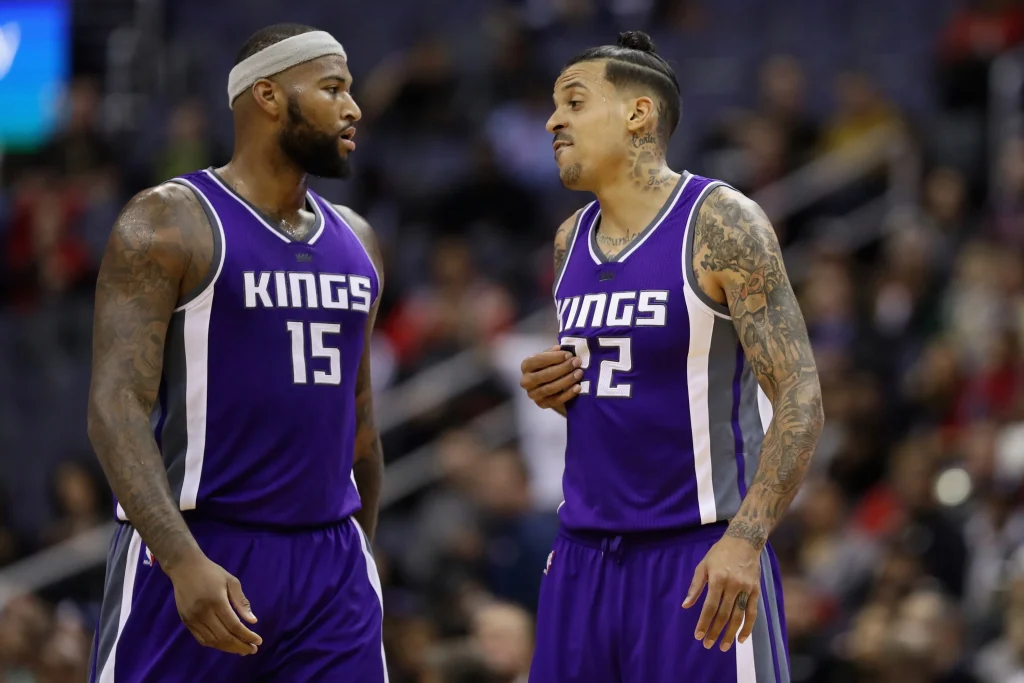
Matt Barnes is a former NBA player who won an NBA championship with the Golden State Warriors in 2017. He played 14 seasons in the NBA and now co-hosts the popular basketball podcast “All The Smoke” with Stephen Jackson. Barnes was engaged to Anansa Sims, and the couple starred in the reality show “The Barnes Bunch” on WEtv.
Who Are the Defendants Barnes Plans to Sue?
The Unidentified Woman (Alleged Extortionist)
Payment records show Barnes sent money to someone named “Zoe.” Barnes refers to her as “Jesse” or “Jess” in public statements. The woman allegedly used AI to manipulate Barnes’s voice messages and create fake content. She reportedly threatened to expose Barnes with fabricated evidence of infidelity.
Tasha K (Latasha Kebe)
Real name: Latasha Kebe Known for her YouTube channel “unWineWithTashaK” with over 1 million subscribers Previously lost a $4 million defamation lawsuit to rapper Cardi B in 2022 Currently paying Cardi B $1.2 million over five years under a bankruptcy settlement approved in February 2025 Barnes accuses her of publishing AI-generated content about him without verifying its authenticity
What Are the Specific Allegations?
The AI Extortion Scheme
In July 2023, Barnes and Anansa Sims temporarily split for approximately one month. During this breakup, Barnes communicated with a woman via Instagram direct messages, though he claims they never met in person and the interaction never became physical.
When Barnes and Sims reconciled, the woman began threatening him from different phone numbers, claiming she would “expose” him with audio recordings, videos, and text messages unless he paid to keep the content private.
According to Barnes, the woman used AI technology to manipulate his voice messages, creating deepfake audio that made it appear he said things he never actually said. The fabricated content allegedly depicted Barnes as unfaithful to Sims.
Because Sims was pregnant at the time (announced during their reality show), Barnes paid the woman monthly amounts totaling $61,200 between July 2023 and September 2024 to prevent additional stress on his fiancée.
Barnes provided payment receipts showing he sent money on the 5th or 6th of each month for over a year.
Tasha K’s Alleged Role
After Barnes stopped making payments in January 2025, the woman allegedly sent the fabricated AI-generated content to Tasha K.
Tasha K then published content about Barnes on her platforms, including allegations about his sexuality, claims he tried to convince someone to get an abortion, and other false narratives.
Barnes claims Tasha K did not fact-check the source material and continued to spread false information despite it being AI-generated deepfakes.
The public release of this content contributed to Barnes’s breakup with Anansa Sims in January 2025.
What Legal Claims Could Barnes File?
While no lawsuit has been filed yet, based on similar cases and Barnes’s allegations, he could potentially pursue these civil claims:
Against the Unidentified Woman:
Extortion/Criminal Coercion: Demanding money under threat of exposing fabricated content could constitute criminal extortion. Civil claims for damages could follow criminal charges.
Fraud and Misrepresentation: Creating fake AI content and using it to obtain money under false pretenses constitutes fraud.
Intentional Infliction of Emotional Distress (IIED): The extreme and outrageous conduct of creating deepfakes and threatening Barnes could support an IIED claim.
Defamation: If the AI-generated content depicted Barnes falsely and damaged his reputation, defamation claims may apply.
Right of Publicity Violation: Unauthorized use of Barnes’s voice and likeness through AI manipulation could violate his right to control his own identity.
Against Tasha K:
Defamation/Libel: Publishing false statements that damage Barnes’s reputation. Barnes would need to prove Tasha K published false statements, knew or should have known they were false, and the statements caused reputational harm.
Negligence: Publishing content without fact-checking the source or verifying authenticity before dissemination.
Intentional Infliction of Emotional Distress: Publishing content knowing it would cause severe emotional distress.
Invasion of Privacy: Publishing private matters (even if fabricated) that are not of legitimate public concern.
What Is Matt Barnes’s Response?
On November 12, 2024, Barnes posted a detailed Instagram statement with evidence including:
Payment receipts showing $61,200 in transfers to the woman over 14 months Text message screenshots showing threatening communications A video explanation of the entire timeline Voice message context and explanations
Barnes’s Key Statements:
“By no means am I sharing this story for empathy or sympathy. I’m sharing this story because a lie can travel around the world before the truth wakes up.”
“For the last six to eight months there’s been a lot of bullshit particularly posted by Tasha K and some new chick who just got into it, Jess something… and it’s 1000% all bullshit.”
“This isn’t just gossip—this is someone weaponizing technology to destroy people’s lives.”
Barnes stated he showed all evidence to Anansa Sims but the damage to their relationship had already been done.
What Are the Legal Implications?
Unprecedented AI Deepfake Extortion Case
This would be one of the first high-profile civil lawsuits specifically addressing AI-generated deepfake content used for extortion purposes. The case could establish important legal precedents for how courts handle deepfake evidence and liability.
Challenges Barnes May Face:
Identifying the Anonymous Defendant: The unidentified woman may be difficult to locate and serve with legal papers. Barnes would need subpoenas to obtain information from payment processors and social media platforms.
Proving the Content Is AI-Generated: Forensic experts would need to analyze the audio and video to demonstrate it was created using artificial intelligence rather than authentic recordings.
Quantifying Damages: Beyond the $61,000 paid, Barnes must prove additional damages including loss of his relationship, reputational harm, emotional distress, and potential career impacts.
Jurisdictional Issues: If the extortionist operates from outside California or even outside the United States, enforcement of any judgment could be extremely difficult.
First Amendment Defenses: Tasha K may claim First Amendment protections for reporting on matters of public interest, though courts typically don’t protect knowingly false statements.
What About Tasha K’s History With Defamation Lawsuits?
Tasha K has significant experience defending defamation claims. In 2019, rapper Cardi B sued Tasha K for defamation, invasion of privacy, and intentional infliction of emotional distress. In January 2022, a jury awarded Cardi B over $4 million after finding Tasha K made false statements including claims Cardi B had herpes, used cocaine, and worked as a prostitute.
Tasha K filed for Chapter 11 bankruptcy in 2023, claiming less than $60,000 in assets. In February 2025, a judge approved a bankruptcy reorganization plan requiring Tasha K to pay Cardi B $1.2 million over five years. The settlement prohibits Tasha K from making any “derogatory, disparaging, or defamatory” statements about Cardi B.
This history is significant for Barnes because:
Tasha K has demonstrated a pattern of publishing false content without adequate fact-checking She has limited financial resources due to bankruptcy proceedings Cardi B’s successful lawsuit provides a roadmap for pursuing similar defamation claims Courts have already found Tasha K liable for publishing false information causing emotional distress
Timeline of the Matt Barnes AI Extortion Situation
July 2023: Barnes and Anansa Sims split for approximately one month. Barnes communicates with a woman via Instagram DMs.
July 2023 – September 2024: Barnes makes monthly payments totaling $61,200 to the woman to prevent release of alleged compromising content.
2024 (during filming): Barnes and Sims announce pregnancy on their reality show “The Barnes Bunch.”
September 2024: Barnes makes his final payment to the woman.
January 2025: Barnes stops payments. The woman begins sending threatening messages demanding more money. She allegedly sends fabricated AI content to Tasha K.
January 2025: Tasha K begins publishing content about Barnes based on the fabricated material. Barnes and Sims break up. Sims publicly accuses Barnes of cheating with eight women in January alone.
November 12, 2024: Barnes posts his Instagram statement with receipts and evidence, announcing his intention to sue both the woman and Tasha K.
November-December 2024: Story goes viral. Gilbert Arenas discusses the situation on his podcast, expressing disbelief.
December 2024: As of early December, no lawsuit has been officially filed in court.
What Does This Mean for AI Deepfake Law?
Barnes’s planned lawsuit highlights the urgent need for stronger legal frameworks to address AI-generated content used for harassment, extortion, and defamation. While several states have begun enacting deepfake-specific laws, enforcement remains challenging.
Current Legal Landscape:
Many states lack specific statutes criminalizing deepfake creation or distribution Traditional defamation and fraud laws often fail to address AI-generated content adequately Victims face significant challenges identifying anonymous creators operating through international servers Technology advances faster than legal protections can be implemented
What This Case Could Establish:
Precedent for holding both deepfake creators AND those who spread deepfake content liable Standards for proving content is AI-generated rather than authentic Framework for calculating damages in AI extortion cases Incentive for platforms and bloggers to verify content authenticity before publication
What Happens Next?
For Barnes to successfully sue, he must:
Officially file complaints in court (has not happened as of December 2024) Identify and locate the woman who allegedly extorted him Serve legal papers on both defendants Prove the content was AI-generated using forensic experts Demonstrate the false content caused measurable damages Navigate jurisdictional challenges if defendants are located outside California
Potential Outcomes:
If Barnes successfully sues and wins, he could recover the $61,000 paid plus additional damages for emotional distress, reputational harm, and punitive damages.
Tasha K’s bankruptcy status may limit her ability to pay any judgment, similar to her situation with Cardi B.
The unidentified woman may be judgment-proof if she lacks assets, making any financial recovery difficult even with a favorable verdict.
Criminal charges could be filed separately by prosecutors if evidence of extortion and fraud is sufficient.
Frequently Asked Questions
Has Matt Barnes actually filed a lawsuit yet?
No. As of December 2024, Barnes has only announced his intention to sue Tasha K and the woman who allegedly extorted him. No lawsuit has been officially filed in any court. Barnes made his announcement via social media with supporting evidence, but formal legal action has not yet been taken.
How much money did Matt Barnes pay the alleged extortionist?
Barnes paid $61,200 over approximately 14 months, from July 2023 to September 2024. He provided payment receipts showing monthly transfers of around $5,000 on the 5th or 6th of each month to someone named “Zoe.”
What is AI deepfake technology and how was it allegedly used?
Deepfake technology uses artificial intelligence and machine learning to create fake videos, audio recordings, or images that appear authentic. Barnes alleges the woman used AI to manipulate his voice messages, making it sound like he said things he never actually said. The fabricated content allegedly depicted Barnes as unfaithful to his fiancée when no such infidelity occurred.
Who is Tasha K and why is she being sued?
Tasha K (real name Latasha Kebe) is a YouTuber and gossip blogger with over 1 million subscribers to her channel “unWineWithTashaK.” Barnes accuses her of publishing the AI-generated content about him without fact-checking the source material. Tasha K previously lost a $4 million defamation lawsuit to Cardi B in 2022 and is currently paying Cardi B $1.2 million over five years under a bankruptcy settlement.
Can you really sue someone for spreading AI-generated fake content?
Yes. Victims of deepfake content can pursue several legal claims including defamation, fraud, invasion of privacy, intentional infliction of emotional distress, and violations of right of publicity laws. The challenge is proving the content was AI-generated, identifying anonymous creators, and demonstrating measurable damages. Laws are still evolving to address AI-generated content specifically.
What happened to Matt Barnes and Anansa Sims?
Barnes and Sims broke up in January 2025 after the AI-generated content was published by Tasha K. Sims publicly accused Barnes of cheating with eight women in January 2025. Barnes claims the entire situation was fabricated using AI technology, but the damage to their relationship was already done. The couple had been engaged since 2022 and were expecting a child together.
Could there be criminal charges in addition to civil lawsuits?
Yes. Extortion (demanding money through threats), fraud (obtaining money through false pretenses), and identity theft could potentially result in criminal charges if prosecutors decide to pursue the case. Civil lawsuits and criminal prosecutions can proceed independently—Barnes could file civil lawsuits for damages while law enforcement investigates potential crimes.
Disclaimer: This article is for informational purposes only and does not constitute legal advice. The information is based on publicly available reports as of December 2024. No lawsuit has been officially filed as of publication. If you believe you have been the victim of AI-generated deepfake content, extortion, or defamation, consult with an attorney experienced in digital media law, cybercrime, and defamation.
Sources: Information compiled from verified news reports from Complex, The Shadow League, Sportskeeda, Total Pro Sports, Basketball Network, and other reputable publications covering the Matt Barnes AI extortion situation in November-December 2024. Details about Tasha K’s legal history sourced from Rolling Stone, CNN, Billboard, and court documents related to Cardi B v. Kebe.
About the Author

Sarah Klein, JD, is a licensed attorney and legal content strategist with over 12 years of experience across civil, criminal, family, and regulatory law. At All About Lawyer, she covers a wide range of legal topics — from high-profile lawsuits and courtroom stories to state traffic laws and everyday legal questions — all with a focus on accuracy, clarity, and public understanding.
Her writing blends real legal insight with plain-English explanations, helping readers stay informed and legally aware.
Read more about Sarah