
Former FDA Commissioner Testifies Talcum Powder lawsuit Johnson & Johnson Hid Talc Risks for 50+ Years – $1 Billion in 2025 Verdicts
BREAKING (November 2025): Former FDA Commissioner Dr. David Kessler testified in a Los Angeles trial that Johnson & Johnson concealed health risks associated with its talc products for over 50 years. Kessler, who served as FDA Commissioner under Presidents George H.W. Bush and Bill Clinton, was the plaintiffs’ first witness in a bellwether trial that began with opening statements on November 14, 2025. The case involves two women who claim J&J’s talcum powder caused their ovarian cancer.
J&J faces over 67,000 pending talcum powder lawsuits as of November 2025, with juries awarding over $1 billion in verdicts in 2025 alone. The company’s third bankruptcy attempt failed in March 2025, forcing cases back to trial. Court-ordered mediation began September 2025, but settlement negotiations remain unsuccessful. The first federal bellwether trial is scheduled for late 2025.
This guide covers the latest trial testimony, current case status, recent billion-dollar verdicts, what users affected by talc products need to know, eligibility for claims, and what happens next.
What Is the Talcum Powder Lawsuit?
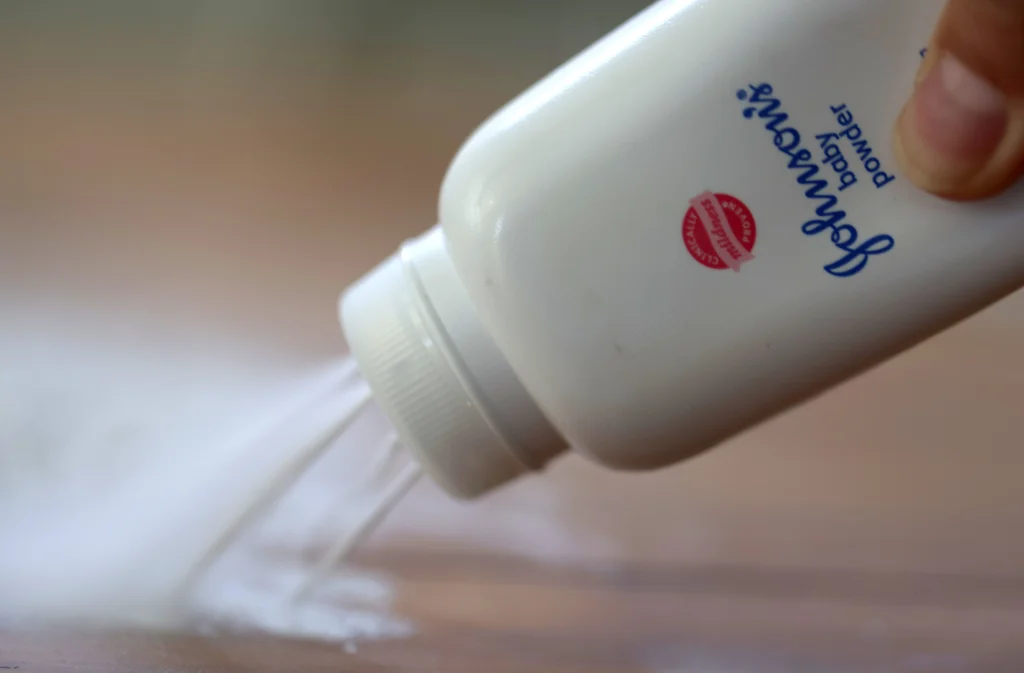
Over 67,000 lawsuits allege Johnson & Johnson’s talc-based Baby Powder and Shower to Shower products contained asbestos and caused ovarian cancer and mesothelioma in users who applied the powder to their genital areas or inhaled talc fibers over decades.
The Core Allegations:
- J&J’s talc products were contaminated with asbestos, a known carcinogen
- The company knew about asbestos contamination for decades but hid the risks
- J&J marketed products as “pure” and safe despite internal knowledge of dangers
- Users who applied talc to genital areas developed ovarian cancer
- Users who inhaled talc fibers developed mesothelioma
- The company failed to warn consumers about cancer risks
- J&J targeted vulnerable populations including mothers, pregnant women, and children
Latest Trial Testimony: Former FDA Commissioner Says J&J Hid Risks for 50+ Years
Dr. David Kessler took the witness stand as the plaintiffs’ first witness after opening statements concluded on November 14, 2025, in Los Angeles Superior Court.
Who Is Dr. David Kessler?
- Pediatrician and former FDA Commissioner (1990-1997)
- Served under Presidents George H.W. Bush and Bill Clinton
- Chief Science Officer of the White House COVID-19 Response Team (January 2021 – May 2023)
- Led FDA efforts on tobacco regulation, food safety, and drug approval processes
What Dr. Kessler Testified:
Dr. Kessler accused Johnson & Johnson of concealing the health risks associated with its talc products for over 50 years. His testimony suggests J&J had knowledge of potential dangers dating back to the 1970s but failed to warn consumers or change products.
The Current Trial:
Plaintiffs: Monica Kent and Deborah Schultz (husband representing deceased wife)
Claims: Both women developed ovarian cancer after using J&J’s talc products on their genitals for decades. Plaintiffs’ attorneys Andy Birchfield (Beasley Allen Law Firm) and Dan Robinson (Robinson Calcagnie Inc.) argued J&J:
- Marketed Baby Powder specifically to new mothers, suggesting it was safe even for infants
- Had internal knowledge about potential health risks but withheld them from the public
- Knew products contained asbestos but marketed them as “pure”
- Took advantage of consumers’ trust
J&J’s Defense:
Defense attorney Allison Brown (Kirkland & Ellis) argued:
- Studies linking talc to ovarian cancer are “junk science”
- Asbestos tests showing contamination are unreliable
- Both plaintiffs’ cancers could be attributed to other risk factors
- Ovarian cancer is extremely rare; it would be more common if talc actually caused it
- Talc miners don’t show higher cancer rates despite vastly higher exposure
Trial Significance:
This is the first California jury to hear ovarian cancer claims linked to talc since 2017. Previous California trials focused on mesothelioma cases involving inhalation of asbestos in talc products. The trial is being webcast gavel-to-gavel by Courtroom View Network.
Related Article: Admiral Reveals Boat in Double-Tap Strike Was Meeting Vessel Headed to Suriname—What Lawmakers Learned That Changes Everything
Current Status: 67,000+ Lawsuits, Bankruptcy Rejected, Mediation Ongoing
Federal Multidistrict Litigation (MDL-2738):
- Court: U.S. District Court for the District of New Jersey
- Judge: Judge Michael A. Shipp
- Pending cases: 67,229 as of November 2025
- Status: Court-ordered mediation ongoing; bellwether trials scheduled
Recent MDL Activity:
- Added 2,816 cases between July and August 2025 (one of largest monthly increases)
- Now includes over 90,000 total lawsuits when including state court cases
- First federal bellwether trial (Carter Judkins v. J&J) scheduled for late 2025
- Daubert hearings underway to determine admissibility of expert testimony
State Court Cases:
Thousands of additional talc lawsuits proceed in state courts across the country, with trials scheduled in California, Florida, Massachusetts, Connecticut, and other jurisdictions.
Bankruptcy Attempts Failed:
J&J attempted three times to use bankruptcy to resolve the litigation:
- October 2021: LTL Management LLC filed for bankruptcy in Texas (first “Texas Two-Step” attempt)
- April 2023: Second bankruptcy filing after first was rejected
- October 2024: Red River Talc LLC filed for bankruptcy with $8 billion settlement proposal
March 2025: U.S. Bankruptcy Judge Christopher Lopez rejected J&J’s third bankruptcy attempt, ruling it was filed in “bad faith” and J&J has no need for bankruptcy relief given its financial resources. J&J announced it would not appeal the decision.
Court-Ordered Mediation (September 2025):
Federal Judge Michael Shipp appointed mediator Fouad Kurdi to oversee settlement negotiations beginning September 4, 2025. The court ordered both parties to participate in good faith, though J&J signaled mediation may be premature.
A magistrate judge ordered that women plaintiffs be given opportunity to participate in any proposed settlement process, addressing concerns about inclusivity and fairness of previous settlement efforts.
As of December 2025, no settlement has been reached.
2025 Verdict Explosion: Over $1 Billion Awarded to Plaintiffs
Juries have awarded over $1 billion in talcum powder verdicts in 2025 alone, marking a dramatic escalation in the litigation.
October 2025: $966 Million Verdict (Los Angeles)
Plaintiff: Mae Moore’s family Case: Moore died from mesothelioma in 2021 at age 88 Verdict: $16 million compensatory damages + $950 million punitive damages Claim: Decades of using J&J’s Baby Powder exposed her to asbestos fibers
This is the largest single verdict in talc litigation history.
November 2025: $20 Million Verdict (Broward County, Florida)
Plaintiff: Family of Dr. Salvatore Casaretto Case: Physician died from mesothelioma in 2022 at age 78 Claim: Used J&J’s baby powder for over 50 years Verdict: $20 million wrongful death award Allegation: J&J marketed talc as “pure” despite knowing about asbestos contamination
July 2025: $42.6 Million Verdict (Massachusetts)
Plaintiff: 69-year-old man (name not disclosed) Case: Developed mesothelioma after using J&J talcum powder daily for over 30 years Claim: Used baby powder on himself and his children Verdict: $42.6 million awarded July 29, 2025
June 2025: $8 Million Verdict (Massachusetts)
Plaintiff: Massachusetts grandmother (Suffolk County) Case: Developed mesothelioma after decades of using J&J talcum powder Claim: Used powder on herself and her children Verdict: $8 million for negligence and breach of warranty
November 2024: $25 Million Verdict (Connecticut)
Plaintiff: Evan Plotkin Original verdict: $15 million (October 2024) Additional punitive damages: $10 million added by judge in November 2024 Total: $25 million Case: Real estate developer developed mesothelioma after decades of using J&J talcum powder Status: J&J vowed to appeal
April 2024: $45 Million Verdict (Chicago)
Plaintiff: Family of Theresa Garcia Case: Illinois mother of 6 and grandmother died from mesothelioma Defendants: Johnson & Johnson and subsidiary Kenvue Verdict: $45 million to family
June 2024: $260 Million Verdict (Oregon)
Plaintiff: Kyung Lee Verdict: $260 million awarded by Oregon jury
Total 2024 Verdicts: $320 million in mesothelioma verdicts alone
Total 2025 Verdicts: Over $1 billion so far
Scientific Evidence: What Studies Show
The litigation centers on whether scientific evidence establishes that talc exposure causes ovarian cancer and mesothelioma.
Studies Supporting a Link:
2024 Expert Report: Concluded that talcum powder particles can move through a woman’s body and create molecular changes that are “hallmarks of cancer.”
2016 Study: Found talcum powder use increased a woman’s chances of epithelial ovarian cancer. Researchers discovered talcum powder in both normal and diseased ovaries, suggesting estrogen may play a role in encouraging cancer cell development.
Journal of Epidemiology Study: Regular use of talcum powder is associated with a 33% increased risk of ovarian cancer.
July 2025: WHO Reclassification: The World Health Organization’s International Agency for Research on Cancer (IARC) reclassified talc from a “possible carcinogen” to a “probable carcinogen” after reviewing current scientific literature, including evidence of increased ovarian cancer risk in women who used talcum powder in the genital area.
Asbestos Contamination Evidence:
- Talc naturally occurs near asbestos deposits
- When mined and processed, talc may become contaminated with microscopic asbestos fibers
- Asbestos is a known carcinogen causing mesothelioma
- Internal J&J documents show the company knew for decades that some talc products contained trace amounts of asbestos
FDA Testing Results:
The FDA tested J&J’s talc products multiple times with inconsistent results:
- 2019: FDA found asbestos in samples of J&J’s Baby Powder
- 2022-2023: Additional FDA testing did not find asbestos in analyzed batches
However, companies are not required to test goods for asbestos, so consumers cannot be sure products are asbestos-free. In December 2024, the FDA proposed a rule requiring testing, but it has not been finalized or made enforceable.
J&J’s Position:
Johnson & Johnson denies wrongdoing and maintains its products:
- Do not contain asbestos
- Are safe
- Do not cause cancer
Despite these denials, J&J:
- Stopped all U.S. and Canadian talcum baby powder sales in 2020
- Announced complete end to talcum powder production in 2023
- Now sells only cornstarch-based Baby Powder
Who Is Eligible to File a Talcum Powder Lawsuit?
You may be eligible if you meet these criteria:
For Ovarian Cancer Claims:
- Used talcum powder regularly: Applied powder to genital area, underwear, or sanitary pads
- Duration: At least 4+ years of regular use (ideally decades of consistent use)
- Diagnosis: Developed ovarian cancer after talc use
- Products: Used J&J’s Baby Powder, Shower to Shower, or other talc-based products
- Timing: Diagnosis occurred after starting talc use
For Mesothelioma Claims:
- Talc exposure: Used talcum powder regularly through inhalation or direct application
- Duration: Decades of use (many successful claims involve 30+ years of use)
- Diagnosis: Developed mesothelioma
- Asbestos exposure: Can demonstrate talc was likely source of asbestos exposure
For Family Members:
- Wrongful death claims: Estate representatives or family members of someone who died from ovarian cancer or mesothelioma linked to talc use
- Secondary exposure: In some cases, family members exposed to talc dust from a primary user
Stronger Cases Typically Involve:
- Decades of daily or frequent use
- Clear documentation of product usage
- Medical records linking diagnosis to talc exposure
- No other obvious sources of asbestos exposure (for mesothelioma)
- Expert testimony supporting causation
Exclusions:
- Statute of limitations has expired (varies by state, typically 1-3 years from diagnosis or discovery)
- Insufficient proof of talc use
- Other clear causes of cancer
- No formal cancer diagnosis
Expected Compensation Amounts
Talc lawsuit settlements and verdicts vary widely based on case specifics, but recent patterns show substantial awards.
Recent Verdict Ranges:
- Mesothelioma cases: $8 million to $966 million
- Ovarian cancer cases: Settlements pending; trials ongoing
Estimated Settlement Ranges:
Per-Case Estimates:
- $100,000 to $1 million+ depending on case strength and severity
- Some legal analysts estimate average settlements around $100,000 to $500,000
- Severe cases with strong evidence may exceed $1 million
Factors Affecting Compensation:
Severity of Illness:
- Stage and type of cancer
- Impact on quality of life
- Ongoing medical needs
- Life expectancy
Medical Expenses:
- Past and future treatment costs
- Surgery, chemotherapy, radiation
- Ongoing care and monitoring
- Experimental or specialized treatments
Economic Damages:
- Lost wages and earning capacity
- Loss of benefits
- Caregiver expenses
- Home modifications
Non-Economic Damages:
- Pain and suffering
- Emotional distress
- Loss of enjoyment of life
- Loss of companionship (for family)
Punitive Damages:
- Awarded to punish J&J for misconduct
- Based on company’s knowledge and concealment
- Can be multiples of compensatory damages
- Recent juries have awarded punitive damages 10x-60x compensatory damages
Evidence Strength:
- Clear proof of decades-long talc use
- Medical records linking exposure to diagnosis
- Expert testimony supporting causation
- Documentation of product purchases
- Witness testimony about usage patterns
Failed Bankruptcy Settlements: Why J&J Can’t Escape Liability
Johnson & Johnson has attempted three times to use bankruptcy to cap liability and avoid trials:
Proposed Settlement Amounts:
- 2021: $2 billion proposed
- 2023: $8.9 billion proposed
- 2024: $8 billion proposed (increased from $6.48 billion)
Why Bankruptcy Strategy Failed:
Insufficient Support: While 75% of plaintiffs reportedly voted in favor of the $6.48 billion proposal in 2024, courts found the settlement amount inadequate given the severity of claims and number of victims.
Bad Faith Filing: U.S. Bankruptcy Judge Christopher Lopez ruled in March 2025 that Red River Talc’s bankruptcy was filed in “bad faith.” J&J “has no need for bankruptcy relief” given its vast financial resources.
“Texas Two-Step” Strategy: J&J created subsidiary companies (LTL Management LLC, then Red River Talc LLC) to take on liability and file bankruptcy while the parent company remains financially healthy. Courts rejected this strategy as an abuse of bankruptcy protections.
Federal Opposition: The U.S. Trustee Program called the case “a textbook example of bad faith” and objected to the bankruptcy proceedings.
Government Agencies Object: The Department of Health and Human Services and Department of Veterans Affairs filed objections, claiming the plan would prevent reimbursement for care provided to ovarian cancer patients through Medicare and Medicaid.
Senator Elizabeth Warren’s Action: Reintroduced the Nondebtor Release Prohibition Act of 2024 to combat bankruptcy strategies allowing wealthy corporations to sidestep liability.
State Attorney General Action: $700 Million Marketing Settlement
In June 2024, Johnson & Johnson agreed to pay $700 million to resolve an investigation by 42 U.S. states and Washington D.C. into how the company marketed talc-based baby powder and other products linked to mesothelioma and ovarian cancer.
What the Settlement Covers:
- Resolves state investigations into J&J’s marketing practices
- Does NOT impact ongoing talc cancer lawsuits
- Does NOT compensate individual victims
- Payments go to state consumer protection funds
New York Attorney General Letitia James:
“Targeting communities with cosmetic products that contain dangerous substances is not just illegal, it is very cruel. No amount of money can undo the pain caused by Johnson & Johnson’s talc-laced products, but today families can rest assured that the company is being held accountable.”
Significance:
The settlement proves that Johnson & Johnson knew about the dangers of its talc-based products, supporting plaintiffs’ claims that the company concealed risks from consumers.
What Happens Next?
Ongoing California Trial (November 2025):
The Los Angeles bellwether trial involving Monica Kent and Deborah Schultz continues, with additional plaintiff witnesses expected. The trial provides crucial test of how juries in 2025 react to ovarian cancer claims linked to talc.
Federal Bellwether Trials:
Judkins v. Johnson & Johnson:
- First federal MDL bellwether trial
- Final pretrial conference scheduled
- Trial expected late 2025 or early 2026
- Involves plaintiff Carter Judkins, who claims long-term Baby Powder use caused ovarian cancer
Additional bellwether trials are being scheduled to test different case types and plaintiff profiles.
Mediation Continues:
Court-ordered mediation ongoing through December 2025 and beyond. If settlement talks fail, litigation proceeds toward full-scale trial phase with thousands of cases.
Daubert Hearings:
Courts are conducting hearings to determine whether expert testimony linking talc to cancer will be admissible in trials. These rulings will significantly impact case outcomes.
Timeline:
- December 2025 – January 2026: California trial verdicts expected
- Late 2025/Early 2026: First federal bellwether trial
- 2026: Additional bellwether trials scheduled
- 2026-2027: Settlement negotiations likely intensify based on trial results
- 2027+: Potential global settlement or continued trials
Possible Outcomes:
- Global Settlement: J&J reaches court-approved settlement compensating all plaintiffs fairly
- Continued Trials: Cases proceed individually with juries deciding liability and damages
- Mixed Approach: Some cases settle while others proceed to trial
- Appeal Process: Verdicts appealed to higher courts, extending litigation timeline
How to File a Talcum Powder Lawsuit
Step 1: Determine Eligibility
Assess whether you meet the criteria:
- Used talc-based products regularly for years
- Diagnosed with ovarian cancer or mesothelioma
- Diagnosis occurred after talc use began
- Statute of limitations hasn’t expired in your state
Step 2: Gather Documentation
Collect evidence supporting your claim:
- Medical records showing cancer diagnosis
- Biopsy results
- Treatment records
- Photos or receipts of talc products used
- Testimony from family members about product usage
- Employment records (if relevant)
- Any documentation of talc purchases
Step 3: Consult a Talcum Powder Attorney
Contact law firms experienced in talc litigation. Most offer:
- Free initial consultations
- No upfront costs
- Contingency fee arrangements (paid only if you win)
- Case evaluation to determine eligibility and strength
Step 4: Case Review and Filing
Your attorney will:
- Review your medical records
- Evaluate case strength
- Determine best jurisdiction (federal MDL vs. state court)
- File your lawsuit before statute of limitations expires
- Join you with MDL-2738 if filing in federal court
Step 5: Discovery and Evidence
- Medical experts review your case
- Depositions taken from both sides
- Documents and evidence exchanged
- Expert testimony prepared
- Case value assessed
Step 6: Settlement Negotiations or Trial
- Most cases settle before trial (approximately 95% of mesothelioma cases)
- Average asbestos settlement exceeds $1 million
- If no settlement, case proceeds to trial
- Jury determines liability and damages
Important Timing Note:
Statutes of limitations vary by state (typically 1-3 years from diagnosis or discovery). Contact an attorney immediately to protect your rights.
Other Companies Facing Talc Lawsuits
While Johnson & Johnson faces the most litigation, other companies have been sued over talc contamination:
Companies Paying Settlements:
- Avon Products Inc.
- Chanel Inc.
- Colgate-Palmolive Co.
- Cyprus Mines Corp. – Proposed $862.5 million settlement trust in January 2024
- Imerys Talc America, Inc. – Filed bankruptcy in 2019 facing nearly 15,000 lawsuits; proposed $862.5 million settlement trust
- Kenvue Inc. (J&J subsidiary)
- Revlon, Inc.
- Whittaker, Clark & Daniels, Inc.
Imerys/Cyprus Mines Settlement:
Imerys Talc America and Cyprus Mines, major talc suppliers, proposed an $862.5 million settlement trust to resolve thousands of claims. The trust is moving through bankruptcy approval, with payouts potentially beginning in 2026.
J&J Settlement with Suppliers:
In July 2024, J&J proposed a $505 million settlement with bankrupt talc miners Imerys and Cyprus Mines to resolve disputes over talc liabilities, to be paid by December 31, 2025.
Protecting Yourself: Talc Product Safety
Immediate Actions:
- Stop using talc-based products on genital areas or for general body care
- Switch to cornstarch-based alternatives (J&J now sells cornstarch-based Baby Powder)
- Check product labels for “talc” in ingredients lists
- Avoid inhaling any powder products
Understanding Labels:
- “Talc-free” means no talcum powder; generally safer
- “Cornstarch-based” is a talc alternative
- “Pure talc” does not mean asbestos-free; talc can still be contaminated
Medical Monitoring:
If you used talc products for years:
- Inform your doctor about talc exposure history
- Report any unusual symptoms (abdominal pain, bloating, pelvic discomfort)
- Follow recommended cancer screening schedules
- Document your talc use for potential future legal claims
For Parents:
- Don’t use talcum powder on babies or children
- Use cornstarch-based alternatives
- Avoid any products that could be inhaled
Frequently Asked Questions
Q: Can I still file a talcum powder lawsuit in 2025?
Yes, if you meet eligibility requirements and your state’s statute of limitations hasn’t expired. Contact an attorney immediately to evaluate your case.
Q: How much compensation can I receive?
Compensation varies widely. Recent verdicts range from $8 million to $966 million for mesothelioma cases. Estimated settlements range from $100,000 to over $1 million depending on case specifics.
Q: What is the deadline to file?
Deadlines vary by state (typically 1-3 years from diagnosis or discovery). Some states apply a “discovery rule” where the clock starts when you learned of the talc-cancer link. Contact an attorney immediately.
Q: Do I need proof I used talcum powder?
Stronger cases have receipts, photos, or family testimony documenting usage. Many successful claims proceed based on credible testimony even without physical proof, but documentation strengthens your case.
Q: What if I used generic talc instead of J&J brand?
You can still file. Lawsuits target multiple talc manufacturers and suppliers, not just J&J brand products.
Q: Will the bankruptcy settlement affect my case?
J&J’s third bankruptcy attempt was rejected in March 2025. Cases are proceeding in courts. Any future settlement would need court approval and sufficient plaintiff support.
Q: How long will this take?
Timeline varies. Mesothelioma cases may settle within 12-18 months. Ovarian cancer cases in MDL may take 2-5+ years as bellwether trials proceed. Individual state court cases may resolve faster.
Q: What if I don’t have cancer yet but used talc for years?
Currently, lawsuits require a diagnosis. However, document your talc use and monitor your health. If diagnosed later, you may have legal options.
Q: Can family members file if my loved one died?
Yes. Estate representatives or family members can file wrongful death claims. Recent verdicts include $966 million (Moore family), $45 million (Garcia family), and $20 million (Casaretto family).
Q: Are there any costs to file?
Most talc attorneys work on contingency (no upfront costs, paid only if you win). Initial consultations are typically free.
Q: What if J&J says their products don’t contain asbestos?
J&J denies allegations, but: (1) FDA found asbestos in 2019 tests, (2) internal documents show company knew about contamination for decades, (3) juries are awarding billion-dollar verdicts, (4) J&J stopped selling talc products despite denying they’re dangerous.
Q: Can I still file if I already participated in a class action?
The talc litigation is structured as an MDL, not a traditional class action. Each case is evaluated individually. Contact an attorney to discuss your specific situation.
Key Takeaways
Current Litigation Status (December 2025):
- 67,000+ pending federal lawsuits (MDL-2738)
- 90,000+ total lawsuits including state courts
- Over $1 billion in 2025 verdicts alone
- J&J’s third bankruptcy attempt rejected March 2025
- Court-ordered mediation ongoing since September 2025
- First federal bellwether trial scheduled late 2025
Latest Trial Testimony:
- Former FDA Commissioner Dr. David Kessler testified J&J hid talc risks for 50+ years
- Los Angeles bellwether trial underway in November 2025
- Two women claim talc caused ovarian cancer after decades of use
- Trial is first California jury to hear ovarian cancer claims since 2017
Scientific Evidence:
- WHO reclassified talc as “probable carcinogen” in July 2025
- 33% increased ovarian cancer risk with regular talc use
- Talc naturally contaminated with asbestos during mining
- FDA found asbestos in J&J products in 2019
- Internal J&J documents show decades of knowledge about contamination
Compensation:
- Mesothelioma verdicts: $8 million to $966 million
- Estimated settlements: $100,000 to $1 million+
- Factors: severity, evidence strength, economic damages, punitive damages
- Over $1 billion awarded in 2025 alone
Eligibility:
- Ovarian cancer: 4+ years regular talc use on genital areas
- Mesothelioma: Decades of talc exposure through inhalation or application
- Family members: Wrongful death claims for deceased loved ones
- Act quickly: statute of limitations 1-3 years in most states
What Happens Next:
- California trial verdicts expected December 2025/January 2026
- First federal bellwether trial late 2025/early 2026
- Mediation continues through 2026
- Potential global settlement or continued trials
- Timeline: 2-5+ years to resolution
Last Updated: December 6, 2025
Sources: Court documents from In Re: Johnson & Johnson Talcum Powder Products Marketing, Sales Practices and Products Liability Litigation (MDL-2738), Los Angeles Superior Court trial transcripts (November 2025), U.S. Bankruptcy Court rulings (March 2025), verified reporting from Courtroom View Network, Top Class Actions, Consumer Notice, TorHoerman Law, Sokolove Law, Drug Discovery News, and legal analysis from multiple law firm updates through December 2025.
About the Author

Sarah Klein, JD, is a licensed attorney and legal content strategist with over 12 years of experience across civil, criminal, family, and regulatory law. At All About Lawyer, she covers a wide range of legal topics — from high-profile lawsuits and courtroom stories to state traffic laws and everyday legal questions — all with a focus on accuracy, clarity, and public understanding.
Her writing blends real legal insight with plain-English explanations, helping readers stay informed and legally aware.
Read more about Sarah