
Erin Andrews Wins $55M Verdict, Hotel Pays $27M for Giving Stalker Her Room Number
A Nashville jury awarded sportscaster Erin Andrews $55 million on March 7, 2016, after finding stalker Michael Barrett 51% liable and Nashville Marriott hotel companies 49% liable for secretly recorded nude videos. Barrett received 30 months in federal prison for interstate stalking after filming Andrews through a modified peephole in September 2008, then posting videos online viewed over 16 million times.
The hotel’s critical failure: staff gave Barrett Andrews’ room number without verifying his relationship to her, then granted his request for the adjacent room—enabling the criminal invasion of privacy that continues to haunt Andrews years later. The case settled confidentially in April 2016.
What Is the Lawsuit About?
Andrews sued stalker Michael Barrett and Nashville Marriott at Vanderbilt University operators (West End Hotel Partners and Windsor Capital Group) for $75 million, alleging negligence, invasion of privacy, and intentional infliction of emotional distress. The lawsuit centered on a September 2008 incident where Barrett obtained the room next to Andrews, altered her door’s peephole using a hacksaw, and filmed her naked for over four minutes without her knowledge or consent.
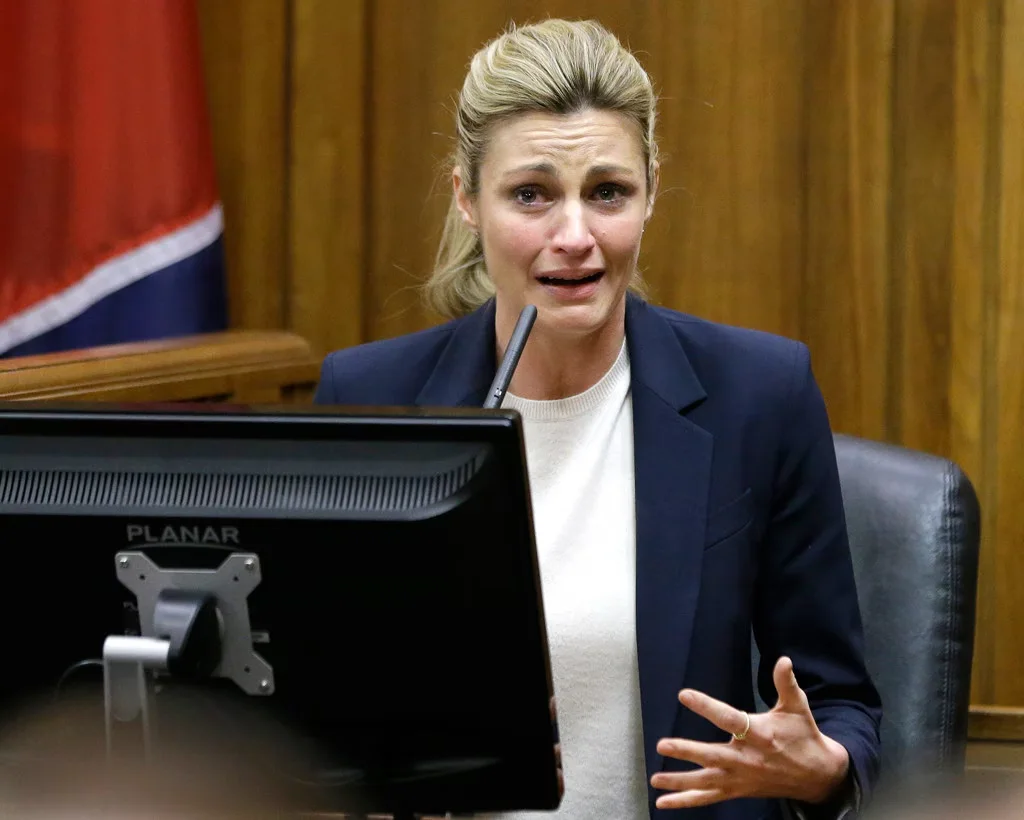
Barrett posted the videos on multiple websites after celebrity gossip site TMZ refused to purchase them. The footage went viral, viewed millions of times, causing Andrews severe emotional distress, depression, and ongoing humiliation. She testified that people still watch and taunt her about the videos nearly eight years later.
The lawsuit argued the hotel bore substantial responsibility because basic security failures enabled Barrett’s criminal acts. Hotel staff disclosed Andrews’ room number to a stranger without verification and accommodated his request to stay in the adjacent room—creating the opportunity for Barrett to commit his crime.
Timeline of Events
September 2008: Barrett filmed Andrews naked through modified peephole at Nashville Marriott at Vanderbilt University
2009: Videos posted online and went viral; Andrews learned of the recordings
October 2009: FBI arrested Barrett after investigation revealed he filmed women in Nashville and Columbus hotels
November 2009: Barrett pleaded guilty to interstate stalking in federal court
March 2010: Barrett sentenced to 30 months in federal prison
2010: Andrews filed civil lawsuit against Barrett and hotel operators
2012: Barrett released from federal prison and filed for bankruptcy, listing $3,000 in assets and $159,891 in debt
February-March 2016: 12-day civil trial in Davidson County Circuit Court, Nashville
March 7, 2016: Jury awarded Andrews $55 million ($28.3M from Barrett, $26.8M from hotel companies)
April 25, 2016: Andrews and hotel companies reached confidential settlement
Related article: Notre Dame Refuses to Settle $320M “Price-Fixing Cartel” Lawsuit—Evidence Shows University Favored Wealthy Donors’ Kids

Who Are the Parties?
Plaintiff: Erin Andrews, Fox Sports reporter and “Dancing with the Stars” co-host (working for ESPN at time of incident)
Defendants:
- Michael David Barrett (stalker, 51% liable)
- West End Hotel Partners (hotel owner, 49% liable with Windsor)
- Windsor Capital Group (former hotel operator, 49% liable with West End)
Court: Davidson County Circuit Court, Nashville, Tennessee
Judge: Hon. Hamilton Gayden (ruled Barrett at fault before trial; jury determined hotel liability)
Plaintiff’s Attorneys: Randall L. Kinnard and Scott Carr (led successful trial strategy)
Defense Attorney: Marc Dedman (represented hotel companies)
Marriott International was not a defendant because the Nashville location is a franchise, not company-operated.
Legal Framework: What Laws Apply
Negligence and Premises Liability
Hotels owe guests an exceptionally high duty of care under common law. As business invitees, hotel guests are entitled to maximum protection. Hotels must:
- Exercise reasonable care for guest safety and security
- Protect guests from foreseeable criminal acts by third parties
- Inspect premises for hazards and correct dangers
- Take affirmative steps to protect guests from known threats
- Implement adequate security measures
Tennessee law holds hotels liable when they breach their duty of care and that breach proximately causes guest injuries. Hotels face greater protection obligations than landlords or most business owners.
Foreseeability Standard: Hotels must protect guests from reasonably foreseeable harm. If a risk was foreseeable and the hotel failed to eliminate it or warn guests, liability attaches.
Invasion of Privacy
Invasion of privacy torts protect individuals from unauthorized intrusion into private matters. Tennessee recognizes four privacy invasion categories:
- Intrusion upon seclusion (Barrett’s filming)
- Public disclosure of private facts (posting videos online)
- False light publicity
- Appropriation of name or likeness
Barrett’s peephole filming and online distribution clearly violated Andrews’ reasonable expectation of privacy in her hotel room.
Intentional Infliction of Emotional Distress
This tort requires:
- Extreme and outrageous conduct
- Intent to cause emotional distress or reckless disregard
- Severe emotional distress actually suffered
- Causation between conduct and distress
Andrews’ testimony about ongoing depression, humiliation, and inability to escape the videos demonstrated severe, continuing emotional harm.
What Did the Jury Find?
Barrett’s Liability (51%): The jury held Barrett primarily responsible for filming Andrews and distributing videos online. Judge Gayden ruled Barrett at fault before trial, leaving only percentage allocation to jurors.
Hotel Companies’ Liability (49%): West End Hotel Partners and Windsor Capital Group shared blame for security failures enabling Barrett’s crime:
- Staff disclosed Andrews’ room number without verification
- Staff granted Barrett’s request for adjacent room
- No systems prevented stranger from obtaining celebrity guest information
- No procedures to protect high-profile guests
- Inadequate security protocols
Damages Awarded:
- Barrett: $28.3 million (51%)
- Hotel companies: $26.8 million (49%)
- Total: $55 million (all noneconomic damages for emotional distress)
Andrews originally sought $75 million. The jury awarded less but still delivered one of the largest invasion of privacy verdicts in US history.
How Barrett Executed His Crime
Barrett’s methodology revealed hotel security vulnerabilities:
Tracking: He correctly guessed Andrews would stay at the Nashville Marriott (closest hotel to Vanderbilt football game she was covering for ESPN).
Verification Call: Barrett called the hotel pretending to be in Andrews’ group, asking for confirmation of reservations.
Room Number: He used an in-house employee phone to learn her room number—staff disclosed it without verification.
Adjacent Room: Barrett requested the room next to Andrews, and staff accommodated him.
Peephole Modification: He used a hacksaw to alter her door’s peephole, making it easy to film inside her room.
Filming: Barrett recorded over four minutes of footage showing Andrews naked.
Distribution: After TMZ refused to buy the videos, Barrett posted them on multiple websites.
Barrett selected Andrews simply because “she was popular” and “trending on Yahoo”—not due to any personal connection.
Why the Hotel Lost
Critical Security Failures
Employee Phone Access: Barrett used internal hotel phones to obtain Andrews’ room number—a basic security breach.
No Verification Protocol: Staff disclosed a guest’s room number to a stranger without confirming any relationship or legitimate reason.
Adjacent Room Request: Staff granted Barrett’s specific request to be placed next to Andrews without questioning why.
Lack of Celebrity Protections: The hotel had no special procedures for high-profile guests despite foreseeable risks.
No Monitoring: Nobody noticed Barrett standing outside Andrews’ door using a hacksaw on the peephole.
Defense Arguments That Failed
“Barrett Alone Responsible”: The hotel argued Barrett was a “determined criminal” who manipulated their system. The jury rejected this, finding the hotel’s basic lapses enabled his crime.
“Andrews’ Career Success”: Defense attorneys suggested Andrews’ continued career growth showed she didn’t suffer severe distress. This argument backfired—jurors found it callous and insulting to Andrews’ genuine suffering.
“Not Foreseeable”: The hotel claimed they couldn’t foresee Barrett’s criminal conduct. Plaintiffs successfully argued that protecting guest privacy from unauthorized information disclosure was basic, foreseeable hotel duty.
Expert Testimony Impact
Hospitality Security Expert: Testified that the hotel violated standard industry protocols by disclosing room information and granting adjacent room requests without verification. Demonstrated how these failures directly enabled Barrett’s crime.
Psychological Expert: Detailed the profound, ongoing emotional trauma Andrews suffered. Explained why the permanent online presence of the videos causes continuing harm years after the incident.
Expert witnesses proved critical in connecting the hotel’s negligence to Andrews’ damages and establishing industry standards the hotel violated.
Legal Implications for Hotels
Changed Industry Practices
Post-verdict, hotels nationwide implemented stricter security protocols:
- Never disclose guest room numbers
- Verify relationships before accommodating adjacent room requests
- Special protections for high-profile guests
- Employee training on privacy and security
- Monitoring systems for hallway activity
- Background checks and security protocols
Duty of Care Expansion
The verdict reinforced that hotels must:
- Protect guest information as confidential
- Implement reasonable safeguards against foreseeable privacy invasions
- Train staff on security protocols
- Create systems preventing unauthorized access to guest data
- Recognize that basic information disclosure can enable serious crimes
Comparative Negligence Application
The 51/49 liability split demonstrated that hotels can share substantial fault even when a third-party criminal commits the direct harm. Hotels cannot escape liability by arguing the criminal bears sole responsibility if their negligence created the opportunity.
Settlement and Collection Reality
April 2016 Settlement: Andrews and hotel companies reached a confidential settlement weeks after the verdict, likely for less than the full $26.8 million but avoiding years of appeals.
Barrett’s $28.3M: Andrews will never collect from Barrett. His father stated Barrett “can’t afford $100, let alone $28 million” and lives in his father’s basement. Barrett filed bankruptcy in 2012 with $3,000 in assets.
Actual Recovery: Legal analysts estimated Andrews’ net recovery at $6-12 million after:
- Attorney fees (typically 40% after trial)
- Case costs ($1M+)
- Settlement reduction from full verdict
- Federal taxes on emotional distress awards
Despite the headline $55 million figure, Andrews’ actual compensation was substantially less—though still significant.
Broader Impact
Legislative Changes
The case prompted anti-stalking law reforms:
Tennessee HB 1779: Proposed legislation requiring heavier penalties for those convicted of unlawfully photographing others for sexual gratification.
California STALKERS Act: Strengthened anti-stalking laws and expanded electronic monitoring coverage including spyware, surveillance, and emerging technologies.
Public Awareness
The trial drew massive media attention, raising awareness about:
- Non-consensual pornography trafficking online
- Hotel security responsibilities
- Technology-enabled privacy invasions
- Ongoing trauma from viral sexual content
Andrews’ courage in testifying publicly helped other victims speak out and pushed for stronger legal protections.
Key Takeaways
- Hotels Share Liability: Even when criminals commit direct harm, hotels face substantial liability for security failures enabling those crimes
- Basic Protocols Matter: Simple safeguards like not disclosing room numbers prevent serious invasions of privacy
- Foreseeability Is Key: Hotels must anticipate reasonably foreseeable risks and implement protections
- Emotional Distress Is Real: Juries award substantial damages for psychological harm even without physical injury
- Privacy Expectations: Hotel guests have legitimate privacy expectations that hotels must protect
- Industry Standards: Expert testimony on industry security protocols heavily influences jury decisions
Frequently Asked Questions
Q: Can hotels be liable for crimes committed by guests or third parties?
A: Yes. Hotels must protect guests from foreseeable criminal acts by third parties. If hotel negligence enables crimes, hotels share liability even when criminals commit the direct harm.
Q: What duty do hotels owe guests regarding privacy?
A: Hotels must maintain guest information as confidential, never disclose room numbers without verification, and implement reasonable security measures protecting guest privacy. Guests have high privacy expectations in hotel rooms.
Q: What is premises liability in the hotel context?
A: Premises liability holds hotels responsible for guest injuries or harm resulting from negligence. Hotels owe guests (business invitees) the highest duty of care, requiring reasonable safeguards against foreseeable risks.
Q: How much did Erin Andrews actually receive from the $55 million verdict?
A: The exact amount is confidential due to the April 2016 settlement, but legal analysts estimated $6-12 million after attorney fees, costs, settlement reduction, and taxes. She will never collect from Barrett, who is judgment-proof.
Q: What changes did hotels make after this case?
A: Hotels nationwide strengthened protocols: never disclosing room numbers, verifying relationships before adjacent room requests, special protections for high-profile guests, enhanced employee training, and improved monitoring systems.
Q: Can emotional distress alone support large damage awards?
A: Yes. The entire $55 million verdict was for noneconomic damages (emotional distress). Juries can award substantial amounts for severe, ongoing psychological harm even without physical injury.
This article provides legal information about the Erin Andrews lawsuit but does not constitute legal advice. Individuals with specific legal questions should consult licensed attorneys in their jurisdictions.
About the Author

Sarah Klein, JD, is a licensed attorney and legal content strategist with over 12 years of experience across civil, criminal, family, and regulatory law. At All About Lawyer, she covers a wide range of legal topics — from high-profile lawsuits and courtroom stories to state traffic laws and everyday legal questions — all with a focus on accuracy, clarity, and public understanding.
Her writing blends real legal insight with plain-English explanations, helping readers stay informed and legally aware.
Read more about Sarah