
DUI vs DWI, Real Difference Every US Driver Must Know in 2026
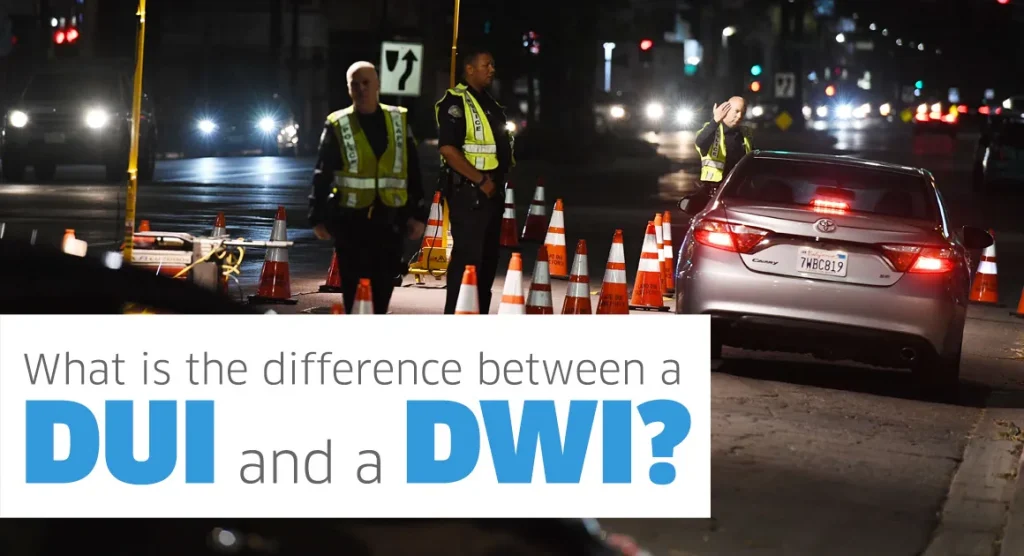
DUI (Driving Under the Influence) and DWI (Driving While Intoxicated or Impaired) are both drunk driving charges, but the difference depends on your state. Over 32 states use DUI, about 10 states use DWI, and some states use both terms for different levels of impairment. In most states, they mean the same thing—operating a vehicle with a BAC of 0.08% or higher. However, states like Maryland, North Carolina, and Texas treat them as separate offenses with distinct penalties.
Here’s everything you need to know about DUI vs. DWI, which states use which terms, and what it means if you’re charged.
What Is the Difference Between DUI and DWI?
DUI stands for “Driving Under the Influence” of alcohol, drugs, or any substance that impairs your ability to drive safely.
DWI stands for “Driving While Intoxicated” or “Driving While Impaired,” depending on the state.
In states that use only one term, DUI and DWI mean exactly the same thing—you’re charged with operating a vehicle while impaired.
In states that use both terms, they typically distinguish between:
- Level of impairment: DWI may indicate higher BAC or more severe impairment than DUI
- Type of substance: DUI may refer to alcohol impairment while DWI refers to drug impairment (or vice versa)
- Age of driver: Some states use DWI for adults and DUI for minors
Which States Use DUI vs. DWI?
States That Use DUI
Over 32 states primarily use DUI terminology, including:
- Alabama
- Alaska
- Arizona
- California
- Colorado
- Delaware
- Florida
- Georgia
- Hawaii
- Idaho
- Illinois
- Kansas
- Kentucky
- Louisiana
- Maryland (uses both)
- Mississippi
- Montana
- Nebraska
- Nevada
- New Hampshire
- New Mexico
- North Dakota
- Ohio (uses OVI)
- Oklahoma
- Oregon (uses DUII)
- Pennsylvania
- South Carolina
- South Dakota
- Tennessee
- Utah
- Vermont
- Virginia
- Washington
- West Virginia
- Wyoming (uses DWUI)
States That Use DWI
About 10 states primarily use DWI terminology, including:
- Arkansas
- Connecticut
- Minnesota
- Missouri
- New Jersey
- New York (also uses DWAI)
- North Carolina
- Texas
States That Use Other Terms
OUI (Operating Under the Influence): Massachusetts, Maine, Rhode Island
OWI (Operating While Intoxicated): Indiana, Iowa, Michigan, Wisconsin
OVI (Operating a Vehicle Under the Influence): Ohio
DUII (Driving Under the Influence of Intoxicants): Oregon
DWUI (Driving While Under the Influence): Wyoming
States That Use Both DUI and DWI
Some states use both terms to distinguish between different offenses:
Maryland
DWI (less serious): BAC between 0.07% and 0.079%, or impairment without meeting the 0.08% threshold
DUI (more serious): BAC of 0.08% or higher
In Maryland, DUI is the worse charge with harsher penalties.
Texas
DWI (adults): Any level of impairment from alcohol or drugs for drivers 21 and over
DUI (minors): Any detectable amount of alcohol for drivers under 21 (zero tolerance)
North Carolina
DWI: Standard impaired driving charge (BAC 0.08% or higher, or noticeably impaired)
DUI: Lesser charge for impairment that doesn’t meet full DWI threshold, or for underage drinking and driving
Legal Definitions: What Each Charge Means
DUI (Driving Under the Influence)
DUI charges apply when you’re operating a vehicle while under the influence of:
- Alcohol
- Illegal drugs (marijuana, cocaine, heroin, etc.)
- Prescription medications
- Over-the-counter drugs that impair driving ability
- Any combination of substances
You can be charged with DUI even if your BAC is below 0.08% if the officer determines you’re impaired to any degree.
DWI (Driving While Intoxicated/Impaired)
DWI charges typically indicate:
- BAC at or above the legal limit (0.08% in most states, 0.05% in Utah)
- Visible intoxication affecting driving ability
- Failed field sobriety tests combined with other evidence of impairment
In states that use both DUI and DWI, DWI often represents a higher level of intoxication or more serious impairment.
BAC Limits: When You Can Be Charged
Standard adult drivers (21+): 0.08% BAC in 49 states, 0.05% in Utah
Commercial drivers: 0.04% BAC nationwide
Drivers under 21: Zero tolerance policies in most states (0.00%-0.02% depending on state)
Remember: You can be charged with DUI or DWI even below these limits if the officer believes you’re impaired.
Penalties: DUI vs. DWI
In states that treat DUI and DWI as the same offense, penalties are identical. In states that distinguish between them, penalties vary.
First-Time DUI (Typical Penalties)
- Fines: $500-$2,000
- Jail: Up to 6 months (often suspended for probation)
- License suspension: 90 days to 1 year
- Alcohol education: Mandatory screening and classes
- Community service: 20-100 hours
- Probation: 1-2 years
First-Time DWI (Where DWI Is More Serious)
- Fines: $1,000-$5,000
- Jail: Up to 1 year (minimum 48 hours to 30 days)
- License suspension: 1-2 years
- Ignition interlock: Required for 1-3 years
- Treatment programs: Court-ordered substance abuse treatment
- SR-22 insurance: Required for 3+ years
Enhanced Penalties for Aggravating Factors
Penalties increase significantly for:
- High BAC (0.15% or higher)
- Minor passengers in the vehicle
- Accidents causing injury or death
- Driving on a suspended license
- Refusing chemical testing
- Repeat offenses
Maryland Example: DUI vs. DWI Breakdown
Maryland clearly distinguishes between DUI and DWI, making it a good example of how the charges differ.
Maryland DWI (Lesser Charge)
- BAC: 0.07%-0.079%
- Penalties: Up to 2 months jail, $500 fine, 60-day license suspension
- Classification: Traffic offense (not criminal in some cases)
Maryland DUI (More Serious)
- BAC: 0.08% or higher
- Penalties: Up to 1 year jail, $1,000 fine, 6-month license suspension
- Classification: Criminal misdemeanor
- Additional: Points on driving record, SR-22 insurance required
In Maryland, prosecutors may offer plea bargains reducing DUI to DWI for first-time offenders with BAC just over 0.08%.
What Happens When You’re Stopped for DUI or DWI
The Traffic Stop
Police must have reasonable suspicion to pull you over. Common reasons:
- Swerving or weaving between lanes
- Speeding or driving too slowly
- Failing to signal
- Running stop signs or red lights
- Erratic braking
- Equipment violations (broken taillight, etc.)
Field Sobriety Tests
Officers may ask you to perform standardized tests:
- Horizontal gaze nystagmus (eye movement test)
- Walk-and-turn
- One-leg stand
Your right: You can refuse field sobriety tests in most states without automatic penalties, though refusal may be used as evidence.
Chemical Testing
If arrested, you’ll be asked to submit to breath, blood, or urine testing.
Implied consent: By driving, you’ve already consented to chemical testing. Refusal triggers automatic penalties in most states:
- License suspension (typically 6-18 months)
- Can be used against you in court
- May not prevent conviction
- Police can get a warrant for forced blood draw
Your Rights When Stopped for DUI or DWI
Right to remain silent: You don’t have to answer questions about where you’ve been or whether you’ve been drinking.
Right to refuse field sobriety tests: No automatic penalty in most states (but refusal can be used as evidence).
Right to an attorney: You can request a lawyer, though you must still submit to chemical testing under implied consent.
Right to independent testing: You can request a blood test at your own expense after the official test.
Right to see evidence: You can request information about breathalyzer calibration, blood test procedures, and officer training.
License Suspension: Administrative vs. Criminal
You face two separate suspension processes:
Administrative Suspension (DMV/DPS)
Automatic suspension triggered by:
- Failing chemical test (BAC at or above legal limit)
- Refusing chemical test
Happens independently of criminal case. You typically have 10-30 days to request a hearing to contest the suspension.
Criminal Suspension (Court Ordered)
Additional suspension imposed if convicted of DUI or DWI. Runs separately from administrative suspension, potentially doubling your total suspension time.
Common Defense Strategies for DUI and DWI
Challenging the stop: Police must have reasonable suspicion. If the stop was unlawful, evidence may be suppressed.
Questioning test accuracy: Breathalyzers require proper calibration. Blood tests need proper chain of custody.
Rising BAC defense: Your BAC may have been below the limit while driving but rose by the time of testing.
Medical conditions: Acid reflux, diabetes, and certain medications can affect breathalyzer results.
Improper testing procedures: Officers must follow specific protocols. Violations can invalidate results.
Lack of actual operation: In some states, you must be actually driving. Sitting in a parked car may not qualify.
Insurance Impact: DUI vs. DWI
Both DUI and DWI convictions severely affect insurance:
- Rate increase: Average 86% higher premiums (from $2,000 to $3,737 per year)
- SR-22 requirement: Certificate of financial responsibility filed by your insurer
- Policy cancellation: Many insurers drop drivers after DUI/DWI
- High-risk insurance: May need to get coverage through high-risk insurers at premium rates
- Duration: Increased rates typically last 3-5 years (10 years in California)
Criminal Record: Long-Term Consequences
DUI and DWI convictions remain on your criminal record permanently in most states and cannot be expunged. This affects:
- Employment: Background checks reveal the conviction
- Professional licenses: May lose or be denied licenses for certain professions
- Security clearances: Can disqualify you from government jobs
- Education: May affect college admissions or scholarships
- Housing: Landlords may deny rental applications
- International travel: Canada and other countries may deny entry
Repeat Offenses: Escalating Penalties
Second and subsequent DUI or DWI convictions trigger much harsher penalties:
Second Offense (Within 10 Years)
- Mandatory minimum jail time (typically 5-30 days)
- Fines: $1,000-$5,000
- License suspension: 1-3 years
- Ignition interlock: Required for 1-3 years
- May be charged as felony in some states
Third Offense
- Felony charge in most states
- Prison time: 1-5 years
- Fines: $5,000-$10,000
- License revocation: 3 years to lifetime
- Vehicle forfeiture in some states
Zero Tolerance for Underage Drivers
Drivers under 21 face zero tolerance policies:
- Any detectable alcohol (BAC 0.01%-0.02%) triggers charges
- License suspension until age 21 or for 1-2 years
- Mandatory alcohol education programs
- Fines and community service
- Delayed driving privileges
Commercial Drivers: Stricter Standards
CDL holders face:
- Lower BAC limit: 0.04% while operating commercial vehicles
- 1-year CDL suspension for first DUI/DWI
- Lifetime CDL revocation for second offense
- Applies even if driving personal vehicle while off-duty
FAQs About DUI vs. DWI
Which is worse, DUI or DWI?
It depends on your state. In states that use only one term, they’re the same. In Maryland, DUI is worse. In North Carolina, DWI is worse. In Texas, DWI applies to adults and DUI applies to minors. Check your state’s specific laws.
Can I refuse a breathalyzer test?
Yes, but you’ll face automatic license suspension (typically 6-18 months) under implied consent laws. Refusal doesn’t prevent charges and can be used against you in court. Police may also obtain a warrant for a forced blood draw.
How long does a DUI or DWI stay on my record?
Permanently in most states. DUI/DWI convictions cannot be expunged in most jurisdictions. For sentencing purposes, most states only count prior offenses within the past 10 years.
Do I need a lawyer for DUI or DWI?
Strongly recommended. DUI/DWI laws are complex, penalties are severe, and an experienced attorney can often reduce charges, minimize penalties, or get charges dismissed based on procedural errors.
What if I was prescribed medication that impaired me?
Prescription medication is not a defense. You’re responsible for knowing how medications affect your driving ability. Many prescription drug DUI/DWI cases result in convictions.
Can I get a DUI or DWI on private property?
In most states, yes. DUI/DWI laws typically apply to all roadways, parking lots, and areas accessible to the public, including private parking lots, driveways, and sometimes even private property.
What if I’m not actually driving?
In most states, you can be charged for being in “actual physical control” of a vehicle while impaired. This means sitting in the driver’s seat with access to keys, even if the engine is off.
How much does a DUI or DWI cost total?
Beyond court fines ($1,000-$5,000), expect: attorney fees ($2,500-$10,000), increased insurance ($2,000+ per year for 3-5 years), license reinstatement fees ($200-$500), alcohol classes ($500-$2,000), ignition interlock ($1,000-$3,000), and lost wages from jail time or job loss. Total costs often exceed $15,000-$25,000.
Will a DUI or DWI affect my job?
Possibly. Jobs requiring driving, security clearances, professional licenses, or working with children or vulnerable populations are especially at risk. Employers conducting background checks will see the conviction.
Can I drive to work during my suspension?
Most states offer restricted licenses allowing driving to work, school, or treatment after serving part of your suspension. This requires installing an ignition interlock device and paying associated fees.
What to Do If You’re Arrested for DUI or DWI
1. Stay calm and polite. Arguing will only make things worse.
2. Exercise your right to remain silent. Don’t answer questions beyond providing your license and registration.
3. Request an attorney. Say clearly: “I want to speak with a lawyer.”
4. Submit to chemical testing. Refusal carries harsh automatic penalties.
5. Document everything. Write down what happened, what you drank, when, what the officer said, and what tests were performed.
6. Request a DMV hearing within the deadline. You typically have 10-30 days to contest administrative license suspension.
7. Hire a DUI/DWI attorney immediately. Early legal representation significantly improves outcomes.
8. Don’t miss court dates. Failure to appear results in additional charges and bench warrants.
How to Avoid DUI and DWI Charges
The only guaranteed way to avoid charges is to not drink and drive at all:
- Use rideshare services: Uber and Lyft are available nationwide
- Designate a sober driver: Take turns being the designated driver
- Use public transportation: Buses, trains, and subways operate in major cities
- Call a cab or friend: Traditional taxis or asking for a ride
- Stay where you are: Get a hotel room or sleep over at a friend’s house
Remember: Even one drink can impair your driving ability and put you over the limit in states like Utah (0.05% BAC). A $20 rideshare is always cheaper than a $15,000+ DUI.
The Bottom Line on DUI vs. DWI
DUI and DWI are both serious criminal charges for impaired driving. In most states, they mean the same thing. In states that use both terms, they distinguish between levels of impairment, types of substances, or driver age.
Regardless of terminology, the consequences are severe: thousands in fines, jail time, license suspension, increased insurance rates, and a permanent criminal record.
If you’re charged with DUI or DWI, contact an experienced criminal defense attorney immediately to protect your rights and minimize consequences. If you drink, never drive—use alternative transportation every single time.
About the Author

Sarah Klein, JD, is a former criminal defense attorney with hands-on experience in cases involving DUIs, petty theft, assault, and false accusations. Through All About Lawyer, she now helps readers understand their legal rights, the criminal justice process, and how to protect themselves when facing charges.
Read more about Sarah