
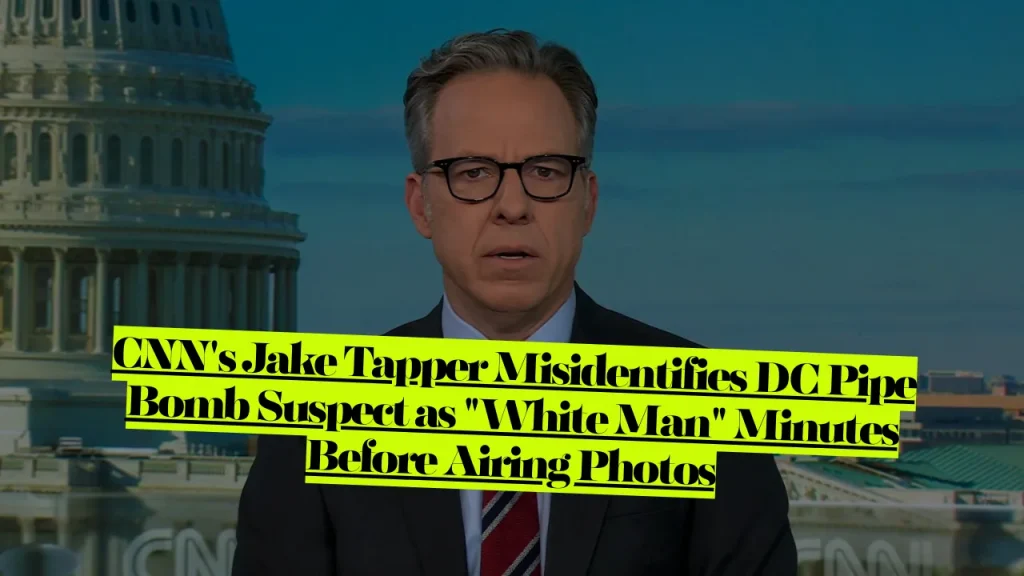
CNN’s Jake Tapper Misidentifies DC Pipe Bomb Suspect as “White Man” Minutes Before Airing Photos
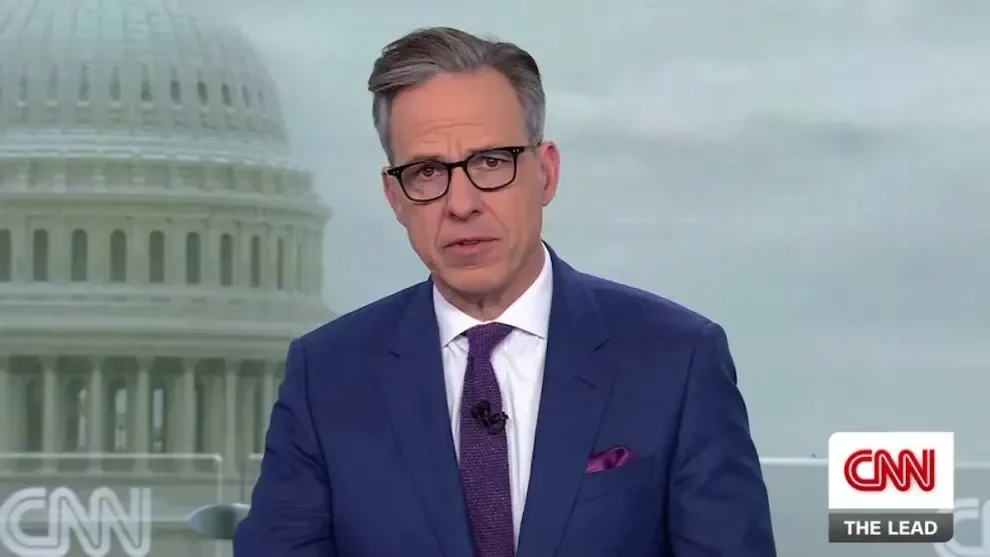
CNN anchor Jake Tapper described January 6 pipe bomb suspect Brian Cole Jr. as a “30-year-old white man” on Thursday’s broadcast, moments before his show aired photographs clearly showing Cole is Black. The error sparked immediate backlash on social media and raised questions about journalistic accuracy in breaking news coverage.
What Exactly Did Jake Tapper Say?
During “The Lead” on December 4, 2025, Tapper stated: “Brian Cole Jr., a 30-year-old white man from the D.C. suburbs, is charged with transporting an explosive device in interstate commerce and with malicious destruction by means of explosion.” Minutes later, CNN displayed images of Cole that contradicted the racial description.
The FBI arrested Cole, 30, of Woodbridge, Virginia, ending a nearly five-year investigation into pipe bombs placed outside the DNC and RNC headquarters on January 5, 2021.
The Actual Facts About Brian Cole Jr.
Brian Cole Jr., 30, was arrested and charged with transporting an explosive device and attempted malicious destruction by means of explosive materials. Cole lives with his mother and other family members in Woodbridge, Virginia, and works in a bail bondsman’s office.
Cole’s father is Black and once enlisted the services of Ben Crump, an attorney known for racial discrimination cases. Court documents and FBI materials confirm Cole is African American, directly contradicting Tapper’s on-air description.
Immediate Public Reaction
Social media erupted within minutes:
Conservative commentator Greg Price posted video footage with the caption: “Jake Tapper identified the J6 pipe bomb suspect as a ’30-Year-old white man.’ Idk about you but this guy does not look white to me.”
Conservative pundit Benny Johnson wrote on X: “CNN’s Jake Tapper labels the J6 pipe bomber suspect Brian Cole a ’30 year old WHITE man.’ You can’t make this stuff up.”
Viewers flooded social media with criticism. One user stated: “He is obviously NOT white but you can always count on CNN to ignore the obvious… and the facts.”
Fox News host Jesse Watters highlighted the error as conservative commentators circulated the clip widely.
Related Article: Brian Walshe Murder Trial, Lover’s Explosive Testimony Reveals Secret Ana Walshe’s Affair as Prosecution Builds Motive Case
Has CNN or Jake Tapper Issued a Correction?
As of publication, Jake Tapper has not addressed the error publicly. CNN has not issued an official correction or statement regarding the misidentification.
The silence contrasts with standard journalistic practices requiring prompt corrections when factual errors occur in news coverage.
Legal Framework: Media Liability for Misidentifying Suspects
Defamation Standards for Media Defendants
To prove defamation, a plaintiff must show: (1) a false statement purporting to be fact; (2) publication to a third person; (3) fault amounting to at least negligence; and (4) damages or harm to reputation.
The Supreme Court held in New York Times Co. v. Sullivan that public officials must prove “actual malice”—that the defendant published “with knowledge that it was false or with reckless disregard of whether it was false or not”.
How Courts Treat Suspect Identification Errors
When media reports accurately identify someone as a suspect in an investigation, but the suspicion proves wrong, courts face complex questions about what constitutes “truth” for defamation purposes.
The challenge: Was Tapper’s statement about Cole being “white” defamatory to Cole, or could it theoretically harm white individuals by false association with the crime?
Truth is a complete defense to defamation claims. Media organizations that fairly and accurately report official government proceedings or documents generally receive qualified privilege protection.
In this case, Tapper’s description didn’t match official charging documents or FBI materials, which don’t describe Cole as white.
Broadcast Journalism Standards
PBS Editorial Standards emphasize the importance of accuracy and fairness in reducing defamation risk. Basic journalism principles require:
- Verifying suspect descriptions before broadcast
- Matching on-air statements with available visual evidence
- Issuing immediate corrections when errors occur
- Independent fact-checking of breaking news details
Some observers suggested Tapper “probably just read a script” and “clearly never looked at the graphics”, indicating potential breakdowns in CNN’s editorial review process.
Potential Legal Consequences
For CNN and Jake Tapper
Media organizations face limited defamation liability when reporting on criminal investigations, but false factual statements create exposure:
In America, the plaintiff carries the burden of proving falsity in defamation cases involving media reports on matters of public concern—a constitutionally mandated requirement.
However, misidentifying a suspect’s race doesn’t easily fit traditional defamation frameworks. Cole faces serious criminal charges regardless of how his race was described. The error appears more likely to:
- Damage CNN’s credibility
- Violate journalistic ethics standards
- Create internal review obligations
- Generate professional consequences for staff involved
The Fox News settlement with Dominion Voting Systems for $787.5 million demonstrates that media defendants don’t enjoy absolute immunity, particularly when actual malice can be shown.
Statute of Limitations Considerations
Most states have a one-year statute of limitations on libel claims, starting when the statement is first published. Any potential legal action would need to be filed by December 2026.
Similar CNN Incidents
CNN made a similar error in July involving a shooting suspect, with CNN chief law enforcement analyst John Miller reporting the suspect was “male, possibly white”—a claim repeated by CNN host Erin Burnett. A surveillance image already circulating on social media showed the suspect was clearly not white. An hour later, the suspect was named as 27-year-old Shane Tamura.
The pattern raises questions about CNN’s editorial processes for verifying suspect descriptions before broadcast.
What This Means for Broadcast Journalism
Journalistic Ethics Standards Violated
The Society of Professional Journalists Code of Ethics mandates:
- Accuracy: “Take responsibility for the accuracy of their work. Verify information before releasing it.”
- Minimize Harm: “Balance the public’s need for information against potential harm or discomfort.”
- Accountability: “Acknowledge mistakes and correct them promptly and prominently.”
Tapper’s error and the subsequent lack of correction violate multiple ethical principles.
Editorial Process Breakdowns
The incident suggests failures at multiple levels:
- Script preparation: How did incorrect racial information enter the script?
- Pre-broadcast review: Did producers verify the description against available photos?
- Real-time monitoring: Why wasn’t the error caught when photos aired?
- Post-broadcast correction: Why no immediate on-air correction or social media acknowledgment?
Impact on Media Credibility
Conservative influencer Nick Sorter accused CNN of pushing “anti-white rhetoric”, illustrating how factual errors fuel broader attacks on media credibility.
Some commentators suggested the error reflected narrative preferences: “Jake Tapper and other fake news reporters wanted the J6 pipe bomber to be a white Trump supporter so bad”.
Whether or not such characterizations are fair, the error provides ammunition to media critics and undermines public trust in journalism.
Context: The Brian Cole Jr. Case
Investigation Background
The arrest marks the first time investigators publicly identified a suspect in an act that remained an enduring mystery for nearly five years.
Attorney General Pam Bondi said no new tip or witness emerged—the arrest resulted from reexamining evidence already in FBI possession. Bondi stated the investigation “languished for four years” under the Biden administration.
The Evidence Against Cole
Between 2019 and 2020, Cole allegedly purchased items matching pipe bomb components, including galvanized pipes, end caps, nine-volt battery connectors, white kitchen timers, and electrical wire.
FBI obtained phone records showing Cole’s cellphone near the Democratic and Republican National Committee buildings on January 5, 2021. Cole’s 2017 Nissan Sentra was observed on a license plate reader in D.C. less than half a mile from where the suspect was first seen on foot.
Charges Filed
Cole faces charges of transporting an explosive device in interstate commerce with intent to kill, injure or intimidate, and malicious destruction or attempted malicious destruction by means of fire and explosive materials.
Broader Implications for Media Law
First Amendment Protections vs. Accuracy Requirements
The Supreme Court in Sullivan established that “libel can claim no talismanic immunity from constitutional limitations” and must “be measured by standards that satisfy the First Amendment”.
The Court reasoned that debate on matters of public concern is essential to a functioning democracy, and imposing liability for honest mistakes or criticisms is unjust.
Yet this protection doesn’t excuse carelessness. Media organizations that follow ethical guidelines emphasizing accuracy and fairness reduce the likelihood of defamation lawsuits.
The Role of Retractions
Some 33 states have retraction statutes generally requiring defamation plaintiffs to request retractions before claiming damages. A timely retraction usually limits damages.
If a station receives a retraction request, this could signal pending litigation. After careful review, retractions can limit (but not eliminate) defamation liability and may satisfy parties threatening lawsuits.
Tapper’s failure to issue any correction eliminates potential mitigation benefits.
Frequently Asked Questions
What exactly did Jake Tapper say that was incorrect?
Tapper described Brian Cole Jr. as “a 30-year-old white man from the D.C. suburbs” when Cole is actually Black. This occurred minutes before CNN aired photographs of Cole that contradicted the description.
Has Jake Tapper or CNN issued a correction?
No. As of December 5, 2025, neither Tapper nor CNN has publicly addressed or corrected the error.
Could CNN or Jake Tapper face legal liability for this error?
Defamation liability is unlikely. Cole faces serious criminal charges regardless of how his race was described. However, the error violates journalistic ethics and damages media credibility. Any potential defamation claim would face significant First Amendment hurdles and would need to show actual malice.
What journalistic standards did this error violate?
The error violated basic journalism principles including verifying information before publication, ensuring accuracy, matching on-air statements with visual evidence, and issuing prompt corrections when mistakes occur.
Is this the first time CNN has made this type of error?
No. In July 2025, CNN made a similar error when reporting a shooting suspect was “male, possibly white” despite surveillance images showing otherwise. The suspect was later identified as Shane Tamura.
What is the actual malice standard and how does it apply here?
Actual malice requires proving the media defendant published false information with knowledge it was false or with reckless disregard for the truth. This high bar protects robust debate on public issues but doesn’t excuse careless reporting.
What are the professional consequences for journalists who make such errors?
Consequences vary by organization but can include internal reviews, editorial policy changes, retraining, or disciplinary action. Public correction and accountability are standard journalistic practices, making the lack of correction particularly notable.
This article is for informational purposes only and does not constitute legal advice. Media law varies by jurisdiction and specific circumstances. Consult with qualified legal counsel for advice on specific situations.
About the Author

Sarah Klein, JD, is a licensed attorney and legal content strategist with over 12 years of experience across civil, criminal, family, and regulatory law. At All About Lawyer, she covers a wide range of legal topics — from high-profile lawsuits and courtroom stories to state traffic laws and everyday legal questions — all with a focus on accuracy, clarity, and public understanding.
Her writing blends real legal insight with plain-English explanations, helping readers stay informed and legally aware.
Read more about Sarah