
Brian Walshe Sentenced to Life Without Parole for Murdering and Dismembering Wife Ana, Three Years After Her New Year’s Day Disappearance
Brian Walshe was sentenced Thursday to life in prison without parole for murdering his wife Ana Walshe, a 39-year-old real estate executive who disappeared on New Year’s Day 2023. A Massachusetts jury convicted him of first-degree murder on December 15, 2025, after six hours of deliberation. Prosecutors proved he premeditatedly murdered and dismembered Ana, then disposed of her remains in dumpsters throughout the region. Her body has never been found.
The sentencing hearing at Norfolk Superior Court included victim impact statements from Ana’s family. Ana’s sister delivered a statement saying her death has left the family with an unbearable emptiness. Judge Diane Freniere also sentenced Walshe for two lesser charges he pleaded guilty to before trial: misleading police and improper conveyance of a body.
What Charges Did Brian Walshe Face?
Brian Walshe, 50, faced one count of first-degree murder in Norfolk County Superior Court. Just before jury selection began on November 18, 2025, he pleaded guilty to two additional charges: misleading a police officer and conveyance of a human body. The judge ruled jurors could not be told about these guilty pleas during the murder trial.
First-degree murder in Massachusetts carries a mandatory sentence of life without parole. The misleading police charge carries up to 10 years but could be enhanced to 20 years after the murder conviction, while the improper conveyance charge carries up to three years.
Related article: Astronomer Executive Caught on Coldplay Kiss Cam Blames “a Couple of High Noons” for Career-Ending Moment
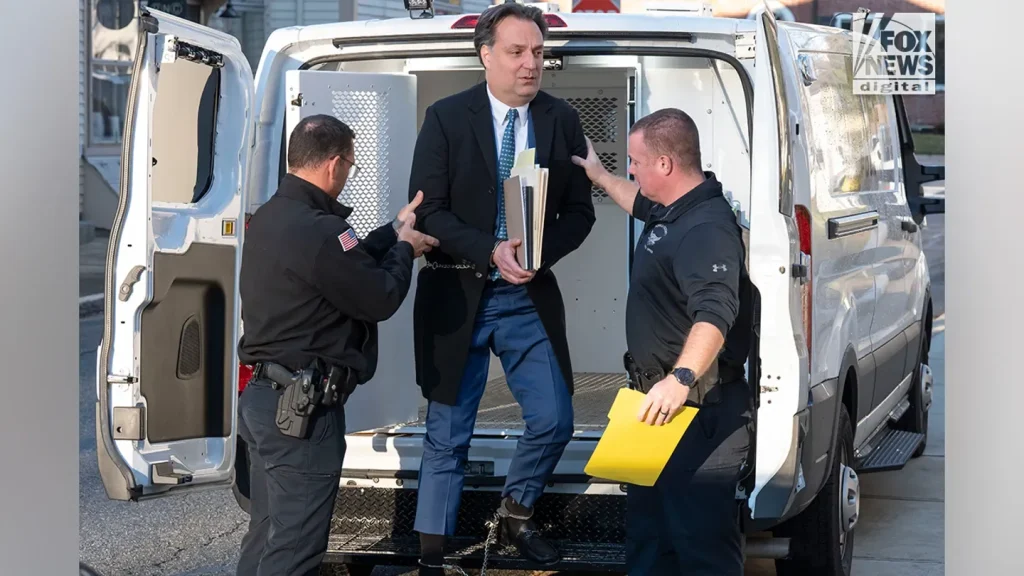
Timeline: From Disappearance to Conviction
December 31, 2022: Ana and Brian Walshe hosted a New Year’s Eve dinner at their Cohasset home with family friend Gem Mutlu. Mutlu said there was “no indication” of an impending tragedy. He left around 1:30 a.m. after ringing in the new year.
January 1, 2023: Prosecutors allege Brian murdered Ana on New Year’s Day 2023. Surveillance video from Lowe’s showed Walshe buying $463 in cleaning supplies, including mop, Clorox, five-gallon buckets, wearing a KN-95 mask and blue surgical gloves. His internet searches that day included “best way to dispose of a body,” “how long for someone to be missing to inherit,” and “best way to dispose of body parts after a murder.”
January 2, 2023: Surveillance showed Brian purchasing $450 in cleaning supplies and tarps. He also bought candles, rugs, towels, and mats at HomeGoods and Marshalls.
January 4, 2023: Ana’s employer reported her missing after she failed to show for work in Washington, D.C.
January 5, 2023: Cell phone data placed Brian near dumpsters at his mother’s apartment complex in Swampscott, where investigators later recovered critical evidence.
January 8, 2023: Police arrested Brian Walshe after discovering evidence at the family’s Cohasset home and in area dumpsters.
December 1-13, 2025: The two-week trial featured testimony from 48 prosecution witnesses.
December 15, 2025: After deliberating nearly four hours on Friday without reaching a verdict, jurors resumed Monday morning and deliberated approximately two hours before returning a guilty verdict.
December 18, 2025: Judge Freniere sentenced Walshe to life without parole.
What Evidence Convicted Brian Walshe?
The prosecution built its case on forensic evidence, surveillance footage, internet searches, and circumstantial proof despite never recovering Ana’s body.
DNA and Blood Evidence
Forensic scientist Saman Saleem testified that Ana Walshe was a statistical match for DNA found on a blood-stained white towel, blood on a hacksaw blade, a blood-stained piece of carpet, a clump of hair, and a piece of human tissue found in garbage bags.
The DNA profile from the hacksaw blade was “at least 39 million times more likely” if it originated from Ana than from an unknown individual. DNA testing on a Tyvek suit and blood-stained slippers showed both Ana and Brian were contributors.
State Police analyst Matthew Sheehan testified that blood was found in the Walshes’ basement, though no blood spatter evidence indicated a violent attack in that location.
Discarded Items
Investigators searching trash facilities near Brian’s mother’s apartment recovered:
- Hacksaw, hatchet, hammer, tin snips, and shears (all testing positive for Ana’s blood)
- Tyvek protective suit with both Walshes’ DNA
- Blood-stained slippers, towels, and rug pieces
- Ana’s Hunter boots, Prada purse, and COVID-19 vaccination card
- Piece of Ana’s Gucci necklace embedded in bloody carpet
- Clothing Brian claimed Ana wore when she left
Prosecutors told jurors a photo showed Ana lying on a rug in their living room before her death. During deliberations, jurors asked to see this photo—the rug ended up covered in Ana’s blood in a dumpster near Brian’s mother’s apartment.
Internet Searches
Brian conducted more than a dozen Google searches during the alleged cover-up, including “10 ways to dispose of a dead body if you really need to,” “hacksaw best tool to dismember,” and “can you be charged with murder without a body”.
Additional searches included: “Can I use bleach to clean my wood floors from blood stains,” “does a dishwasher clean blood,” and inquiries about removing DNA from a knife.
Surveillance Evidence
Video showed Walshe in a black KN-95 mask and blue surgical gloves pushing an overloaded cart at Lowe’s on January 1, buying cleaning supplies, mop, and multiple five-gallon buckets totaling $463.26.
Footage from January 2 showed him purchasing items including a hacksaw, utility knife, hammer, snips, Tyvek suit, shoe guards, rags, and cleaning supplies, all bought with cash.
Multiple videos captured someone matching Brian’s description throwing heavy trash bags into dumpsters in early January 2023.
Replacement Purchases
A HomeGoods employee testified Brian made purchases on January 2 and 4, buying hundreds of dollars in candles, rugs, towels, and mats. Prosecutors argued these replaced blood-stained items he’d discarded.
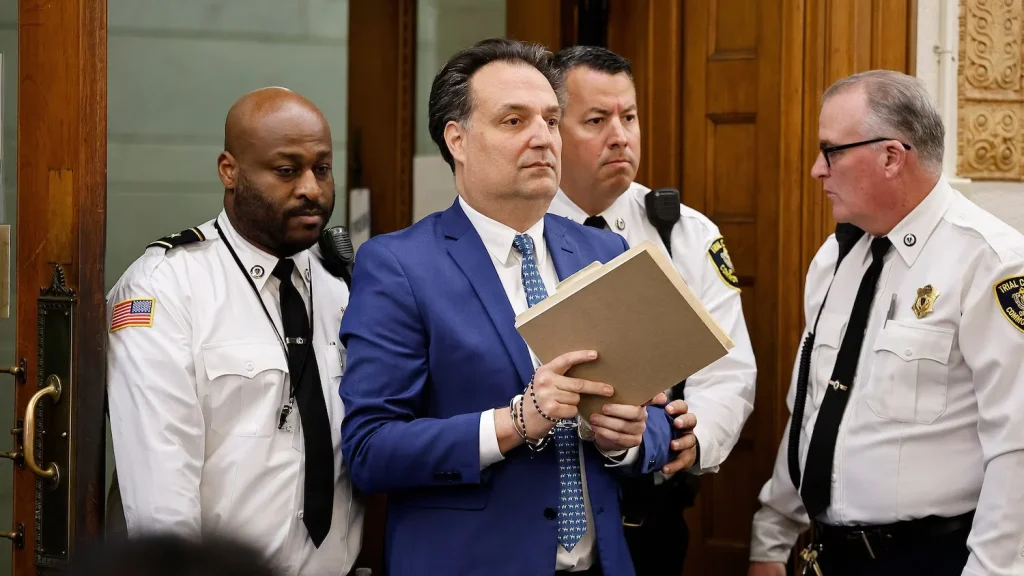
What Was the Prosecution’s Theory?
During closing arguments, prosecutor Anne Yas told jurors Brian planned to kill Ana and hide evidence because their marriage was falling apart and he needed money from her life insurance policy worth more than $1 million.
Prosecutors alleged the marriage was in “crisis” with arguments about Ana being away from the family due to her Washington, D.C. job. Prosecutors said Brian knew his wife was having an affair with William Fastow, a D.C. real estate broker.
When Ana died, Brian was awaiting sentencing for selling forged Andy Warhol artwork and was granted home confinement because he was the primary caregiver for their three children. Brian was sentenced to 37 months in federal prison and ordered to pay $475,000 in restitution in February 2024.
Digital forensic experts found divorce-related searches on his devices between Christmas and New Year’s, including “best divorce strategies for men” and “Washington, D.C. divorce lawyers”.
An insurance executive testified Brian was sole beneficiary of Ana’s life insurance policies totaling $2.7 million, suggesting financial motive.
What Was Brian Walshe’s Defense?
Defense attorneys said Brian did not kill his wife but found her dead in bed on New Year’s Day—calling her death sudden and unexplained—and then panicked and lied to police.
Defense attorney Larry Tipton said Brian acted out of panic and concern for their three sons, who were 6, 4, and 2 years old. Brian feared losing custody if circumstances appeared suspicious while awaiting sentencing for fraud.
Tipton argued the internet searches about murder came six hours after Ana died and “upsetting” searches about dismemberment reflected “disbelief” rather than premeditation. The defense said text messages showed the Walshes loved each other and were planning for the future.
Despite Tipton’s opening-day promises of evidence proving Brian’s innocence, the defense rested without calling any witnesses. Brian did not testify.
Who Was Ana Walshe?
Ana Walshe was a 39-year-old real estate executive and immigrant from Serbia who worked in Washington, D.C. She and Brian married in 2016 and had three young sons.
Ana was living in Massachusetts with their children while working in Washington, where she had a townhome. Testimony revealed Ana was upset about being away from her young children so much and there was stress in the marriage.
Jurors heard testimony from a D.C. man, William Fastow, with whom Ana was having an affair. The couple’s three children were placed in state custody after Brian’s arrest in January 2023.
What Did the Trial Reveal?
The prosecution called 48 witnesses over eight days but never offered a theory of exactly how Brian killed Ana. Without a body, there can be no autopsy or official cause of death.
Brian originally told police his wife took an Uber or Lyft early New Year’s Day morning to Logan Airport for a flight to Washington for a “work emergency”. But witnesses testified there was no evidence Ana took a ride service to the airport or boarded a flight.
During deliberations, jurors asked just one question over two days: they wanted to see a photo of Ana lying on a rug in their living room that prosecutors said later ended up bloodied in a dumpster.
Norfolk County District Attorney Michael Morrissey told reporters after the verdict this was the first first-degree murder conviction his office has secured without having the victim’s body. He commended investigators who “left no stone unturned,” searching dumpsters, landfills, transfer stations, and stores to gather critical evidence.
What Is the Legal Significance?
The trial “was an uphill battle from the jump” despite the prosecution’s lack of concrete evidence about how Ana died and definitive proof of premeditation, according to Northeastern University law professor Daniel Medwed.
First-degree murder requires evidence of deliberate premeditation. Judge Freniere informed the jury they could choose to convict on second-degree murder or first-degree murder, which includes the element of premeditation. Jurors chose first-degree.
Medwed said the prosecution “tried as best as possible to create motive, and then pointed to the post-incident cover-up to suggest Walshe was acting in a cold and calculating manner”.
Under Massachusetts law, Walshe’s conviction will be automatically reviewed by the state’s Supreme Judicial Court, as all first-degree murder convictions go before the highest court.
The case demonstrates that prosecutors can secure murder convictions without a body when circumstantial evidence—DNA, surveillance footage, internet searches, and financial motive—collectively proves guilt beyond reasonable doubt.
Current Status and Next Steps
Brian Walshe is serving his mandatory life sentence without possibility of parole. Under Massachusetts law, his case will be automatically appealed to the state’s Supreme Judicial Court.
Ana’s family may ask Brian to reveal what he did with her remains during future proceedings, though legal experts say this is unlikely to result in a lighter sentence.
The three Walshe children remain in state custody. Judge Freniere indicated she would likely impound statements submitted by the couple’s three children to protect their privacy.
Frequently Asked Questions
What was Brian Walshe charged with?
Brian Walshe was charged with first-degree murder. He also pleaded guilty to misleading police and improper conveyance of a human body just before his trial began.
What sentence did Brian Walshe receive?
Brian Walshe received a mandatory life sentence without possibility of parole for first-degree murder. He also received sentences for misleading police and improper conveyance of a body.
Was Ana Walshe’s body ever found?
No. Ana Walshe’s body has never been recovered despite extensive searches of trash facilities, dumpsters, and landfills throughout the region.
What evidence convicted Brian Walshe?
Key evidence included Ana’s DNA on a hacksaw and other tools, blood-stained items in dumpsters, surveillance footage of Brian buying cleaning supplies and dismemberment tools, internet searches about disposing of bodies, and financial motive from life insurance policies.
Why did prosecutors say Brian Walshe killed his wife?
Prosecutors argued Brian killed Ana because their marriage was failing, she was having an affair, he faced prison time for fraud, and he stood to benefit from over $1 million in life insurance money.
Did Brian Walshe testify at trial?
No. Brian Walshe did not testify, and his defense team called no witnesses despite promising in opening statements that he would explain what happened.
Can Brian Walshe appeal his conviction?
Yes. Under Massachusetts law, all first-degree murder convictions are automatically appealed to the state’s Supreme Judicial Court.
Legal Disclaimer:
This article is provided for informational purposes only and does not constitute legal advice. The information presented is based on publicly available court records, news reports, and official sources current as of the publication date. Legal proceedings and case details may change over time. If you need legal advice regarding criminal law, murder charges, or any legal matter, please consult with a qualified attorney licensed in your jurisdiction. AllAboutLawyer.com is not a law firm and does not provide legal representation or advice.
About the Author

Sarah Klein, JD, is a licensed attorney and legal content strategist with over 12 years of experience across civil, criminal, family, and regulatory law. At All About Lawyer, she covers a wide range of legal topics — from high-profile lawsuits and courtroom stories to state traffic laws and everyday legal questions — all with a focus on accuracy, clarity, and public understanding.
Her writing blends real legal insight with plain-English explanations, helping readers stay informed and legally aware.
Read more about Sarah