
Apple Watch Carbon Neutral Class Action, Federal Judge Dismisses Greenwashing Claims
U.S. District Judge Noël Wise dismissed a proposed class action against Apple in February 2026, finding that plaintiffs did not plausibly allege Apple’s “carbon neutral” marketing claims were false. Seven Apple Watch buyers filed the case in February 2025, alleging deceptive environmental advertising. The court dismissed the case with leave to amend. No settlement exists and no claims process is open.
Quick Facts
| Field | Detail |
| Case Name | Dib v. Apple |
| Court | U.S. District Court, Northern District of California |
| Date Filed | February 26, 2025 |
| Defendant | Apple Inc. |
| Lead Plaintiff | Dib (and six co-plaintiffs) |
| Alleged Violation | False and deceptive environmental advertising (“carbon neutral” claims) |
| Products Affected | Apple Watch Series 9, Apple Watch SE, Apple Watch Ultra 2 |
| Geographic Scope | California, Florida, Washington D.C. |
| Settlement | None — litigation phase only |
| Claim Form Available | No |
| Plaintiffs’ Attorneys | TBD |
What Actually Happened?
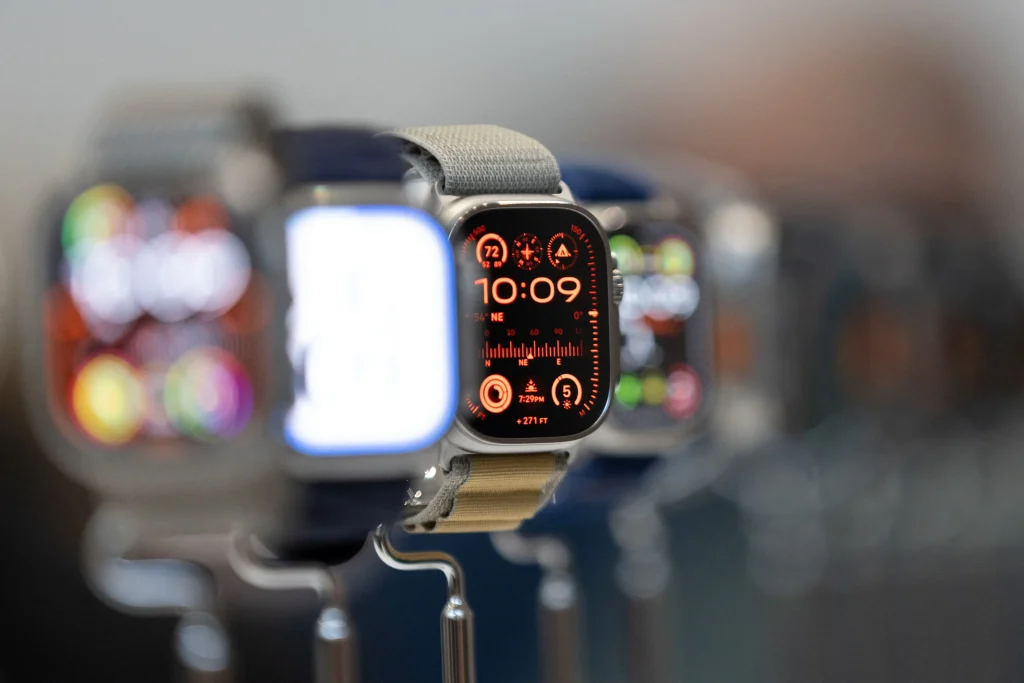
In 2023, Apple announced what it described as its first “carbon neutral” products, including the Apple Watch Series 9. Apple marketed the watches as carbon neutral by combining lower manufacturing emissions with the purchase of carbon offset credits.
Seven purchasers of the Apple Watch from California, Florida, and Washington D.C. filed a class action complaint on February 26, 2025, in San Jose, California federal court. The plaintiffs argued they would not have bought the watches — or would have paid less — if they had known the true details of Apple’s carbon accounting.
Apple moved to dismiss the lawsuit, arguing that the plaintiffs failed to state a claim. Judge Noël Wise agreed and dismissed the case in February 2026, but gave plaintiffs a window to file an amended complaint.
What Does the Lawsuit Allege?
The plaintiffs alleged that Apple falsely advertised the watch and misled consumers about its global emissions, specifically its marketing claims that certain Apple Watches are “carbon neutral.” The complaint alleged Apple claimed it had retired 485,000 metric tons of carbon dioxide through its offset program.
Plaintiffs claimed Apple’s carbon offset projects did not truly cancel the products’ emissions. Using climate intelligence, including remote sensing and satellite imagery, plaintiffs attempted to prove their claims, making this one of the first times such specific scientific arguments were used regarding carbon neutrality claims in U.S. courts.
Plaintiffs also argued that Apple’s forestry offset projects in Paraguay were guaranteed only until 2029, while consumers could reasonably expect climate commitments to extend to at least 2050, in line with typical net-zero targets.
What Laws Were Allegedly Violated?
Based on the complaint and case filings, plaintiffs alleged violations of:
- California Consumer Legal Remedies Act (CLRA) — A state law protecting consumers against misleading representations about a product’s characteristics or benefits.
- California False Advertising Law (FAL) — Prohibits businesses from making untrue or misleading statements in advertisements.
- California Unfair Competition Law (UCL) — Broadly bars any unlawful, unfair, or deceptive business practice that harms consumers.
Who Does This Lawsuit Affect?
- You may be affected if you purchased an Apple Watch Series 9, Apple Watch SE, or Apple Watch Ultra 2 marketed as “carbon neutral.”
- You may be affected if you purchased your Apple Watch in California, Florida, or Washington D.C.
- You may be affected if Apple’s environmental marketing claims influenced your decision to buy the watch or the price you paid.
- You may be affected if you purchased the watch after September 2023, when Apple began applying the “carbon neutral” label to these models.
No action is required right now. Save any purchase records, receipts, or order confirmation emails — these may matter if an amended complaint leads to a settlement.
What Is Apple Saying?
Apple defended its carbon neutrality claims throughout the litigation. Apple argued that its reliance on Verra’s certified carbon credits should shield it from liability, as the company had taken reasonable steps to ensure its carbon neutrality claims were accurate.
An Apple spokesperson stated: “Importantly, the court has broadly upheld our rigorous approach to carbon neutrality. We remain laser-focused on further reducing emissions by industry-leading innovation in clean energy, low-carbon design and more.”
Notably, the Environmental Defense Fund, a well-known environmental advocacy organization, filed an amicus brief supporting dismissal of the lawsuit. EDF argued that poorly supported litigation could discourage companies from pursuing ambitious climate initiatives.
What Happens Next?
- Plaintiffs had until March 13, 2026, to file an amended complaint addressing the deficiencies the court identified. If they filed, the case could restart at the pleading stage.
- The plaintiffs declined to amend their complaint, effectively ending the U.S. case. Unless plaintiffs appeal or new plaintiffs file a separate action, the federal litigation is closed.
- Even though Apple won the U.S. case, climate lawsuits are rising worldwide. Greenwashing claims have nearly doubled globally since 2020, reaching approximately 2,700 cases in 2025.
- The U.S. ruling contrasts with a decision issued in August 2025 by a court in Frankfurt, Germany, which ordered Apple to stop advertising certain watches as carbon neutral. European regulatory pressure continues to grow.
- Apple is already phasing out carbon-neutral claims on its products ahead of stricter European Union rules around the use of such language that will come into force in September 2026.
This page will be updated as the case develops.
Important Case Dates
| Milestone | Date |
| Lawsuit Filed | February 26, 2025 |
| Amended Complaint Filed | May 19, 2025 |
| Motion to Dismiss Hearing | August 27, 2025 |
| Dismissal Order Issued | February 20, 2026 |
| Plaintiff Deadline to Amend | March 13, 2026 |
| Plaintiffs Declined to Amend | March 2026 |
| Trial Date | TBD |
| Settlement | TBD |
Frequently Asked Questions
Is the Apple Watch carbon neutral lawsuit real?
Yes. Dib v. Apple was a legitimate federal class action filed in the Northern District of California in February 2025. A federal judge dismissed it in February 2026. The case is a matter of public court record and can be verified through the PACER federal court docket system.
Can I file a claim against Apple right now?
No. The court dismissed this case and plaintiffs declined to file an amended complaint. There is no open claims process, no settlement, and no deadline for consumers to meet at this time.
Do I need a lawyer to join this lawsuit?
The current case is closed. If Apple Watch buyers wish to pursue their own legal action based on carbon neutral advertising, they would need to consult a consumer protection attorney independently.
What happens if the case settles?
If a future lawsuit is filed and a settlement is reached, class members would receive a formal notice by mail or email. The notice would explain eligibility, payout amounts, and how to file a claim. No settlement has been proposed in this case.
Will I get notified if there is a settlement?
If a future class action against Apple on this issue reaches a settlement, courts require notice to all potential class members. Keep your purchase records and monitor AllAboutLawyer.com for updates on any new filings.
Why did the judge dismiss the lawsuit?
The judge found that the plaintiffs’ analysis relied on unsupported assumptions and lacked validation from experts, scientists, or other objective sources, making the allegations insufficient to survive a motion to dismiss.
Should I stop using my Apple Watch because of this lawsuit?
No. The lawsuit challenged Apple’s marketing language, not the safety or functionality of the watches. The court did not find that Apple Watch products are defective or dangerous.
What does this ruling mean for other greenwashing cases?
Legal experts note that Dib v. Apple provides a signal about how U.S. courts may evaluate greenwashing claims — requiring concrete, expert-supported evidence before allegations of false environmental marketing can survive a motion to dismiss. Companies and plaintiffs alike now have clearer guidance on the evidentiary bar.
Sources & References
- EDF Amicus Brief & Court Ruling Summary — Environmental Defense Fund
- Dib v. Apple — Case Analysis, Darrow AI
- Federal Trade Commission — Environmental Marketing Guides (Green Guides)
Related Reading on AllAboutLawyer.com: If this case interests you, see how courts have handled similar marketing allegations in the Vital Farms greenwashing lawsuit — another dismissed case where plaintiffs alleged deceptive environmental and sourcing claims. You can also review our coverage of the Balance of Nature false advertising class action settlement to see how false advertising cases that do reach settlement unfold for consumers.
Last Updated: March 14, 2026
Disclaimer: This article is for informational purposes only and does not constitute legal advice. Legal claims and outcomes depend on specific facts and applicable law. For advice regarding a particular situation, consult a qualified attorney.
About the Author

Sarah Klein, JD, is a licensed attorney and legal content strategist with over 12 years of experience across civil, criminal, family, and regulatory law. At All About Lawyer, she covers a wide range of legal topics — from high-profile lawsuits and courtroom stories to state traffic laws and everyday legal questions — all with a focus on accuracy, clarity, and public understanding.
Her writing blends real legal insight with plain-English explanations, helping readers stay informed and legally aware.
Read more about Sarah