
Cora Tampons Lawsuit 2026, NO Lawsuit Exists—Social Media Confusion About LOLA And L. Organic Lawsuits Explained, Cora Remains Clear
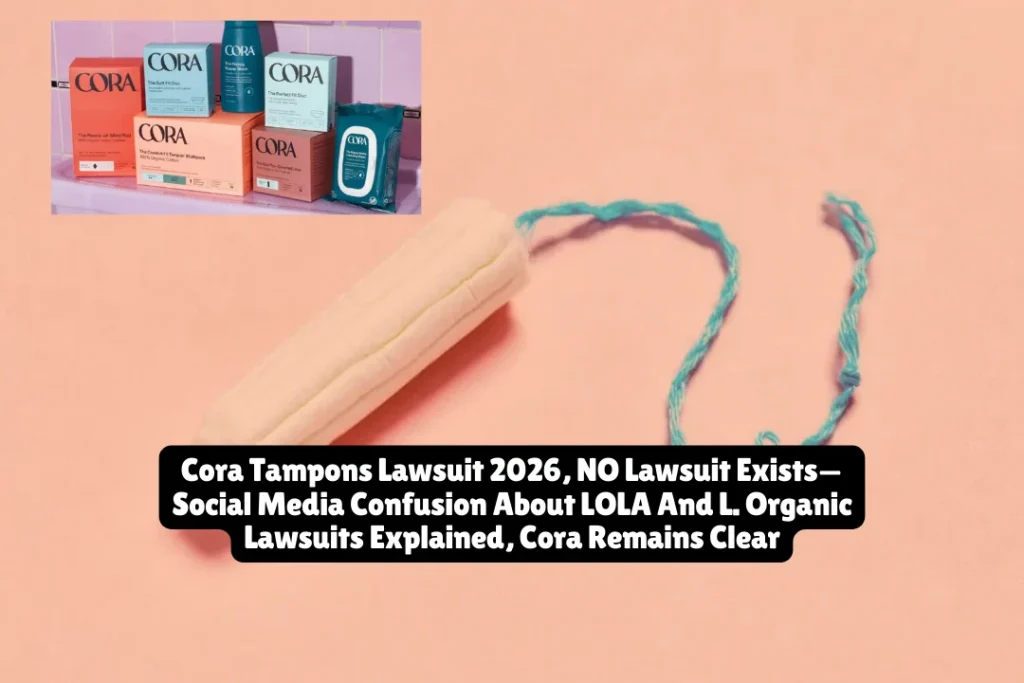
As of June 2025, Cora has not been named in any active lawsuits involving product safety, false advertising, or heavy metal contamination. Despite widespread social media posts claiming otherwise, Cora tampons face zero legal claims as of February 2026. The confusion stems from lawsuits against competitors LOLA and L. (by Procter & Gamble), which many consumers mistakenly believe include Cora.
At the time of publication, Cora had not been named as part of any legal action on the Top Class Actions website. TikTok and Instagram posts falsely suggesting Cora is being sued have created unnecessary panic among users.
What Lawsuits Actually Exist? (Hint: Not Cora)
The tampon industry faces real litigation, but Cora isn’t involved. Plaintiff Kimberley Manson filed the class action complaint against company ALYK Inc. in a New York federal court last Wednesday, alleging the company’s LOLA tampons don’t have a protective coating to stop them from shedding inside consumers.
The LOLA lawsuit alleges tampons unravel inside users, leaving cotton fragments that require medical removal. She alleges the issue has affected dozens of consumers at least, with the complaint including examples of 30 reviews pulled from the company’s website detailing how the tampons have fallen apart inside people.
Separately, Procter & Gamble’s L. Inc. is part of a class action suit according to Top Class Actions over allegations that they used false advertising when they claimed their tampons were 100 percent organic. The lawsuit claims L. tampons contain synthetic ingredients like paraffin and titanium dioxide despite “100% organic” labeling.
Why Everyone Thinks Cora Is Being Sued
Social media created the confusion. ALLEGEDLY L pads have a lawsuit against them so im switch over to Cora, Lola, Rael and Honeypot bc thet are safe, reads a viral TikTok with 171,000 likes. Users misread the post as claiming Cora faces lawsuits when actually it recommends switching TO Cora FROM sued brands.
Similar to the Sierra Mist Lawsuit Untold Story Of False Advertising Claims, Product Liability, social media amplifies misinformation faster than facts.
The Real Industry Concern: Heavy Metals Study
A study published in Science Direct in July 2024 broke down how 30 menstrual products tested, 14 came back positive for at least one metal(loid) — like barium, cobalt, mercury, lead, and more — with one brand even testing positive for 16 different metal(loid)s.
However, the study did not name which brands tested positive for heavy metals, and Cora was not specifically identified as problematic.
What About The “Organic” Lawsuits?
The L. lawsuit highlights misleading organic claims. According to the suit, those ingredients include paraffin, glycerin, and more. Additionally, the lawsuit states that the front of the box advertises the tampons are free from dyes and chlorine bleaching. On the back label, however, there is a statement that manufacturers used titanium dioxide to make the material look white.
Cora differentiates itself by full ingredient disclosure and third-party certification. Unlike brands facing lawsuits, Cora transparently lists all ingredients on packaging and website.
Is Cora Actually Safe?
Cora markets its products as 100% organic cotton, toxin-free, and certified by Global Organic Textile Standard (GOTS). Not only are these tampons GOTS-certified and biodegradable, Cora will provide feminine hygiene products to those in need when you buy something from the company.
Third-party testing confirms Cora’s ingredient claims, unlike brands sued for discrepancies between marketing and reality.
What To Do If You Use Cora
Continue using Cora products without concern about lawsuits—none exist. If you experience any product issues, report them to FDA through MedWatch or contact Cora’s customer service directly.
Monitor official sources like Top Class Actions, court records, and FDA announcements rather than social media for accurate legal information.
FAQs
Is there a Cora tampons lawsuit?
No. As of February 2026, Cora has never been sued and faces zero active lawsuits. Social media posts confuse Cora with LOLA and L., which ARE facing litigation.
Why do people think Cora is being sued?
Viral TikTok posts recommend switching TO Cora FROM sued brands, but users misread this as claiming Cora itself faces lawsuits. The confusion is entirely social media-driven.
Which tampon brands actually have lawsuits?
LOLA faces claims that tampons unravel inside users. L. by Procter & Gamble faces false advertising claims over “100% organic” labeling despite containing synthetic ingredients like titanium dioxide.
Did Cora test positive for heavy metals?
The July 2024 study that found heavy metals in tampons did not name specific brands. Cora was not identified as testing positive for concerning levels.
Are Cora tampons actually organic?
Yes. Cora holds GOTS certification and openly lists all ingredients. Unlike sued brands, no evidence suggests discrepancies between Cora’s marketing and actual ingredients.
Should I stop using Cora?
No reason to stop. Cora faces no lawsuits, maintains third-party certifications, and has no verified safety complaints similar to brands facing litigation.
How do I verify if a tampon brand is safe?
Check FDA recalls, Top Class Actions website, court records, and third-party certifications like GOTS. Avoid relying solely on social media for legal or safety information.
Last Updated: February 14, 2026
Disclaimer: This article provides general information about tampon industry litigation and is not legal advice. Cora faces no lawsuits as of February 2026.
What To Do: If you have product safety concerns, report to FDA MedWatch and check official legal databases rather than social media for verified information.
Stay informed, stay protected. — AllAboutLawyer.com
About the Author

Sarah Klein, JD, is a licensed attorney and legal content strategist with over 12 years of experience across civil, criminal, family, and regulatory law. At All About Lawyer, she covers a wide range of legal topics — from high-profile lawsuits and courtroom stories to state traffic laws and everyday legal questions — all with a focus on accuracy, clarity, and public understanding.
Her writing blends real legal insight with plain-English explanations, helping readers stay informed and legally aware.
Read more about Sarah