
Omegaverse Lawsuit Settled 2020, Copyright Case Over Fan Fiction Tropes Closed After DMCA Abuse Claims
The omegaverse lawsuit between authors Zoey Ellis and Addison Cain concluded in July 2020 when the federal court case was dismissed. Ellis filed the lawsuit in October 2018 after Cain and her publisher Blushing Books used DMCA takedown notices to remove Ellis’s romance novels from retailers, claiming copyright infringement over shared genre tropes.
The case ended with Blushing Books admitting no plagiarism occurred and settling with Ellis in 2019. The lawsuit against Addison Cain was later dismissed. The case raised critical legal questions about whether authors can own common storytelling elements in fan-created genres like omegaverse fiction.
What Sparked The Omegaverse Copyright Battle
In April 2018, Addison Cain’s publisher Blushing Books filed DMCA takedown notices against Zoey Ellis’s “Myth of Omega” book series. The complaint alleged Ellis plagiarized Cain’s “Alpha’s Claim” series.
Multiple retailers removed Ellis’s books for at least three months. Amazon refused to take them down. One book targeted for removal hadn’t even been published yet, causing Ellis to lose preorders.
The DMCA notices claimed Ellis copied protected elements from Cain’s work. However, both authors wrote in the omegaverse genre, which features specific tropes developed by thousands of fan fiction writers over decades.
Ellis Fights Back With Federal Lawsuit
In October 2018, Ellis’s company Quill Ink Books Limited filed two separate lawsuits in federal court. The complaints targeted both Blushing Books and Addison Cain personally.
Ellis alleged misuse of DMCA takedown procedures under Section 512(f) of the Digital Millennium Copyright Act. The lawsuit also included claims for defamation, tortious interference, and false light invasion of privacy.
According to court documents filed in the U.S. District Court for the Eastern District of Virginia, Ellis argued that common omegaverse tropes cannot be copyrighted. Elements like alpha/beta/omega dynamics, heat cycles, and dystopian settings appear in over 60,000 published fan fiction stories.
Similar disputes over creative ownership rights have appeared in cases like the Anthropic Lawsuit Settlement, Historic AI Copyright Agreement Sets New Legal Precedent.
Publisher Admits No Plagiarism, Settles In 2019
Blushing Books became the first defendant to settle. In 2019, the publisher issued a public statement admitting there was no plagiarism and acknowledging the DMCA notices were invalid.
The settlement included undisclosed financial compensation to Ellis. Blushing Books parted ways with Addison Cain following the settlement.
The lawsuit against Cain continued through 2019 and 2020. Court filings show extensive discovery battles over whether specific plot elements constituted protected expression or unprotectable genre conventions.
Case Closed July 2020, No Court Ruling On Tropes
The omegaverse lawsuit officially closed in July 2020. The case against Addison Cain was dismissed without establishing legal precedent on whether fan fiction tropes can be copyrighted.
By August 2020, three of Ellis’s four claims had been resolved. The case never went to trial, meaning no judge issued a ruling on the core copyright question.
Legal experts note this outcome is common in copyright disputes. Like the Kaceytron Lawsuit 2026, Streamer Settled With Ethan Klein In December 2025, Paid Settlement Plus GoFundMe Donations After Copyright Infringement Claims, many copyright cases settle before establishing binding precedent.
Why The Omegaverse Case Matters For Copyright Law
The lawsuit exposed tension between copyright protection and collaborative genre creation. Omegaverse originated in fan fiction communities on platforms like Archive of Our Own, where thousands of writers built shared storytelling conventions.
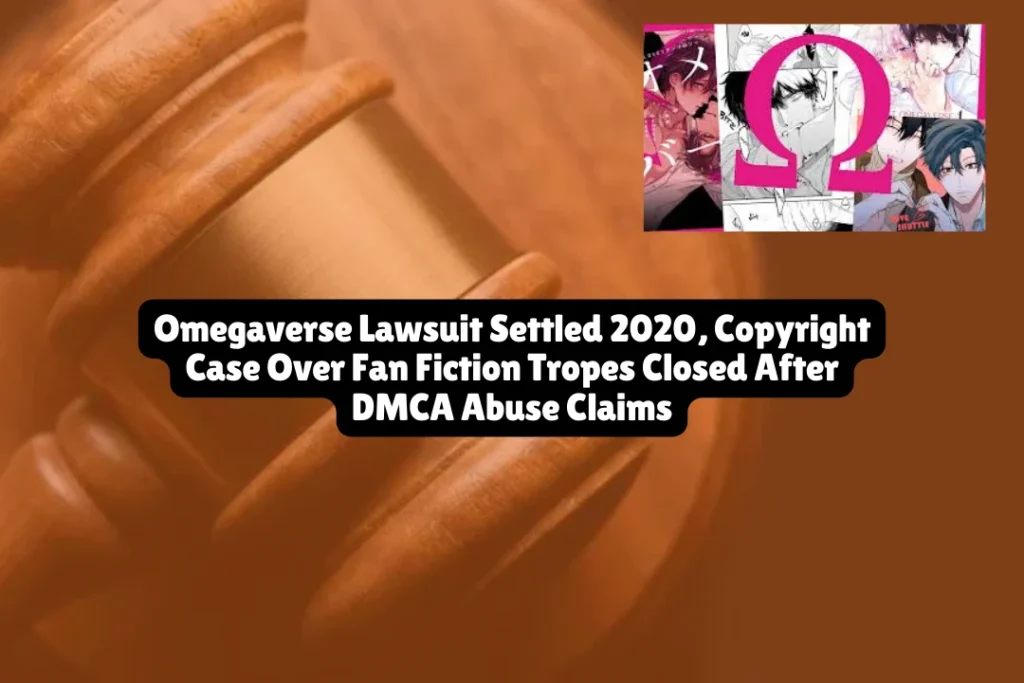
Copyright law protects specific creative expression but not general ideas or genre tropes. The lawsuit raised questions about where that line falls when genres develop collaboratively online.
YouTuber Lindsay Ellis created two viral videos analyzing the case in September and October 2020. Cain’s attorneys sent Ellis a legal threat letter, claiming the videos contained defamatory content. The Electronic Frontier Foundation defended Ellis, arguing her commentary qualified as fair use.
Cases involving copyright and fair use continue to shape digital content creation, as seen in the Turtle WoW Lawsuit, Blizzard’s $1 Million Copyright Infringement Case.
What Content Creators Should Know
The omegaverse lawsuit demonstrates the risks of using DMCA takedowns to target competitors. Section 512(f) allows victims of false DMCA claims to sue for damages.
Authors writing in established genres should understand that genre conventions, character archetypes, and common plot structures typically cannot be copyrighted. Only specific creative expression receives copyright protection.
If you receive a DMCA notice you believe is invalid, consult an intellectual property attorney immediately. The law provides remedies for DMCA abuse, but strict deadlines apply.
Last Updated: January 30, 2026
Disclaimer: This article provides general information only and does not constitute legal advice.
Need Legal Help? Consult a copyright attorney if you’re facing DMCA claims or copyright disputes.
Stay informed, stay protected. — AllAboutLawyer.com
About the Author

Sarah Klein, JD, is a licensed attorney and legal content strategist with over 12 years of experience across civil, criminal, family, and regulatory law. At All About Lawyer, she covers a wide range of legal topics — from high-profile lawsuits and courtroom stories to state traffic laws and everyday legal questions — all with a focus on accuracy, clarity, and public understanding.
Her writing blends real legal insight with plain-English explanations, helping readers stay informed and legally aware.
Read more about Sarah