
Amanda Plasse Mother Lawsuit, $110,000 Settlement Reached for Crime Scene Photo Misconduct, Family Continues Fight as Killer Gets 2028 Parole Hearing
Michelle Penna, the mother of murdered 20-year-old Amanda Plasse, sued the City of Chicopee and its police department for $10 million in June 2015 after two officers took unauthorized photographs of her daughter’s body at the crime scene and shared them with colleagues and members of the public. The lawsuit, filed in U.S. District Court in Springfield, Massachusetts, settled for $110,000 later that year. As of February 2026, Penna faces a new legal battle as her daughter’s convicted killer Dennis Rosa-Roman became eligible for parole following a 2024 Massachusetts Supreme Judicial Court ruling that found mandatory life sentences without parole for offenders under age 21 unconstitutional.
What the Amanda Plasse Mother Lawsuit Was About
The federal civil rights lawsuit centered on the actions of two Chicopee Police Department officers who responded to Amanda Plasse’s murder scene on August 26, 2011. After Plasse was found stabbed to death in her School Street apartment in Chicopee, Massachusetts, a police sergeant and patrol officer used their personal cell phones to photograph her body and the bloody crime scene. According to court documents filed in the case, these officers then shared the graphic images with other department members and civilians, including one officer who reportedly showed the photos to coaches at a youth football game.
Michelle Penna (formerly Michelle Mathieson), along with her daughter Aimee Lee Plasse and son Nicholas Plasse, filed the lawsuit on June 2, 2015, seeking damages for emotional distress, invasion of privacy, and violations of their constitutional rights under 42 U.S.C. Section 1983. The complaint alleged the officers’ conduct constituted intentional infliction of emotional distress and violated the family’s right to be free from government intrusion into deeply personal family matters. The family sought $10 million in compensatory and punitive damages from the City of Chicopee, the police department, and the individual officers involved.
An internal affairs investigation conducted by the Chicopee Police Department found the officers’ behavior was “an affront to the professionalism otherwise demonstrated by the Chicopee and state police investigators in the case.” The officers were disciplined internally, and Chicopee Mayor Richard Kos issued a written public apology to the Plasse family. Despite these actions, Penna told ABC News in January 2026 that the lawsuit “wasn’t about the money—it was about proving the point” that law enforcement violated her daughter’s dignity at her most vulnerable moment.
How Much the Settlement Paid and When It Was Finalized
The lawsuit settled for $110,000 in 2015, according to multiple news sources including ABC News and WAMC public radio. Court records show the settlement was reached through negotiations between the family’s attorneys and the City of Chicopee’s legal representatives before the case went to trial. The settlement amount was significantly lower than the initial $10 million demand but avoided the uncertainty, expense, and emotional toll of a prolonged federal civil rights trial.
The settlement payment structure and distribution timeline have not been publicly disclosed, as most civil settlement agreements include confidentiality clauses regarding payment terms. However, typical municipal settlements of this nature involve a lump-sum payment distributed within 30 to 90 days of the settlement agreement being signed by both parties and approved by the city council or relevant municipal authority. The family did not receive any admission of wrongdoing as part of the settlement—a standard provision in civil rights settlements where municipalities agree to pay damages while denying liability.
According to WAMC reporting from August 2022, some sources indicated the settlement amount was $100,000 rather than $110,000, though ABC News and other outlets consistently reported $110,000. This minor discrepancy may reflect differences in how the total settlement value was calculated or reported, but the consensus among major news sources places the figure at $110,000.
The Criminal Case: Dennis Rosa-Roman’s Murder Conviction and Current Legal Status
While the civil lawsuit against the police department concluded in 2015, the criminal prosecution of Amanda Plasse’s killer followed a separate timeline. Dennis Rosa-Roman was arrested in October 2013—more than two years after Plasse’s August 2011 murder—after investigators reviewing crime scene photographs discovered the name “Dennis” written on a whiteboard in Plasse’s apartment. Police cross-referenced phone records and identified Rosa-Roman, who had a prior criminal record for breaking and entering and domestic assault and battery involving a former fiancée.
Related Article: Tokyo Valentino Lawsuit, DeKalb Revokes Building Permit, Multiple Georgia Locations Face Closure Over Zoning Violations 2026
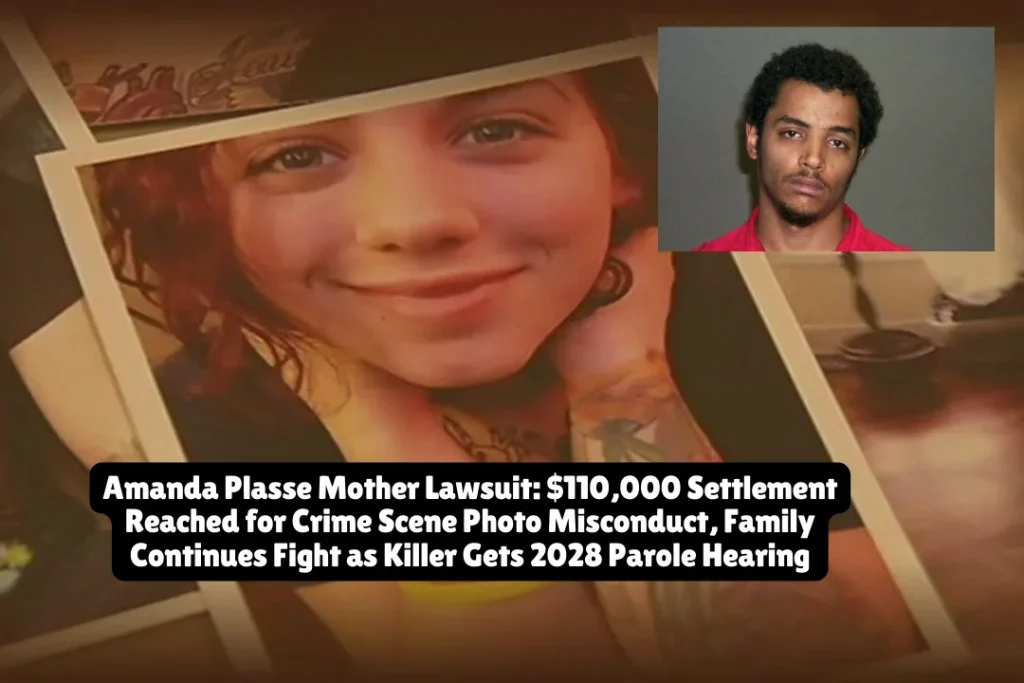
Rosa-Roman was convicted of first-degree murder in 2016 after an eight-day trial in Hampden County Superior Court. Prosecutors presented DNA evidence linking Rosa-Roman to the crime scene, along with forensic analysis of a bloody footprint from a Nike Air Max shoe found in Plasse’s apartment that matched Rosa-Roman’s shoe size. The jury deliberated for approximately five hours before returning a guilty verdict. Rosa-Roman was sentenced to life in prison without the possibility of parole and has maintained his innocence, claiming in appeals that he only tried to help Plasse after someone else stabbed her.
The Massachusetts Supreme Judicial Court denied Rosa-Roman’s appeal for a new trial in 2020, upholding his conviction and life sentence. However, in a separate 2024 ruling addressing sentencing practices statewide, the SJC determined that mandatory life sentences without parole for “emerging adults” aged 21 and younger constitutes cruel and unusual punishment under the Massachusetts Constitution. Because Rosa-Roman was 20 years old at the time of Plasse’s murder, he became retroactively eligible for parole consideration.
What You Must Know About the 2024 Parole Eligibility Ruling
The October 2024 Massachusetts Supreme Judicial Court decision affects more than 200 incarcerated individuals statewide who were sentenced to life without parole for crimes committed before they turned 21. The ruling requires the state parole board to conduct individualized hearings to determine whether these offenders have been rehabilitated and no longer pose a public safety risk. This does not guarantee release—it only provides the opportunity for parole consideration.
Rosa-Roman’s first parole hearing is scheduled for 2028, according to a notification letter Michelle Penna received in October 2025. At this hearing, the Massachusetts Parole Board will review evidence of Rosa-Roman’s conduct during incarceration, participation in rehabilitation programs, mental health assessments, and the circumstances of the original crime. Victims’ families have the right to attend parole hearings, submit written victim impact statements, and testify about how release would affect them.
The Hampden County District Attorney’s Office released a statement strongly criticizing the SJC ruling: “A jury found Dennis Rosa-Roman guilty of murder in the first degree for the brutal killing of Amanda Plasse, and he was sentenced to life in prison without the possibility of parole. The Supreme Judicial Court decided recently that a life sentence without the possibility of parole for those 21 years of age and younger amounts to ‘cruel and unusual punishment.’ I disagree, particularly when the killing was committed in a pre-meditated and atrocious fashion.”
Similar challenges to life-without-parole sentences for young offenders have succeeded in other states, reflecting evolving legal standards regarding adolescent brain development and rehabilitation capacity. In Miller v. Alabama (2012), the U.S. Supreme Court held that mandatory life without parole sentences for juveniles under 18 violated the Eighth Amendment, though that ruling did not extend to offenders aged 18 to 20.
Amanda’s Law: The Lasting Legal Legacy
The most significant outcome of the Plasse family’s advocacy is the passage of “Amanda’s Law” in Massachusetts in 2022. This legislation makes it a misdemeanor punishable by up to one year in jail and/or a $2,000 fine for first responders to take and share unauthorized photographs of crime scenes or deceased victims. The law includes exemptions for officers wearing body cameras or capturing images specifically for evidentiary purposes.
State Representative Joe Wagner, a Chicopee Democrat, first introduced the legislation in 2013 but it failed to pass multiple times before finally clearing both the House and Senate during the final formal session in July 2022. Governor Charlie Baker signed it into law on August 4, 2022. Wagner credited the Plasse family’s tireless advocacy: “From that tragedy will come a good piece of law that will help other families who have family members who are victims of serious crimes,” he told WWLP-TV.
The law applies to all first responders including police officers, firefighters, emergency medical personnel, and crime scene investigators across Massachusetts. It does not apply to photographs taken by medical examiners, forensic specialists acting within their official duties, or officers documenting evidence through department-issued equipment following proper chain-of-custody protocols.
What to Do Next If You’re Affected by the Parole Hearing
If you are a family member of a crime victim whose convicted offender is becoming eligible for parole under the 2024 Massachusetts SJC ruling, you have several legal rights and options. First, register with the Massachusetts Parole Board’s victim notification system at mass.gov/orgs/massachusetts-parole-board to receive automatic alerts about upcoming hearings, parole decisions, and changes to the offender’s custody status.
Second, prepare a written victim impact statement describing how the crime affected your life and how the offender’s release would impact your safety and well-being. The parole board is required to consider victim statements when making release decisions. You can also request to testify in person at the parole hearing—many victims’ rights advocates recommend attending hearings whenever possible, as personal testimony often carries significant weight.
Third, consider consulting with a victims’ rights attorney or contacting victims’ services organizations such as the Massachusetts Office for Victim Assistance (MOVA) at 617-586-1340 for free support navigating the parole process. Similar cases involving Jayda Cheaves Lawsuit, Influencer Wins Millions After Walgreens Employee Exposed Her Private Medical Records demonstrate how privacy violations in sensitive cases can result in legal remedies and policy changes.
For information about civil rights lawsuits against police departments for misconduct, you can review related resources on Lawsuits to understand how families pursue accountability when law enforcement violates constitutional rights.
Does This Mean Dennis Rosa-Roman Will Be Released in 2028?
No. The 2028 date represents when Rosa-Roman becomes eligible for his first parole hearing—not when he will be released. At the hearing, the Massachusetts Parole Board will conduct a comprehensive review of his case, institutional conduct, rehabilitation efforts, mental health evaluations, and risk assessment. The board can deny parole and require Rosa-Roman to serve additional time before his next hearing. Many first-time parole hearings for violent offenders result in denial.
What Legal Claims Did the Family File in the Civil Lawsuit?
The lawsuit asserted claims under 42 U.S.C. Section 1983 for violations of constitutional rights, intentional infliction of emotional distress, invasion of privacy, and municipal liability for failing to properly train and supervise officers. Section 1983 allows individuals to sue government officials and entities for civil rights violations committed under color of state law. The family alleged the officers’ conduct violated their Fourteenth Amendment right to familial privacy and their right to be free from government actions that shock the conscience.
Why Did the Settlement Amount Differ From the Initial Demand?
Civil lawsuits commonly settle for amounts significantly below initial demands because both sides weigh litigation risks. The family faced challenges proving the exact monetary value of emotional distress, while the city risked higher damages if a jury found the officers’ conduct particularly egregious. The $110,000 settlement likely reflected compromises regarding provable damages, litigation costs, and the city’s desire to avoid the publicity of a trial.
Can Other Families Sue Police for Taking Crime Scene Photos?
Yes, particularly now that Amanda’s Law establishes clear standards. Families can pursue civil rights lawsuits under Section 1983 for constitutional violations and state tort claims for intentional infliction of emotional distress. Amanda’s Law also creates a criminal violation, which can strengthen civil claims by demonstrating clear unlawful conduct. However, proving damages requires showing actual harm suffered as a result of the photographs being taken or shared.
How Does the Parole Ruling Affect Other Massachusetts Families?
The 2024 SJC decision impacts over 200 families statewide whose loved ones’ killers were sentenced to life without parole for crimes committed before age 21. Each affected offender will receive individualized parole hearings where the board considers rehabilitation and public safety. Families have criticized the ruling for forcing them to relive trauma repeatedly at parole hearings and argued the SJC failed to consider the impact on victims’ families.
What Is the Process for Opposing Parole at a Hearing?
Victims’ families can submit written statements to the parole board before the hearing, attend the hearing in person to testify, bring support persons or attorneys, and present evidence about the crime’s impact and concerns about the offender’s release. The parole board must consider victim input but is not required to follow victims’ recommendations. After the hearing, the board issues a written decision explaining its reasoning for granting or denying parole.
Where Can I Find Official Court Documents About This Case?
Court records for the civil lawsuit are available through the U.S. District Court for the District of Massachusetts Public Access to Court Electronic Records (PACER) system at pacer.uscourts.gov. Criminal case records for Dennis Rosa-Roman’s murder conviction can be accessed through the Massachusetts Trial Court Electronic Case Access system or by requesting documents from the Hampden County Superior Court clerk’s office.
Has Michelle Penna Continued Advocacy Work Beyond Amanda’s Law?
Yes, Michelle Penna has remained active in victims’ rights advocacy. In interviews following the passage of Amanda’s Law, she stated she aims to live by one of Amanda’s mantras: “Keep your face to the sun. Never look back at your shadows.” She has participated in legislative hearings, spoken at victims’ rights events, and continues working to ensure the 2024 parole ruling does not result in Rosa-Roman’s release.
Last Updated: February 2, 2026
Disclaimer: This article provides general information about the Amanda Plasse civil lawsuit and criminal case and should not be considered legal advice.
Need guidance? If you’re a crime victim’s family member facing a parole hearing or considering a civil rights lawsuit against law enforcement, consult with a victims’ rights attorney or civil rights lawyer to understand your options.
Stay informed, stay protected. — AllAboutLawyer.com
About the Author
Sarah Klein, JD, is a licensed attorney and legal content strategist with over 12 years of experience across civil, criminal, family, and regulatory law. At All About Lawyer, she covers a wide range of legal topics — from high-profile lawsuits and courtroom stories to state traffic laws and everyday legal questions — all with a focus on accuracy, clarity, and public understanding.
Her writing blends real legal insight with plain-English explanations, helping readers stay informed and legally aware.
Read more about Sarah