
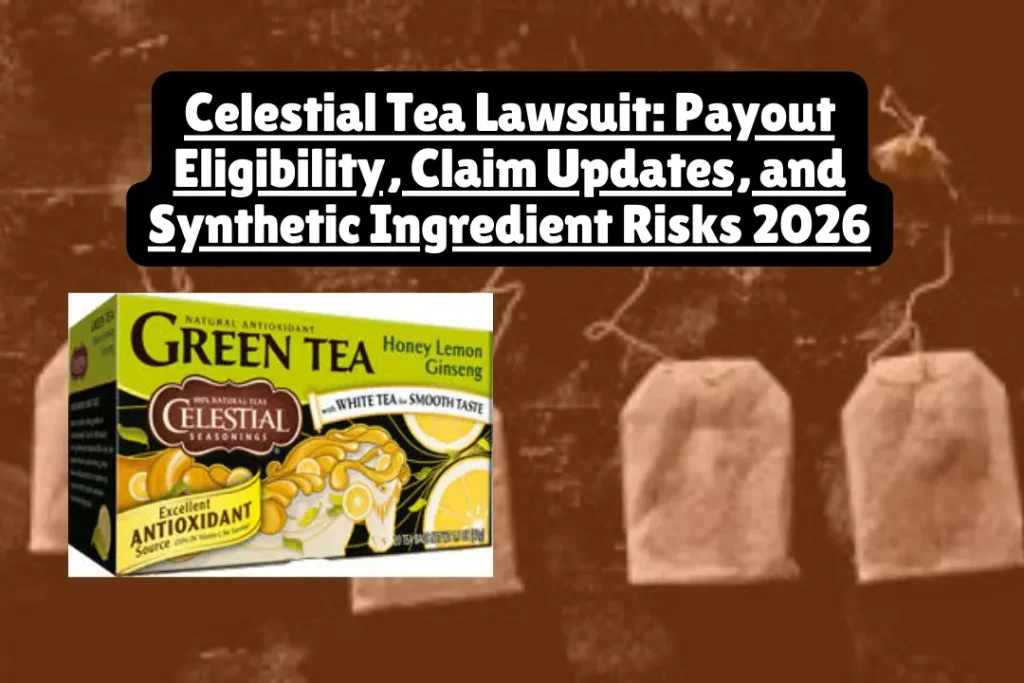
Celestial Tea Lawsuit, Payout Eligibility, Claim Updates, and Synthetic Ingredient Risks 2026
A significant new class action lawsuit was filed against Celestial Seasonings, Inc. on January 8, 2026, alleging that several of its popular herbal teas are falsely advertised as “all natural.” The case, Carpenter, et al. v. Celestial Seasonings, Inc. (Case No. 1:26-cv-00086), claims the company uses synthetic citric acid as a flavoring agent despite labels promising “no artificial flavors.” As of January 30, 2026, the litigation is active in the U.S. District Court for the District of Colorado, with consumers seeking compensation for what they describe as a deceptive “price premium” on these products.
What the Celestial Tea Lawsuit Involves
The core of this legal dispute centers on the use of citric acid in products marketed with “clean labels.” While many consumers associate citric acid with citrus fruits, the lawsuit alleges that the version used in Celestial Seasonings tea is a chemically manufactured substance. According to the complaint, approximately 99% of industrial citric acid is produced by fermenting a specific mold strain, Aspergillus niger, using chemical solvents.
The plaintiffs argue that by labeling the teas as “Naturally Flavored with Other Natural Flavors” and stating they use “no artificial flavors,” Celestial Seasonings misled reasonable consumers. The lawsuit specifically identifies five varieties at the heart of the claim:
- Lemon Zinger Herbal Tea
- Peach + Probiotics Herbal Tea
- Country Peach Passion Herbal Tea
- Jammin’ Lemon Ginger Herbal Tea
- Wild Berry Zinger Herbal Tea
Current Status and Recent Updates (January 2026)
As of late January 2026, the case is in its earliest stages of federal litigation.
- Filing Date: January 8, 2026
- Court: U.S. District Court for the District of Colorado
- Current Status: Active Litigation (Motion to Dismiss Phase pending)
Recent Update: On January 23, 2026, legal news wires confirmed that the plaintiffs are seeking to represent a nationwide class of consumers, with specific subclasses for residents of Illinois, Washington, Minnesota, and New York. While Celestial Seasonings has not yet issued a formal courtroom response, the company has historically defended its “Blended with Care” philosophy, maintaining that its flavors are derived from real ingredients. There is currently no settlement or claim form available, as the court must first decide if the case can proceed to discovery.
Potential Compensation and Relief Sought
The lawsuit seeks statutory damages, punitive damages, and injunctive relief. In similar consumer protection litigation like happend in hair-relaxer-lawsuit, if a settlement is eventually reached, claimants often receive a payout based on the number of products purchased.
Typically, payouts in false advertising cases range from $5 to $25 per household without receipts, or potentially more for those who can prove extensive purchases. The plaintiffs also demand that Celestial Seasonings change its packaging to accurately reflect the presence of synthetic ingredients, ensuring future shoppers aren’t paying a higher price for “all-natural” claims that the lawsuit alleges are false.
Related Article: Workday AI Bias Lawsuit, Why Millions Were Rejected by Algorithms and the 2026 “Opt-In” Payout Deadline
What You Must Know
1. The “Citric Acid” Legal Loophole
A common mistake consumers make is assuming that all “citric acid” on an ingredient list is natural. Under 21 CFR 101.22(i), the FDA has specific rules about how flavors must be characterized. The lawsuit argues that because Celestial Seasonings lists citric acid separately from “natural flavors,” it is effectively admitting the ingredient is a manufactured additive used to enhance tartness, rather than a natural extract.
2. Why This is Not a Pesticide Lawsuit
It is important to distinguish this 2026 filing from past litigation. In 2014, Celestial Seasonings faced a class action regarding trace amounts of pesticides in its tea (e.g., In Re: Hain Celestial Seasonings Products Consumer Litigation). That case was eventually dismissed or settled privately. The current 2026 case is strictly focused on synthetic flavoring and false advertising, meaning the “eligibility” criteria are entirely different.
3. Risks of Missing the “Price Premium” Argument
To succeed in this lawsuit, plaintiffs must prove they paid a price premium—meaning they would not have paid as much (or bought the product at all) if they had known it contained synthetic citric acid. For you, this means your “right to recovery” depends on the “net impression” the box gave you at the time of purchase in your local grocery store.
What to Do Next
How to Determine Your Eligibility
If you purchased any of the five “Zinger” or “Peach” varieties listed above for household use between January 8, 2022, and January 2026, you are a potential member of the proposed class. You do not need to “join” the suit yet; if a class is certified, you will be included automatically unless you choose to opt out later.
Action Steps to Take Now
- Stop Tossing Receipts: If you are a frequent tea drinker, start saving your digital or physical receipts. While membership cards at stores like Costco or Kroger track purchases, having your own records is the best way to maximize a future claim.
- Monitor the Docket: You can track the progress of Carpenter v. Celestial Seasonings (1:26-cv-00086) through the PACER system.
- Check for Official Notices: Once a settlement is reached, a Settlement Administrator will launch a dedicated website (e.g., https://www.google.com/search?q=www.CelestialTeaSettlement.com). We will update this page the moment that URL goes live.
When to Consult a Lawyer
If you believe you have suffered a specific health reaction to the synthetic additives in these teas, a personal injury claim might be more appropriate than a standard class action. For most consumers, however, the class action is the most efficient way to seek a refund.
FAQs
Is there a Celestial Tea settlement website for 2026?
No. As of January 30, 2026, there is no settlement website because the lawsuit was just recently filed. A website only appears after a judge approves a preliminary settlement agreement.
Which Celestial Seasonings teas are part of the lawsuit?
The 2026 lawsuit specifically names Lemon Zinger, Peach + Probiotics, Country Peach Passion, Jammin’ Lemon Ginger, and Wild Berry Zinger.
How much money can I get from the Celestial Tea lawsuit?
The payout hasn’t been determined. If the case settles, expected payouts generally range from $1.00 to $5.00 per box purchased, often capped at a certain amount per household.
Do I need a receipt to file a claim?
In most false advertising settlements, you can claim a small number of products (usually 2–5) without a receipt, but proof of purchase is required for higher payout amounts.
Is Celestial Seasonings tea safe to drink?
The lawsuit is about false advertising, not safety. The plaintiffs do not claim the tea is toxic; they claim it is “synthetic” rather than “natural,” which affects the price consumers are willing to pay.
Who is the lead plaintiff in the 2026 case?
The lead plaintiff is Michelle Carpenter, an Illinois resident who filed the complaint in Colorado federal court on behalf of consumers nationwide.
What has Celestial Seasonings said in response?
The company has not yet filed a formal answer in court as of late January 2026, but they typically maintain that their ingredients meet all FDA safety and labeling standards.
Last Updated: January 30, 2026
Disclaimer: This article is for informational purposes only and does not constitute legal advice.
Stay informed, stay protected. — AllAboutLawyer.com
About the Author

Sarah Klein, JD, is a licensed attorney and legal content strategist with over 12 years of experience across civil, criminal, family, and regulatory law. At All About Lawyer, she covers a wide range of legal topics — from high-profile lawsuits and courtroom stories to state traffic laws and everyday legal questions — all with a focus on accuracy, clarity, and public understanding.
Her writing blends real legal insight with plain-English explanations, helping readers stay informed and legally aware.
Read more about Sarah