
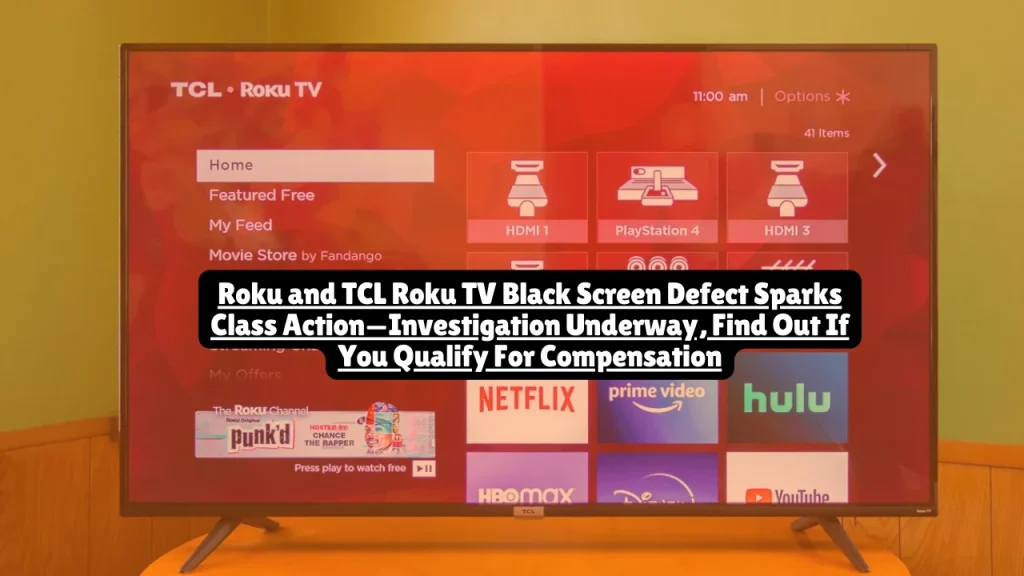
Roku and TCL Roku TV Black Screen Defect Sparks Class Action—Investigation Underway, Find Out If You Qualify For Compensation
A class action lawsuit investigation is underway after thousands of Roku TV and TCL Roku TV owners reported black screen defects that render their televisions unusable. If you purchased a Roku TV or TCL Roku TV that experienced a black screen while audio continued playing, you may be eligible to join the lawsuit and seek compensation.
The law firm Schonbrun Seplow Harris Hoffman & Zeldes, LLP is leading the investigation and accepting case submissions from affected consumers. This comes as frustration mounts over warranty denials and forced arbitration agreements appearing on-screen.
What Is the Black Screen Defect
The black screen defect affects various Roku TV and TCL Roku TV models across multiple years. Owners report their television screens suddenly go completely black while audio continues to play normally. Some describe additional symptoms including flashing screens or completely white screens that make the TV impossible to watch.
The defect typically occurs within the first two years of ownership—conveniently just outside the standard warranty period. TCL offers a limited one-year warranty on its TVs, which often expires before the black screen problem manifests. Roku’s warranty typically covers only its streaming hardware, not the television display components where the defect occurs.
Consumer complaints on repair forums and social media show this is a widespread, systematic problem affecting thousands of units, not isolated incidents. Technical analysis suggests the issue stems from failed LED backlight strips or defective backlight driver boards in the television panels.
The Forced Arbitration Complication
Adding insult to injury, many affected owners report that when they attempt to use their defective TVs, updated Terms of Service appear directly on-screen. The device becomes completely unusable until users agree to new arbitration clauses that explicitly waive the right to sue Roku or join class action lawsuits.
This forced arbitration strategy appeared in updated Terms of Service rolled out in 2024. Users cannot access their TVs—even to troubleshoot the black screen defect—without first agreeing to give up their legal rights. Consumer protection advocates have criticized this practice as coercive, particularly when implemented on already-defective products.
Which Devices Are Affected
The black screen defect has been reported across multiple Roku TV and TCL Roku TV models and model years. While the investigation is ongoing and the full scope continues to expand, consumer reports indicate the problem affects:
TCL Roku TV models from approximately 2019-2024, including popular sizes like 55-inch, 65-inch, and 75-inch displays. Multiple model series appear affected, including the S-series (S405, S425) and other product lines.
Roku-branded TVs from various manufacturers that use Roku’s operating system and display technology also show similar defect patterns.
The investigation is still identifying all affected model numbers and manufacturing dates. If you experienced this defect on any Roku TV or TCL Roku TV purchased within the last several years, you may qualify regardless of specific model number.
Why Warranties Often Don’t Cover This Defect
Consumer frustration centers on manufacturers’ refusal to honor warranty claims for this defect. Roku’s warranty typically applies only to its streaming hardware components—the software and operating system—not to the physical television display panels and LED components where the black screen defect occurs.
TCL’s limited one-year warranty creates a catch-22: the defect frequently doesn’t manifest until 12-24 months after purchase, conveniently outside the warranty window. Multiple consumers report being told by customer service representatives that the issue “is not covered,” leaving them with expensive repairs or worthless televisions.
When owners contact customer service, they often receive generic troubleshooting advice like unplugging and replugging the TV, performing factory resets, or adjusting picture settings. These solutions rarely fix hardware defects like failed LED strips or defective backlight driver boards.
The pattern suggests potential manufacturing defects that companies knew or should have known about but failed to disclose to consumers at the point of sale. Similar Dexcom G7 Lawsuit, Class Action Over Failed Alerts And FDA Recalls Rocks Diabetes Device Market cases have established that manufacturers cannot escape liability by using short warranty periods for known defects.
What Compensation May Be Available
Class action lawsuits for defective consumer electronics typically seek multiple forms of relief. Based on similar product defect cases like the Tide Pods Class Action Lawsuit, Consumers Fight Back Against Defective Products And False Advertising, affected Roku and TCL Roku TV owners may be entitled to:
Full Refunds: Compensation for the purchase price of defective televisions that cannot be repaired.
Repair Reimbursement: Coverage for out-of-pocket costs consumers paid to repair the black screen defect, including replacement LED strips, backlight driver boards, or professional repair services.
Replacement Units: Provision of functioning replacement televisions for owners of defective units.
Damages: Additional compensation for breach of warranty, unjust enrichment, and consumer protection violations under state laws.
The exact compensation will depend on lawsuit outcomes, settlement negotiations, and how many consumers join the class action.
What You Should Do Now
If you purchased a Roku TV or TCL Roku TV that experienced the black screen defect, take these steps immediately:
Document the Defect: Take photos or videos showing the black screen while audio plays. Capture any error messages, on-screen arbitration agreements, or warranty denial correspondence.
Gather Purchase Records: Locate your original purchase receipt, warranty documents, and any repair invoices showing what you paid to fix or attempt to fix the defect.
Preserve Device Information: Note your TV’s model number, serial number, and purchase date. This information is typically found on a label on the back of the TV or in the settings menu.
Submit Your Information: Fill out the investigation form on the Schonbrun Seplow Harris Hoffman & Zeldes, LLP website (sshhzlaw.com) to be evaluated for participation in the class action.
Do Not Agree to Arbitration: If your TV displays new Terms of Service requiring arbitration agreement, understand that accepting may waive your right to participate in the class action lawsuit.
How This Fits Into Broader Consumer Protection
The Roku and TCL Roku TV black screen defect lawsuit joins a growing wave of consumer protection litigation against electronics manufacturers. The Subaru Class Action Lawsuit 2025, EyeSight Settlement Gets Final Approval—Payments Expected May 2026, Plus Completed Windshield Settlement Details demonstrates that manufacturers cannot hide behind short warranty periods when defects are widespread and systematic.
Companies increasingly use forced arbitration clauses to prevent class actions, but courts have scrutinized these practices when they’re implemented coercively on already-defective products.
Frequently Asked Questions
How do I know if my TV has the defect covered by this lawsuit?
If your Roku TV or TCL Roku TV screen went completely black while audio continued playing, you likely have the defect. Other symptoms include flashing screens or completely white screens making the TV unwatchable.
What if my warranty already expired?
Warranty expiration doesn’t prevent you from joining the class action. The lawsuit alleges the defect is a manufacturing problem that existed when you purchased the TV, regardless of when it manifested.
Can I still join if I already agreed to Roku’s arbitration clause?
Consult with class action attorneys about your specific situation. Arbitration agreements signed under coercive circumstances (like being forced to agree to use a defective product) may be challengeable.
What if I threw away my broken TV?
You can still participate if you have purchase records, photos of the defect, repair invoices, or other documentation proving you owned an affected TV and experienced the black screen issue.
How long will the lawsuit take?
Class action lawsuits typically take 2-4 years from filing to settlement or verdict. The investigation is currently in early stages, so the case hasn’t yet been formally filed in court.
Do I have to pay to join the class action?
No. Class action attorneys work on contingency, meaning they only get paid if the case succeeds. There are no upfront costs to participate.
What should I do if I’m still using my defective TV?
Document the defect thoroughly, preserve your purchase records, and fill out the investigation form. You can continue using the TV if it still functions, but don’t agree to arbitration clauses if you want to preserve class action rights.
Last Updated: January 22, 2026
Disclaimer: This article provides informational content only and does not constitute legal advice.
Take action now: If you experienced the Roku or TCL Roku TV black screen defect, preserve your evidence and submit your information to the investigation before deadlines pass.
Stay informed, stay protected. — AllAboutLawyer.com
About the Author

Sarah Klein, JD, is a licensed attorney and legal content strategist with over 12 years of experience across civil, criminal, family, and regulatory law. At All About Lawyer, she covers a wide range of legal topics — from high-profile lawsuits and courtroom stories to state traffic laws and everyday legal questions — all with a focus on accuracy, clarity, and public understanding.
Her writing blends real legal insight with plain-English explanations, helping readers stay informed and legally aware.
Read more about Sarah