
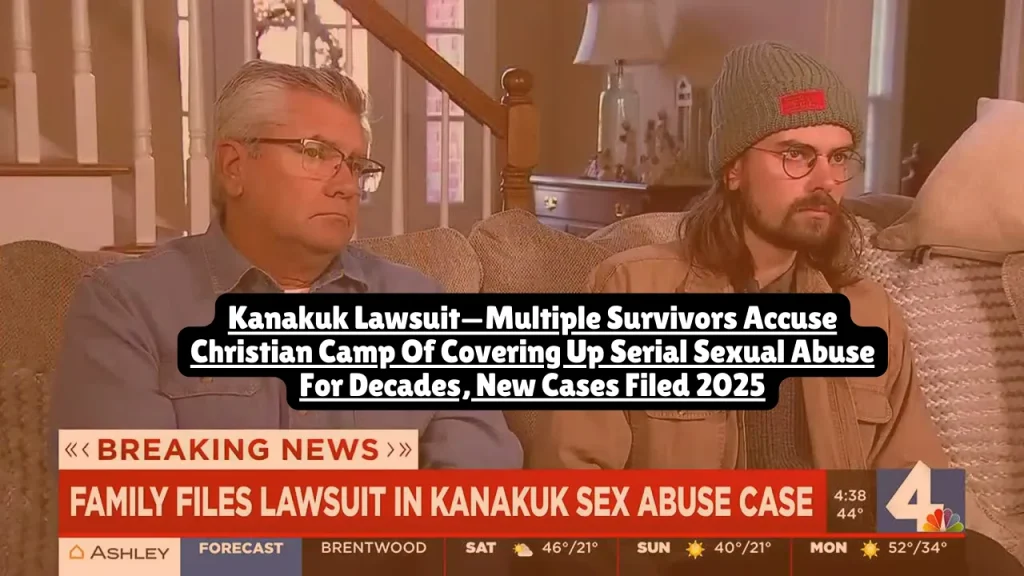
Kanakuk Lawsuit—Multiple Survivors Accuse Christian Camp Of Covering Up Serial Sexual Abuse For Decades, New Cases Filed 2025
The Kanakuk lawsuit refers to multiple ongoing civil cases alleging the Branson, Missouri Christian summer camp knowingly concealed sexual abuse by former director Pete Newman, who was convicted in 2010 of abusing children and is serving two life sentences plus 30 years. Survivors claim camp leadership received reports of Newman’s inappropriate conduct as early as 1999 but promoted him instead of firing him, enabling abuse of hundreds of children through 2009. New lawsuits filed in 2025 allege systematic institutional failure, with some survivors winning the right to proceed after courts denied Kanakuk’s dismissal motions.
The shocking part: evidence shows leadership knew for a decade and allegedly prioritized Newman’s popularity and revenue generation over child safety.
Who Pete Newman Was And What He Did To Children At Kanakuk
Pete Newman worked at Kanakuk Kamps from the late 1990s through 2009, eventually becoming director of K-Kountry camp for ages 6-11. He used his position of trust and religious authority to sexually abuse children in multiple locations: on camp property in an area called the “Party Barn,” in his personal hot tub during what he called “ministry sessions,” at campers’ family homes during recruiting trips called “Winter Trail,” and at off-site Kanakuk events.
Newman confessed in 2009 to sexually abusing “numerous children.” Prosecutors estimated the number of victims in the hundreds. Newman initially pleaded guilty to seven counts but was ultimately convicted of multiple sex crimes and sentenced to two life terms plus 30 years in prison in 2010.
The Evidence Showing Kanakuk Leadership Knew About Newman’s Behavior
Court documents and lawsuits filed by survivors reveal a disturbing pattern of ignored warning signs. Parents reported to camp leadership as far back as 1999 that Newman was swimming and four-wheeling nude with children.
In 2003, a parent witnessed her son throw away his jeans after a father-son retreat and say he never wanted to see Newman again. Between 2003 and 2006, William Cunningham, then-director of K-Kountry, advised Kanakuk leadership to fire Newman. Instead, CEO Joe White overruled the recommendation and promoted Newman to K-Kountry Director after Cunningham left.
In 2006, White learned Newman was “ministering” to children in his hot tub during evenings. According to lawsuits, White’s corrective action wasn’t prohibiting the hot tub encounters—it was merely encouraging Newman to spend more time with his own family.
The most damning evidence emerged in 2010. After Newman’s arrest, Kanakuk drafted a letter to 8,000 families admitting they became aware “several years ago” of Newman’s inappropriate conduct and failed to take necessary actions. The camp’s insurance company, ACE American Insurance (now Chubb), allegedly advised Kanakuk not to send the letter, fearing it would expose the camp to greater liability.
The Survivors Fighting For Accountability In Court
Multiple survivors have filed lawsuits alleging fraud, negligent retention, negligent supervision, and vicarious liability. Key cases include:
Logan Yandell settled with Kanakuk in 2010 for $250,000 with a non-disclosure agreement. He filed a new fraud lawsuit in November 2022, claiming White and Kanakuk lied about their knowledge of Newman’s abuse to induce the settlement. In January 2025, a judge granted summary judgment dismissing Yandell’s fraud case, ruling the claims were time-barred. Yandell appealed in June 2025.
Andrew Summersett filed suit in June 2024 alleging fraud and fraudulent concealment. Summersett claims he told Kanakuk directors about Newman’s abuse in 2009 and was told to “back off” and “not make a mess of this.” In February 2025, Judge Jessica Kruse denied Kanakuk’s motion to dismiss, allowing Summersett’s case to proceed.
Jane Doe filed a lawsuit in April 2025 alleging Newman sexually abused her in 2008 when she was nine years old at K-Kountry camp. She claims she repressed memories until 2024, which is significant for statute of limitations purposes under Missouri law allowing five years from discovery of injury.
John Doe XX, XXI, and XXII filed three separate lawsuits in November 2024 seeking to hold Kanakuk liable for portions of $5 million judgments each previously awarded against Newman personally. These cases were transferred to Christian County and survived dismissal motions.
Similar to cases involving institutional accountability like the BSA lawsuit update 2026 Supreme Court just cleared $2.46 billion for 82,000 Boy Scout abuse survivors, the Kanakuk litigation tests whether organizations can be held responsible when leadership knew about abuse but failed to protect children.
Kanakuk’s Defense Strategy And The Insurance Company Blame Game
Kanakuk has vigorously fought these lawsuits with multiple defense strategies. The camp argues Newman was a “master of deception” who fooled everyone, that leadership took immediate action upon learning of abuse by firing Newman and reporting him to authorities, and that many claims are time-barred under Missouri’s statute of limitations.
In October 2023, Kanakuk sued its own insurance company, ACE American Insurance, alleging breach of contract for refusing to defend the camp in the Yandell lawsuit. Kanakuk claimed ACE orchestrated the 2010 settlements and concealed information about Newman’s prior misconduct from families—essentially blaming the insurer for the cover-up.
Critics argue this represents blame-shifting rather than accountability. Survivor Logan Yandell stated: “What they’re now admitting is that they chose their coverage, their insurance coverage, over the well being and safety of children that were in their care.”
What Kanakuk Says Today And Its Child Protection Plan
On its website, Kanakuk acknowledges Newman’s conviction and states it identified a second abuser in 2011 who was also fired and reported to authorities. The camp emphasizes it developed a “Kanakuk Child Protection Plan” with over 340 protective elements now shared with 600+ youth-serving organizations.
Kanakuk states it supports victims’ right to share their stories and will not enforce non-disclosure agreements to prevent survivors from speaking. The camp maintains a victim support email and encourages anyone affected to reach out.
However, survivors and advocates argue these statements ring hollow when Kanakuk continues fighting in court to avoid financial liability and maintains White—who allegedly ignored warnings for years—remains as CEO.
What You Must Know
The Statute Of Limitations Battle In Missouri
Most Kanakuk cases turn on Missouri’s statute of limitations for personal injury claims: five years from the incident or five years from discovery of the injury. Many survivors didn’t recognize the full harm until adulthood, making the “discovery” date crucial.
Jane Doe’s April 2025 lawsuit specifically argues she repressed memories until 2024, potentially allowing her case to proceed despite the abuse occurring in 2008. Courts must determine whether repressed memory qualifies as delayed discovery under Missouri law.
Judge Raymond Gross dismissed Yandell’s fraud case partly because Newman’s criminal trial received extensive media coverage in 2010, meaning Yandell could have discovered contradictory information before the five-year clock expired. This creates challenging precedent for other survivors.
Cases like the 80 Roblox child sex abuse lawsuits just got consolidated demonstrate how institutional child safety failures are increasingly facing legal accountability, though statutes of limitations remain significant barriers.
Legal Theories: Can Institutions Be Held Liable For Employee Misconduct?
The Kanakuk lawsuits employ multiple legal theories to establish institutional liability. Negligent retention and supervision argue employers who knew or should have known about dangerous employees and failed to take action can be held responsible for resulting harm.
Vicarious liability seeks to hold Kanakuk responsible for Newman’s actions because he was acting within the scope of employment when he abused children—using camp authority, facilities, and recruiting trips to access victims.
Fraud claims allege Kanakuk knowingly concealed material facts about Newman’s history when settling with families, inducing settlements under false pretenses.
The John Doe XX-XXII cases test whether Kanakuk can be considered a “joint tortfeasor” with Newman, making the institution financially responsible for portions of damages already awarded against Newman personally.
What To Do Next
Resources For Kanakuk Survivors And Families
Survivors seeking support can contact RAINN (Rape, Abuse & Incest National Network) at 1-800-656-HOPE or rainn.org for confidential crisis support. ChildHelp National Child Abuse Hotline provides 24/7 support at 1-800-422-4453.
For Kanakuk-specific advocacy, Facts About Kanakuk (factsaboutkanakuk.com) documents lawsuits, maintains timelines, and connects survivors. Many survivors have found community support through this organization.
How To Access Court Documents
Missouri court filings are available through CaseNet, Missouri’s public court record system, at courts.mo.gov/casenet. Search by case number or party name. Federal cases involving Kanakuk can be accessed through PACER (pacer.gov).
Baptist News Global and The Roys Report maintain comprehensive coverage of Kanakuk litigation with links to court documents and survivor statements.
When Legal Counsel Is Appropriate
If you or your child attended Kanakuk and experienced abuse or inappropriate conduct, consult an attorney immediately. Missouri’s statute of limitations creates strict deadlines, but recent cases demonstrate some survivors can still proceed under discovery rules.
Attorneys representing Kanakuk survivors include Douglas, Haun & Heidemann (representing multiple John Doe plaintiffs), Monsees & Mayer (representing Jane Doe), Robert Thrasher (representing Yandell and Summersett), and others experienced in institutional child abuse litigation.
Frequently Asked Questions
How many children did Pete Newman abuse at Kanakuk?
Prosecutors estimated Newman abused hundreds of children, though he was only convicted on charges involving a fraction of victims. Newman confessed in 2009 to abusing “numerous children.” Court documents reference at least 57 alleged victims prior to Newman’s arrest, but the true number likely exceeds that significantly.
Is Kanakuk still operating today?
Yes, Kanakuk continues operating summer camps in Branson, Missouri and other locations. CEO Joe White—who allegedly ignored warnings about Newman—remains in leadership. The camp markets its Child Protection Plan as evidence of improved safety measures since Newman’s conviction.
Can survivors still file lawsuits against Kanakuk?
It depends on when the abuse occurred and when you discovered the harm. Missouri law allows five years from discovery of injury to file claims. Recent cases like Jane Doe’s (filed April 2025 for 2008 abuse) argue repressed memories justify delayed filing. However, the January 2025 dismissal of Yandell’s case shows courts may find media coverage of Newman’s trial started the clock years ago. Consult an attorney immediately—waiting could bar your claims forever.
What happened to the insurance company lawsuit?
Kanakuk sued ACE American Insurance (now Chubb) in October 2023, claiming the insurer breached its duty to defend and concealed Newman’s history from families during 2010 settlements. This case remains active as of January 2026. Kanakuk argues ACE controlled settlement negotiations and advised against sending the 2010 disclosure letter to families.
Did any Kanakuk lawsuits succeed?
The John Doe XX, XXI, and XXII plaintiffs previously won $5 million judgments against Newman personally. They’re now litigating whether Kanakuk shares liability for those damages. Andrew Summersett’s case survived dismissal in February 2025 and will proceed to discovery. However, Logan Yandell’s fraud case was dismissed in January 2025 (under appeal), showing mixed results for survivors.
What is “Trey’s Law” and how does it relate to Kanakuk?
Texas passed “Trey’s Law” in 2025 (effective September 2025), prohibiting non-disclosure agreements in child sexual abuse settlements. The law was named for Trey Carlock, a Kanakuk abuse survivor who died by suicide. Advocates argued Kanakuk used NDAs to silence victims and prevent public awareness of systemic abuse. The law doesn’t apply retroactively to existing Kanakuk settlements.
How can I check if my child’s camp has similar safety issues?
Research background checks and safety policies before enrollment. Ask about staff training, supervision protocols, and how the organization handles abuse allegations. Check for state licensing violations or news reports about the organization. Trust your instincts—if a counselor’s behavior seems inappropriate, report immediately to camp leadership and law enforcement, not just camp officials.
Last Updated: January 21, 2026
Disclaimer: This article provides information about ongoing litigation based on public court documents, news reporting, and official statements—it is not legal advice.
If you or someone you know experienced abuse at Kanakuk or any youth organization, know that help and legal options may be available. Document your experiences and consult experienced attorneys who understand institutional abuse cases.
Stay informed, stay protected. — AllAboutLawyer.com
About the Author

Sarah Klein, JD, is a licensed attorney and legal content strategist with over 12 years of experience across civil, criminal, family, and regulatory law. At All About Lawyer, she covers a wide range of legal topics — from high-profile lawsuits and courtroom stories to state traffic laws and everyday legal questions — all with a focus on accuracy, clarity, and public understanding.
Her writing blends real legal insight with plain-English explanations, helping readers stay informed and legally aware.
Read more about Sarah