Caitlin Clark Lawsuit, Debunking False Defamation Claims and Understanding the Real Stalking Case (2025)
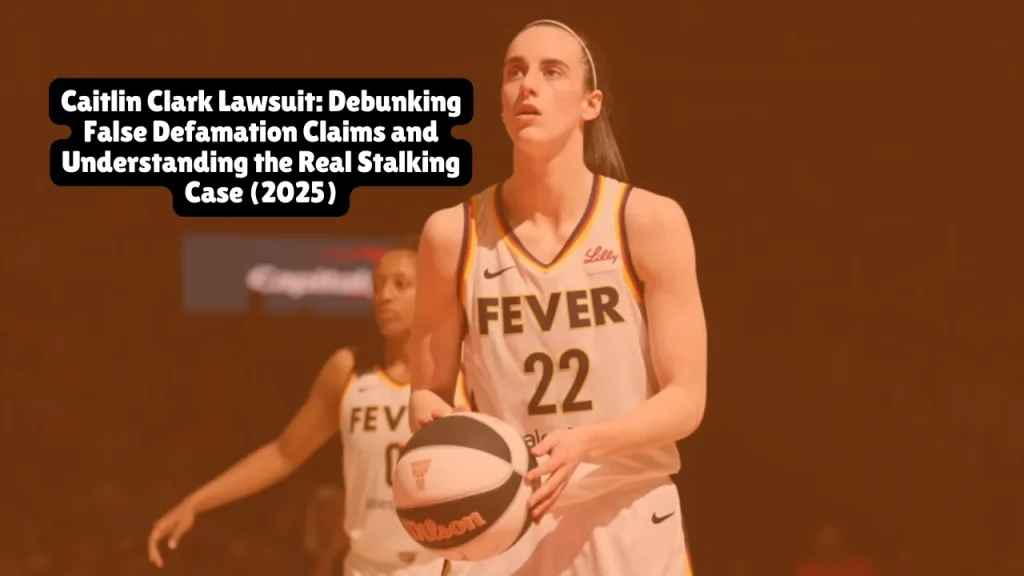
No lawsuit has been filed by Caitlin Clark against Monica McNutt, Angel Reese, or ESPN despite viral social media rumors. However, a Texas man was convicted in July 2025 of felony stalking against the Indiana Fever star. The defamation lawsuit rumors are completely false internet hoaxes, while the stalking case resulted in a 2.5-year prison sentence for Michael Lewis, who sent hundreds of threatening and sexually explicit messages to Clark.
What Is the Caitlin Clark Lawsuit About?
The phrase “Caitlin Clark lawsuit” refers to multiple false rumors that spread online throughout 2025, as well as one legitimate criminal stalking case. Understanding the difference between what’s real and what’s fabricated is critical for anyone searching for information about the WNBA star’s legal matters.
According to fact-checking from Snopes and multiple sports outlets, no civil lawsuit exists between Caitlin Clark and ESPN analyst Monica McNutt. The rumor began circulating in May 2025 after McNutt made comments about Clark during ESPN’s coverage of a WNBA game between the Indiana Fever and Chicago Sky on May 17, 2025.
Social media posts claimed Clark filed a defamation lawsuit against McNutt, with some posts stating McNutt was “in tears” over the legal action. These claims are entirely false. No court records exist in Indiana or any other jurisdiction showing such a lawsuit.
Similarly, rumors claimed Clark sued Chicago Sky player Angel Reese for $10 million over alleged harassment and defamation. EssentiallySports and other outlets confirmed these claims are also fabricated internet hoaxes with no basis in reality.
The Real Legal Case: Michael Lewis Stalking Conviction
While the defamation rumors are false, Caitlin Clark was involved in a legitimate criminal case as the victim of felony stalking. Michael Lewis, a 55-year-old Texas man, was arrested and convicted for sending hundreds of threatening and sexually explicit messages to Clark through social media platforms.
In July 2025, Lewis was sentenced to 2.5 years in prison. The court also ordered him to avoid all contact with Clark and stay away from Indiana Fever-related events. Court documents reveal Lewis sent persistent, disturbing messages that caused Clark to fear for her personal safety.
Clark provided victim impact statements to the court describing how the harassment affected her mental health and sense of security. The case highlights the serious real-world threats faced by high-profile athletes, particularly women in professional sports.
Why the Defamation Rumors Spread So Quickly
The false lawsuit rumors gained traction because they fit existing narratives about the rivalry between Caitlin Clark and Angel Reese, which dates back to their college basketball careers at Iowa and LSU. Media coverage of their competition has sometimes included racial commentary and fan arguments that extend beyond sports.
Monica McNutt’s comments on ESPN’s “Get Up” on May 19, 2025, addressed the racial dynamics surrounding how fans discuss Clark and Reese. McNutt stated that Clark is “a white girl from the middle of America” who “represented a whole lot to a lot of people,” while also emphasizing that both players are “dynamic basketball players” and forces in marketing.
Some social media users interpreted McNutt’s analysis as bias against Clark, leading to speculation that Clark might take legal action. However, McNutt’s comments constitute protected opinion and sports analysis, not defamation. Expressing an opinion about athlete popularity or making commentary on racial dynamics in sports coverage does not meet the legal definition of defamation.
Understanding Stefon Diggs defamation lawsuit shows how difficult it is for public figures to prove defamation claims, especially when statements involve subjective opinions rather than false facts.
What Defamation Law Requires for Public Figures
Caitlin Clark, as a professional athlete with widespread media coverage and endorsement deals, is legally classified as a “public figure.” This classification makes defamation lawsuits significantly harder to win.
Under New York Times Co. v. Sullivan, public figures must prove “actual malice”—that the person making the statement either knew it was false or showed reckless disregard for the truth. This is a much higher standard than what private citizens must prove.
Sports commentary, analysis, and opinions about athlete performance, popularity, or cultural impact are generally protected speech under the First Amendment. Even critical or negative commentary rarely crosses the line into actionable defamation.
The DK Metcalf faces defamation lawsuit case demonstrates how private citizens have an easier path to proving defamation compared to celebrities and athletes who face higher legal hurdles.
Civil Rights and Player Safety Discussions
While no lawsuit has been filed by Clark, legal experts and commentators have discussed potential civil rights claims based on her treatment during WNBA games. Some observers have raised concerns about whether Clark faces disproportionate physical targeting on the court compared to other players.
Reports from mid-2025 suggested some legal analysts believed federal civil rights investigations might be warranted based on allegations of differential treatment. However, as of January 2026, no confirmed federal investigation has been publicly announced by the Department of Justice or any other agency.
These discussions remain speculative and do not constitute actual legal proceedings. The WNBA has acknowledged the physicality of professional basketball while emphasizing ongoing efforts to protect all players equally.
Social Media Misinformation and Athlete Harassment
The spread of false lawsuit rumors demonstrates how quickly misinformation can circulate on platforms like Facebook, X (formerly Twitter), and TikTok. Posts claiming to have “breaking news” about lawsuits often lack credible sources, court case numbers, or verifiable attorney information.
The Michael Lewis stalking case shows a more serious problem: the real harassment and threats athletes face online. Clark’s stalking case is not unique. High-profile athletes regularly deal with obsessive fans, threatening messages, and violations of their privacy and safety.
Celebrity defamation cases require extraordinary evidence and legal strategy, as explained in the Mizkif Emiru Asmongold lawsuit where understanding what’s real versus social media speculation becomes critical.
How to Verify Legal Claims About Athletes
When you see claims about celebrity or athlete lawsuits on social media, follow these verification steps before sharing or believing the information:
Check court records through official databases like PACER for federal cases or state court websites for local filings. Real lawsuits always have case numbers, named parties, and court jurisdictions that can be verified.
Search multiple credible news sources. Major sports networks like ESPN, major newspapers, and established sports journalism outlets will report on legitimate lawsuits involving high-profile athletes. If only obscure websites or social media posts are discussing a lawsuit, it’s likely false.
Look for specific details like attorney names, law firms, dates of filing, and court locations. Vague claims without these specifics are red flags for misinformation.
Where to Find Reliable Information
For updates about Caitlin Clark or any athlete’s legal matters, rely on established sports journalism outlets, official court records, and verified statements from attorneys or representatives.
Court documents in the Michael Lewis stalking case are public record in the relevant Texas jurisdiction where the case was prosecuted. Major sports outlets including ESPN, The Athletic, and NBC Sports covered the stalking conviction with verified court information.
Avoid relying on viral social media posts, unverified blogs, or websites without clear sourcing. Many sites generate traffic by fabricating celebrity controversies or exaggerating minor incidents into major legal battles.
If you’re facing stalking, harassment, or online threats similar to what Caitlin Clark experienced, document all communications, report threats to local law enforcement, and consult with an attorney who specializes in criminal defense or victims’ rights.
Frequently Asked Questions
What is the Caitlin Clark lawsuit about?
There is no defamation lawsuit filed by Caitlin Clark. Rumors claiming she sued Monica McNutt, Angel Reese, or ESPN are completely false and have been debunked by fact-checkers. The only real legal case involving Clark is the criminal stalking conviction of Michael Lewis, who was sentenced to 2.5 years in prison in July 2025 for harassing Clark with threatening messages.
Did Caitlin Clark sue Monica McNutt for defamation?
No, this is a verified false rumor. Despite viral social media posts in May 2025 claiming Clark filed a defamation lawsuit against ESPN analyst Monica McNutt, no such lawsuit exists. Indiana court records show no filing, and no credible news outlet has reported on any such case because it never happened.
Did Caitlin Clark sue Angel Reese for $10 million?
No, this is another internet hoax. Claims that Clark filed a $10 million lawsuit against Chicago Sky player Angel Reese for harassment and defamation are completely fabricated. Both players have publicly stated they respect each other and that their rivalry is about basketball competition, not personal conflict.
What was the Michael Lewis stalking case?
Michael Lewis, a 55-year-old Texas man, was convicted of felony stalking against Caitlin Clark in July 2025. He sent hundreds of threatening and sexually explicit messages to Clark through social media. The court sentenced him to 2.5 years in prison and ordered him to avoid all contact with Clark and stay away from Indiana Fever events.
Why do people believe the Caitlin Clark lawsuit rumors?
The false rumors spread quickly because they fit existing narratives about media coverage of Caitlin Clark and racial dynamics in women’s basketball. When ESPN analyst Monica McNutt made comments about Clark’s popularity in May 2025, some fans misinterpreted analysis as bias, leading to speculation that never materialized into actual legal action.
Could Caitlin Clark sue for defamation in the future?
Theoretically any person can file a lawsuit, but as a public figure, Clark would face the extremely high “actual malice” standard under New York Times v. Sullivan. She would need to prove someone knowingly made false statements or showed reckless disregard for the truth, which is very difficult. Sports commentary and opinions are generally protected speech.
How can I tell if a celebrity lawsuit rumor is real?
Check official court records through databases like PACER, search for coverage from multiple major news outlets, look for specific case numbers and court jurisdictions, verify attorney information through bar association directories, and be skeptical of claims that only appear on social media or obscure websites without credible sourcing.
Last Updated: January 19, 2026
Disclaimer: This article provides general information about false lawsuit rumors involving Caitlin Clark and the verified stalking case against her. This is not legal advice. For specific legal guidance about defamation, stalking, or harassment, consult with a qualified attorney.
Need Legal Help? If you’re facing stalking, harassment, or online threats, document all communications and contact law enforcement immediately. An attorney specializing in criminal law or victims’ rights can help protect your safety.
Stay informed, stay protected. — AllAboutLawyer.com
About the Author

Sarah Klein, JD, is a licensed attorney and legal content strategist with over 12 years of experience across civil, criminal, family, and regulatory law. At All About Lawyer, she covers a wide range of legal topics — from high-profile lawsuits and courtroom stories to state traffic laws and everyday legal questions — all with a focus on accuracy, clarity, and public understanding.
Her writing blends real legal insight with plain-English explanations, helping readers stay informed and legally aware.
Read more about Sarah