
Is Marijuana Federally Legal? Breaking December 2025 Update on Federal Rescheduling to Schedule III
No, marijuana is not federally legal. On December 18, 2025, President Trump issued an executive order directing the Attorney General to expedite rescheduling marijuana from Schedule I to Schedule III of the Controlled Substances Act, but this does not legalize cannabis for recreational use. Reclassification would not make marijuana legal for recreational use by adults nationwide, but it could change how the drug is regulated and reduce a hefty tax burden on the cannabis industry.
What Is Trump’s December 2025 Executive Order on Federal Marijuana Rescheduling?
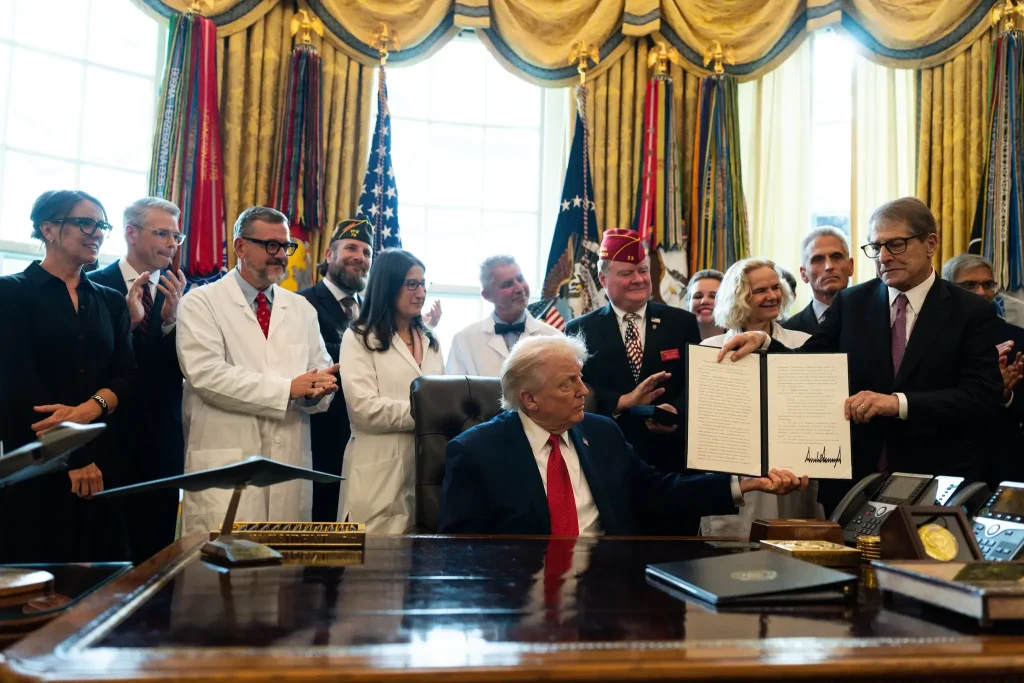
President Trump signed an executive order on December 18, 2025 titled “Increasing Medical Marijuana and Cannabidiol Research” that marks the most significant federal cannabis policy shift in over 50 years.
What the executive order directs:
- Attorney General to expedite the process of rescheduling marijuana already underway, completing the move to Schedule III
- Increase medical marijuana and CBD research to better inform patients and doctors about risks, benefits, and long-term health effects
- Ensure patient access to full-spectrum CBD products
- Remove barriers to cannabis medical research
What the order does NOT do:
- Does not legalize marijuana nationwide or sanction its use as a recreational drug
- Anyone possessing marijuana would be in violation of the CSA and still remain subject to arrest under federal law
- Does not create automatic interstate cannabis commerce
- Does not override existing state marijuana laws
What Is the Current Federal Legal Status of Marijuana Right Now?
Marijuana remains illegal as a Schedule I controlled substance under the Controlled Substances Act (21 U.S.C. § 801 et seq.). This classification has been in place since 1970.
Schedule I designation means:
- High potential for abuse
- No accepted medical use under federal law
- Lack of accepted safety for use under medical supervision
- Federal possession, distribution, and cultivation remain criminal offenses
However, the rescheduling process is underway. In May 2024, DEA proposed a rule that would transfer marijuana to Schedule III, received over 42,000 public comments, and announced it would hold a hearing on the proposal. Trump’s executive order accelerates this pending process.
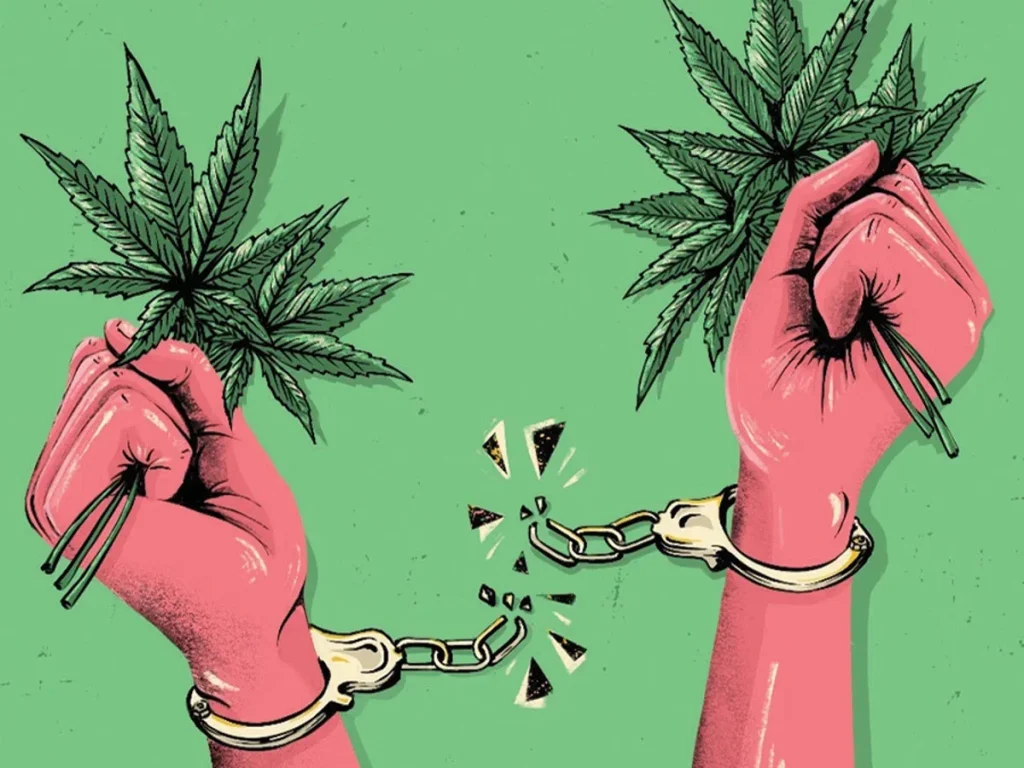
How Does Marijuana Rescheduling from Schedule I to Schedule III Work?
The Federal Rescheduling Process Timeline
October 2022: President Biden requested the Attorney General and HHS Secretary initiate the administrative process to review how marijuana is scheduled under federal law
August 2023: HHS recommended to DEA that marijuana be transferred from Schedule I to Schedule III based on scientific and medical evaluation
April 2024: Department of Justice Office of Legal Counsel issued opinion supporting HHS’s two-part test for “currently accepted medical use”
May 2024: Attorney General issued proposed rule to move marijuana from Schedule I to Schedule III
August 2024: DEA announced it would hold a hearing on the proposal after receiving public comments
December 18, 2025: President Trump issued executive order instructing Attorney General to expedite completion of rescheduling process
What Administrative Steps Remain
The executive order cannot unilaterally change marijuana’s legal status. Federal rescheduling requires:
- Administrative law judge hearing (requested by interested parties)
- Final rule publication in Federal Register
- 30-day effective period after final rule publication
- Potential judicial review period where parties can challenge the order
No specific implementation timeline has been announced. The DEA must complete formal rulemaking procedures required by the Controlled Substances Act.
What Does Federal Cannabis Rescheduling to Schedule III Actually Mean?
What Schedule III Classification Changes
Schedule III substances include:
- Ketamine
- Anabolic steroids
- Certain codeine products
- Testosterone
Legal characteristics:
- Moderate to low physical dependence potential
- High psychological dependence potential
- Currently accepted medical use in treatment
- Lower criminal penalties than Schedule I or II
Related article: Affirm Class Action Lawsuit & December 2025 Settlement Update, Can You Claim Money?
What Rescheduling Does Change
1. IRC Section 280E Tax Relief
Reclassification will provide tax fairness to state-licensed businesses, allowing them for the first time to take traditional tax deductions. Currently, cannabis businesses cannot deduct ordinary operating expenses like rent, payroll, marketing, utilities, or insurance.
Impact: Effective tax rates would drop from 70-90% to standard corporate rates of 21-35%, dramatically improving cash flow and profitability for state-legal cannabis operators.
2. Expanded Medical Research Access
Decades of federal drug control policy have neglected marijuana’s medical uses, limiting the ability of scientists and manufacturers to complete necessary research on safety and efficacy. Schedule III status removes bureaucratic barriers to cannabis research, allows more funding opportunities, and permits broader access to research materials.
3. Federal Recognition of Medical Value
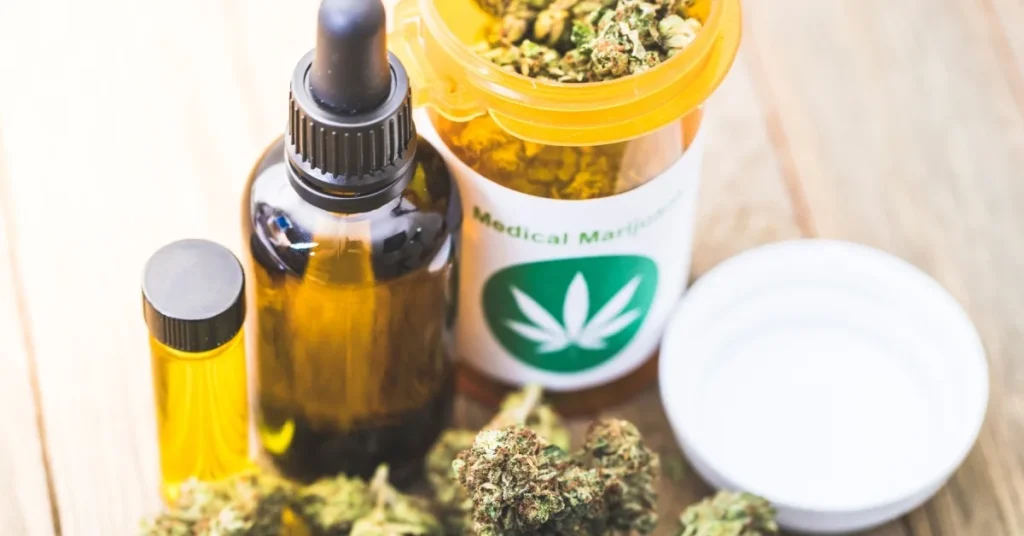
FDA completed a review finding scientific support for marijuana’s use to treat anorexia related to medical conditions, nausea and vomiting, and pain. This represents the first time the federal government formally acknowledges cannabis has legitimate medical applications.
4. Reduced Federal Criminal Penalties
While marijuana possession and distribution remain federal crimes, penalties under Schedule III are less severe than Schedule I. However, Congress has prohibited DOJ from using federal funds to prosecute state-legal medical marijuana activity, and rescheduling would not change that protection.
What Rescheduling Does NOT Change
Marijuana remains federally illegal for recreational use. State-legal adult-use cannabis programs would still conflict with federal law.
No automatic legalization nationwide. States without cannabis programs are not required to create them.
Banking access uncertainty persists. While some banks may be more willing to serve cannabis clients, comprehensive banking reform requires congressional action like the SAFER Banking Act.
No interstate cannabis commerce. Transporting marijuana across state lines remains a federal crime regardless of state laws.
Federal employment restrictions continue. Federal employees and contractors can still be terminated for marijuana use.
What Federal Marijuana Laws Currently Apply in December 2025?
Criminal Statutes and Federal Penalties
21 U.S.C. § 841 – Manufacturing, Distributing, or Possessing with Intent to Distribute:
- Less than 50kg: 0-5 years imprisonment
- 50-100kg: Up to 20 years imprisonment
- 100-1,000kg: 5-40 years imprisonment
- 1,000kg or more: 10 years to life imprisonment
- Mandatory minimums apply for repeat offenses and cases involving minors or firearms
21 U.S.C. § 844 – Simple Possession:
- First offense: Up to 1 year imprisonment, $1,000 fine
- Second offense: Up to 2 years imprisonment, $2,500 fine
21 U.S.C. § 952 – Interstate Transport and Importation: Transporting marijuana across state lines treated as smuggling with enhanced federal penalties, even between two legalized states.
18 U.S.C. § 922(g)(3) – Firearm Prohibitions: Federal law prohibits marijuana users from possessing firearms, even in states with legal cannabis programs.
Civil Penalties and Asset Forfeiture
21 U.S.C. § 881 allows federal seizure of:
- Cash proceeds from marijuana sales
- Vehicles used in cannabis trafficking
- Real property facilitating marijuana distribution
Tax Penalties Under IRC Section 280E
Cannabis businesses trafficking Schedule I substances cannot deduct ordinary business expenses. A dispensary with $1 million revenue and $700,000 operating costs pays federal tax on the full $1 million, creating effective tax rates of 70-90%.
This changes if Schedule III rescheduling is finalized.
What Is the Difference Between State Marijuana Laws and Federal Cannabis Law?
Current State-Level Legalization Landscape
Medical marijuana programs: 40 states plus District of Columbia have state-sanctioned, regulated medical marijuana programs
Adult-use recreational legalization: 24 states permit recreational marijuana for adults 21 and older
Limited CBD/low-THC programs: States like Iowa and Georgia allow only restricted products
Supremacy Clause Creates Federal-State Conflict
Under Article VI of the Constitution, federal law supersedes conflicting state law. States cannot legalize what federal law prohibits.
Practical reality:
- State laws protect users from state prosecution only
- State medical marijuana cards provide no defense to federal charges
- State-licensed cannabis businesses operate in legal gray area
- Federal enforcement has been deprioritized but not eliminated
Federal Enforcement Patterns
While marijuana remains federally illegal:
- Gallup polling shows support for marijuana legalization has grown from 36% in 2005 to 68% in 2024
- Federal marijuana prosecutions declined 65% from 2012-2020
- DEA typically targets large-scale interstate trafficking operations
- Individual consumer prosecutions remain rare but legally possible
What Recent Federal Court Rulings Address Marijuana Legalization?
Key Federal Case Law on Cannabis
Gonzales v. Raich (2005) – U.S. Supreme Court Affirmed Congress’s Commerce Clause authority to criminalize marijuana cultivation and possession, even for medical use in states with legal programs. This remains controlling precedent.
Standing Akimbo v. United States (2020) – Federal Claims Court Confirmed cannabis businesses cannot deduct ordinary operating expenses under IRC Section 280E while marijuana remains Schedule I or II.
Washington v. Barr (2020) – First Circuit Court of Appeals Dismissed constitutional challenge to marijuana’s Schedule I classification. Court held plaintiffs lacked standing because they failed to exhaust administrative remedies through DEA’s rescheduling petition process.
United States v. Pisarski (2022) – Sixth Circuit Court of Appeals Upheld federal firearm prohibitions for marijuana users under 18 U.S.C. § 922(g)(3), ruling marijuana use disqualifies individuals from Second Amendment protections even in legalized states.
No federal court has ruled marijuana prohibition unconstitutional or invalidated the Controlled Substances Act’s cannabis provisions.
What Does Federal Marijuana Rescheduling Mean for State-Legal Cannabis Businesses?
Tax Relief Impact
280E elimination is the most significant business impact. State-licensed cannabis operators would finally deduct:
- Rent and facility costs
- Employee payroll and benefits
- Marketing and advertising expenses
- Insurance premiums
- Professional services
- Equipment and supplies
- Utilities and operational costs
Financial transformation: Businesses currently paying 70-90% effective tax rates would pay standard corporate rates, potentially saving hundreds of thousands to millions annually depending on operation size.
Regulatory and Compliance Changes
Banking access may improve as financial institutions become more comfortable serving Schedule III businesses, though comprehensive banking reform requires congressional action.
Insurance availability could expand as marijuana’s recognized medical use may encourage more carriers to offer coverage.
Interstate commerce remains prohibited under federal law regardless of scheduling.
State licensing requirements unchanged – states continue regulating cannabis businesses as they do today.
Challenges and Uncertainties
FDA prescription requirements unclear – Schedule III substances typically require valid prescriptions from DEA-licensed practitioners. How this applies to state recreational programs remains undefined.
Federal-state conflict persists – 24 states with adult-use legalization would still operate outside federal law.
Enforcement priorities unknown – while rescheduling signals policy shift, federal authorities retain prosecution authority.
Will Federal Marijuana Legalization Happen and When?
Congressional Action Required for Full Legalization
Pending federal cannabis legislation:
SAFER Banking Act – Passed Senate Banking Committee in September 2023, stalled in House. Would protect banks serving state-legal cannabis businesses from federal penalties.
Cannabis Administration and Opportunity Act (CAOA) – Senate bill that would deschedule marijuana entirely. Has not advanced to floor votes.
Political and Legal Obstacles
60-vote Senate threshold makes comprehensive reform unlikely in current political climate.
International treaty obligations under UN Single Convention on Narcotic Drugs (1961) require U.S. to maintain marijuana prohibition. Full legalization requires treaty withdrawal or renegotiation.
Bipartisan support mixed – Republican administration backing rescheduling may embolden more Republican lawmakers to publicly support marijuana policy reform, but over 20 Republican senators signed a 2025 letter urging Trump to keep marijuana Schedule I.
Timeline Projections
Schedule III rescheduling: DEA must complete administrative hearings and publish final rule. No specific timeline announced, but implementation expected within 6-18 months of Trump’s executive order.
Full descheduling/legalization: Unlikely in current Congress. Requires sustained legislative effort, likely taking several years even with strong political will.
State-level expansion: Having a Republican administration backing rescheduling may encourage lawmakers in Republican-led states that have yet to move toward legalization to take a serious look at doing so.
What Are Long-Tail Search Terms for Federal Marijuana Legal Status?
People searching for federal marijuana legalization information use these specific queries:
- Is weed federally legal in the United States 2025
- When will marijuana be federally legalized in America
- Trump marijuana rescheduling executive order December 2025
- Schedule III cannabis rescheduling timeline and implementation
- Federal marijuana laws versus state cannabis legalization
- Can you still get arrested for weed if it’s legal in your state
- Does medical marijuana card protect from federal prosecution
- Federal penalties for marijuana possession and distribution
- IRC Section 280E cannabis tax deduction changes
- Will banks accept cannabis business accounts after rescheduling
- Difference between marijuana rescheduling and legalization
- Trump cannabis policy changes and what they mean
- Federal marijuana decriminalization versus descheduling
- What happens to state legal cannabis after federal rescheduling
- Federal government position on recreational marijuana legalization
Frequently Asked Questions About Federal Marijuana Legalization
Does Trump’s executive order make marijuana federally legal?
No. The order does not legalize marijuana nationwide and doesn’t sanction its use as a recreational drug. It directs agencies to complete rescheduling from Schedule I to Schedule III, which maintains federal control while recognizing medical value.
Can I still be arrested for marijuana in states where it’s legal?
Yes. Federal law enforcement can arrest and prosecute marijuana users anywhere in the U.S., regardless of state laws. However, federal authorities typically prioritize large-scale operations rather than individual consumers.
When will Schedule III rescheduling be finalized?
No official timeline exists. The DEA must complete administrative hearings, publish a final rule in the Federal Register, and allow for judicial review. Based on historical precedent, implementation could take 6-18 months from Trump’s December 2025 executive order.
What is IRC Section 280E and how does rescheduling affect cannabis business taxes?
IRC Section 280E prohibits businesses trafficking Schedule I or II substances from deducting ordinary operating expenses. Schedule III rescheduling eliminates this restriction, allowing cannabis businesses to deduct rent, payroll, marketing, and other standard costs—potentially reducing effective tax rates from 70-90% to 21-35%.
Will medical marijuana cards protect me from federal prosecution?
No. State medical marijuana authorization provides no defense against federal charges. Anyone possessing marijuana would be in violation of the Controlled Substances Act and still remain subject to arrest under federal law.
Can cannabis businesses use banks after rescheduling?
Rescheduling may encourage some banks to serve cannabis clients, but comprehensive protection requires congressional action like the SAFER Banking Act. Most federally insured banks still avoid cannabis accounts due to federal money laundering concerns.
Does rescheduling allow interstate marijuana commerce?
No. Transporting marijuana across state lines remains a federal crime under 21 U.S.C. § 952, even between states with legal programs and even after Schedule III rescheduling.
What is the difference between marijuana rescheduling and descheduling?
Rescheduling moves marijuana to a different schedule (like Schedule III) while maintaining federal control. Descheduling removes marijuana from the Controlled Substances Act entirely, similar to alcohol. Full descheduling requires congressional legislation.
Will Schedule III rescheduling require marijuana prescriptions?
Unclear. Schedule III substances typically require prescriptions from DEA-licensed practitioners. How this applies to state recreational programs operating without prescriptions remains undefined and may require additional regulatory guidance.
Can employers still drug test and fire employees for marijuana use?
Yes. Private employers can maintain drug-free workplace policies regardless of state legalization or federal rescheduling. Federal employees and contractors face continued restrictions under the Drug-Free Workplace Act of 1988.
Key Takeaways: Is Marijuana Federally Legal in 2025?
No, marijuana is not federally legal. President Trump’s December 18, 2025 executive order expedites rescheduling from Schedule I to Schedule III, but cannabis remains federally controlled. Recreational use stays illegal under federal law.
What’s changing: Schedule III rescheduling eliminates IRC Section 280E tax penalties, expands medical research access, formally recognizes medical value, and reduces criminal penalties.
What’s not changing: Federal prohibition continues, state recreational programs conflict with federal law, interstate commerce remains illegal, and banking reform requires congressional action.
Timeline: DEA must complete formal rulemaking. Implementation expected within 6-18 months. Full federal legalization requires congressional descheduling—unlikely in current political climate.
Bottom line for consumers: Marijuana possession remains a federal crime nationwide. State laws provide no federal law protection. Medical cards don’t prevent federal prosecution. Use in legalized states carries minimal practical federal enforcement risk but zero legal immunity.
Bottom line for businesses: Tax relief from 280E elimination will transform state-legal cannabis industry profitability. Banking access may improve but remains uncertain. Compliance with state regulations continues unchanged. Federal-state legal conflict persists.
Sources and Official Federal Marijuana Law Resources
Official Government Sources:
- White House Presidential Actions: Executive Order – Increasing Medical Marijuana and Cannabidiol Research
- Federal Register: Schedules of Controlled Substances: Rescheduling of Marijuana
- Drug Enforcement Administration: DEA.gov
- Congress.gov: Federal Legislation Database
Federal Statutes:
- 21 U.S.C. § 801 et seq. – Controlled Substances Act
- 21 U.S.C. § 841 – Prohibited Acts and Penalties
- 21 U.S.C. § 844 – Simple Possession Penalties
- 21 U.S.C. § 881 – Asset Forfeiture Provisions
- 18 U.S.C. § 922(g)(3) – Firearm Restrictions
- Internal Revenue Code § 280E – Business Expense Deductions
Last Updated: December 19, 2025
About the Author

Sarah Klein, JD, is a former criminal defense attorney with hands-on experience in cases involving DUIs, petty theft, assault, and false accusations. Through All About Lawyer, she now helps readers understand their legal rights, the criminal justice process, and how to protect themselves when facing charges.
Read more about Sarah