
NEC Lawsuit Formula, Thousands Sue Abbott and Mead Johnson Over Similac and Enfamil Claims
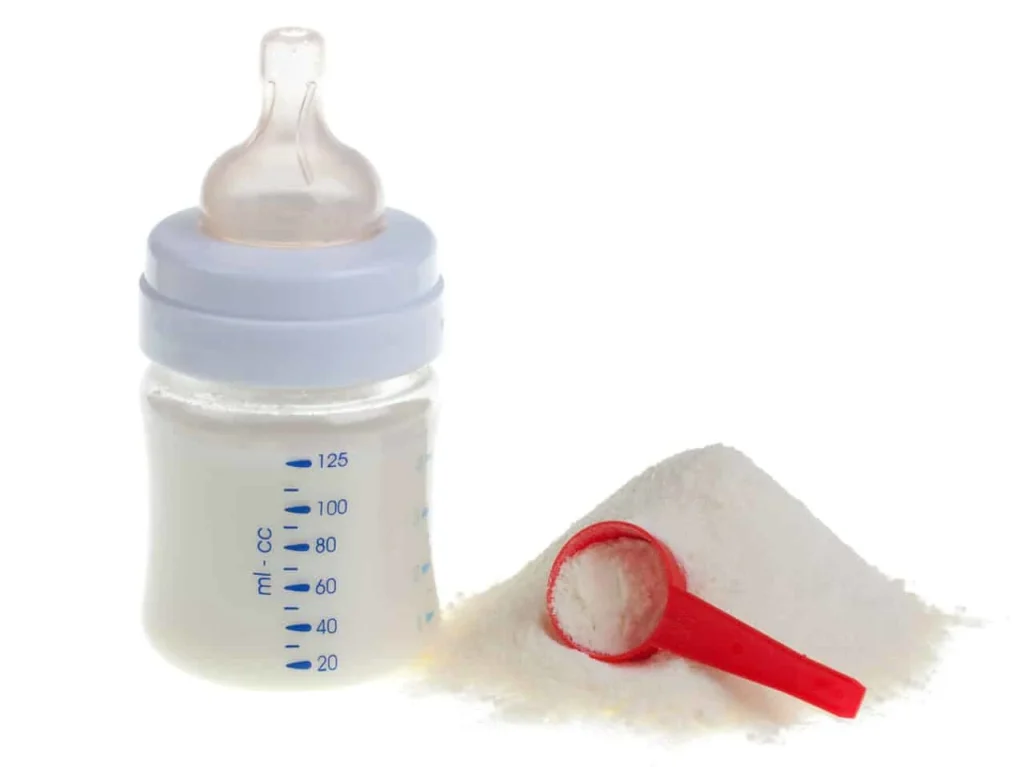
The NEC lawsuit formula litigation involves thousands of claims against Abbott Laboratories (Similac) and Mead Johnson Nutrition (Enfamil) alleging their cow’s milk-based formulas cause necrotizing enterocolitis in premature infants. Plaintiffs claim manufacturers failed to warn parents and healthcare providers about increased NEC risks despite decades of medical evidence. If your premature baby developed NEC after receiving Similac or Enfamil in the NICU, you may qualify for compensation.
Recent trial verdicts total $555 million, including a $495 million Missouri verdict in July 2024 and a $60 million Illinois verdict in March 2024.
What Is the NEC Lawsuit Formula About?
NEC formula lawsuits allege Abbott and Mead Johnson knowingly sold cow’s milk-based formulas to NICUs for premature infants without adequate warnings about necrotizing enterocolitis risks. Medical studies dating to 1990 show formula-fed premature babies are 6-10 times more likely to develop NEC than breastfed infants.
The litigation centers on failure-to-warn claims. Parents argue manufacturers knew cow’s milk formula significantly increased NEC risk in preterm infants but continued marketing products as safe alternatives to human milk. Internal documents revealed during trials show companies had access to research linking their products to NEC for decades.
Core allegations:
- Abbott and Mead Johnson failed to warn about NEC risks on product labels
- Companies marketed formulas as equivalent to breast milk despite evidence showing increased disease rates
- Manufacturers prioritized profits over infant safety
- Products were sold to hospitals specifically for premature infants without adequate risk disclosure
As of December 2025, 774 cases are consolidated in federal multidistrict litigation (MDL 3026) in the Northern District of Illinois under Judge Rebecca Pallmeyer. Additional state court cases proceed in Illinois, Missouri, Pennsylvania, and California.
Related article: Amazon Subscription and Membership Class Action Lawsuit Latest Update, $2.5 Billion FTC Settlement and Prime Video Litigation
What Is Necrotizing Enterocolitis (NEC)?
Necrotizing enterocolitis is a devastating intestinal disease affecting primarily premature infants. The condition causes inflammation and death of intestinal tissue, often requiring emergency surgery.
NEC occurs when bacteria invade the intestinal wall, triggering severe inflammation. In advanced cases, intestinal tissue dies and perforates, allowing bacteria to leak into the abdomen and bloodstream. This progression can lead to sepsis, organ failure, and death.
Key NEC facts:
- Affects 1 in 1,000 premature babies
- Primarily strikes infants born before 37 weeks gestation
- Mortality rate ranges from 15-50% depending on severity
- Requires surgical intervention in 20-40% of cases
- Survivors face long-term complications including short bowel syndrome and neurodevelopmental disabilities
Symptoms typically appear 2-6 weeks after birth and include abdominal distention, bloody stools, feeding intolerance, lethargy, and temperature instability. Diagnosis requires X-rays showing pneumatosis intestinalis—gas bubbles in the intestinal wall—which is pathognomonic for NEC.
The condition predominantly affects very low birth weight infants. Approximately 10% of babies weighing less than 1,500 grams develop NEC. For extremely premature infants under 750 grams, the rate exceeds 11%.
Which Formula Products Are Involved in the Lawsuits?
Lawsuits specifically name cow’s milk-based Similac and Enfamil products marketed for premature infants. These formulas were routinely provided in NICUs without warnings about NEC risks.
Abbott Laboratories Similac products:
- Similac Special Care (premature infant formula)
- Similac NeoSure (transitional formula for preemies)
- Similac Human Milk Fortifier (added to breast milk)
- Similac Advance
- Similac Total Comfort
Mead Johnson Enfamil products:
- Enfamil Premature (NICU formula)
- Enfamil NeuroPro EnfaCare (post-discharge formula)
- Enfamil Human Milk Fortifier
- Enfamil Gentlease
- Enfamil Reguline
Fortifiers pose particular concern. These cow’s milk-based supplements are added to breast milk to boost nutrition for premature babies. Research shows fortified breast milk increases NEC risk 4.2 times compared to exclusive human milk feeding.
Judge Pallmeyer ruled plaintiffs must provide specific evidence—medical records or feeding logs—proving which products the infant received before naming manufacturers as defendants.
What Evidence Links Formula to NEC in Premature Infants?
Decades of medical research document the association between cow’s milk formula and increased NEC risk in preterm infants. A landmark 1990 study in The Lancet found formula-fed premature babies were 6-10 times more likely to develop NEC than breastfed infants.
A 2010 study in the Journal of Pediatrics examined extremely premature infants on exclusively human milk-based diets versus diets including cow’s milk products. Babies fed only human milk were 90% less likely to develop surgical NEC.
Research published in 2011 by the U.S. Surgeon General reported premature infants not breastfed were 138% more likely to develop NEC. The American Academy of Pediatrics updated its 2022 policy statement recommending human milk as primary nutrition for preterm infants, citing NEC risk reduction.
Evidence from recent trials:
The July 2024 Missouri trial revealed Abbott executives knew about NEC risks. The jury heard testimony that Abbott was aware cow’s milk formula significantly increased NEC risk in premature babies but failed to warn families and physicians. The company even admitted during trial it had this knowledge.
A 2024 study in Advances in Neonatal Care found preterm infants fed exclusively human milk had 1% NEC mortality compared to 6% for babies fed cow’s milk formula. The same study showed human milk-fed babies gained more weight despite reduced disease risk.
Medical experts testifying in trials explain cow’s milk formula triggers inflammatory responses in underdeveloped preterm intestines. Premature babies lack mature immune systems and digestive enzymes needed to process bovine proteins, leading to intestinal injury.
The FDA, NIH, and CDC released a 2024 joint statement acknowledging human milk protects against NEC and that evidence indicates not drinking human milk is tied to greater NEC risk. The agencies noted specialty formulas may be critical for premature babies without access to human milk.
Which Manufacturers Are Being Sued?
Abbott Laboratories and Mead Johnson Nutrition face the majority of NEC formula lawsuits. Both companies have dominated the premature infant formula market for decades.
Abbott Laboratories manufactures Similac products. The Chicago-based pharmaceutical and healthcare company has produced infant formula since the late 19th century. Abbott’s Similac Special Care formula is widely used in NICUs nationwide.
Mead Johnson Nutrition produces Enfamil products. Originally part of Bristol-Myers Squibb, Mead Johnson became independent in 2009. Reckitt Benckiser acquired the company in 2017, making Reckitt the current corporate parent facing liability.
Both companies deny their formulas cause NEC. In court filings, Mead Johnson states it “denies that Enfamil products cause NEC or increase risks of NEC in infants” and “expressly denies that the medical and scientific community has confirmed any link between NEC and any infant nutritional products containing cow’s milk.”
Abbott maintains similar defenses, arguing that while breast milk is protective, formula does not cause NEC. The company characterizes the litigation as lawyers overriding doctors and regulators.
Related article: Trump’s Pulitzer Prize Board Lawsuit Advances to Discovery, Raising Questions Over Tax and Medical Records
What Do Plaintiffs Need to Prove?
NEC formula lawsuits are product liability claims requiring plaintiffs to establish several elements: defective product, causation, and damages.
Failure to warn claims dominate the litigation. Plaintiffs must prove manufacturers knew or should have known about NEC risks but failed to provide adequate warnings on product labels or in marketing materials. Evidence includes medical literature available to defendants, internal company documents, and expert testimony about industry standards.
Causation presents two components:
- General causation: Can cow’s milk formula cause NEC in premature infants?
- Specific causation: Did the formula cause this specific infant’s NEC?
Federal courts apply Daubert standards for expert testimony. Judges act as gatekeepers, screening expert opinions for reliability before juries hear evidence. Recent MDL bellwether dismissals resulted from judges excluding plaintiff expert testimony on causation grounds.
State courts may apply different evidentiary standards. The divergence between state and federal outcomes—$555 million in state court plaintiff verdicts versus three consecutive federal court dismissals—suggests evidentiary rulings drive case results.
Required evidence:
- Medical records proving premature birth (typically before 37 weeks gestation)
- Feeding logs documenting which formula products the infant received
- NEC diagnosis confirmed by imaging showing pneumatosis intestinalis
- Medical records establishing timing—NEC developed during or after formula feeding
- Expert testimony linking the specific formula to the infant’s condition
Judge Pallmeyer dismissed three MDL bellwether cases on summary judgment, finding plaintiffs failed to demonstrate causation met federal expert testimony standards. The court scrutinized whether expert opinions matched each infant’s specific gestational age, birth weight, and medical circumstances.
Who Can File an NEC Formula Lawsuit?
Eligibility typically requires premature birth, cow’s milk formula exposure, and documented NEC diagnosis. Specific criteria vary by law firm, but common requirements include:
Basic eligibility:
- Infant born prematurely (most firms require birth before 34-37 weeks gestation)
- Fed Similac, Enfamil, or cow’s milk-based fortifier in hospital or after discharge
- Diagnosed with NEC while receiving formula or shortly after
- Medical records confirming NEC diagnosis through imaging or surgery
Documentation needed:
- Hospital birth records showing gestational age and birth weight
- NICU feeding logs or medical records indicating formula type and timing
- Diagnostic imaging (X-rays, CT scans, ultrasounds) confirming NEC
- Surgical reports if bowel resection occurred
- Death certificate if the infant died from NEC complications
Families who experienced NEC-related infant death may file wrongful death claims. Surviving infants with ongoing medical complications—short bowel syndrome, developmental delays, cerebral palsy—may claim damages for lifetime care costs.
Some law firms require infants weighed less than 2,500 grams at birth or were born before 34 weeks gestation. Others accept cases involving slightly older preterm infants if strong causation evidence exists.
Preserved formula packaging strengthens claims but is not mandatory. Medical records documenting which products the infant received satisfy evidence requirements under current court orders.
What Damages Can Families Recover?
NEC lawsuits seek compensation for medical expenses, pain and suffering, and wrongful death. Damage categories include economic and non-economic losses.
Economic damages:
- Past and future medical expenses (NICU care, surgeries, hospitalizations)
- Costs for ongoing treatment of NEC complications
- Lost wages if parents left work to care for the child
- Lifetime care costs for children with permanent disabilities
Non-economic damages:
- Pain and suffering experienced by the infant
- Emotional distress of family members
- Loss of quality of life
- Loss of consortium for wrongful death cases
Punitive damages may be awarded when juries find manufacturers acted with conscious disregard for infant safety. The July 2024 Missouri verdict included $400 million in punitive damages—four times the $95 million compensatory award—reflecting jurors’ conclusion that Abbott’s conduct was egregious.
Average NEC treatment costs $180,000-$198,000 per infant. For cases requiring surgery, costs approach $313,000. Long-term complications drive lifetime expenses significantly higher.
Approximately 45% of NEC survivors face heightened risk of cerebral palsy, hearing loss, visual impairment, and cognitive delays at 20 months. At school age, survivors show lower IQs and attention deficits. These ongoing needs justify substantial damage awards.
Recent Trial Verdicts and Settlement Developments
March 2024: $60 Million Illinois State Court Verdict
An Illinois jury awarded $60 million to the mother of a premature infant who died after being fed Enfamil. The jury found Mead Johnson failed to disclose NEC risks related to its premature infant formula. This state court victory preceded federal MDL bellwether trials.
July 2024: $495 Million Missouri State Court Verdict
A St. Louis jury delivered a landmark $495 million verdict against Abbott Laboratories. The case involved a premature girl who developed NEC after receiving Similac in the NICU and suffered irreversible neurological damage requiring 75% intestinal resection.
The jury awarded $95 million in compensatory damages and $400 million in punitive damages. Trial testimony revealed Abbott knew for years that cow’s milk formula significantly increased NEC risk but refused to warn families and physicians. TorHoerman Law served as lead counsel.
October 2024: Defense Verdict Vacated
A St. Louis jury initially cleared Abbott and Mead Johnson in October 2024, breaking the plaintiff verdict trend. However, in March 2025, a Missouri judge vacated this defense verdict, ruling attorneys for Abbott and Mead Johnson deliberately misled jurors and violated court orders.
The judge found defense counsel introduced inadmissible evidence, made false claims, used discredited expert testimony, and attempted to blame the plaintiff’s marijuana use without proof of any link to NEC. Abbott’s lead attorney was sanctioned and barred from delivering closing arguments for repeated misconduct.
Federal MDL Bellwether Dismissals
Judge Pallmeyer granted summary judgment to Abbott in three consecutive federal MDL bellwether trials scheduled for May 2025, July 2025, and October 2025. The court excluded plaintiff expert testimony on causation, finding opinions failed to adequately link NEC diagnoses to cow’s milk formula use under federal Daubert standards.
The divergence between state and federal outcomes highlights the impact of evidentiary standards on case viability.
Settlement status: No global settlement exists as of December 2025. However, the massive state court verdicts and vacated defense verdict intensify pressure on manufacturers to negotiate. Judge Pallmeyer ordered a comprehensive census of all NEC claims in July 2025 to facilitate settlement discussions.
The next bellwether trial is scheduled for February 2026. Settlement negotiations may accelerate before the second wave of bellwether trials begins in August 2026.
Statute of Limitations by State
Filing deadlines vary significantly by jurisdiction. Most states allow 2-3 years from the date of injury or discovery of the connection between formula and NEC.
Tolling for minors: Because NEC affects infants, many states toll (pause) the statute of limitations until the child reaches age 18. After reaching adulthood, individuals typically have an additional 2 years to file.
Discovery rule: Many states apply a discovery rule, meaning the statute of limitations begins when parents reasonably discover or should have discovered that formula caused their child’s NEC—not necessarily when NEC was diagnosed.
State-specific deadlines (general guidelines):
- California: 2 years from injury discovery
- Florida: 2 years for personal injury; 2 years for wrongful death
- Illinois: 2 years from injury discovery
- Missouri: 5 years for personal injury; 3 years for wrongful death
- New York: 3 years for personal injury; 2 years for wrongful death
- Pennsylvania: 2 years from injury discovery
- Texas: 2 years from injury or death
These are general timelines. Specific circumstances—including when parents learned about the formula-NEC connection—may extend or shorten deadlines. Consulting an attorney immediately is critical because missing the statute of limitations permanently bars recovery.
How to Determine If You Qualify
Families should evaluate their cases using the following framework:
Step 1: Verify premature birth Review medical records to confirm your infant was born before 37 weeks gestation (ideally before 34 weeks). Note exact gestational age and birth weight.
Step 2: Document formula exposure Obtain NICU feeding logs, discharge summaries, and medical records showing your infant received Similac, Enfamil, or cow’s milk-based fortifier. Identify specific product names if possible.
Step 3: Confirm NEC diagnosis Gather diagnostic imaging reports (X-rays, CT scans) showing pneumatosis intestinalis or other NEC indicators. Obtain surgical reports if your infant underwent bowel resection. Collect death certificates if applicable.
Step 4: Establish timeline Verify NEC developed while your infant received formula or shortly after. Medical records should document the temporal relationship between formula feeding and disease onset.
Step 5: Assess damages Calculate medical expenses, ongoing care costs, and other financial losses. Document emotional impact and quality of life changes.
Step 6: Consult an attorney Contact a law firm experienced in NEC formula litigation. Most firms offer free case evaluations and work on contingency—no upfront costs, and fees are collected only if you recover compensation.
Red flags that strengthen cases:
- Infant born extremely premature (before 28 weeks)
- Low birth weight (under 1,500 grams)
- Exclusive or primary formula feeding in NICU
- Severe NEC requiring surgery
- Death from NEC complications
- Long-term disabilities resulting from NEC
Frequently Asked Questions
How much are NEC formula lawsuit settlements worth?
Individual settlements vary based on injury severity. Lawyers estimate payouts could range from $50,000 to $600,000 per case. Jury verdicts provide guidance—$60 million and $495 million verdicts in state courts demonstrate potential case values for severe injuries or wrongful death. No global settlement exists yet.
Is there a class action lawsuit for NEC formula?
No. NEC cases proceed through multidistrict litigation (MDL 3026), not class actions. Each family maintains an individual lawsuit with separate damages. The MDL consolidates cases for pretrial proceedings but preserves individual claim values based on each family’s unique circumstances.
Can full-term babies develop NEC from formula?
Rarely. NEC primarily affects premature infants. Full-term babies develop NEC at a rate of about 1 in 10,000 compared to 1 in 1,000 for premature infants. Full-term NEC cases typically involve birth defects, congenital heart conditions, or other underlying health issues.
How long do I have to file an NEC lawsuit?
Statutes of limitations vary by state, typically 2-3 years from injury discovery. Because NEC affects minors, many states toll the deadline until the child reaches 18. Consult an attorney immediately to determine your specific deadline.
What if I don’t have formula packaging?
Medical records documenting which formula your infant received are sufficient. NICU feeding logs, discharge summaries, and hospital records provide necessary evidence. Preserved packaging strengthens claims but is not required.
Do I need to prove the formula caused my baby’s NEC?
Yes. Plaintiffs must establish causation through medical records, expert testimony, and evidence linking formula exposure to NEC diagnosis. This is why consulting an experienced attorney is essential—they work with medical experts to build causation evidence.
Are there other formulas besides Similac and Enfamil involved?
The litigation focuses primarily on Similac and Enfamil as the dominant premature infant formula brands. Other cow’s milk-based formulas may pose similar risks, but current lawsuits target Abbott and Mead Johnson products specifically.
Key Takeaways
The NEC lawsuit formula litigation represents one of the most significant product liability cases affecting premature infants. With 774 federal cases and additional state court proceedings, thousands of families seek accountability from Abbott and Mead Johnson for allegedly failing to warn about NEC risks.
Recent developments favor plaintiffs in state courts—$555 million in jury verdicts demonstrate the strength of failure-to-warn claims when cases reach juries. Federal MDL outcomes have been less favorable, with three consecutive summary judgment dismissals highlighting the importance of meeting strict expert testimony standards.
If your premature baby developed NEC after receiving Similac or Enfamil, document medical records, feeding logs, and diagnostic reports immediately. Consult an experienced NEC formula lawsuit attorney to evaluate your eligibility and understand filing deadlines in your state.
The litigation continues evolving. Settlement negotiations may accelerate as additional bellwether trials approach in 2026. Families affected by NEC should act now to preserve their legal rights and pursue compensation for medical expenses, pain and suffering, and wrongful death.
This article provides general information about NEC formula lawsuits and should not be considered legal advice. Consult a qualified attorney to evaluate your specific case.
About the Author

Sarah Klein, JD, is a licensed attorney and legal content strategist with over 12 years of experience across civil, criminal, family, and regulatory law. At All About Lawyer, she covers a wide range of legal topics — from high-profile lawsuits and courtroom stories to state traffic laws and everyday legal questions — all with a focus on accuracy, clarity, and public understanding.
Her writing blends real legal insight with plain-English explanations, helping readers stay informed and legally aware.
Read more about Sarah