Zantac Lawsuit Dec 2025 Update, Delaware Supreme Court Crushes 75,000 Cases—What Cancer Victims Must Know Now
The Zantac lawsuit suffered a devastating blow in July 2025 when the Delaware Supreme Court unanimously ruled that plaintiffs in nearly 75,000 pending cases cannot rely on expert testimony linking ranitidine to cancer unless it meets stringent scientific reliability standards. This mirrored the federal court’s 2022 dismissal and followed GSK’s October 2024 settlement of 80,000 cases for up to $2.2 billion, with payments expected by June 2025. Despite these setbacks, 1,812 federal cases remain active as of November 2025, and trials continue in Illinois and California state courts—though defendants have won every jury verdict to date. If you developed cancer after taking Zantac, understanding your remaining options is critical.
What Is the Zantac Lawsuit?
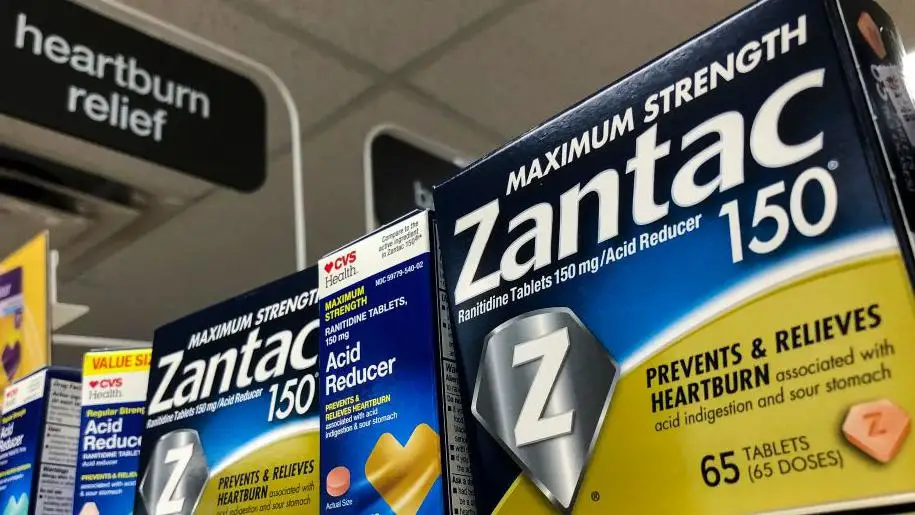
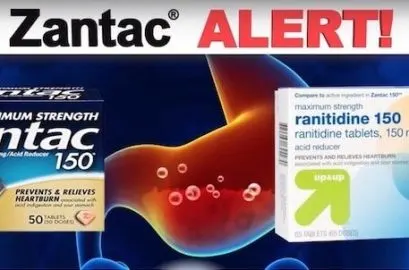
Zantac lawsuits claim the popular heartburn medication ranitidine contained or degraded into NDMA (N-nitrosodimethylamine), a probable human carcinogen. The FDA discovered unacceptable NDMA levels in Zantac and requested a complete recall of all ranitidine products in April 2020. Over 70,000 lawsuits followed, filed against manufacturers GSK, Pfizer, Sanofi, and Boehringer Ingelheim.
Plaintiffs allege manufacturers knew since the 1980s that ranitidine’s chemical instability caused it to break down into NDMA when exposed to heat, humidity, or stomach acid. A 2025 shareholder lawsuit claims GSK scientist Richard Tanner discovered in 1982 that ranitidine interacting with nitrites in food could create NDMA, but GSK “buried” these findings.
Why Was Zantac Removed from the Market?
The FDA requested Zantac’s removal on April 1, 2020, after independent testing by online pharmacy Valisure found NDMA levels in ranitidine products up to 3,000,000 nanograms—exceeding the FDA’s acceptable daily intake limit of 96 nanograms by over 31,000 times.
Ranitidine’s molecular structure makes it inherently unstable. When stored at room temperature or above, or when exposed to stomach acid after ingestion, ranitidine degrades into NDMA. The longer the storage time and higher the temperature, the more NDMA forms.
GSK paid Valisure $70 million in 2024 to resolve the qui tam complaint that first exposed the contamination.
What Health Risks and Cancers Are Alleged?
Plaintiffs claim prolonged Zantac use caused various cancers through NDMA exposure:
- Bladder cancer (strongest scientific link to NDMA)
- Colorectal cancer
- Stomach cancer
- Esophageal cancer
- Liver cancer
- Breast cancer
- Prostate cancer (weakest link in litigation)
- Kidney cancer
- Pancreatic cancer
NDMA is classified as a Group 2A probable human carcinogen by the International Agency for Research on Cancer. Studies show NDMA causes tumors in laboratory animals at doses similar to those potentially produced by Zantac degradation.
Related article: Costco Tariff Lawsuit Against Donald Trump Administration 2025, $275B Retailer Sues for Refunds
Latest Court Rulings: Delaware Supreme Court Decision
July 24, 2025: The Delaware Supreme Court delivered a crushing blow to plaintiffs, ruling unanimously that expert testimony linking ranitidine to cancer does not meet Delaware’s scientific reliability standards. The court criticized the lower court for “presuming” admissibility of expert opinions rather than properly evaluating their scientific basis.
This decision affects approximately 75,000 lawsuits pending in Delaware Superior Court before Judge Vivian Medinilla. The ruling sent cases back to trial courts for fresh evaluation of the science, but plaintiffs face an uphill battle proving their experts’ methodologies are reliable.
The Delaware ruling mirrors the federal MDL court’s December 2022 decision when Judge Robin Rosenberg issued a 341-page order dismissing all federal Zantac cases, finding that plaintiffs’ ten general causation experts used “unreliable methodologies” that failed the Daubert standard.
Key Issues Courts Identified:
- Plaintiffs could not establish a specific “threshold dose” of ranitidine or NDMA that causes cancer risk
- Expert methodologies relied on animal studies and NDMA exposure from food or industrial sources, not from ranitidine ingestion
- Scientific evidence did not reliably prove ranitidine converts to harmful NDMA levels in the human body
- Epidemiological studies failed to show a statistically significant link between ranitidine use and cancer
Federal Appeal Status: Oral arguments occurred October 10, 2025, before the Eleventh Circuit Court of Appeals, challenging Judge Rosenberg’s 2022 dismissal. Plaintiffs argued the judge improperly evaluated the science herself rather than acting as a gatekeeper. A decision remains pending as of December 2025.
GSK Settlement: $2.2 Billion Resolution
October 9, 2024: GSK announced agreements with 10 plaintiff firms to resolve 93% of pending state court cases—approximately 80,000 lawsuits—for up to $2.2 billion. Payments to qualifying claimants began in early 2025 and are expected to complete by June 2025.
Critical Settlement Details:
- Only covers GSK cases, not Boehringer Ingelheim, Pfizer, or Sanofi
- Individual settlement amounts remain confidential
- Plaintiffs had to meet “agreed eligibility and participation criteria”
- All 10 participating plaintiff firms unanimously recommended clients accept terms
- GSK admits no liability in the settlement
Who Qualified for GSK Settlement:
- Individuals represented by the 10 participating plaintiff law firms
- Cases filed in state courts (not federal MDL)
- Claimants meeting undisclosed eligibility criteria
- Those who accepted settlement terms before deadlines
Between October and November 2025, the federal MDL saw 421 cases dismissed, dropping active cases from 2,233 to 1,812—likely reflecting ongoing confidential settlements.
Trial Results: Defendants Winning Every Verdict
Despite tens of thousands of lawsuits, no plaintiff has won a jury verdict finding Zantac caused their cancer. Eight trials have concluded with defense wins or mistrials:
August 2025 – Illinois: Jury rejected colorectal cancer claims against Boehringer Ingelheim, marking the eighth failed trial for plaintiffs.
July 2025 – Illinois: Jury found against plaintiff claiming seven years of Zantac use caused prostate cancer.
March 2025 – Illinois: Boehringer Ingelheim won retrial of prostate cancer case after five hours of jury deliberation.
November 2024 – California: Russell v. Boehringer Ingelheim ended with a hung jury split 6-6 on whether Zantac caused bladder cancer. The jury did find Zantac was dangerous and Boehringer failed to warn consumers, but could not agree on causation. The case requires retrial.
May 2024 – Illinois: The first Zantac jury trial resulted in defense victory for GSK and Boehringer Ingelheim.
Plaintiffs have settled several cases confidentially rather than proceed to trial, including the June 2023 James Goetz bladder cancer case and the November 2023 Cantlay/Harper case in California.
Who Can Still File a Zantac Claim?
Despite devastating court rulings, individuals who used Zantac and developed cancer may still have options depending on jurisdiction and manufacturer:
Eligibility Requirements:
- Used Zantac (brand name or generic ranitidine) regularly for extended periods (typically 6 months or longer)
- Diagnosed with an eligible cancer type after Zantac use
- Diagnosis occurred within a medically reasonable timeframe after exposure
- Can demonstrate Zantac use through medical records, pharmacy records, or other evidence
- Meet state-specific statute of limitations deadlines
Cases Still Being Filed (December 2025):
- California state courts (active litigation continues)
- Illinois state courts (bellwether trials ongoing)
- Connecticut state courts (jurisdiction disputes pending)
- Delaware state courts (cases proceeding despite Supreme Court ruling)
- Individual lawsuits against Boehringer Ingelheim (not included in GSK settlement)
- Cases against Pfizer and Sanofi (no settlements announced)
Who Should NOT File:
- Individuals who only took Zantac briefly (less than 6 months)
- Those with prostate cancer (weakest scientific link; multiple defense verdicts)
- Anyone who missed their state’s statute of limitations
- Those covered by GSK’s settlement who already accepted payment
- Individuals whose cancer has no established link to NDMA exposure
What Compensation May Be Available?
GSK Settlement Payments (Processing Through June 2025):
Individual settlement amounts remain confidential, but factors affecting compensation included:
- Cancer type and severity
- Duration and frequency of Zantac use
- Age at diagnosis
- Medical expenses and treatment costs
- Lost wages and earning capacity
- Pain and suffering
- Strength of individual case evidence
Ongoing Cases Against Boehringer Ingelheim, Pfizer, Sanofi:
No settlements announced as of December 2025. Any compensation would depend on:
- Successfully proving causation at trial (no plaintiff has succeeded yet)
- Surviving expert testimony challenges under Daubert/state standards
- Demonstrating failure to warn or design defects
- Overcoming federal preemption defenses (for generic manufacturers)
Federal vs. State Court Zantac Cases
Federal MDL (Multidistrict Litigation):
- In Re: Zantac (Ranitidine) Products Liability Litigation, MDL 2924
- U.S. District Court for the Southern District of Florida
- Judge Robin L. Rosenberg presiding
- Status: All cases dismissed December 2022; appeal pending in Eleventh Circuit
- 1,812 active cases remain as of November 2025 (down from 15,018 filed total)
- Oral arguments held October 10, 2025
State Courts:
- Delaware Superior Court: 75,000+ cases affected by July 2025 Supreme Court ruling; cases sent back for fresh scientific evaluation
- California State Courts: Active litigation with bellwether trials; several confidential settlements reached
- Illinois State Courts: Eight trials completed, all defense wins or mistrials
- Connecticut State Courts: Jurisdictional disputes ongoing; judge suggested cases will proceed
Comparison: Zantac Lawsuit Status by Manufacturer
| Manufacturer | Settlement Status | Settlement Amount | Cases Remaining | Trial Results |
| GSK (GlaxoSmithKline) | 93% resolved (80,000 cases) | Up to $2.2 billion | Few remaining cases | Individual settlements paid; admitted no liability |
| Boehringer Ingelheim | No settlement announced | N/A | Substantial cases active | 8 defense wins/mistrials; no plaintiff verdicts |
| Pfizer | No settlement announced | N/A | Cases pending | No trial results reported |
| Sanofi | No settlement announced | N/A | Cases pending; jurisdictional challenges | No trial results reported |
Recent Legal Developments (2025)
November 2025: Federal MDL case count dropped by 421 cases in one month, signaling ongoing confidential settlements.
October 2025: Eleventh Circuit heard oral arguments on appeal of federal MDL dismissal. Decision pending.
August 2025: Another plaintiff loss in Illinois colorectal cancer case against Boehringer Ingelheim.
July 2025: Delaware Supreme Court unanimously rejected plaintiffs’ expert testimony, affecting 75,000 cases.
June 2025: New lawsuits continue being filed, including Nebraska resident’s prostate cancer claim against Boehringer Ingelheim and Connecticut estate case proceeding despite jurisdictional challenges.
May 2025: GSK shareholders filed lawsuit alleging company concealed NDMA contamination since 1982, seeking damages related to the $2.2 billion settlement.
March 2025: Boehringer Ingelheim won Illinois retrial after three-week trial and five hours of jury deliberation.
February 2025: GSK investor class action filed in federal court in Pennsylvania, claiming company “buried” scientist Richard Tanner’s 1982 findings about NDMA formation.
What Should You Do If You Took Zantac?
Immediate Steps:
- Gather documentation: Collect medical records, pharmacy records, and any evidence of Zantac use (prescription records, receipts, insurance statements)
- Document your health: Obtain complete medical records showing cancer diagnosis, treatment history, and timeline
- Consult an attorney: The litigation landscape has changed dramatically with the Delaware Supreme Court ruling and GSK settlement. An experienced mass tort attorney can evaluate whether you have viable claims against remaining defendants.
- Act quickly: Statutes of limitations vary by state and may expire soon. Some states have two-year deadlines from diagnosis; others have longer periods.
- Determine manufacturer: Identify which company manufactured your Zantac. GSK settlement participants cannot pursue additional claims, but cases against Boehringer Ingelheim, Pfizer, and Sanofi remain possible.
Warning Signs to Seek Legal Advice:
- You used Zantac regularly (weekly or more) for 6+ months
- You were diagnosed with bladder, colorectal, stomach, esophageal, liver, kidney, breast, or pancreatic cancer
- Your diagnosis occurred after 2015 (demonstrating longer-term exposure)
- You have strong documentation of both Zantac use and cancer diagnosis
- You live in a state with active Zantac litigation (California, Illinois, Delaware, Connecticut)
Important Considerations:
Given the unfavorable court rulings and lack of plaintiff trial victories, potential claimants should have realistic expectations. The Delaware Supreme Court ruling and federal MDL dismissal significantly weakened the litigation. However, cases continue being filed and evaluated, particularly against manufacturers who have not settled.
Frequently Asked Questions
Q: Can I still file a Zantac lawsuit in December 2025?
Yes, but your options are limited. GSK settled 93% of state court cases, so new GSK claims are unlikely. Cases against Boehringer Ingelheim, Pfizer, and Sanofi remain possible depending on your jurisdiction, cancer type, and evidence. Consult a mass tort attorney immediately to evaluate your specific situation and applicable statute of limitations.
Q: How much is the average Zantac settlement?
GSK’s $2.2 billion settlement divided among 80,000 claimants suggests an average of approximately $27,500 per claimant, though individual amounts vary based on cancer severity, Zantac use duration, and case strength. Actual settlement amounts remain confidential. No settlements have been announced for Boehringer Ingelheim, Pfizer, or Sanofi cases.
Q: What cancers qualify for Zantac lawsuits?
Bladder cancer has the strongest scientific link to NDMA exposure. Other eligible cancers include colorectal, stomach, esophageal, liver, kidney, breast, and pancreatic cancer. Prostate cancer claims have the weakest scientific support and have failed at trial multiple times. Case eligibility depends on cancer type, diagnosis timing, Zantac use duration, and jurisdiction.
Q: Why did the Delaware Supreme Court rule against Zantac plaintiffs?
The court found that plaintiffs’ expert testimony did not meet Delaware’s scientific reliability standards. Experts could not establish a specific dose-response relationship showing how much ranitidine or NDMA causes cancer. The court criticized experts for relying on animal studies and NDMA exposure from food rather than demonstrating ranitidine itself produces harmful NDMA levels in humans.
Q: Will GSK settlement payments still be made in 2025?
Yes. GSK announced settlement payments to eligible claimants would be fully implemented by the end of H1 2025 (June 2025). If you accepted the settlement terms and met eligibility criteria, you should receive payment by mid-2025. Contact the plaintiff law firm handling your case for specific payment timeline.
Q: Can I sue if I took generic ranitidine instead of brand-name Zantac?
Generic ranitidine cases face additional challenges due to federal preemption. The federal MDL court ruled that generic manufacturers cannot be held liable because federal law requires them to use the same labels as brand-name drugs, preventing them from adding warnings. However, some state court cases against generic manufacturers continue. Consult an attorney about your specific situation.
Q: What evidence do I need to file a Zantac claim?
You need documentation proving both Zantac use and cancer diagnosis: prescription records, pharmacy receipts, medical records showing Zantac was prescribed or purchased, cancer diagnosis records, pathology reports, and treatment records. The stronger your documentation, the better your case. Cases without clear proof of Zantac use are unlikely to succeed, especially given recent adverse court rulings.
Q: Are there any Zantac lawsuits that have won at trial?
No. As of December 2025, no plaintiff has won a jury verdict finding Zantac caused their cancer. Eight trials have concluded with defense wins or mistrials, including the November 2024 Russell case where the jury deadlocked 6-6 on causation despite agreeing Zantac was dangerous. Multiple cases have settled confidentially before trial, suggesting plaintiffs and defendants found settlement preferable to trial risk.
What Recent Developments Mean for Claimants
The Zantac litigation has shifted dramatically against plaintiffs in 2025. The Delaware Supreme Court’s July ruling rejecting expert testimony affects 75,000 cases and mirrors the federal court’s position. With no plaintiff trial victories after eight attempts and GSK settling 93% of cases, the litigation’s future remains uncertain.
For Current Claimants:
- If you accepted GSK’s settlement, expect payment by June 2025
- If your case is pending against Boehringer Ingelheim, Pfizer, or Sanofi, discuss realistic expectations with your attorney given repeated trial losses and expert testimony challenges
- Monitor the Eleventh Circuit’s decision on the federal MDL appeal (oral arguments held October 2025)
- Consider whether settlement opportunities arise rather than proceeding to trial given unfavorable verdicts
For Potential New Claimants:
- Act immediately if considering filing; statutes of limitations may expire
- Understand that recent court rulings significantly weakened plaintiffs’ position
- Focus on strongest cases: bladder cancer with extended Zantac use and strong documentation
- Avoid prostate cancer claims given multiple defense verdicts
- Seek experienced mass tort attorneys who understand the changed litigation landscape
Looking Forward:
The Eleventh Circuit’s pending decision on the federal MDL appeal could revive thousands of dismissed cases if the appeals court finds Judge Rosenberg improperly evaluated scientific evidence. However, the Delaware Supreme Court’s independent rejection of similar expert testimony suggests appellate courts may uphold restrictions on causation evidence.
New lawsuits continue being filed as recently as November 2025, indicating some plaintiff firms believe viable claims remain, particularly against manufacturers who haven’t settled. The Russell retrial (following November 2024’s hung jury) and ongoing Illinois bellwether trials will provide further insight into whether plaintiffs can overcome causation challenges.
Disclaimer: This article provides general information about the Zantac lawsuit and should not be considered legal advice. If you took Zantac and developed cancer, consult a qualified mass tort attorney to evaluate your specific situation, applicable deadlines, and remaining legal options. Outcomes vary based on individual circumstances, jurisdiction, and ongoing legal developments.
Sources:
- FDA Drug Safety Communication: FDA requests removal of all ranitidine products from the market (April 2020)
- In Re: Zantac (Ranitidine) Products Liability Litigation, MDL 2924, U.S. District Court, Southern District of Florida
- Delaware Supreme Court ruling (July 24, 2025)
- GSK Press Release: Settlement agreements reached (October 9, 2024)
- Eleventh Circuit Court of Appeals oral arguments (October 10, 2025)
- Russell v. Boehringer Ingelheim trial results (November 2024)
- Multiple state court trial verdicts and settlements (2024-2025)
About the Author

Sarah Klein, JD, is a licensed attorney and legal content strategist with over 12 years of experience across civil, criminal, family, and regulatory law. At All About Lawyer, she covers a wide range of legal topics — from high-profile lawsuits and courtroom stories to state traffic laws and everyday legal questions — all with a focus on accuracy, clarity, and public understanding.
Her writing blends real legal insight with plain-English explanations, helping readers stay informed and legally aware.
Read more about Sarah